CPC Commentary - Armenian and Azerbaijani Foreign Ministers’ November 7 Meeting in Washington


Author: Ambassador (Ret.) Richard E. Hoagland
11/14/2022 · 2 min read
 Azerbaijan Ministry of Foreign Affairs
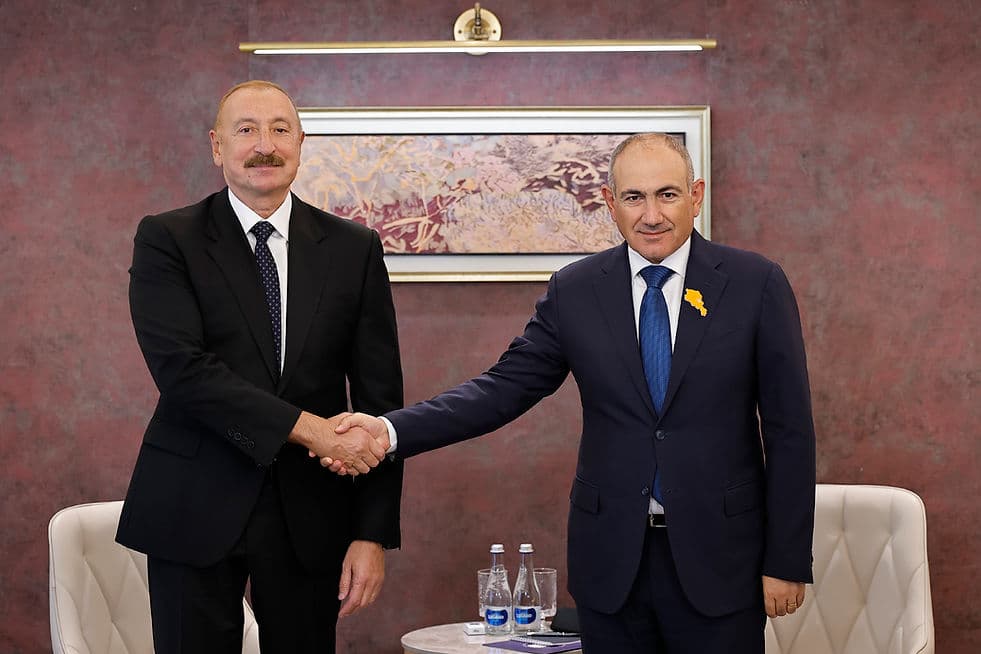
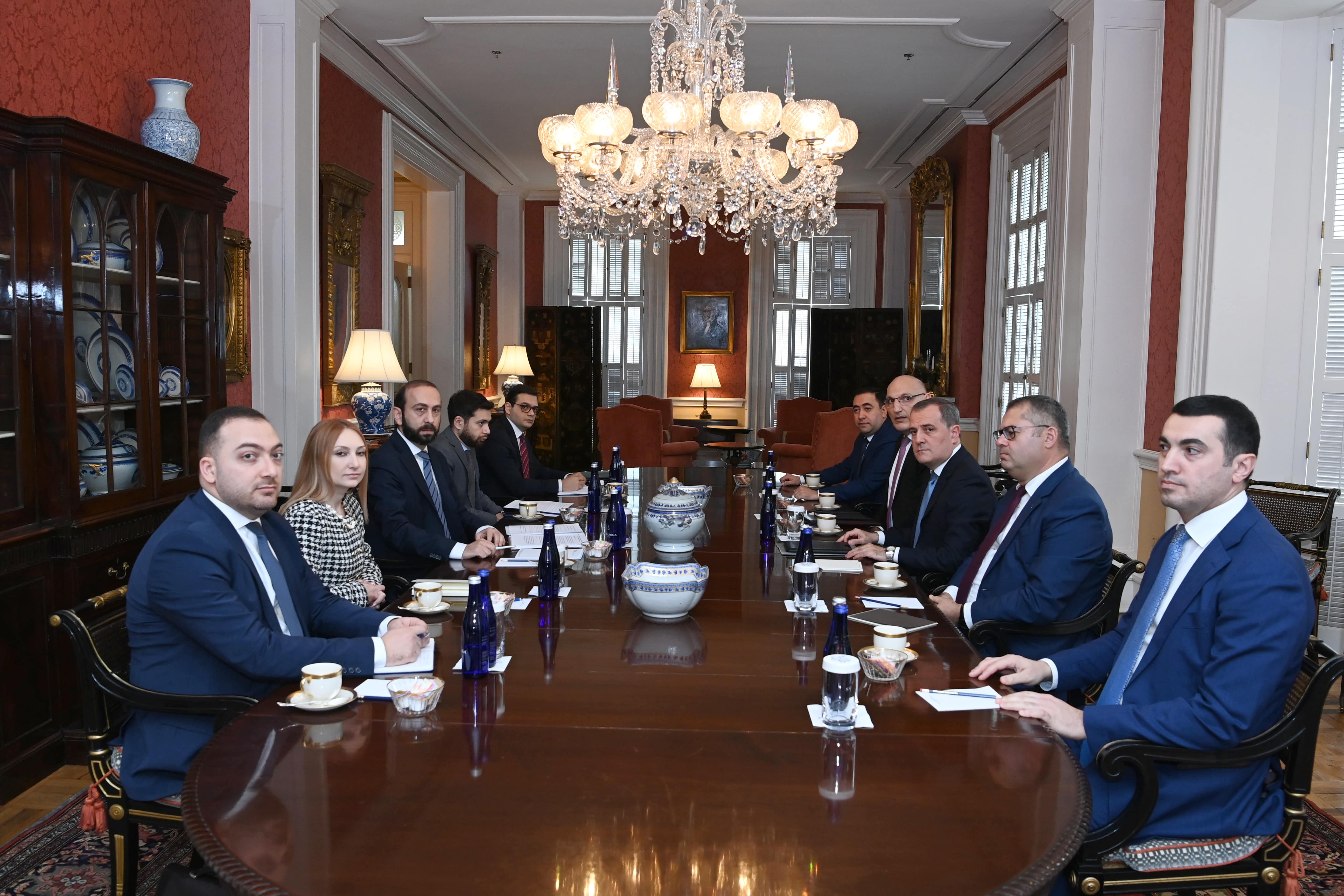
On November 7, Foreign Minister of Armenia Ararat Mirzoyan and Foreign Minister Jeyhun Bayramov of Azerbaijan met in Washington, DC. They first met together bilaterally, then with Assistant Secretary of State for European and Eurasian Affairs Karen Danfried, and then for over an hour with Secretary of State Antony Blinken. The meetings, as well as an official luncheon, took place in Blair House, the official guest house of the U.S. presidency across Pennsylvania Avenue from the White House.
This day of meetings was part of the continuing and intense international diplomacy to bring lasting peace and security to the South Caucasus following the September 2020 war between Armenia and Azerbaijan over Armenian-occupied areas of Azerbaijan.
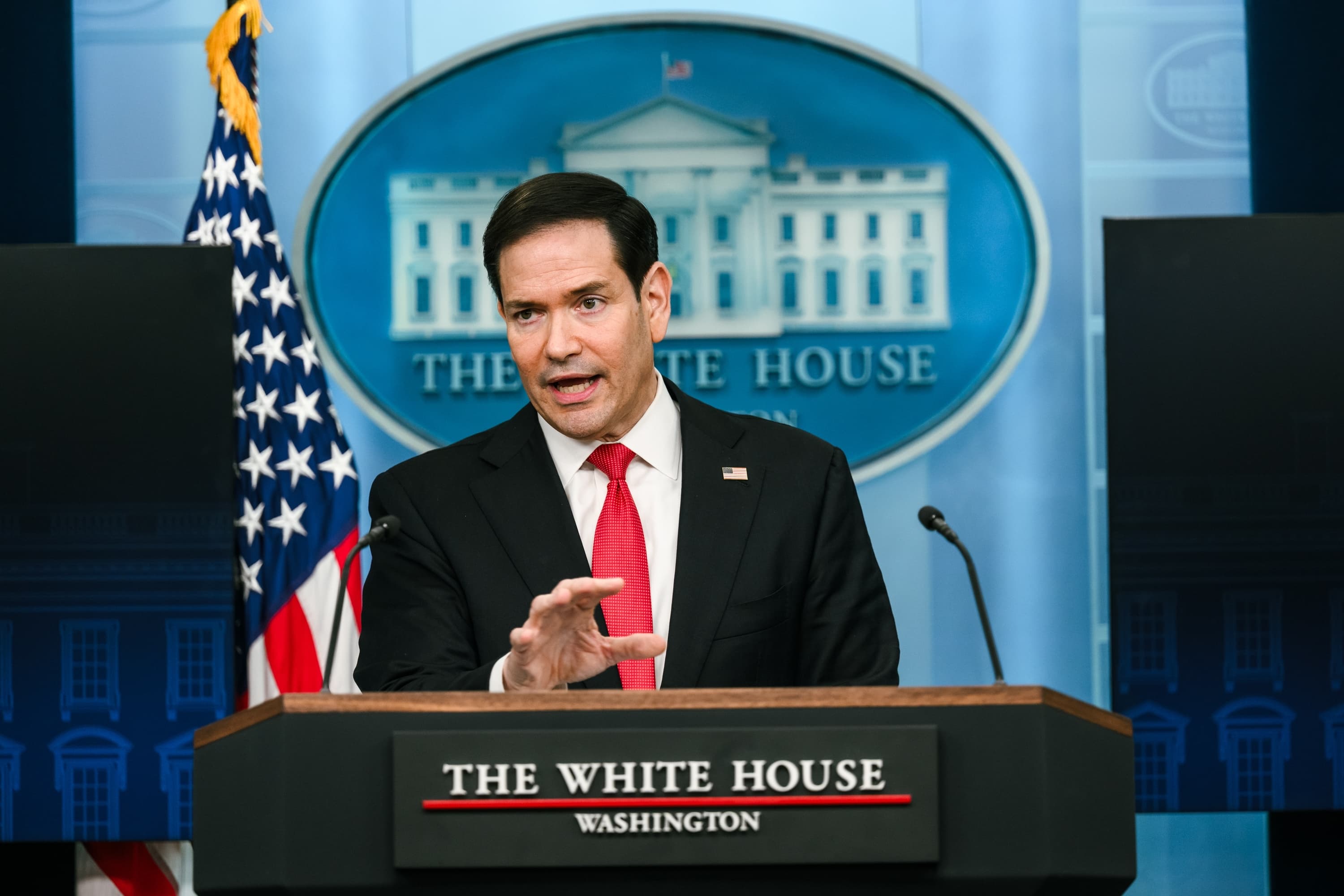
Secretary Blinken had previously met in September with the two foreign ministers in New York City on the margins of the UN General Assembly. He invited the foreign ministers to Washington to underscore U.S. support for the current peace effort.
The State Department was pleased to note that the November 7 meeting was “open, frank, and professional.” This Washington meeting followed by one week the meeting in Brussels of the deputy prime ministers of Armenia and Azerbaijan for continuing discussions of the bilateral Boarder Commission.
Why is the United States involved in seeking a solution to a regional conflict on the other side of the world? Secretary Blinken is persisting with these meetings because he sees a window of opportunity after three decades of damage, suffering, and death in the South Caucasus. The United States wants to help the people of this strategic region move forward to true peace and long-term prosperity.
It’s important to note that the United States is not acting unilaterally. Washington is in close contact with its European Union friends and colleagues. Further, the United States is not acting against any other nation in the region, neither Russia nor Iran. The United States is fully engaged to support the people and governments of the independent and sovereign nations of Armenia and Azerbaijan.
However, it is also important to note that outside mediators can only do so much. It is essential for the leaders themselves to choose peace and prosperity and to prepare their peoples for the inevitable compromises that will be necessary.