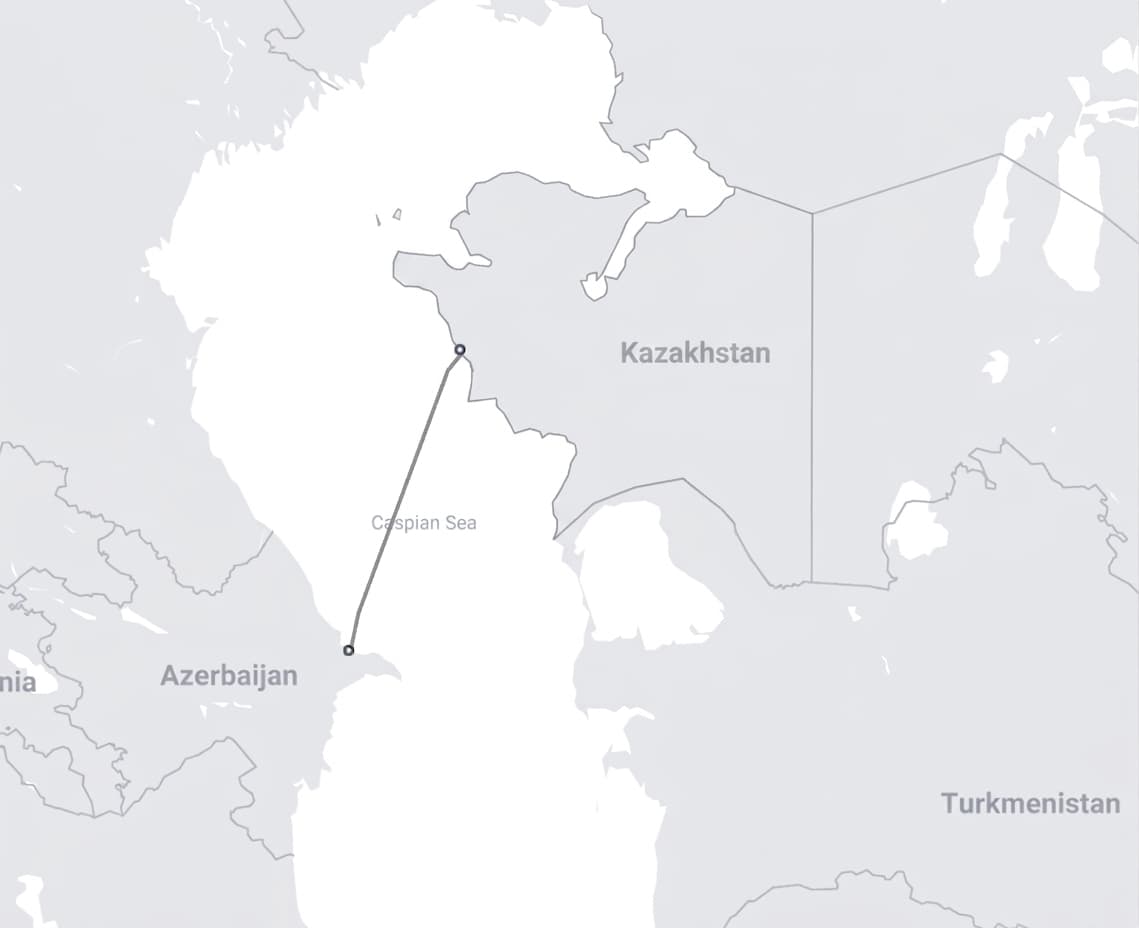
All Together Now: Middle Corridor Countries Unite
Recent Articles
Author: Dr. Eric Rudenshiold
09/30/2026
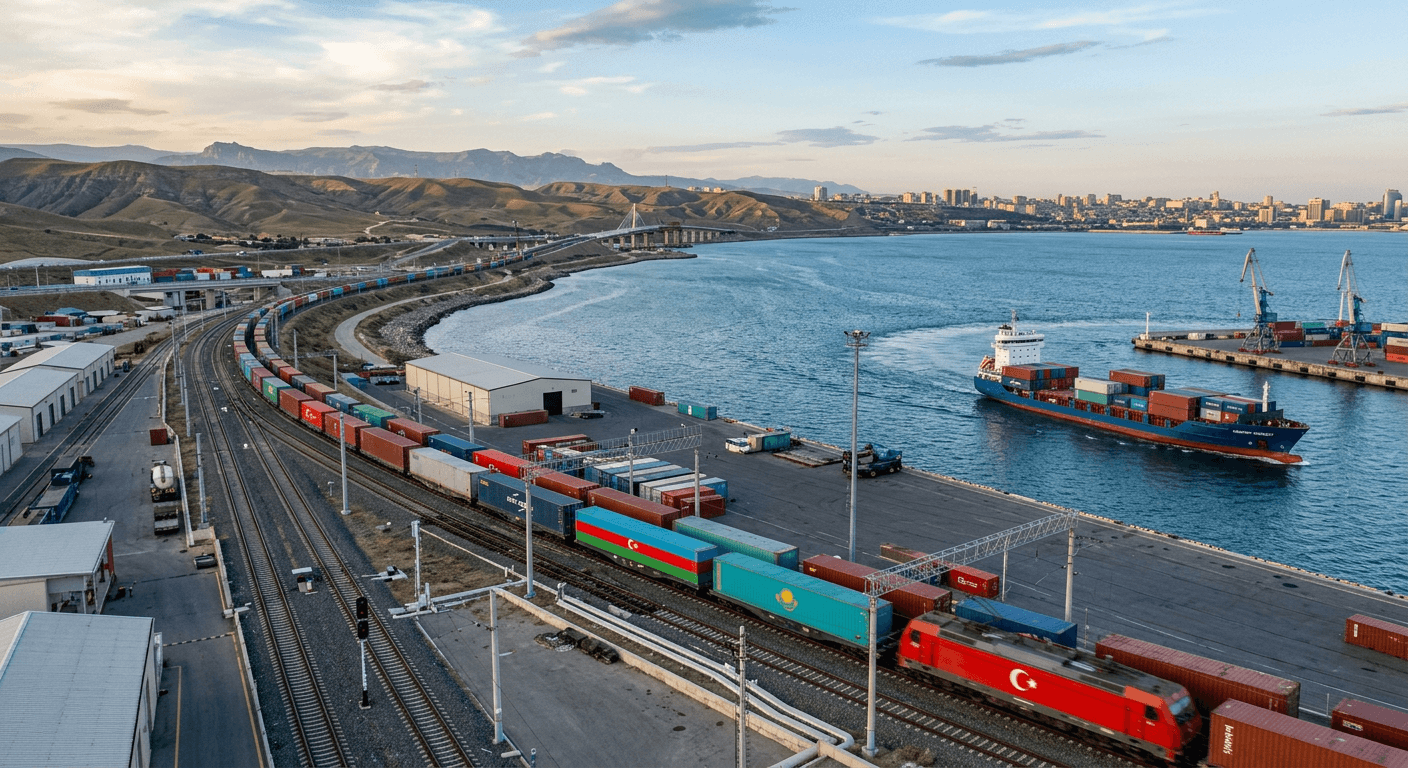
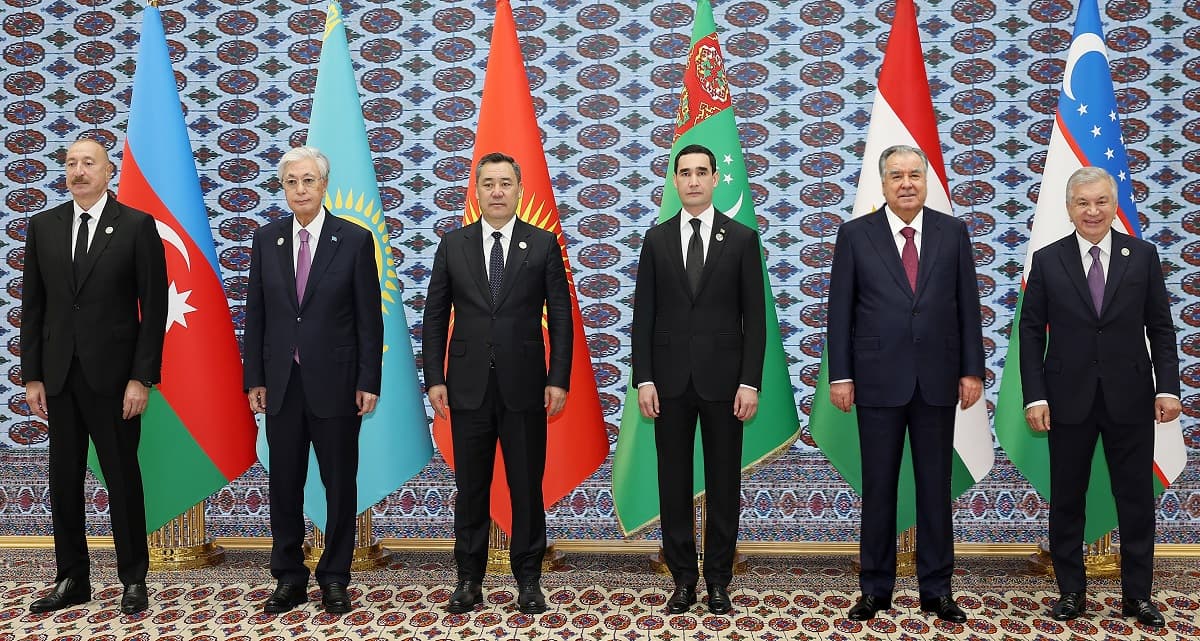
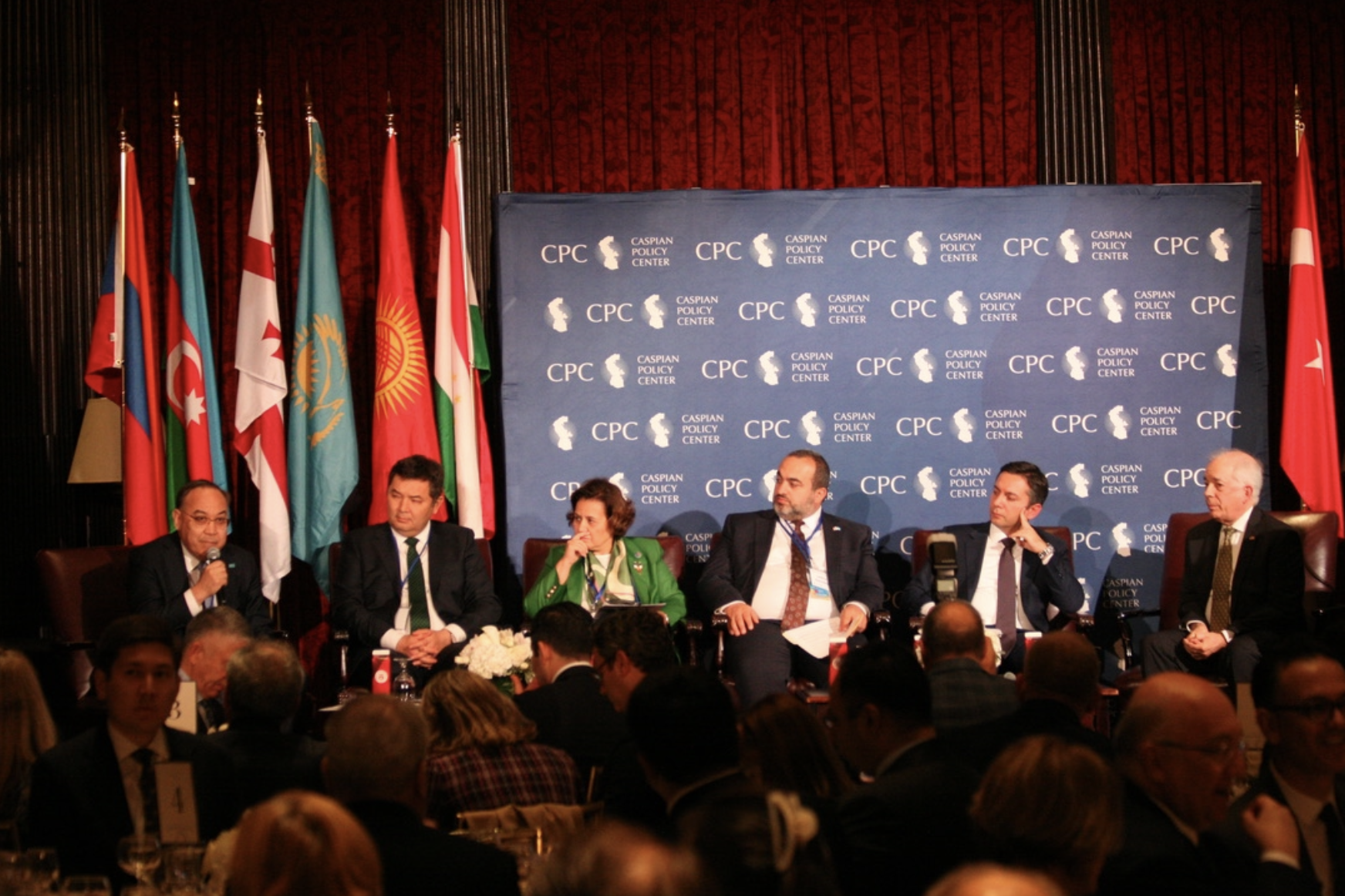
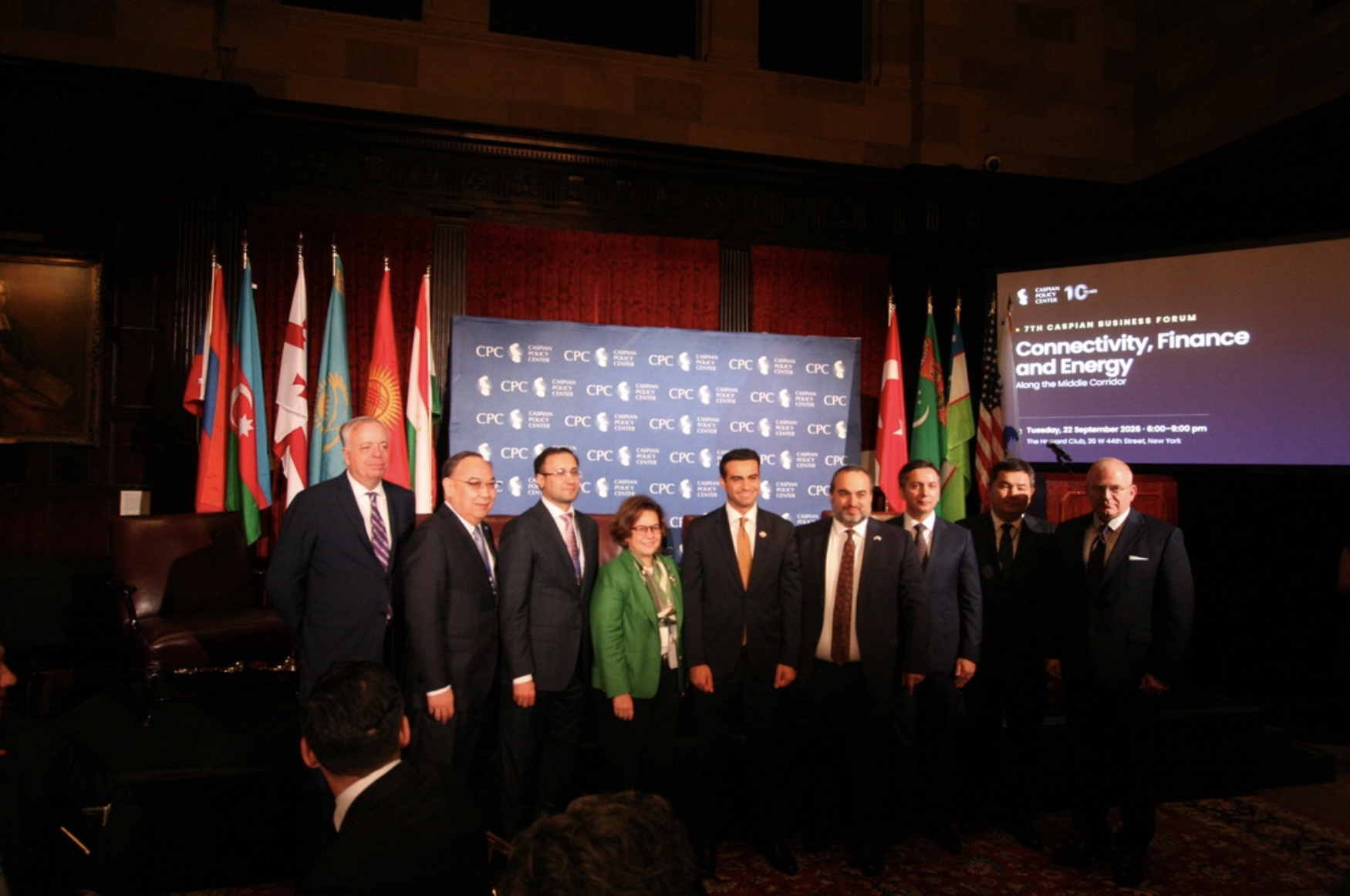
Something important happened at the Caspian Policy Center’s Seventh Caspian Business Forum in New York. It was not that ministers and senior officials from Kazakhstan, Kyrgyzstan, Azerbaijan, Georgia, and Türkiye gathered to discuss the Middle Corridor and the proposed Trump Route for International Peace and Prosperity (TRIPP). Surprising and significant was how their visions have aligned.
Reflecting the views of five different capitals, the officials described remarkably similar objectives: connect infrastructure, eliminate bottlenecks, harmonize border procedures, digitize trade, attract private investment, expand energy cooperation, and make the entire east-west route commercially competitive. They were, in essence, describing different pieces of the same project.
The Middle Corridor transformation is about more than individual railways, ports, or transit agreements. The war in Ukraine exposed the vulnerability of depending upon a single power, a single route, a single market, or a single political system. Across Central Asia and the South Caucasus, that realization is creating something the region has sought for decades—choice.
Sovereignty requires choice. A country might have a flag, a government, and a seat at the United Nations, but if it cannot choose its partners, markets, routes, technologies, and future, its sovereignty remains incomplete. Connectivity is changing that equation. The officials from the Trans-Caspian Region assembled in New York offered a remarkably consistent picture of how that change is occuring.
From National Infrastructure to Regional Connectivity
For Kazakhstan, the Middle Corridor is no longer simply a transportation project. Ambassador Erzhan Kazykhan, Representative of the President of Kazakhstan for Negotiations with the United States, described it as “strategic investment into our future” and a platform connecting Kazakhstan with the South Caucasus, Türkiye, and Europe. He emphasized that Kazakhstan has deliberately pursued multiple transportation and pipeline options since independence “in order not to depend on one transit line.”
Kazykhan made clear that he views TRIPP as “a logical extension of the Middle Corridor” and noted that the route could shorten Kazakhstan’s access to European markets by roughly 1,000 kilometers. Kazakhstan has already invested about $35 billion in domestic infrastructure, he said, including railways, ports, airports, and logistics centers. However, he emphasized that Kazakhstan built its segment of the corridor but that all the various pieces must work together.
Kazykhan identified three priorities: connecting infrastructure across the entire route, improving cross-border transportation, and mobilizing long-term investments. Kazakhstan, he added, is prepared to work with its neighbors on commercially viable projects, including potential participation in portions of TRIPP.
That same regional perspective came from Kyrgyzstan. Bakyt Sydykov, Kyrgyzstan's Minister of Economy and Commerce, made perhaps the clearest distinction of the evening, “The Middle Corridor must become an economic corridor, not only a transit corridor.” For a landlocked country like Kyrgyzstan, connectivity is not an abstract geopolitical concept. It directly affects competitiveness, the cost of doing business, investment, and access to global markets.
Sydykov argued that infrastructure alone is insufficient. Railways and highways must be connected to border crossings, logistics centers, warehouses, digital customs systems, and international transportation networks. “The objective should not simply be to build separate national infrastructure projects,” he said. “Our objective should be to build an integrated regional logistics system.”
That shift is an important evolution in Bishkek’s thinking, as well as its neighbors’. The Minister noted that the China-Kyrgyzstan-Uzbekistan railway, TRIPP, the Trans-Caspian route, and other corridors need not compete with one another but should reinforce each other as part of a connected network.
The Software Matters as Much as the Steel
The same principle emerged from Azerbaijan. Yalchin Rafiyev, Azerbaijan's Deputy Foreign Minister, stressed that infrastructure remains fundamental, pointing to the development of the Port of Alat, the surrounding economic zone, railway and highway connections, and growing capacity. But he immediately added a qualification that echoed the other speakers: “The infrastructure, as my colleagues mentioned, is not enough.”
Borders must work better, customs should be digitized, and procedures need to be predictable, he said. Azerbaijan, Kazakhstan, and other countries are already working toward that objective through agreements and coordinated transit planning. The goal, he stressed, is to make the corridor function as one system rather than as a collection of national segments.
This was perhaps most evident in the comments Kazykhan made when discussing the expectations of transportation companies. They want, he said, a “one-window approach.” They want to be able to follow their commodities digitally. “We need to build a digital bridge, a linked transit and digital system,” he said. That phrase captures an important reality about modern connectivity.
The Middle Corridor is not simply steel, concrete, and ships: it is also data. A container that crosses six borders efficiently is worth more to a business than a container that moves quickly for 500 miles and then sits for three or more days at a customs checkpoint.
Georgia: From Transit Point to Co-creator
Georgia's Lasha Darsalia, Deputy Foreign Minister, placed the Middle Corridor in an even broader context. He described the route as “not simply an alternative trade route, but also an essential component of the future Eurasian connectivity.” Georgia's objective, he said, is to connect markets, infrastructure, energy, and people while contributing to a faster, safer, and more sustainable regional system.
He emphasized that the countries involved are prepared to act “not just as transit points but also as partners and co-creators of the future.” That is precisely the tectonic change taking place across the entire region. For decades, Central Asia and South Caucasus states were frequently described as being located between larger economic powers. Their geography and its attendant infrastructure were issues to be managed, often by other countries. Now, these countries are attempting to turn their geography into leverage.
Türkiye Sees a Network, Not a Corridor
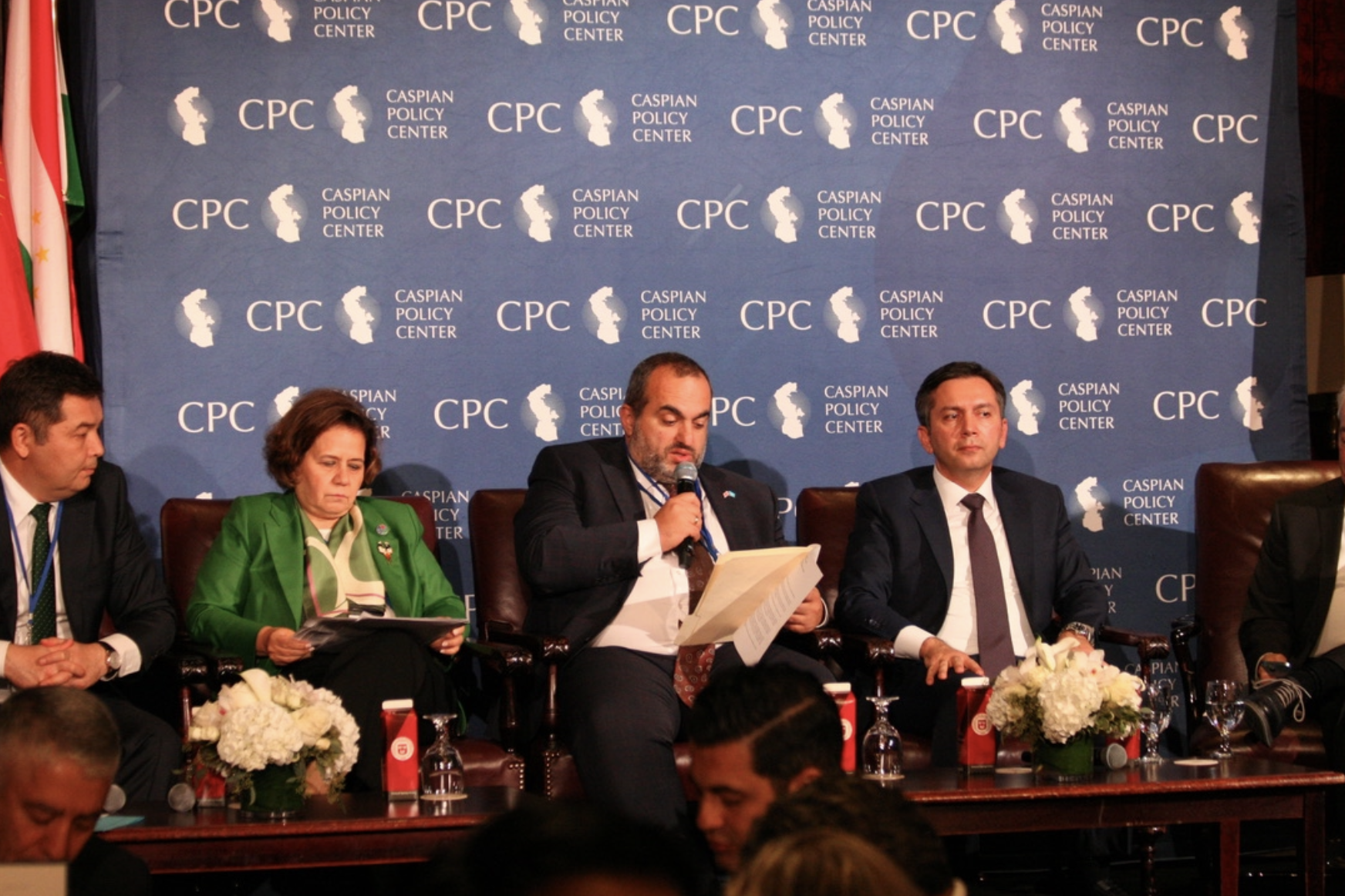
Türkiye's Deputy Foreign Minister Berris Ekinci extended this shared concept still further. Connectivity, she argued, “should no longer be understood simply as a network of roads, railways, and ports.” It is becoming “a broader architecture, bringing together transport, energy, digital infrastructure, logistics, finance, custom,s and regulatory coordination.” That was essentially the same message delivered by all the other speakers from across the region.
Ekinci emphasized that TRIPP should not be viewed as a separate or competing corridor. Its value lies in how it connects with existing regional infrastructure, including Türkiye's rail, road, and port networks. “The objective is not simply to establish another corridor,” she said, “but to build a genuinely interconnected regional system in which different initiatives strengthen one another.” That could well be the clearest description yet of where the Middle Corridor is heading.
The Differences are Becoming Complementary
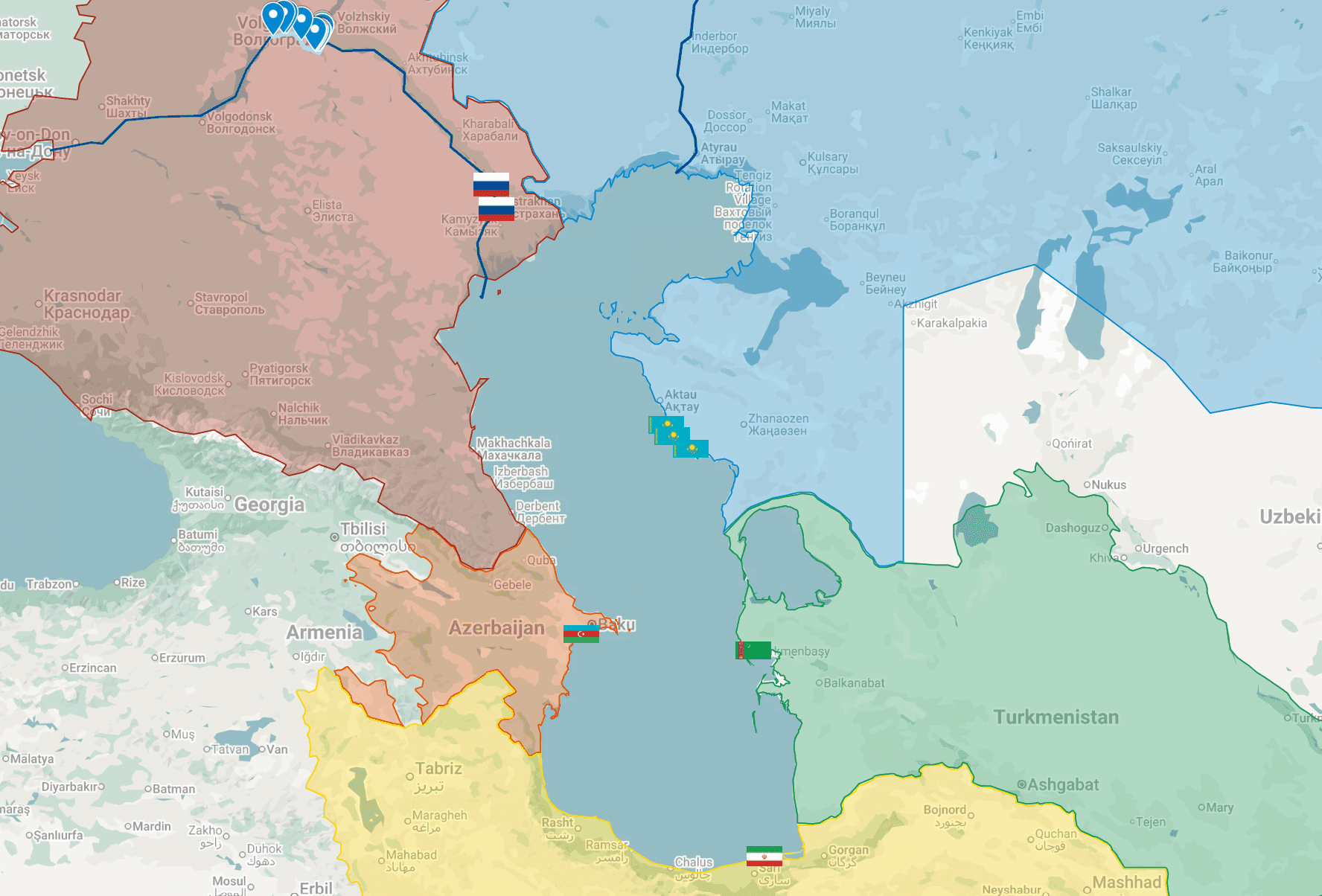
The five countries do not face identical challenges. Kazakhstan is concerned about creating seamless east-west transportation and digital tracking. Kyrgyzstan needs access, lower transaction costs, and greater investment. Azerbaijan must manage increasing volumes arriving at its Caspian ports and move them efficiently westward.
Georgia must maintain its role as a critical Black Sea gateway. Türkiye must integrate the emerging network into an already extensive transportation and energy system. Yet when asked to identify the biggest obstacles, the representatives’ answers again converged. Kazakhstan emphasized physical and digital integration. Kyrgyzstan pointed to “software infrastructure” or the procedures and systems that make a corridor seamless.
Azerbaijan highlighted external instability. Georgia warned that geopolitical actors could oppose the region's growing connectivity and argued that the current “window of opportunity” should be used before it closes. Türkiye emphasized regulatory harmonization and coordination. These are not contradictory priorities. They are different parts of the same problem and the most important conclusion from the discussion.
From a Route on a Map to a Regional Economy
What we are witnessing across the South Caucasus and Central Asia is not the creation of a new region but the reawakening of an old one. For centuries, this was one of the world's great centers of commerce and civilization. Caravans, ships, ideas, technology, people, and cultures moved across these lands. Then empires hardened borders and redirected routes with decisions made elsewhere.
Now, the region is beginning to reverse that process. The Middle Corridor is not simply a new transportation route. It is an effort to create alternatives, to make dependence less necessary, and to secure meaningful sovereignty. But all of the region’s officials in New York made clear that the next stage will require something beyond government declarations.
It will require private capital, commercially viable projects, predictable regulations, efficient customs, digital systems, energy connections, logistics centers, and value-added industries. Most importantly, it will require the countries along the route to continue acting collectively. The five country representatives delivered five different speeches expressing the same vision—that connectivity creates opportunity. That degree of convergence is remarkable and highly significant.
The Middle Corridor is becoming less a collection of national projects and more a regional economic architecture. The TRIPP corridor can add another critical link. The China-Kyrgyzstan-Uzbekistan railway can also add another. New Caspian ports, fiber-optic connections, energy projects, and logistics hubs will add others.
The objective is not to create one route that replaces every other route. It is to create a network in which multiple routes reinforce one another. That is how resilience is built and how choice becomes real. The great powers might still compete for influence across Eurasia. But the countries of the region are increasingly demonstrating that they do not have to wait for the great powers to determine their future.
This region is not waiting for history; it is making it. The significance of the Middle Corridor is ultimately not the number of kilometers of railroad tracks constructed or the number of containers moved. It is whether a region that for generations was connected to the world largely on someone else's terms can now begin connecting itself on its own. For the first time in generations, the countries along this historic route increasingly appear to be building that choice together.