The Three Pillars of the UK-Azerbaijan Strategic Partnership


Author: James Sharp
11/18/2026 · 5 min read
When I was British Ambassador to Azerbaijan (2019-2022), I used to talk about what I called the three pillars of the bilateral relationship: government to government cooperation, trade and investment and education.
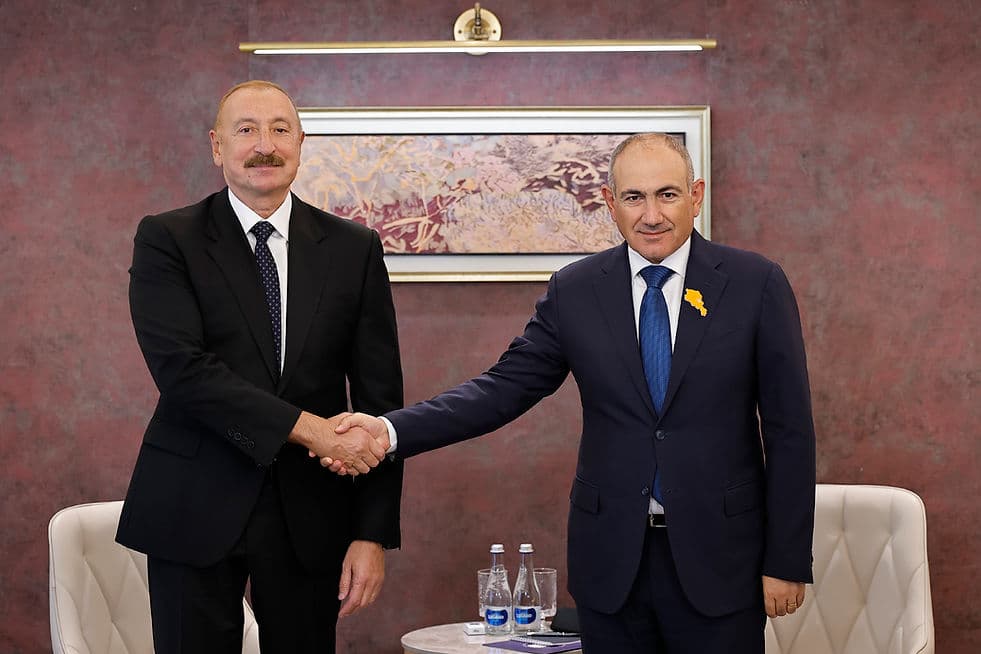
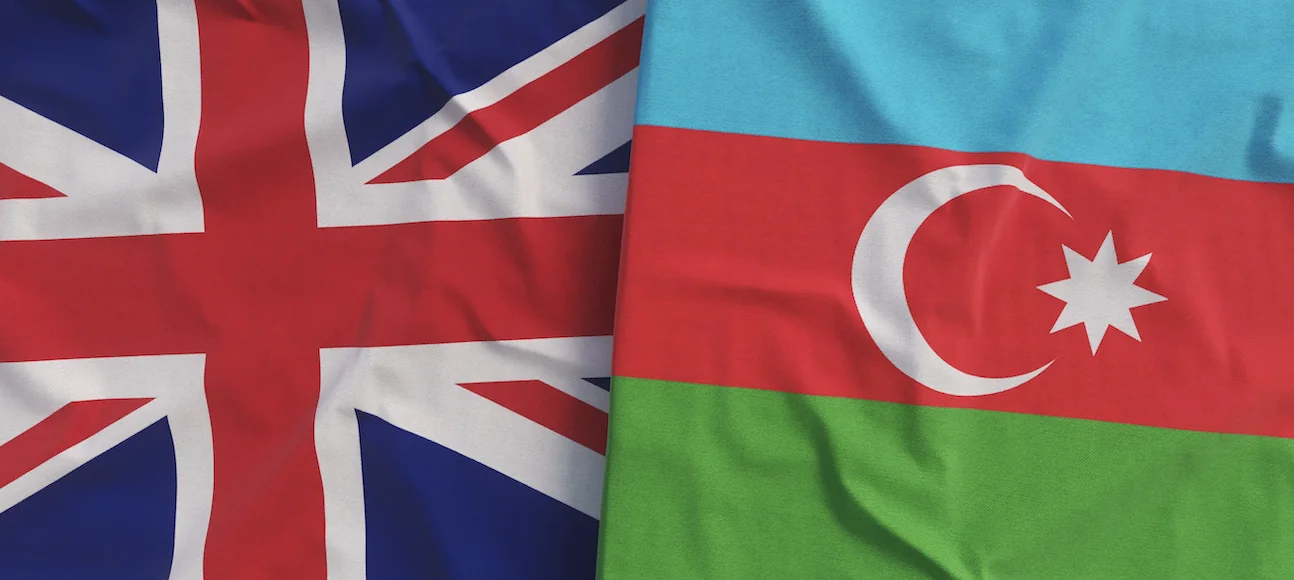
The Azerbaijan-UK Strategic Partnership document signed on 12 November by President Aliyev and British Prime Minister Andy Burnham on the margins of the European Political Community summit in Dublin reflects the three themes I coined, while updating them. Now the three priority areas are termed: Defense and Security; Trade, Investment and Economic Growth; and Education and Innovation.
It’s worth reflecting on these changes, which highlight new and forward-looking priorities for each side.
The Defense and Security moniker is striking. I always felt - and made the argument to London from the day of my arrival - that not having a Defense Attache atn the Embassy in Baku was a mistake. The 2020 Nagorno-Karabakh conflict simply reinforced my view. Now that the conflict is over and the UK has a Defense Attache an post, the opportunities for expanded cooperation have clearly increased. Training, capacity-building, and interoperability were always the main elements of defense cooperation. They can now receive a greater focus.
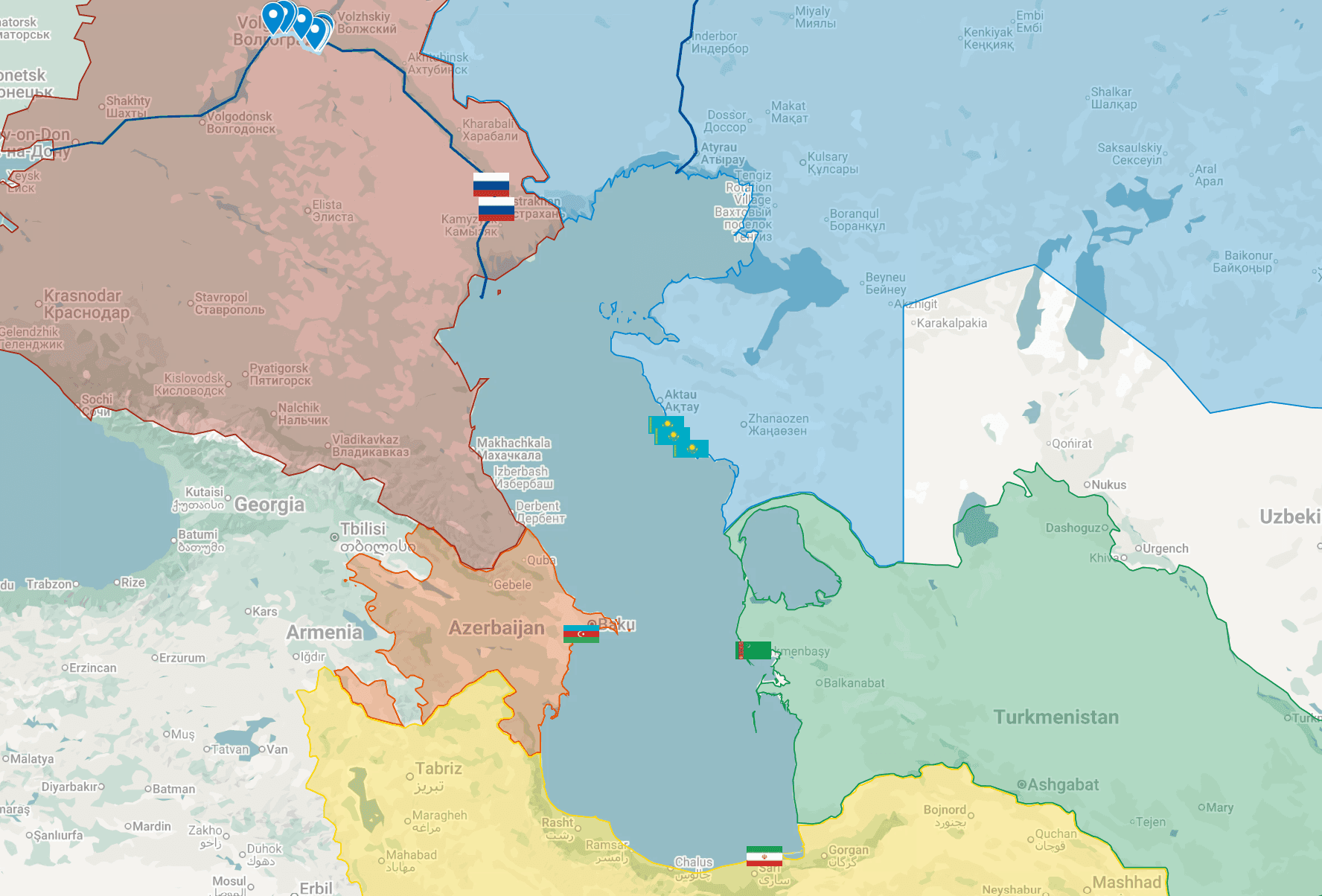
But the main new element is the agreement to explore opportunities for defense industry cooperation. Here, British participation in the recent ADEX (Azerbaijan International Defense Exhibition), at the level of both commercial companies and the British government, including at ministerial level, was a striking indication of the change in approach. No doubt, too, the reference in the text to border management (where the UK government has already been supporting Azerbaijan in tackling drugs smuggling) heralds an interest in the security of the Caspian Sea.
The mention of coordinating on regional and international issues is also worth noting. My view was always that - once Azerbaijan had recovered its territorial integrity - the government could and should engage more on wider international issues, rather than focusing only on its neighbors and Nagorno-Karabakh. Hosting COP29 was a welcome sign that the country wanted to play this broader role. Taken together with Azerbaijan’s skillful positioning of itself as an indispensable regional partner, this should provide the springboard for Azerbaijan’s Foreign Ministry and Embassies to engage more widely. The UK Foreign Office has significant experience and expertise and can be a useful partner for Azerbaijan, including in areas such as aid policy, where Azerbaijan is spreading its wings.
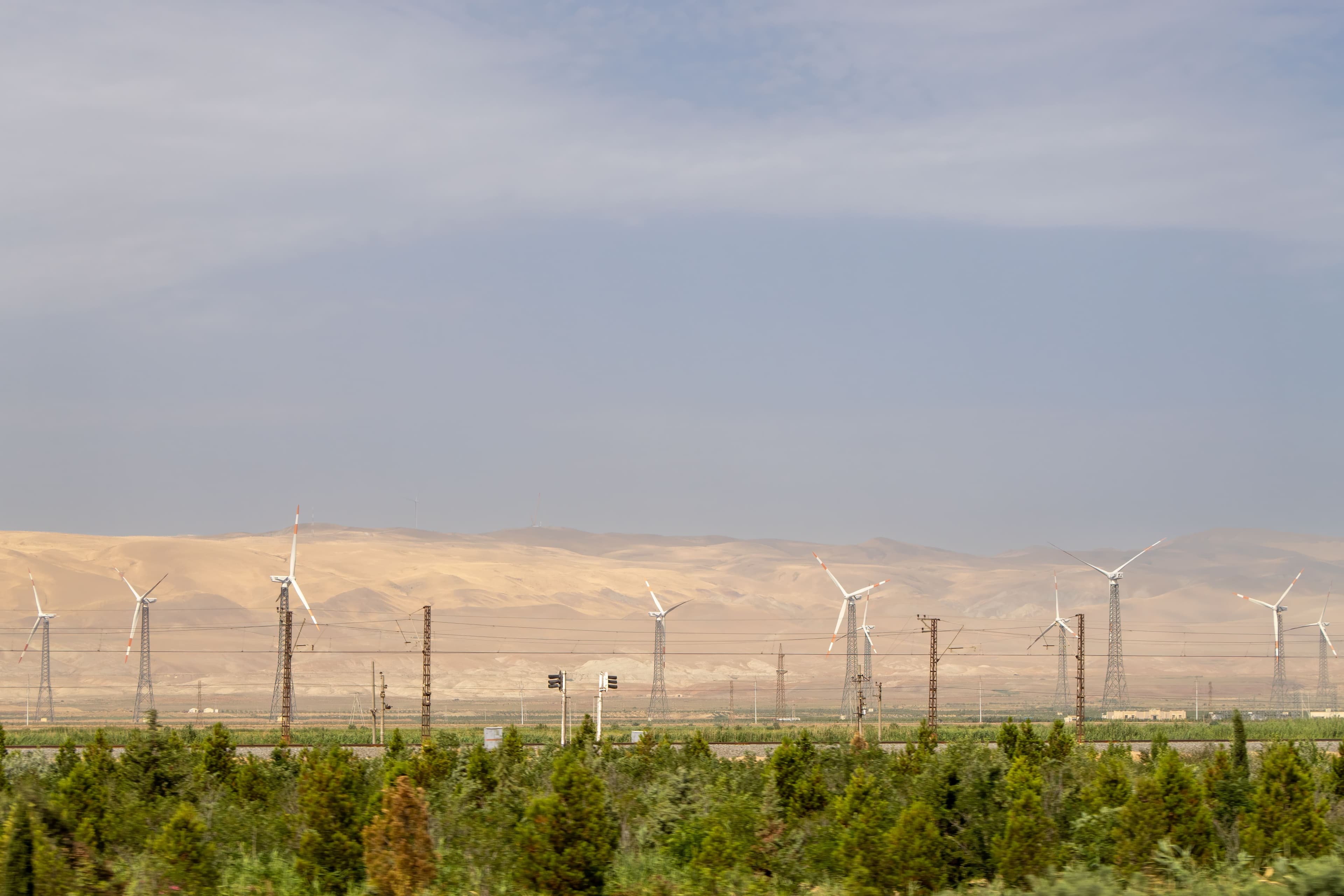
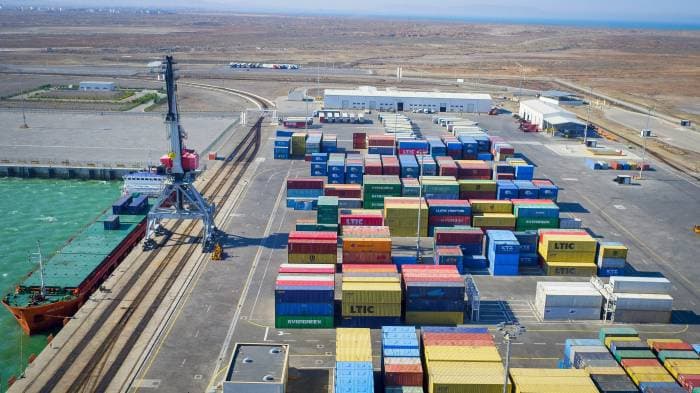
As regards the Trade, Investment, and Economic Growth section, it is striking that there is no reference to BP and the UK’s huge oil and gas investment in Azerbaijan. In truth, this change in approach happened during my time in Baku, when - in the run-up to COP26 hosted by the UK - the British government declared it would no longer support oil and gas investment overseas. This, of course, has led to the oddity of heralding the UK as the largest foreign investor in Azerbaijan at a time the UK government appears to be somewhat embarrassed about the nature of most of this investment. But the Strategic Partnership is clear that the future focus should be on renewable energy, where the UK has a wealth of experience. As it happens, I chaired a panel on green energy exports from Azerbaijan and Central Asia to Europe at the recent UK-Azerbaijan Policy Dialogue in London, an area in which Azerbaijan has big aspirations and British companies such as Xlinks have significant expertise.
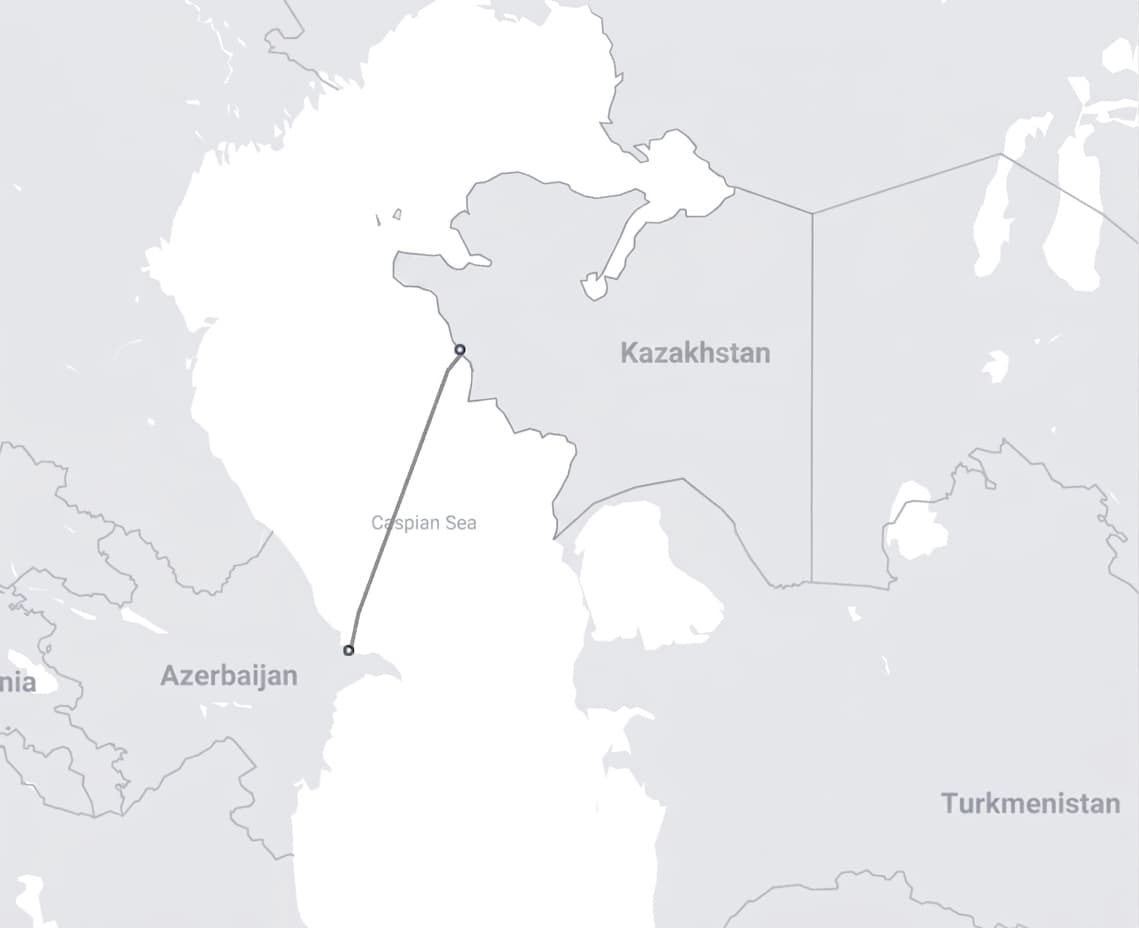
This issue of green energy exports to Europe also chimes well with the new themes of connectivity and the Middle Corridor referenced in the Strategic Partnership. The inclusion of financial and capital markets is another area where the UK has deep expertise and Azerbaijan wants to expand its horizons. The Azerbaijani government noticed the successful listing of Uzbekistan’s National Investment Fund on the London Stock Exchange earlier this year, and no doubt Minister of Economy Jabbarov will have been exploring options for Azerbaijan during his recent visit to London.
Education is a long-time staple of our people-to-people ties. For me, these links are crucial to the UK’s broader efforts in Azerbaijan. Education and the English language are not simply a commercial opportunity, but also a strategic approach to the future of Azerbaijan and its people. Hence, the importance of the resurrection of the state scholarship program (for which I claim some credit, having lobbied President Aliyev on the issue!), which has resulted in hundreds of additional young Azerbaijanis studying in the UK every year. The popularity of the UK is borne out by the fact that 60% of all state scholars have chosen the UK this year. Higher education links supporting the development of the university sector in Azerbaijan are also very much a feature of the relationship; the Strategic Partnership document points these efforts increasingly to future needs such as digital, innovation, and emerging technologies.
And so, what does this Strategic Partnership mean for the two sides? In my experience, the British government is traditionally fairly cautious, both in its approach towards Azerbaijan and in terms of signing these sorts of documents with other countries. The message from the Prime Minister’s office to the Foreign Office is always, “Tell us what the tangible benefits will be, and why this will not simply be a bureaucratic burden.. It seems to me clear that - if implemented fully - this Strategic Partnership document opens the door to a range of new opportunities for the UK. For the Foreign Office itself, language about the rule of law, supporting projects and programs, and a reference to civil societies will be important in giving the British Embassy the ability to provide assistance in areas such as promoting gender equality and demining.
For Azerbaijan, my sense is that signature of a Strategic Partnership with the UK is further confirmation of the success of the government’s policy in positioning Azerbaijan as an important regional player in this new world of multi-polarity and Middle Powers, where the Middle Corridor and a focus on both green energy and critical minerals have pulled attention towards the Greater Caspian region. It also highlights the areas that the government believes are crucial for the future success of the country and how the UK can support those goals.
Both countries stand to benefit from the partnership, and one can hope that - while the basics of the relationship remain the same - the tweaks and the focus on the future will enhance the relationship to mutual advantage.