Azerbaijan-Armenia Peace Process
Recent Articles
Author: James Sharp
10/13/2026
 The Armenian Report
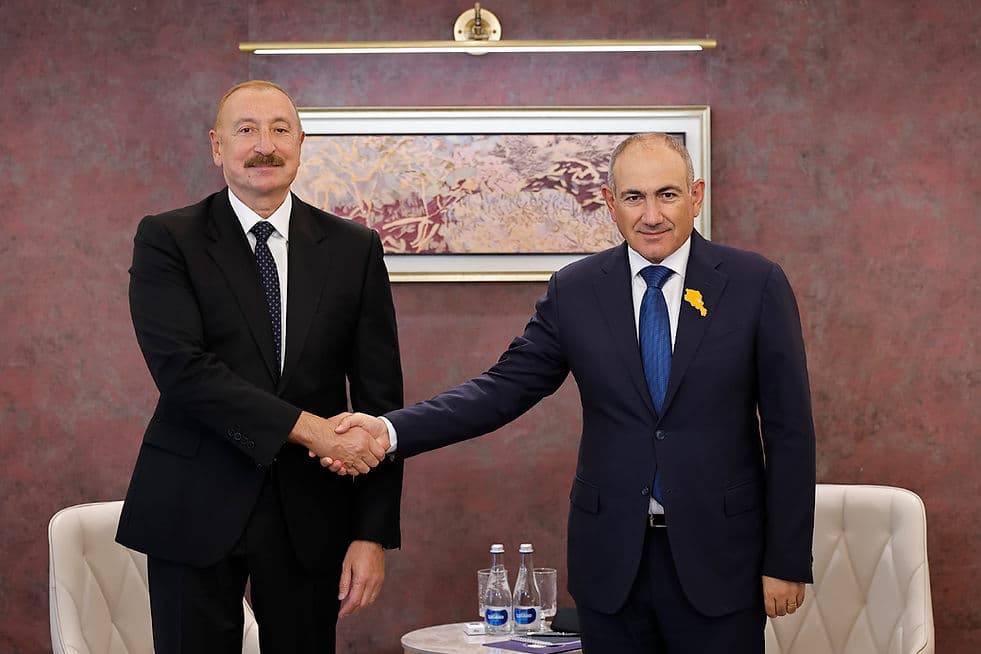
The meeting in New York on 23 September to discuss investment opportunities flowing from TRIPP (Trump Route for International Peace and Prosperity) and the role of the recently announced Trans-Caspian Enterprise Fund drew attention once again to the ongoing peace process between Azerbaijan and Armenia.
I also recently participated in a roundtable in London organised by the Royal United Services Institute (RUSI), which brought together participants from both countries as well as the UK and EU to explore the all of the issues.
To a large extent, the lack of prominence and reporting on Azerbaijan-Armenia in recent months is a good thing. Both governments remain fully committed to the peace process, there have been no serious border incidents for a long time, two-way trade has started, and an increasing number of Track-2 meetings are taking place, with reciprocal visits. Work on TRIPP itself - the link through Armenia between Azerbaijan and its Nakhchivan exclave - has been quietly going ahead, with U.S. engagement remaining strong. Despite the potential for malign Iranian influence, it’s expected that the underlying rail feasibility studies will be finalised by the end of this year, with groundbreaking taking place - and investment opportunities being published - in early 2027. Certainly, there are some tricky issues still to be addressed, such as wider regional connectivity, and the future of a road link, but it is increasingly clear that TRIPP and the peace process open up prospects for significant transformation of the region.
Of course, TRIPP is only one element of the process. The outstanding issue to be resolved before actual signature of the peace agreement initialled in Washington in August last year is Azerbaijan’s insistence on changes to the Armenian constitution to remove what Baku sees as an implicit territorial claim. For his part, Armenian Prime Minister Pashinyan does not accept the linkage, but is nevertheless committed to constitutional reform for wider reasons. It is currently expected that a new constitution will be published by the end of 2026, though two obstacles remain thereafter - the need for a two thirds majority vote in parliament to approve a referendum, and the referendum itself. At present there appears no clear path to success, and hopes seem to rest on a deus ex machina type of unexpected solution familiar from Greek drama. In practice, much will depend on Pashinyan’s political skills, and Baku has dialled down the rhetoric so as not to complicate his position, while still being firm about the need for a positive result.
Meanwhile, the joint border commission is quietly making progress, starting to delimit the border and looking to reach agreement soon on the maps to use. The question of the exclaves (four Azerbaijani, one Armenian) will need to be resolved as part of this process, either via return or (more practically) a land swap.
Other elements of the peace process include:
Issues which depend on treaty signature, namely a ban on foreign forces located on the mutual border (which essentially reflects Baku’s concern about the EU mission on the Armenian side of the border), and the withdrawal of international legal cases against each other
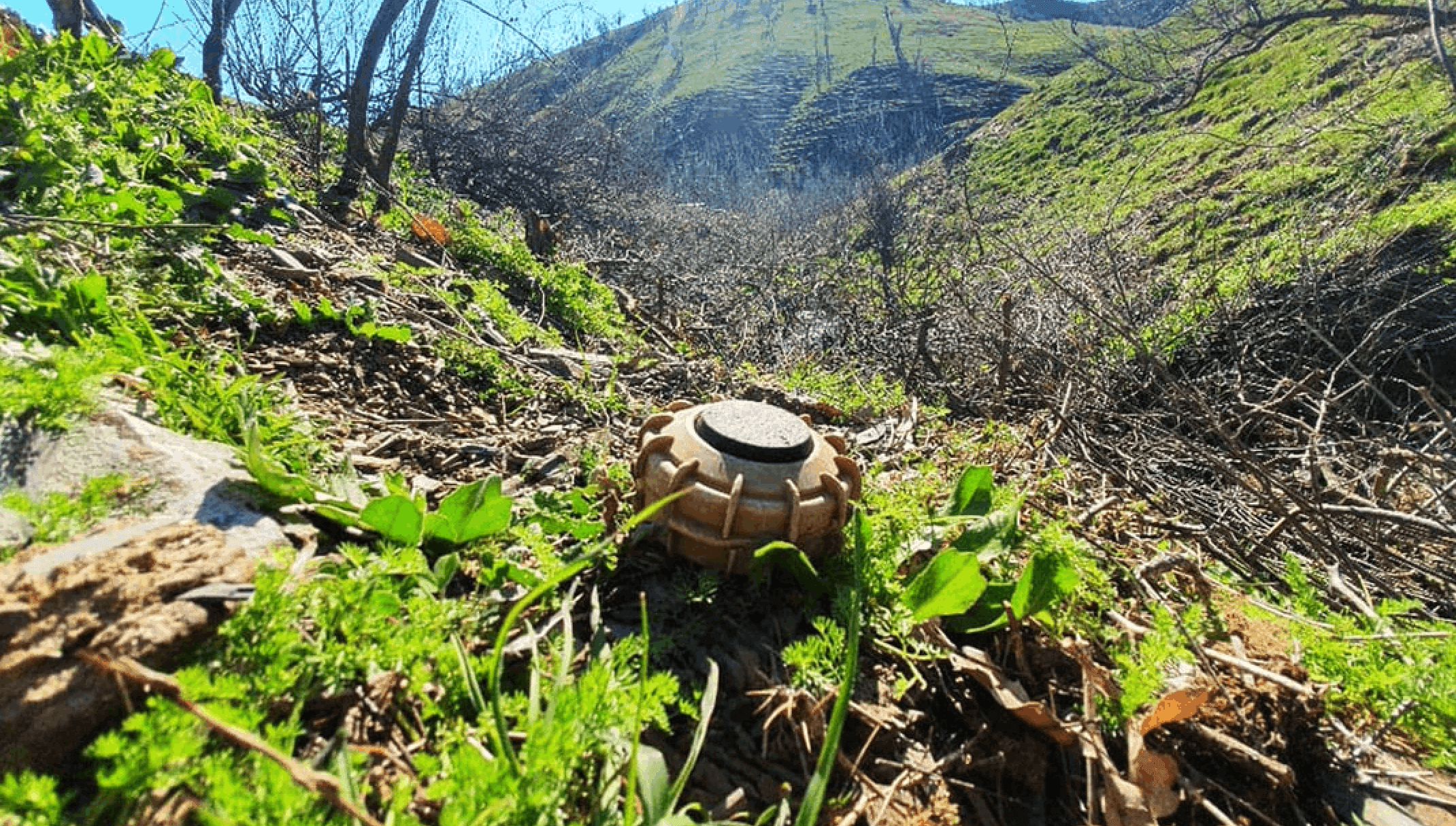
Issues which are not part of the process, but are nevertheless important as legacies of the conflict. These include the dialogue on missing persons, and demining support in Azerbaijan.
Issues which - if I’m honest - both governments are trying to set to one side, at least for the time being, such as the Armenian prisoners in Baku, and the possibilities for the return of Armenians to Karabakh (on which Baku has made an implicit mirror link to the return of Azerbaijanis to Armenia).
And then there are issues which - while not part of the process - can easily inflame tensions and set back normalisation. Questions of culture and heritage are always sensitive, and are at the heart of disagreements in many processes of normalisation and reconciliation, as was seen recently in Northern Ireland where permission - almost thirty years after the peace agreement - for a small group of Protestants to hold a short traditional parade in a Catholic area caused strong protests and the blocking of the road by local residents.
Hence the recent talk in Azerbaijan about Albanian Christianity in the Caucasus, and in particular its attribution to monasteries in Karabakh that the Armenians claim as their own, has caused a storm of protest in Armenia. Cultural arguments will need to be addressed at some stage, and it feels important that politicians should create space for this, and try to avoid derailing the current peace process.
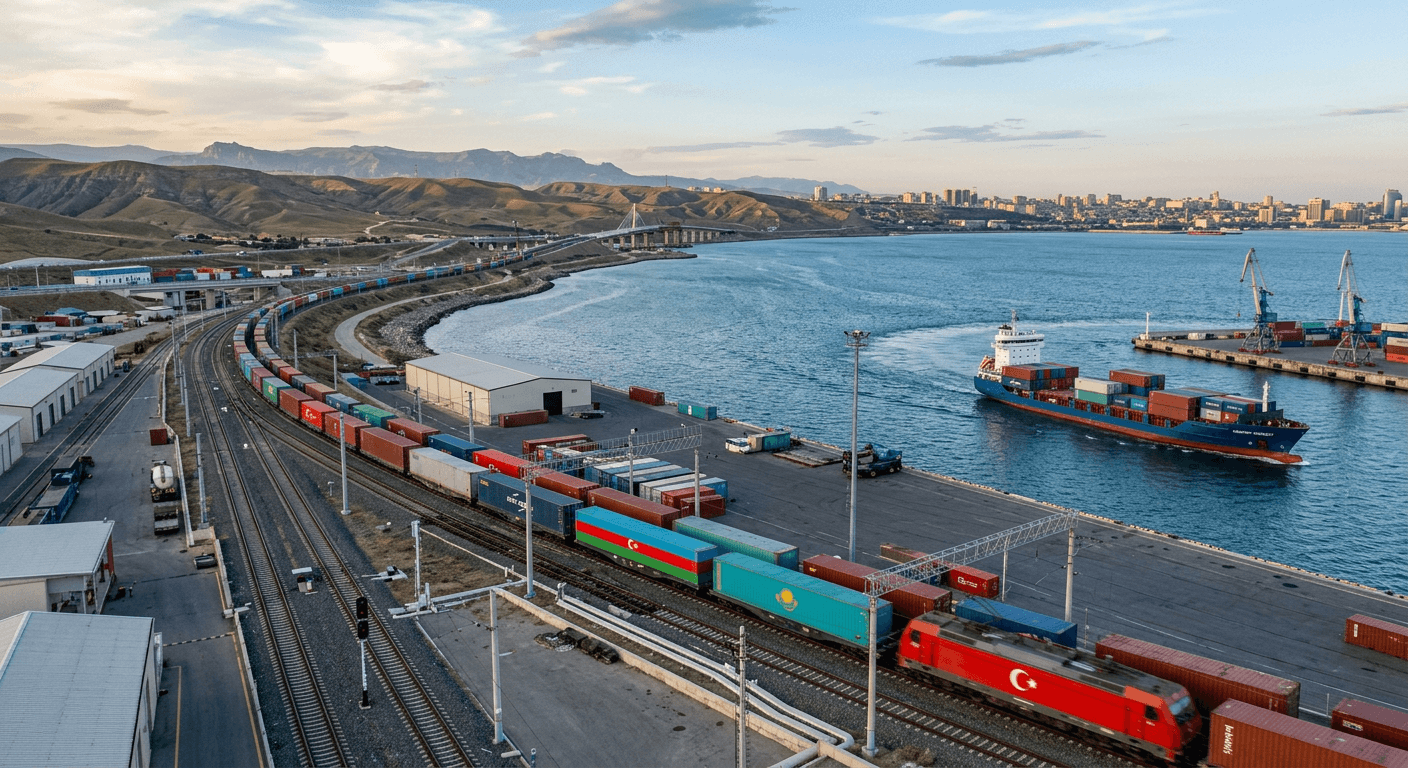
Despite this flare up, it seems clear that both governments are committed to the peace deal. For Baku, while they remain wary about any future Armenian position, there is no appetite in wider society for further conflict now that Azerbaijan has reclaimed its territories. The government is instead focused on the broader issues that peace brings, such as Azerbaijan’s role in the Middle Corridor and its links with the Central Asian states, as a way of promoting economic reform and growth, while cementing Azerbaijan’s role as an indispensable and reliable regional partner. Moreover, the personal relationship with US President Trump is a key reason to remain committed to the peace deal.
Pashinyan, of course, faces a very different, much more divided domestic scene - unsurprisingly given the trauma of defeat and loss - and complicated by arguments over the relationship with Russia and by the views of the diaspora. But, while Baku feels they can afford to wait, and - ultimately - continue without a signed peace agreement, the prize from a signed deal is probably greater for Armenia: peace not only with Azerbaijan, but also the opening of borders with Turkey and becoming part of the Middle Corridor developments.
Hence much rests on how Pashinyan tackles these challenges. At present, there are probably more questions than answers. Is the downturn in democratic rights, and the arrest of opposition figures, simply a device to secure passage of the referendum, or a wider sign of growing intolerance? Can he successfully disengage from Russia without provoking a reaction (at the very least, EU investment in the Armenian railway system is hindered by the role of Russian Railways)? Is Armenia pushing hard to get closer to the EU a smart move right now if it causes greater Russian interference and disruption in the run up to a vote on the constitution?
One question often asked is whether Azerbaijan can be persuaded to sign the peace agreement without Armenian constitutional change, or implement its provisions - including opening the border between Armenia and Turkey - without a signed agreement. At present, the answer is a clear No. Certainly, many countries have unresolved issues but still manage to have productive relations - Japan and Russia have never signed a formal peace treaty, for example. And there are plenty of issues that can be resolved without a peace agreement. Dealing with these issues can in itself support the normalisation process, whereby contacts and peace become routine. But - as noted - there are risks in no deal, mainly for Armenia. And - given Azerbaijani wariness - it seems highly unlikely they would sign without their main precondition being met. In any case, this is all highly speculative, and it seems clear that the focus right now needs to be on how to meet the conditions to allow signature.
Beyond that, of course, is a long-term process: a peace agreement isn’t the same as peace, it’s simply a “necessary but insufficient” condition. Long term peace is established through years of dialogue and cooperation. Hence it’s important to identify the areas where cooperation can be established, whether bilateral, or regionally with Georgia, or engaging together with the Central Asians on the Middle Corridor and the role of TRIPP. This is at the government level, a top-down approach; at least as importantly, the process needs to develop a strong bottom-up element too, involving contacts at the personal level.
The US role in keeping the process on track and moving forward is clear, expressed through Donald Trump’s engagement, TRIPP and the commercial elements linked to this. The EU role in the process is perhaps less visible, and is linked to wider infrastructure development (while bearing in mind the caveat above about Russian Railways) and support for Track 2 interaction. Meanwhile, the EU role in supporting Armenia and Pashinyan in the face of Russian mischief making and an Armenian desire to get closer to the EU is very clear, including a recent announcement about making most Armenian exports to the EU tariff-free.
I’m often asked what role the UK should play in supporting durable normalisation. The truth is that the UK probably doesn’t have the bandwidth to play a leading role in the process, but certainly there are a number of niche opportunities. For example, most recently, the Foreign Office funded a dialogue between groups of previous UK government-funded scholars (Chevening scholarships) from the region. Equally, the British Council - with its emphasis on encouraging people-to-people links through English, education and culture - should have a valuable role in organising joint events.
Border delimitation support (Durham University has a International Borders Research Unit), infrastructure support through the UK Export Finance credit agency, the role of London as a financial centre, demining support for Azerbaijan are all opportunities. And perhaps the experience of a bottom-up peace process in Northern Ireland might provide insights on how to promote confidence building measures and community reconciliation (while recognising as per the example above that it takes time and can be fragile).
But one thing that - in my view - the UK and EU need to do is to take a more regional approach to the Azerbaijan-Armenia peace process. That means finding a way to involve Georgia, where Europe has painted itself into a corner with its sanctions-based approach to Georgian Dream, and to think how to link the peace process more closely into the Middle Corridor and ties to Central Asian states.
As it happens, there is a Track-1.5 UK-Azerbaijan policy dialogue due to take place on 3 November, at which I’m hopeful these issues can be explored further. The opportunities are there for significant regional changes; it’s up to all of us to take them.