Government Family Allowance Programs in Central Asia


Author: Dante Schulz
07/07/2020 · 3 min read
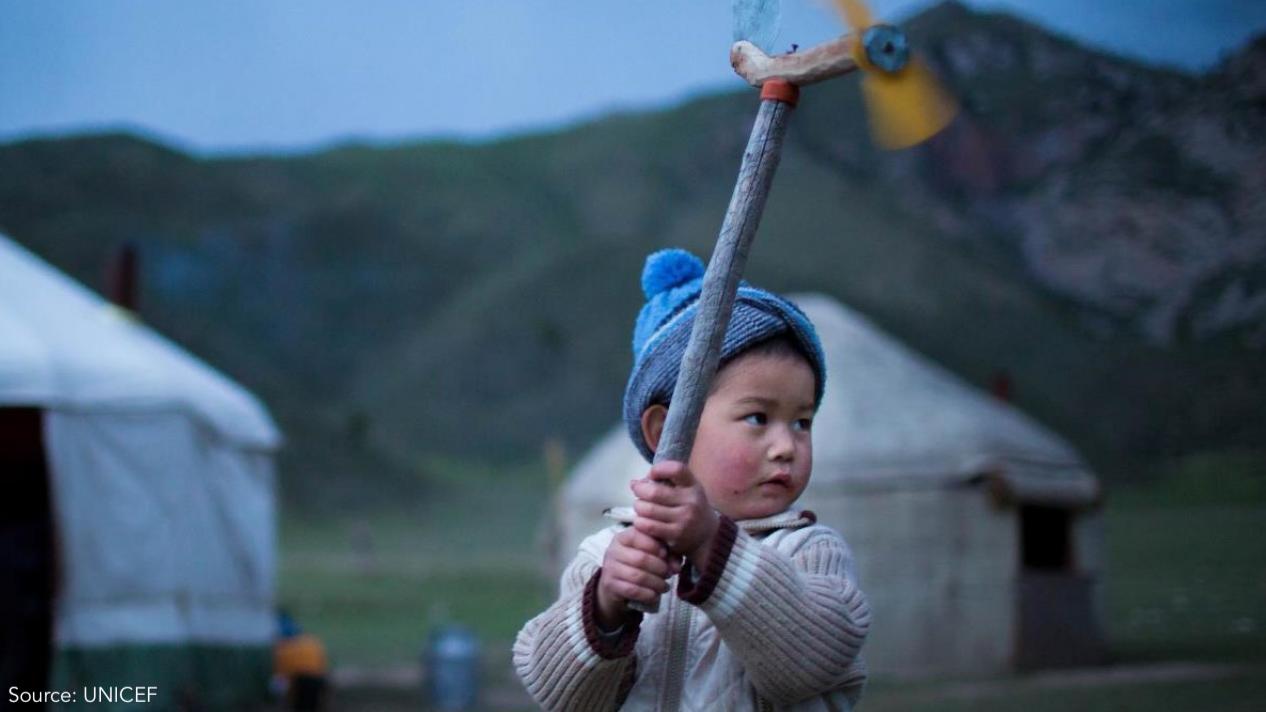
Government programs to assist families in the Central Asian countries are politically important. In Kazakhstan, the easing of coronavirus restrictions is accompanied by renewed calls by “silent protestors,” demanding an increase in government-sponsored family allowances. On June 9, about 20 women camped outside the Ministry of Labor and Social Support, holding signs that called for greater support for poor families. The protests in Kazakhstan first began following a February 2019 fire that left five children in a single-family dead at home while their parents worked. Public health restrictions imposed in early March to combat the spread of COVID-19 halted the protests, but as those restrictions are slowly lifted, protesters are renewing calls for a return of the benefits to their pre-January cuts level and that additional benefits be forthcoming to families with more than three children.
Roughly a week after the then-President Nursultan Nazarbayev dismissed the government in February 2019 over its failure to improve the living conditions for low-income families, he introduced a multi-billion dollar spending package that encompassed social welfare programs, state salaries, and funding for the construction of new housing to support large and struggling Kazakhstani families, with large families defined as those constituting four or more cohabitating children under 18. Under that initiative, Kazakhstanis earning less than $55 a month qualify for government assistance. Furthermore, families also receive $38 per month if they have children under the age of one and receive additional funds for subsequent children. In addition to the benefits provided by the new initiative, Kazakhstani women who raise seven children are awarded national heroine status, allowing them to collect life-long benefits, including tax breaks and child support. However, without the added benefits from the initiative, providing for four or more children is costly. The average annual household income per capita in Kazakhstan is about $3,300, or around $273/month.
Other Central Asian countries have had similar state allowance programs to support struggling families. In April 2018, Kyrgyzstan amended its program to provide government relief to struggling families through the Monthly Benefit for Poor Families with Children (MBPF). Under the changes, Kyrgyz families with a monthly income of less than $13 are eligible to receive financial support. The program provides a one-time $59 allowance for each new child born, a monthly $7.35 allowance for every child under the age of three, and a monthly $10.20 allowance for each child in a family of more than two children. Expansion of the program was intended to reach over 40 percent of the country’s poorest families, more than double the coverage of the initial MBPF.
In July 2019, Uzbekistan, in coordination with the World Bank, launched a family allowances pilot program in the Syrdarya region. According to the initial analysis, 29 percent of the region’s population was eligible to receive support based on the designed income test. Uzbekistan was able to assess financial needs by drawing on the assistance of mahallas to get conclusive information on each community’s financial requirements.
As the COVID-19 pandemic continues, restrictions on public gatherings, business operations, and travel place further strains on already-struggling families as well as on the region’s economies. It is imperative that existing government programs are equipped to support the most vulnerable, and that governments in Central Asia act as necessary to address their populations’ financial burdens.