It's Time for Washington to Embrace the C6+1

Author: Luke Coffey
10/30/2026
 Department of State
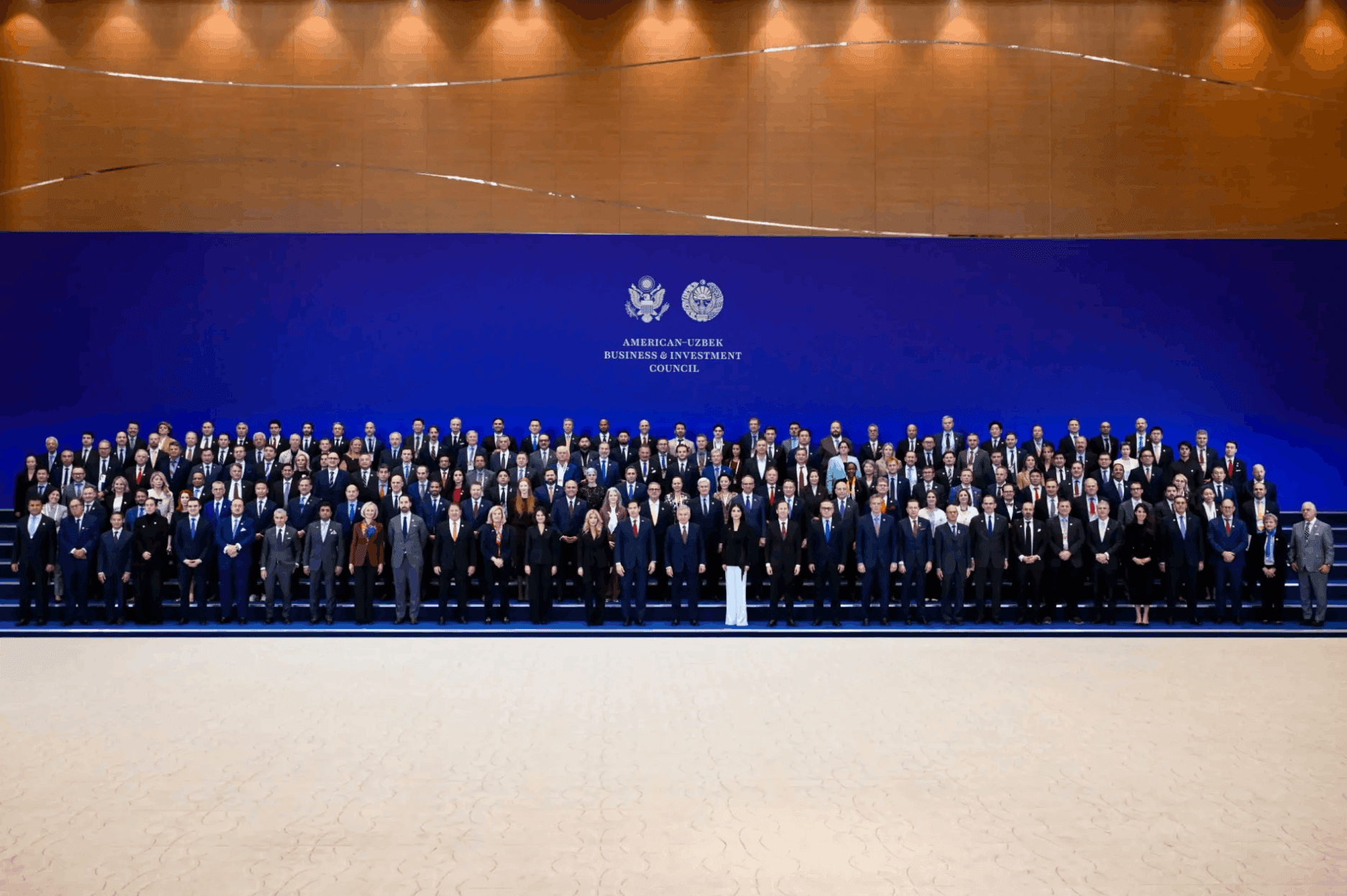
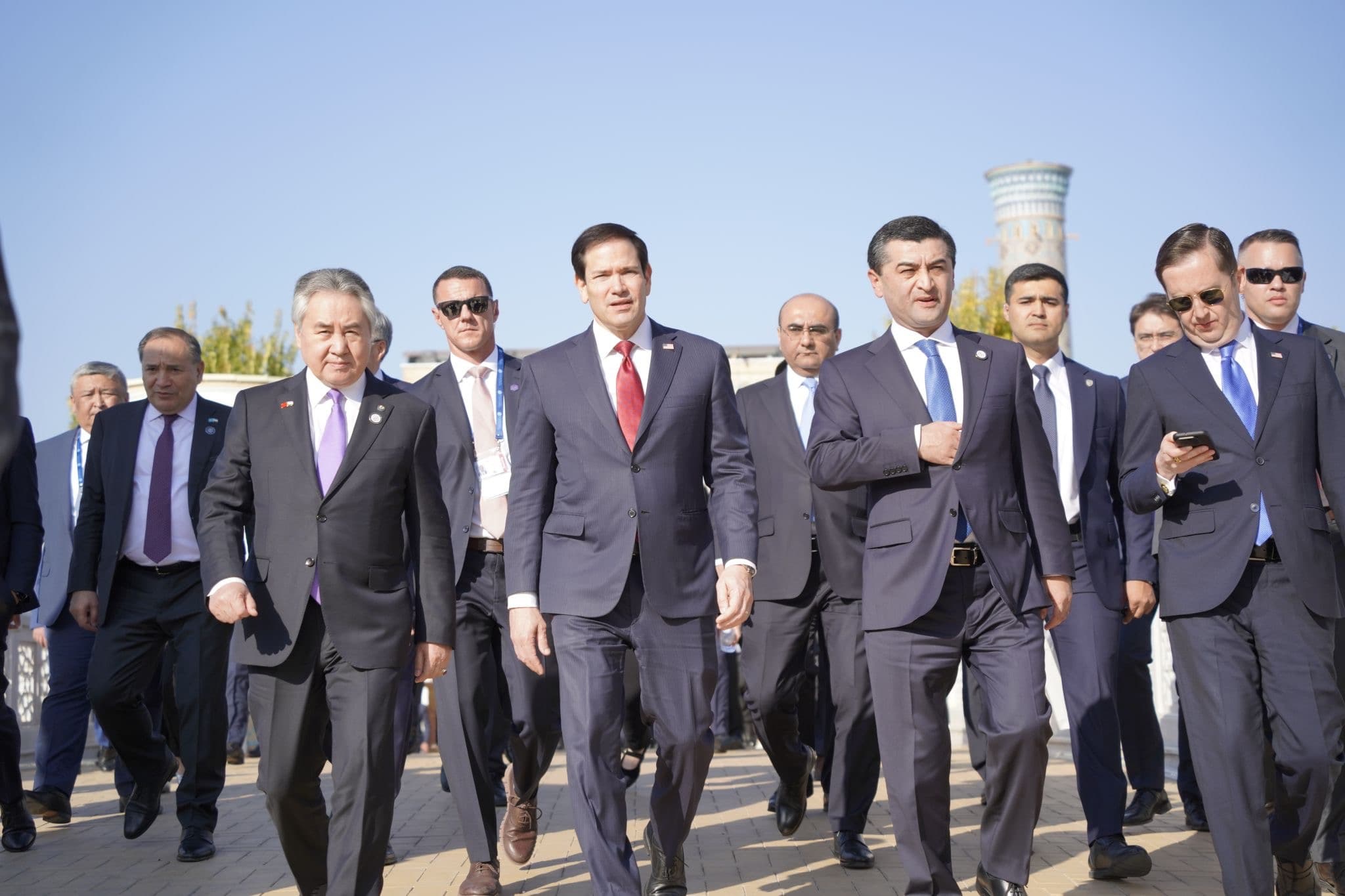
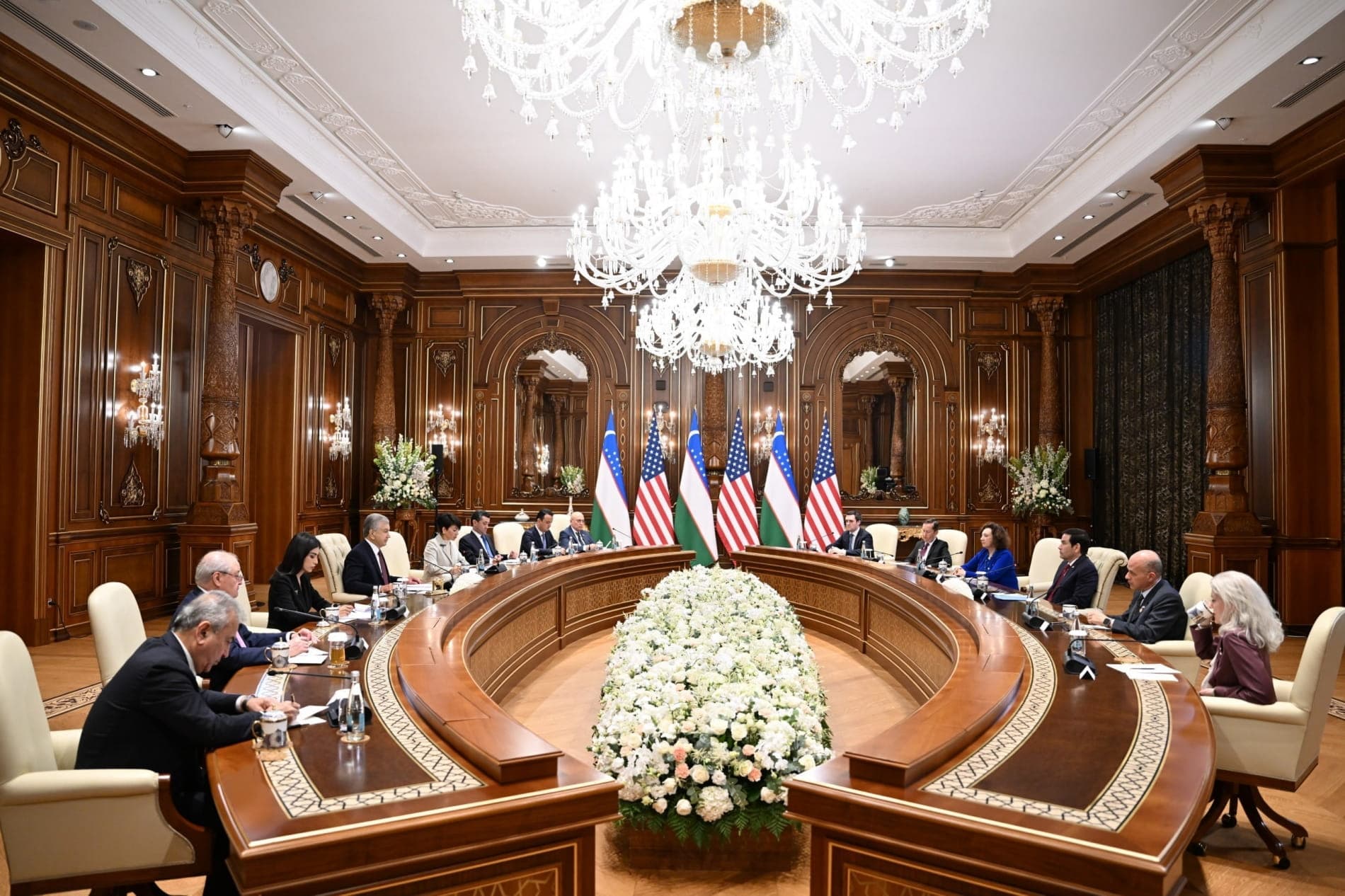
Earlier this month, U.S. Secretary of State Marco Rubio met with his counterparts from the five Central Asian republics in the historic Silk Road city of Samarkand, Uzbekistan, for a C5+1 ministerial. Since its establishment in 2015, the C5+1 has served as Washington's main platform for engaging with this geopolitically important region in the heart of Eurasia.
Yet less than two weeks before the meeting in Samarkand, the leaders of the five Central Asian states and Azerbaijan gathered in Avaza, on Turkmenistan's Caspian Sea coast, for the first meeting under a new C6 arrangement. The groundwork was laid last November, when the five Central Asian leaders met in Tashkent and agreed to formally include Azerbaijan in their consultative format. Going forward, the region's leaders intend to meet as the C6.
Washington, however, has so far refrained from making the corresponding change to the C5+1. This needs to change. There are three compelling reasons why the United States should now embrace the C6+1.
The first is a simple matter of geography and geopolitics. Look at a map of Central Asia. The five republics are located in a difficult neighborhood, surrounded by land borders with Russia, China, Afghanistan, and Iran. These are all countries with which the United States has complicated, if not adversarial, relations. This geography makes access to Central Asia a particular challenge for American policymakers.
The Caspian Sea and Azerbaijan on its western shore offer a solution to this problem. Together they provide the most viable westward route for goods entering or leaving Central Asia without passing through other countries in the neighborhood. This is why Azerbaijan’s participation in any Central Asia format is fundamental to how the United States and its partners can reach the region.
Washington has relied on Azerbaijan for precisely this reason before. For example, during the war in Afghanistan, significant numbers of American troops and supplies passed through Azerbaijan on their way to Afghanistan, bypassing Russia and Iran. The strategic value of Azerbaijan to U.S. policy beyond the South Caucasus was clear then, and it remains clear today.
The growing importance of the Middle Corridor makes this even more relevant. This transport route connects Central Asia to global markets by crossing the Caspian Sea and transiting the South Caucasus. The value of this route has been made evident by the war in Iran and the threat to commercial aviation in Russia’s North Caucasus. Any serious American approach to the region's trade routes and energy resources needs to account for this reality.
The second reason is that Azerbaijan fits naturally into the existing C5 arrangement. It already has deep cultural, economic, and diplomatic ties with Central Asia. Four of the five Central Asian states are culturally and linguistically Turkic like Azerbaijan. Tajikistan, with it’s Persian heritage, is the exception.
These relationships are not limited to shared history. Azerbaijan already cooperates closely with Central Asian states through other diplomatic groupings, including the Organization of Turkic States. Economic ties and regional connectivity are also growing. In other words, Azerbaijan's inclusion in the C6 formalizes a relationship that already exists in practice. That is why the five Central Asian states themselves decided to bring Azerbaijan into their consultative meetings.
Finally, the C6 is already meeting and working together. This is probably the most straightforward reason. At the gathering in Avaza, Turkmenistan, earlier this month, the six countries discussed shared policy priorities and areas for cooperation. There is little doubt that this gathering helped to shape regional thinking ahead of the C5+1 meeting in Samarkand. It makes little sense for the United States to continue to use a narrower format rather than engage with the one that the countries in the region themselves have chosen.
Expanding the C5+1 to the C6+1 would streamline American engagement by including all the relevant regional actors, especially Azerbaijan. It could also help the Trump administration's efforts to advance peace between Azerbaijan and Armenia. Progress toward normalization between those two countries could improve regional connectivity, building on the same transportation links that make Azerbaijan so important to Central Asia.
Adding Azerbaijan to the format is an easy lift and a quick diplomatic win. It would serve as a much-needed recognition that the region's own diplomatic format has changed.
The next time the C5+1 meets, Azerbaijan should be included. The sooner this happens, the better for U.S. interests in the region.