Security Dimension of the UK-Azerbaijan Strategic Partnership


Author: Maya Mantsova
11/24/2026 · 3 min read
 shutterstock
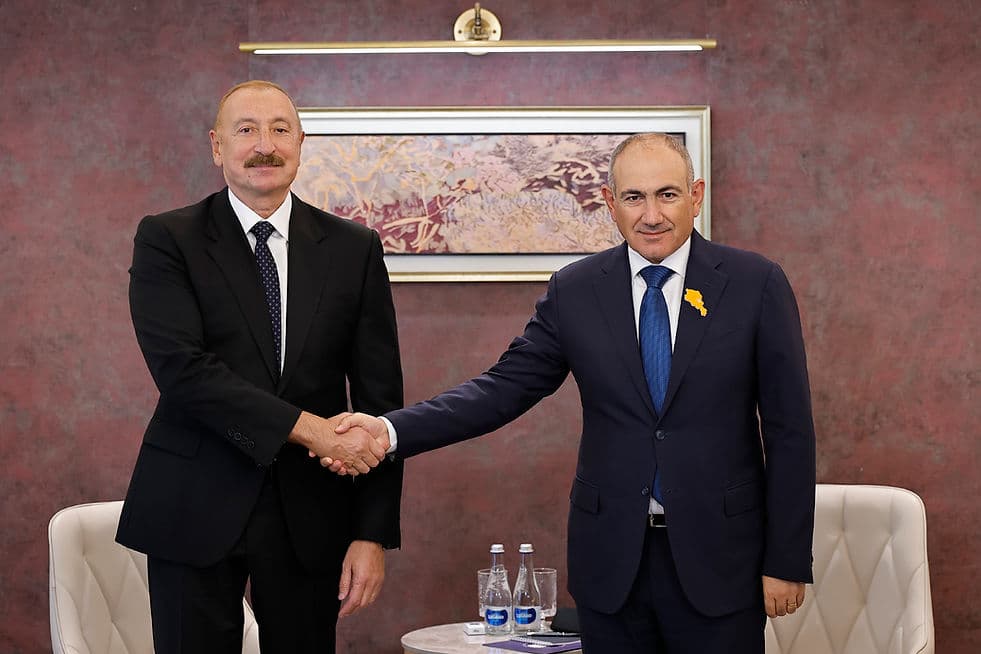
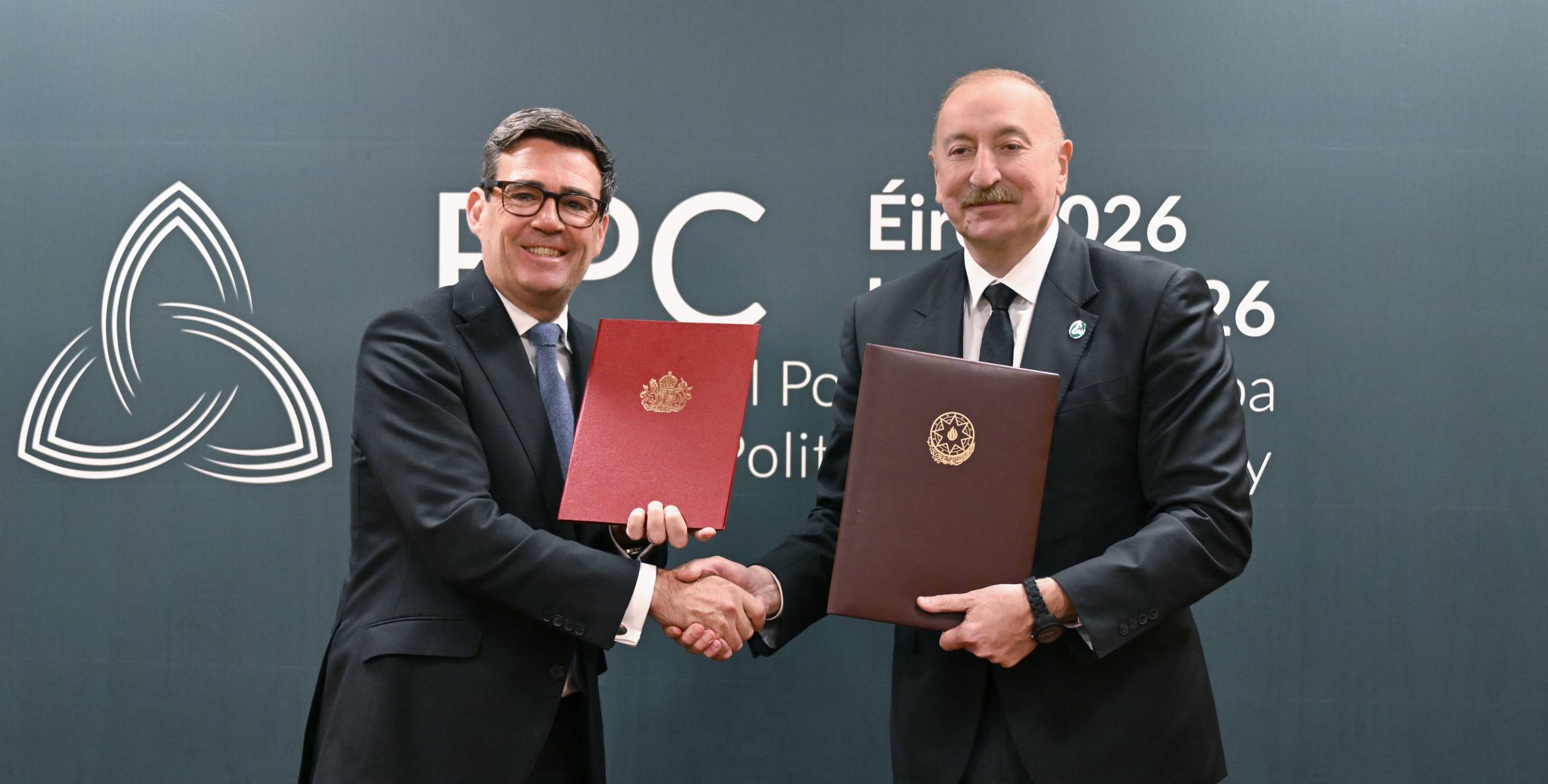
On November 12, the United Kingdom (UK) and Azerbaijan adopted a Joint Declaration on a Strategic Partnership, covering defence and security, trade and investment, and education and innovation. Its significance lies in the opportunity to build a more sustained security relationship, supported by annual meetings to review progress.
The declaration outlines terms for military training and education, capacity building, and interoperability (the ability of armed forces to work together), while opening the door to future defence industry initiatives. It also extends beyond the military to other areas of security cooperation, including law enforcement, border management, and judicial cooperation. These commitments establish a broad agenda, although the document contains no mutual defence guarantee or specific weapons purchases.
The appointment of the UK’s first resident defence attaché to Azerbaijan in March 2025, followed by Azerbaijan’s first participation in the Defence Cyber Marvel exercise. partly hosted in Baku in February 2026, suggests that this relationship could have a lasting impact by allowing participants to share knowledge with their own armed forces. The Defence Cyber Marvel included exercises in responding to simulated attacks on critical infrastructure and addressing system vulnerabilities. This experience provides a practical foundation for further cooperation on resilience as Azerbaijan develops its transport and energy networks.
For Baku, closer ties with the British Ministry of Defence offer opportunities to expand its security relationships and access military expertise. Potential industrial cooperation could further widen its options, although technology transfers and production agreements would require to be agreed on separately. The UK’s removal of its arms embargo on Azerbaijan and Armenia in October 2025 created greater scope for defence engagement, while retaining individual export licensing requirements.
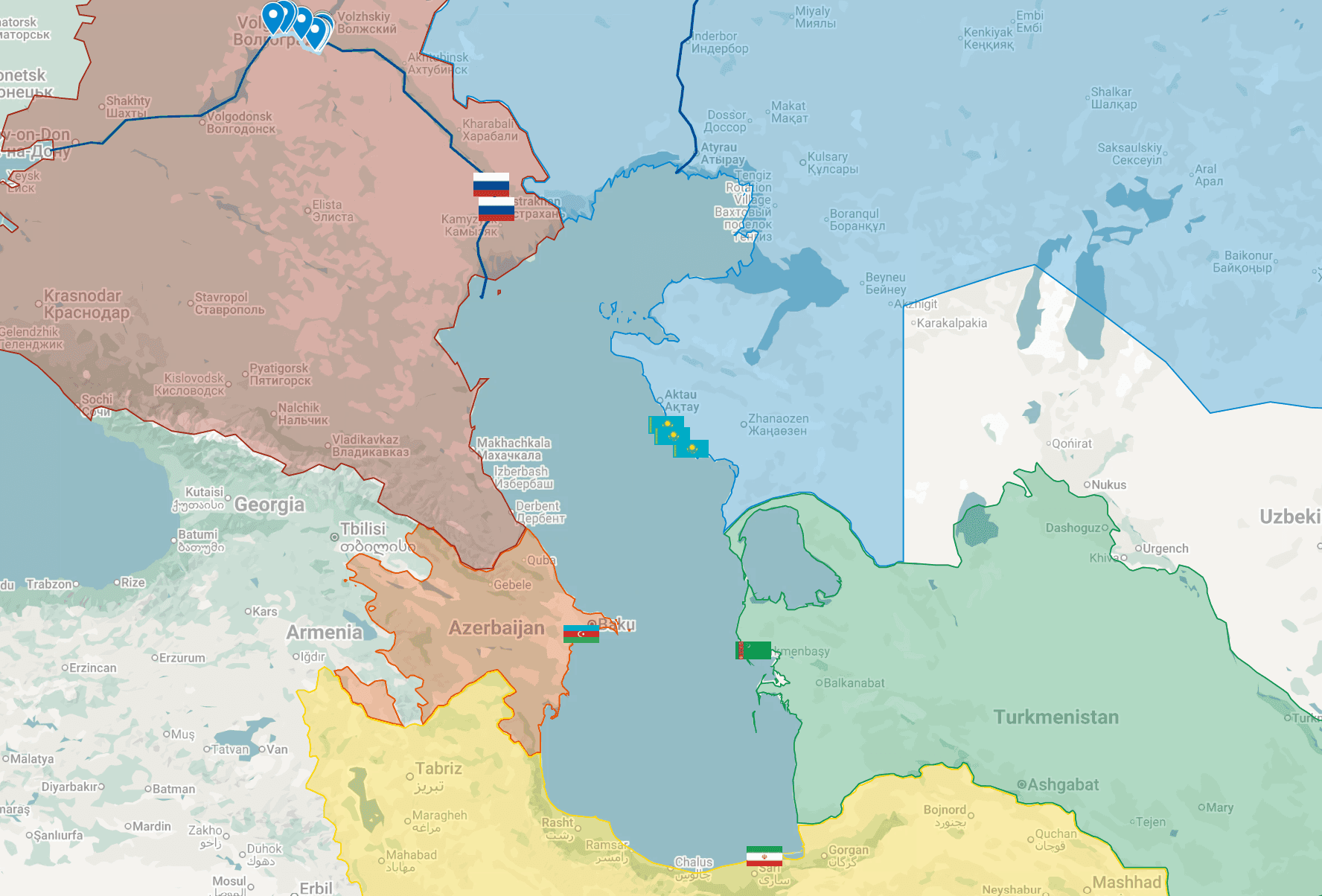
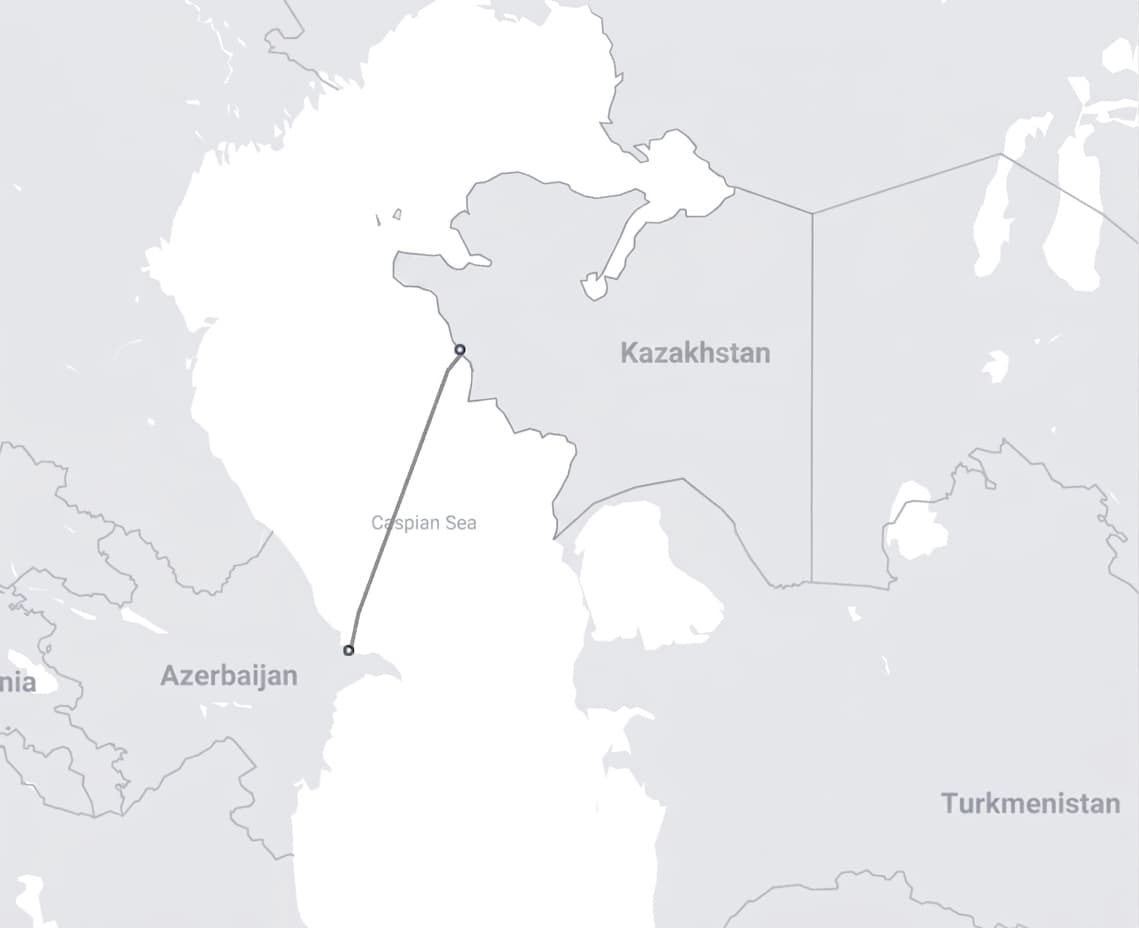
For London, the partnership provides a channel for deeper engagement and influence in the South Caucasus, complementing the UK-Armenia Strategic Partnership agreed in May 2026. Its support for the Middle Corridor creates an incentive to securitise cooperation. Additionally, the declaration commits both countries to closer border management cooperation, which could help Azerbaijan accommodate growing trade while detecting illicit activity. Furthermore, future connections with Armenia could also benefit, although the declaration did not specify a geographical focus.
The partnership gives existing activities stronger political backing and room to expand. Sustained training, effective border cooperation, and concrete industrial projects have the potential to turn this into practical security benefits. Additionally, its long-term importance will depend on whether the two countries deliver concrete training programmes, industrial projects, and measurable improvements in security capabilities. For both countries, the opportunity is to build a relationship in which greater connectivity is supported by stronger capabilities and institutions.
Sources:
Azerbaijan MoD: https://mod.gov.az/en/news/azerbaijani-and-uk-servicemen-involved-in-cybersecurity-training-exercise-56559.html
Stockholm international peace research institute database: https://www.sipri.org/databases/embargoes/eu_arms_embargoes/azerbaijan