Recruited for Work, Pressed into War: Central Asian Migrants in Russia


Author: Dr. Eric Rudenshiold
11/04/2026 · 8 min read
 Shutterstock
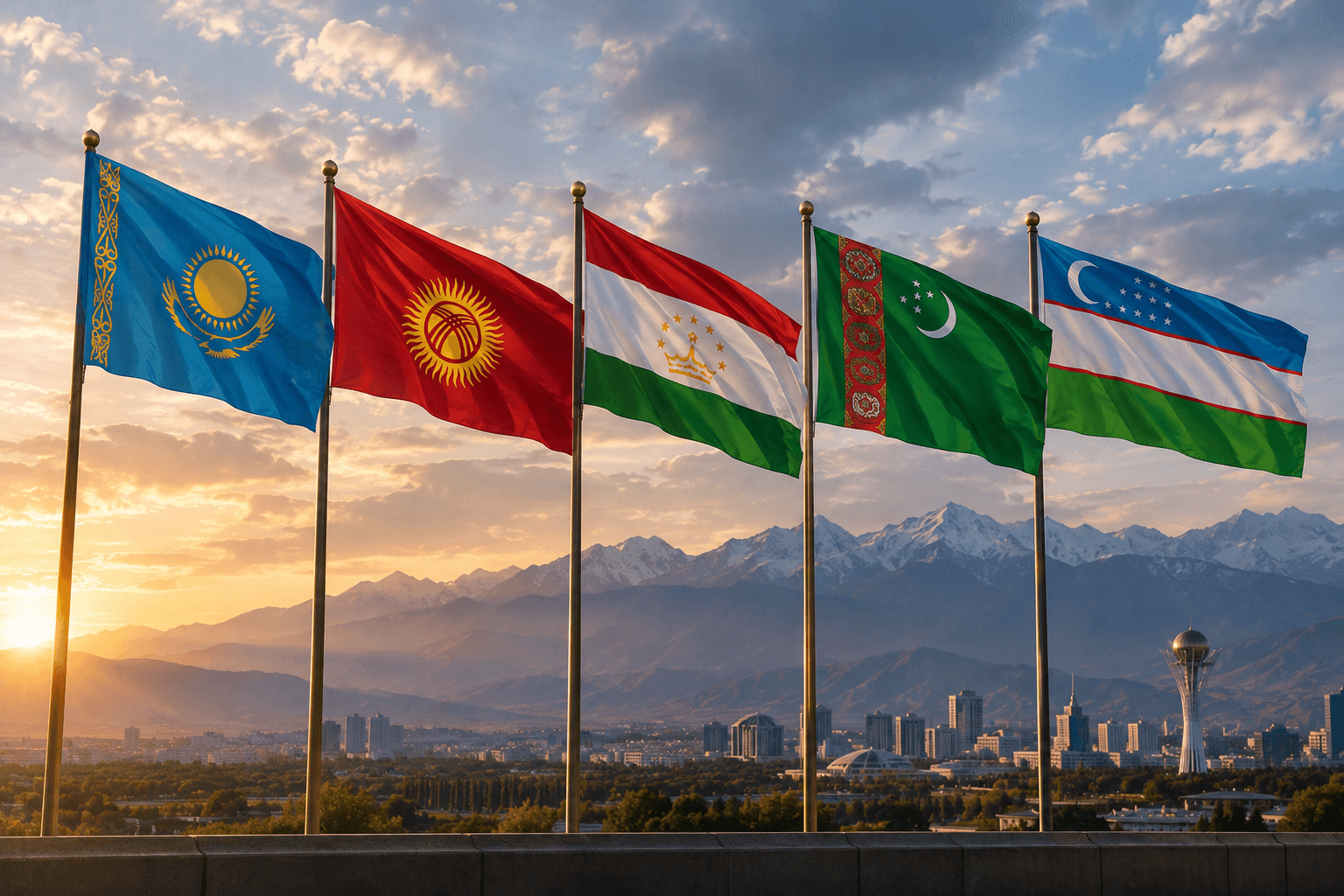
Some Central Asian labor migrants are finding themselves in Russian military uniforms, forced into a war they never intended to see. Russia’s war against Ukraine is continuing to create increasingly dangerous challenges for citizens of Kyrgyzstan, Kazakhstan, Uzbekistan, Turkmenistan, and Tajikistan (the C5 countries) who travel to Russia seeking construction, factory, agricultural, and service-sector jobs. Upon arrival, these “guest workers” face a different reality.
“…They are forced to sign contracts,” acknowledged Kyrgyz Foreign Minister Jeenbek Kulubaev to parliament. “If we receive information in time, we intervene. That way we have managed to stop many migrants from being sent to the front.” The U.S. Central Intelligence Agency estimates that the average Russian frontline recruit lasts only 20-30 minutes before being killed or wounded.
Kazakhstan, meanwhile, has formally asked Moscow to help return citizens who say they were pressured into military service. In August 2025, 25-year-old Miras Tasharghanov traveled to Russia, expecting employment at a meat-processing plant, only to be taken to a military recruitment center and forced to sign a contract instead. “You see, Mom, they threw a contract at you, put a gun to your head, and told you to sign it, and that's it. And you won't even be able to look at it or read it,” he explained in a call home.
The Kazakhstan national’s family requested help from Astana authorities, resulting in Kazakhstan’s Foreign Ministry sending a diplomatic note requesting the return of all citizens who reported being bullied into military service. Tasharghanov was already deployed to Russian-occupied Luhansk.
No Simple Problem or Solution
The problem isn’t just in Russia, though. Kazakhstanis in Russian uniforms face serious legal ramifications back home, with the country’s criminal code levying serious penalties for participants. Article 172 prosecutes foreign war participants with sentences of up to nine years, but Article 170 carries life sentences and property confiscation for “Mercenarism.” In 2025, Kazakhstan authorities opened 700 criminal cases against Kazakhstanis enlisted in Russian units, including coerced recruits.
Russia’s demographic decline and wartime manpower needs help explain its current reliance on foreign workers. With a median age for its own workers of nearly 40, Russia depends upon migrant laborers to fill both the high demand of its war economy and to replace an aging population. The long-term economic relationship Russia enjoys with Central Asia has provided a steady supply of workers over decades which are now critical to sustaining a war that requires enormous manpower.
A Pattern of Coercion, not Simply Recruitment
Foreign Minister Kulubaev’s remarks before a parliamentary committee acknowledge military recruitments are a recurring problem that requires diplomatic engagement. He also revealed the limits of intervention—once a migrant has been deployed, securing a return from Ukraine is substantially more difficult, if not impossible. Kyrgyz families often learn what had happened only after their relatives were wounded or killed, including from Ukrainian websites like the “I Want to Live” project that help soldiers surrender.
It is not just an issue of misleading recruitment efforts. There are migrant round-ups during police raids, workplace sweeps, immigration processing, and in detention, that turn into enrollment drives. Beatings, deception, and threats of deportation were frequent coercive tactics used on the one hand, but financial inducements to those fleeing economic poverty were also successful.
The distinction matters, as there are a variety of reasons a Central Asian can wind up in a Russian uniform. Some would-be laborers are attracted by salaries, bonuses, and promises of Russian citizenship and subsequently volunteer. Others complain of being deceived or forced into service. Complicating the matter for Central Asian authorities—not all foreign recruits are victims, but the widely documented intimidation also cannot be ignored.
The Remittance Trap
Central Asia’s vulnerability is a matter of basic economics. Limited employment opportunities in Central Asia continue to push Central Asians to seek work elsewhere. Labor migration to Russia is a long-standing relief valve for workers unable to find employment in the region’s domestic economies. These laborers send home income that supports families, pays for housing and education, as well as sustains local businesses.
For Central Asian guest worker families and their governments, the challenge is how to address the region’s dependence on remittance incomes. Historically, Tajikistan, the Kyrgyz Republic, and Uzbekistan have supplied large numbers of laborers to Russia who have sent home needed earnings. Once supplying an estimated four million guest workers, with and without legal status, Central Asian numbers have since declined due to Covid and a Crocus Hall terrorist attack blamed on Tajik migrants. In 2022, Tajikistan received remittances in amounts equal to 49.9% of its GDP, the Kyrgyz Republic received amounts equal to 26.6% of its GDP, and Uzbekistan 17.2%.
Although Central Asia’s remittance levels from Russia collectively peaked in 2022 at a combined $79 billion, they dropped significantly in 2023, with some rise again in 2024 and 2025. However, fewer than two million labor migrants showed up for work across Russia in 2026, due to depreciation of the Ruble, poor worker treatment, guest worker visas to other countries becoming available, and pressure to sign military contracts.
The region’s economic reliance on Russian remittances means that governments cannot simply tell their citizens to stop looking for work in Russia, without realizing serious costs to household incomes and the stability of Central Asia’s domestic economies. Despite massive investment and current construction booms in all five countries, the growth is insufficient to replace the Russian labor market. Options for guest work in a number of countries such as Türkiye, South Korea, the Gulf states, and Europe, are slowly increasing, but opportunities—while growing—are limited by visa rules, language, recruitment arrangements, and the suitability of available jobs.
For migrants already within its borders, Moscow’s leverage is substantial. A Central Asian migrant whose work permit, legal status, or continued presence in Russia depends on the goodwill of local authorities or employers is often highly vulnerable to pressure and xenophobia.
False Promises
Moscow has also recruited foreign laborers with generous offers of bonuses of up to 10 times more than an annual income, but promises of higher wages are not the same as money received. Contract terms, regional recruitment payments, salary scales, and eligibility conditions are all variables, balanced against the potentially irreversible dangers of military service. Spoken and even written promises of lucrative bounties and remunerations are, however, proving false or “paused” due to budget shortfalls.
Due to insufficient funding, ten regions across Russia have frozen soldier benefits, from signing bonuses and salaries to death bounties paid to families. For instance, the Samara region has reduced its contract payments to a tenth of their original promissory value, from 33,000 to 3670 Euros. Dead soldiers are often now listed as deserters, therefore ineligible for bounties. For remittance-dependent families, the consequences can be overwhelming. The anticipated income disappears and a household can be left coping with an injured relative, a mysterious disappearance, or the return of a body.
Central Asia’s Sovereignty Test
Central Asian governments continue to depend on economic ties with Russia, but they are increasingly showing a willingness to challenge abuses against their citizens and to search for employment alternatives elsewhere. Its own continuing dependence and growing assertiveness are testing Moscow’s relations with all five countries in the region.
Lack of support for Russia’s war effort and increased regional agency have resulted in a decrease in Moscow’s influence evident with Central Asian leaders, though large numbers of their citizens remain dependent on remittance work. As a result, the region’s governments are moving beyond diplomatic notes and responding more assertively to Russia’s generally poor treatment of their citizens.
After Russian security forces beat Kyrgyz nationals at a Moscow bathhouse in April 2025, Kyrgyz authorities detained four suspects accused of enlisting Kyrgyz citizens for military service in Ukraine. In September 2025, Tashkent demanded action from Russian authorities after a xenophobic incident with an Uzbek taxi driver in Moscow went viral on social media, prompting the opening of a migrant-rights hotline. Uzbek lawmakers also proposed restrictions on Russians residing in Uzbekistan. Similarly, Tajikistan has discouraged travel to Russia and warned about security concerns related to xenophobia.
Dependence Goes Two Ways
Russia’s war economy needs manpower and many Central Asian migrants are economically vulnerable. The current combination of inducement and coercion can turn an ordinary search for work into a potentially fatal bargain. Of the thousands of Central Asians said to have gone to Ukraine, hundreds are believed to have perished in the war.
While their governments cannot eliminate remittance dependence on Russia overnight, the treatment of guest workers in Russia is taxing relations with Central Asia’s increasingly more assertive capitals. Governments once only comfortable issuing quiet diplomatic demarches are more and more willing to step in and challenge the treatment of their citizens in Russia while actively working to find work opportunities in other countries.
Remittances and longstanding economic ties will likely keep Russia an important destination for Central Asian guest workers. Yet Moscow is being forced to compete for the region’s workforce, in large measure due to the consequences of its own policies of coercion and xenophobia. By treating migrant workers as an expendable pool of soldiers, Russia is risking the loss of the labor its economy desperately needs while also weakening the Central Asian relations that it has always depended upon.