A “Peace” of the Pie: Water-sharing Agreement Signed in Dushanbe Amid Growing Scarcity in Central Asia
Recent Articles
Author: Liam Gibson
08/04/2026
 projectamudarya.org
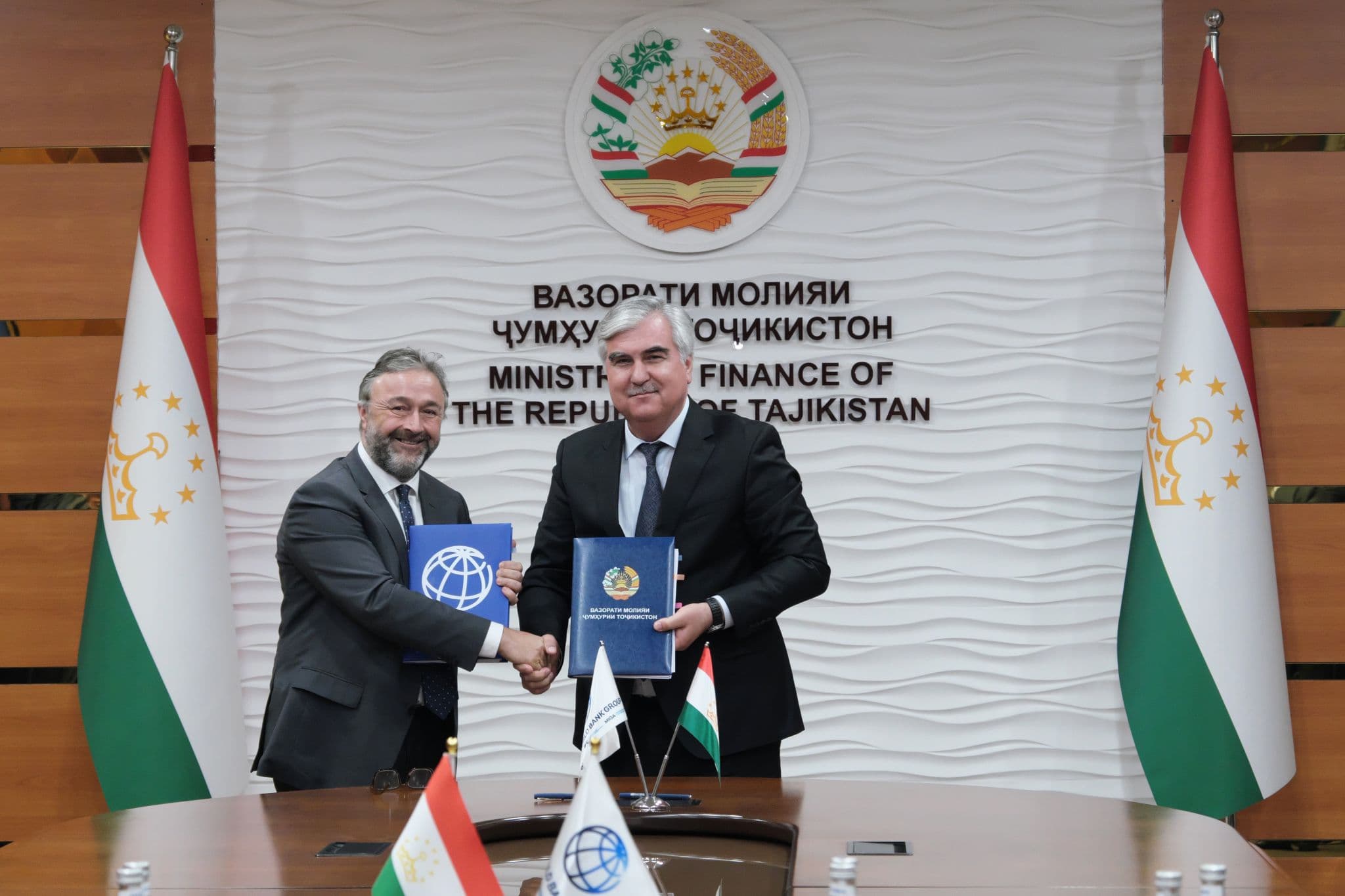
As water scarcity in Central Asia intensifies, Kazakhstan, Tajikistan, and Uzbekistan signed a trilateral agreement securing summer water releases from Tajikistan’s Bahri Tojik reservoir on May 26. Kazakhstan will receive critical irrigation for crops during what is projected to be a particularly hot summer with long periods of drought. This latest agreement builds on last year’s protocol, which provided Kazakhstan’s agriculture industry with 491 million cubic meters of water. This agreement is especially significant for a region grappling with limited water resources under the looming specter of water wars.
The signing took place during the Fourth High-Level International Conference on the International Decade for Action “Water for Sustainable Development,” which was held in Dushanbe from May 25 to 28. This biannual format is part of the Dushanbe Water Process and supports the implementation of the United Nation’s Water Action Decade. This initiative promotes sustainable development and joint water resource management to meet social, economic, and environmental goals and has a critical importance for Tajikistan, where water resources are particularly vulnerable to rising temperatures.
The agreement follows similar protocols signed by Kazakhstan, Kyrgyzstan, and Uzbekistan in September 2025, regarding water releases from Kyrgyzstan’s Toktogul Reservoir in exchange for electricity. Kazakhstan has already provided over 1.5 billion kilowatt-hours of electricity, and the three countries agreed to specific water volumes to be released for May and June. The Toktogul Reservoir supplies water to the Toktogul Hydropower Plant, responsible for 40 percent of Kyrgyzstan’s electricity generation. Alarmingly, its volume is rapidly nearing the dead water level of 6.5 billion cubic meters at which power can no longer be generated, highlighting the delicate balance that must be struck for each country’s needs to be met.
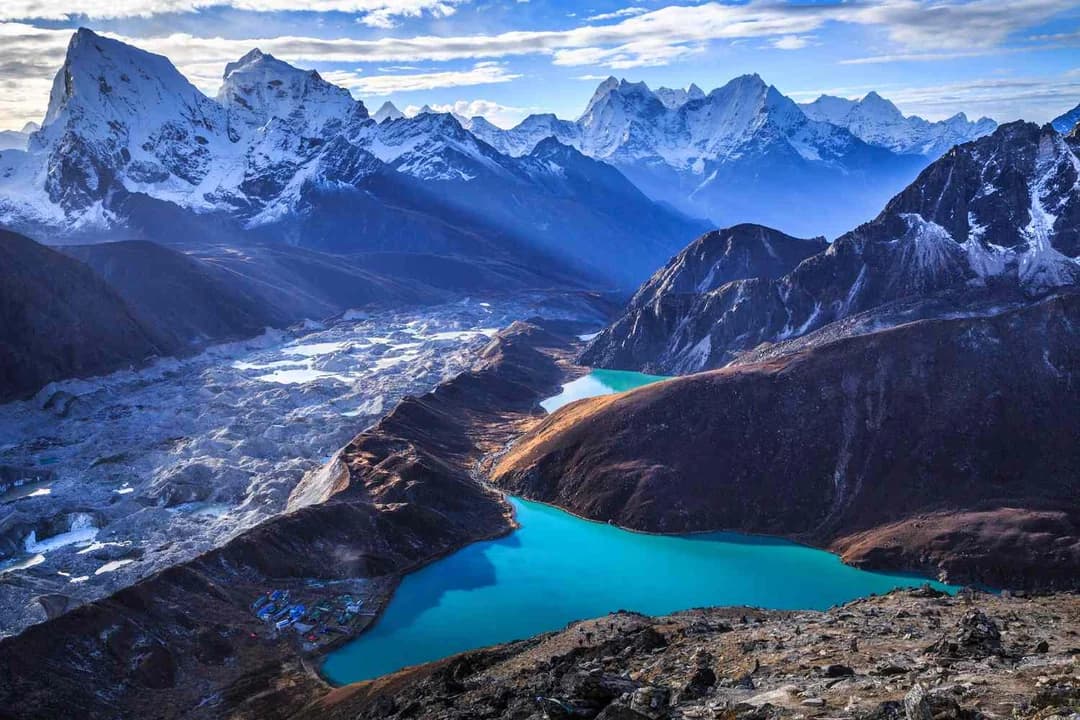
Low water in the Toktogul Reservoir represents only the tip of an iceberg threatening the entire region. Cooperation on water management has become essential amid the region’s climbing temperatures and lengthening dry periods, even as overall precipitation volumes increase. The region’s future water security depends on a finite amount of fresh water frozen in Central Asia’s natural water towers: alpine glaciers. Critically, increasing melting rates and a shrinking winter season mean these glaciers are steadily disappearing. Tajikistan alone has lost over 1000 glaciers and 1/3 of its total glacier volume. Kyrgyzstan has similarly seen glacier cover decrease by 16 percent over the last 50-70 years. Meltwater from these mountains is the primary water source of the Amu Darya and Syr Darya Rivers, which in turn are the main water sources for Central Asia. The Tien Shen mountains could see 75-85 percent of their remaining glacial mass disappear by the end of the century.
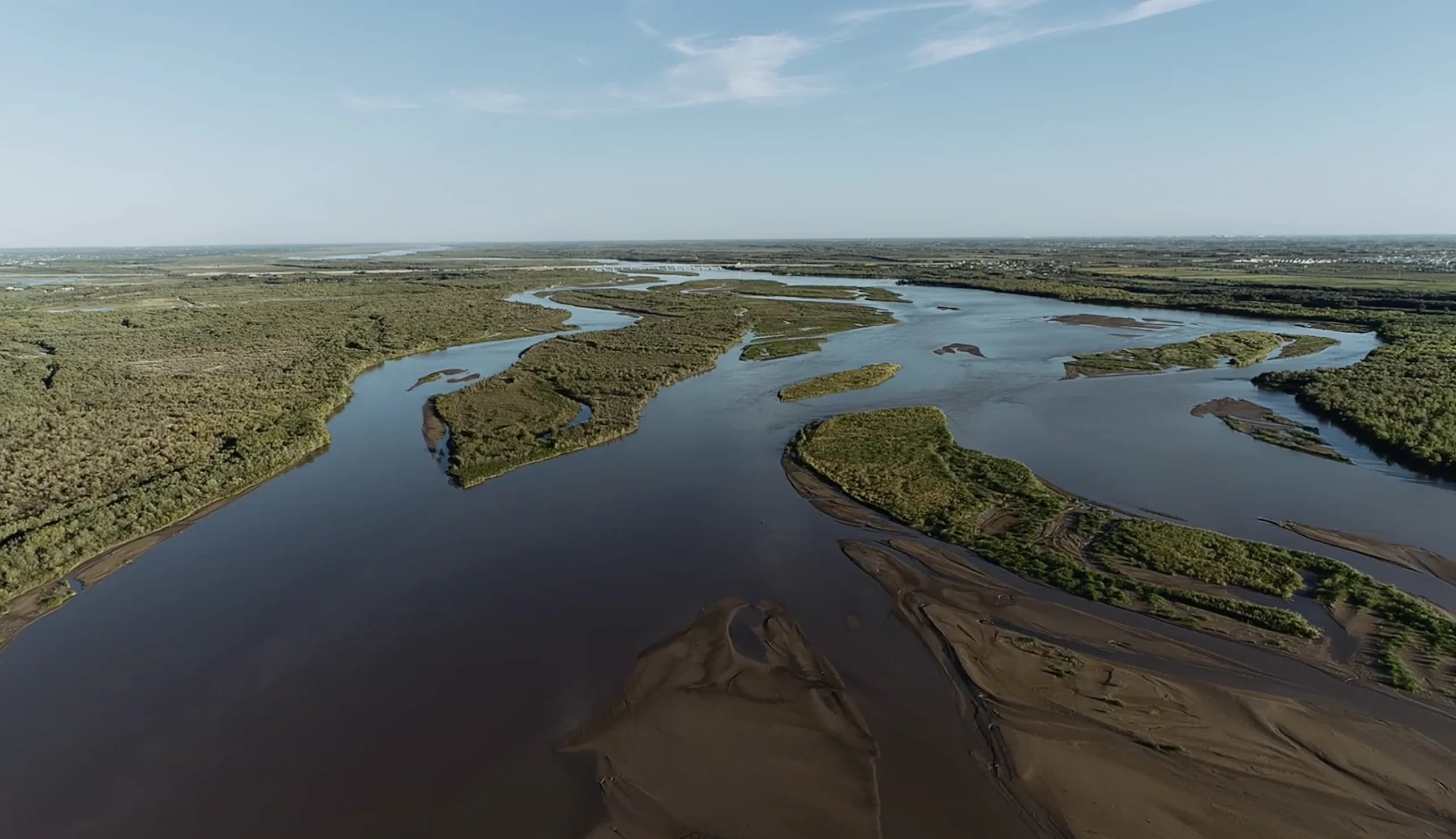
Halting glacial melt remains beyond reach, but transitioning away from dirty energy sources and modernizing irrigation infrastructure could slow melting and conserve water, 40 percent of which is lost in transit to reservoirs and fields. Diversifying away from hydropower to other clean sources less vulnerable to water scarcity could strengthen resilience in Kyrgyzstan and Tajikistan, which rely on hydropower for 97 percent and 95 percent of their electricity, respectively. For now, Kyrgyzstan is building new hydropower plants including the gargantuan Kambarata-1 plant on the Naryn River and an array of small hydropower plants, but the long-term success of these projects hinges on disappearing glacial meltwater.
Joint scientific efforts to study this problem have also strengthened peaceful cooperation on water issues alongside short-term multilateral agreements. Kazakhstan, Tajikistan, Turkmenistan, and Uzbekistan, for instance, came together at the Regional Ecological Summit in Astana on April 23 for a UNESCO-organized session “Cryosphere of Central Asia: from scientific assessment to joint climate adaptation action.” UN and government officials discussed the Joint Subregional Action Programme (JSAP) on the cryosphere, a regional cooperation framework supported by UNESCO for regional monitoring and research of glacier, snow, and permafrost resources to inform future climate policy. Government officials from the attending nations also issued a Joint Statement supporting JSAP’s implementation. Kyrgyzstan also participates in JSAP, making this program a potentially powerful tool for addressing melting and water scarcity.
The IAEA similarly assists Central Asian nations in studying this issue. Tajikistan opened the first isotope hydrology lab in Central Asia in 2025 with IAEA support. This lab will improve glacier research capabilities in Tajikistan and provide training to scientists. The IAEA also works with Kazakhstan and Uzbekistan, which participate in a Coordinated Research Project to study glacier retreat and its impact on water availability using isotope hydrology. All five nations take part in a technical cooperation project to study snow cover and mountain glaciers and to inform transboundary water management. These joint endeavors are important for building a common understanding of the region’s water situation and lay the groundwork for multilateral solutions to be enacted.
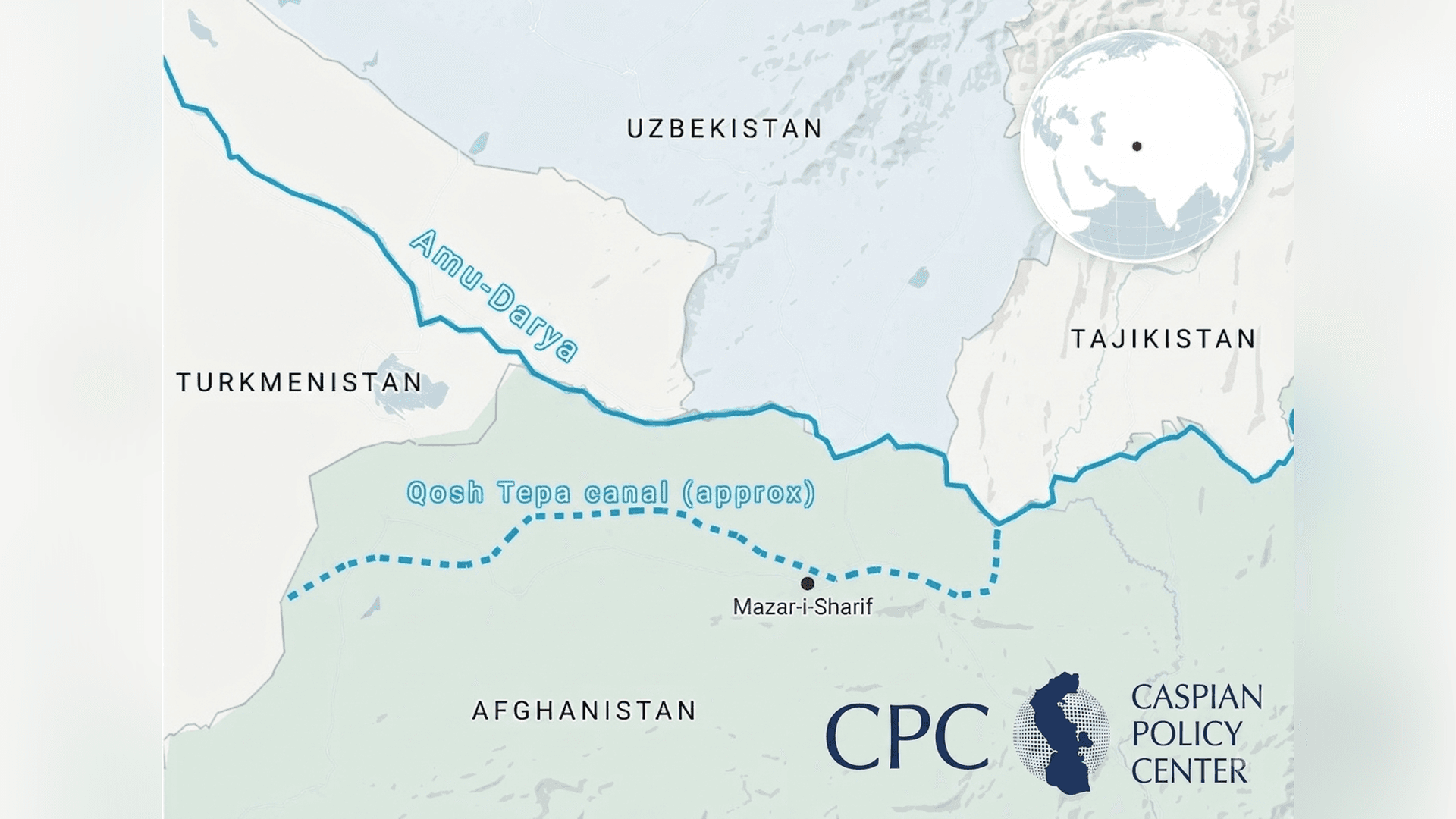
The agreement in Dushanbe thus marks another important step forward in peaceful cooperation, particularly in a region familiar with water-related violence. Disagreements over water access played a role in fomenting clashes on the Kyrgyz-Tajik border in 2014, 2021, and 2022, and Afghan militants killed five Chinese miners on Tajikistan’s southern border during a mining dispute over the Panj River’s flow in November 2025. On the horizon, Afghanistan’s Qosh Tepa Canal project could divert 10 cubic kilometers of water from the Amu Darya River each year, depriving Uzbekistan and Turkmenistan of potentially significant volumes of water currently flowing through their territory.
While the project could somewhat relieve water scarcity in Afghanistan, it would exacerbate shortages in Central Asia and risk destabilizing regional relations. Afghanistan does not participate in any water-sharing agreements with Central Asia, hampering peaceful, formalized resolutions to the problem. Further, neither Tajikistan nor Afghanistan effectively controls the volatile border region between the two countries, creating the grounds for local disputes to increase tensions across the region, as seen in the killings of the Chinese miners.
However, the recent agreement in Dushanbe represents a positive step toward greater cooperation over water resources in Central Asia. Creating a formal body to manage water access and resolve disputes would allow states to coordinate solutions and strengthen regional security. Questions of water ownership will only grow in importance as these resources become increasingly scarce. Central Asian leaders should build pathways to peacefully resolve these issues before it is too late.