Tajikistan’s Water Paradox: Can New Money Fix an Old Constraint?
Recent Articles
Author: Zohra Movsumova, Liam Gibson
08/12/2026
 World Bank Press Releas
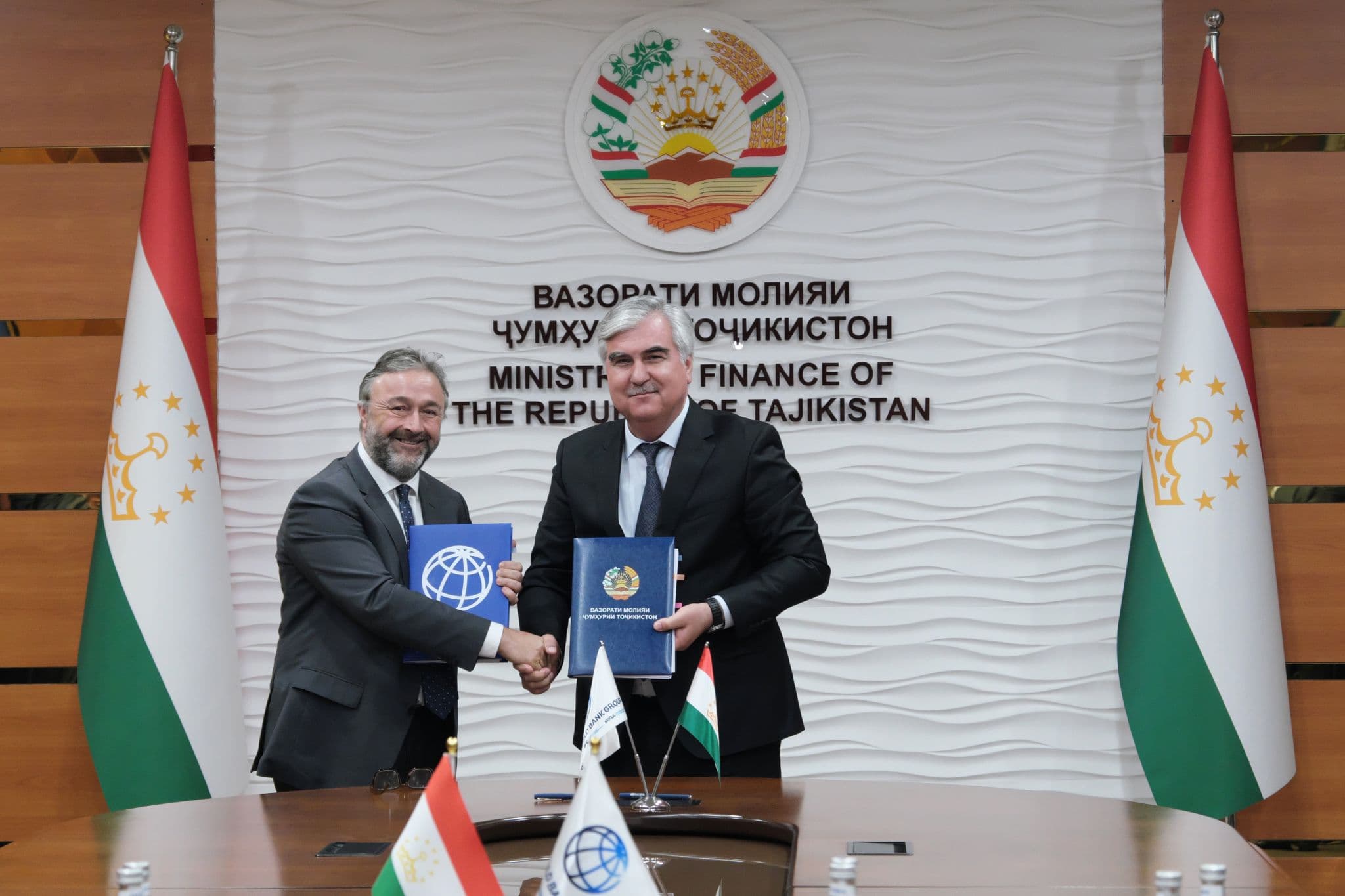
Tajikistan is both water-rich and power-poor, and a wave of international financing arriving this summer aims to finally close that gap. The World Bank’s $75 million grant, approved on July 1, is a substantial step toward modernizing the country’s irrigation and water-management systems. The project is expected to improve services for about 470,000 farmers and rural residents while modernizing irrigation across 100,000 hectares. In a region that devotes over 80 percent of its strained water resources to agriculture and loses 40 percent of that water to decaying, inefficient irrigation infrastructure, the World Bank grant promises to deliver a much-needed improvement.
Expected savings flowing from this project go far beyond rectifying water loss. The World Bank projects that the investment will save 65,000 MWh of energy and cut emissions by 29,000 tons of CO2 equivalent each year. Tajikistan’s water is both its greatest asset and a defining constraint. In a country that runs largely on hydropower, water saved is electricity saved.
During the Green Climate Fund board meeting in Dushanbe, June 29-July 2, Tajikistan secured $190 million for two new projects, with $62 million of the amount in grants for water-saving technology and municipal water systems. Further, the European Bank for Reconstruction and Development (EBRD) is providing $56 million to cut losses in the electricity network, and on July 3 the EU and Tajikistan held the fifth meeting of their Subcommittee on Development Cooperation in the capital. These international financing packages, as well as the meeting, put energy, water, and climate high on the Global Gateway agenda and mark a shift in how Tajikistan approaches its water and energy problems. The focus has transitioned from increasing supplies to minimizing waste of the water and electricity it already has.
Heating Up and Drying Out
Tajikistan’s water efficiency is becoming an increasingly critical issue amid the worsening climate crisis. Temperature rise afflicts mountainous terrain twice as quickly as other landscapes, with Tajikistan already experiencing 1.2 degrees Celsius of warming compared to the global average of 0.6 degrees. While a hotter climate naturally yields greater meltwater volumes that fuel agriculture and hydropower plants, Central Asian glaciers are projected to produce steadily declining meltwater quantities after peaking between 2035 and 2055.
These trends have increased precipitation volumes and total water availability in the short term, but Tajikistan’s ultimate outlook is grim. Many of the country’s 14,000 glaciers have already melted entirely, and average temperature projections for the Pamir Mountains indicate an increase by an additional 2.0 degrees Celsius by 2050. Water scarcity in Tajikistan might thus be expected to intensify in the coming years, with the shifting El Niño climate pattern in the Pacific Ocean exacerbating climate extremes right now.
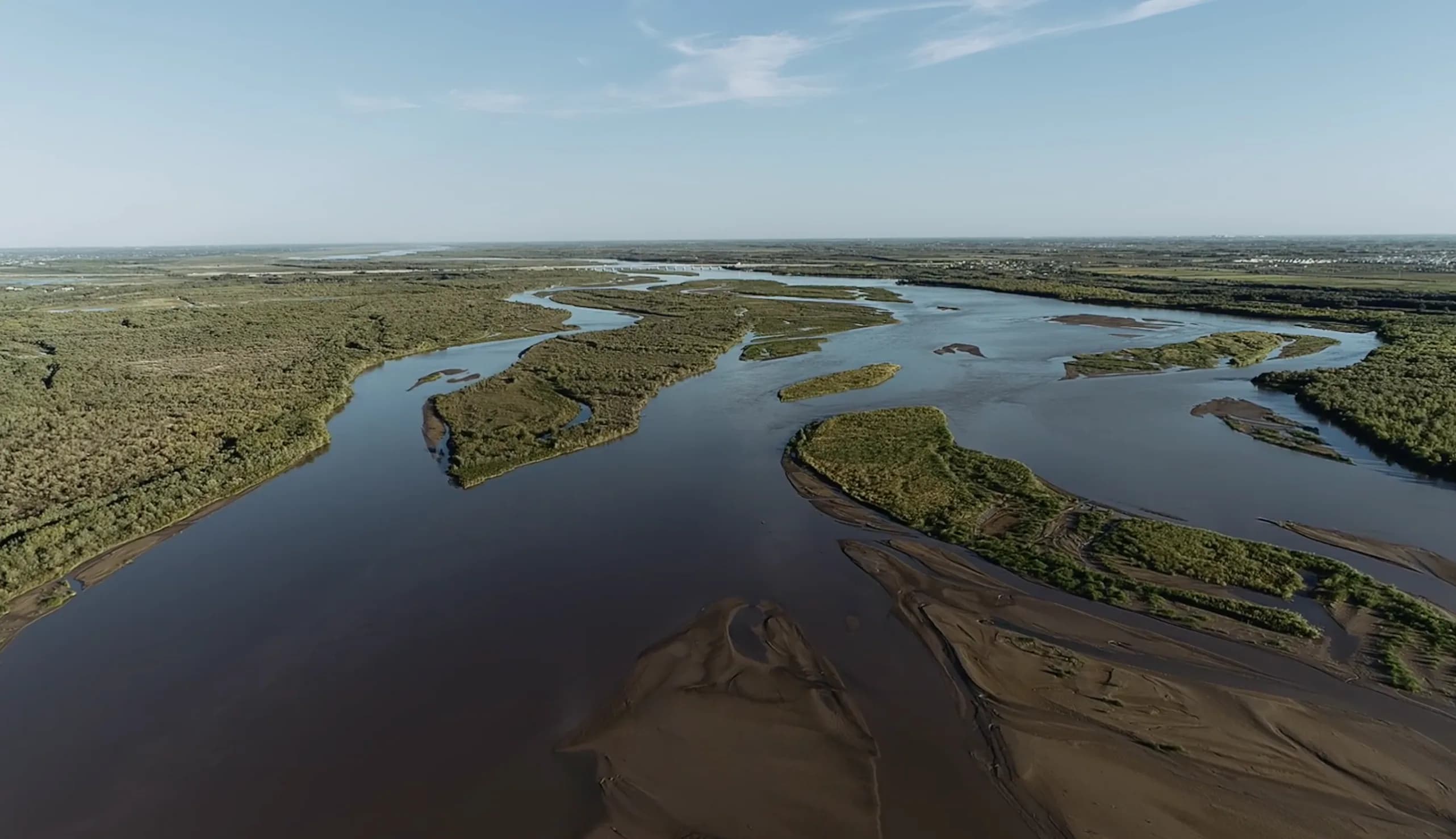
For Tajikistan, which generates nearly 98 percent of its electricity from hydropower, climate change-inflicted water scarcity poses a long-term threat to its energy security. Virtually its entire electricity system relies on rivers and reservoirs fed by snowmelt. The Nurek Hydroelectric Power Station alone supplies around 70 percent of Tajikistan’s electricity and has already suffered from low water levels in its reservoir. When reservoirs are full, Tajikistan enjoys an efficient and clean electricity source. The World Bank grant becomes particularly critical given the magnitude of Tajikistan’s crisis.
The Solutions Tajikistan Has Relied On So Far
Dushanbe has long been searching for a solution to its energy shortfall, but so far it has not been as successful as hoped. The Rogun Dam, a project that President Emomali Rahmon calls the “construction project of the century,” presents the greatest opportunity for Tajikistan. Construction began under Soviet authorities in 1976, and nearly 50 years later, in spite of the Soviet Union’s collapse, civil war, and persistent financial challenges, the project is finally entering a decisive phase. For now, the dam stands at roughly 140 meters, but future plans expect the structure to climb to 335 meters, making it the tallest dam in the world.
What matters for the grid is not the dam’s height but the reservoir’s capacity. The Vakhsh River is diverted through underground galleries that currently power two 600-megawatt turbines, with four more still under construction. Expected to become fully operational around 2036, the plant should reach an installed capacity of 3,600 megawatts and hold more than 13 billion cubic meters of water.
A reservoir of that size could shift Tajikistan’s winter water supply challenges. By holding water through the high-flow summer months and releasing it in the freezing winter months, this system would smooth out the seasonal mismatch that leads to rationing. The stakes are considerable. A 2013 World Bank assessment found the winter shortfall at about 2,700 GWh, which affects 70 percent of the population. Rogun’s potential is enormous, but the World Bank still assesses the remaining cost at about $6.29 billion.
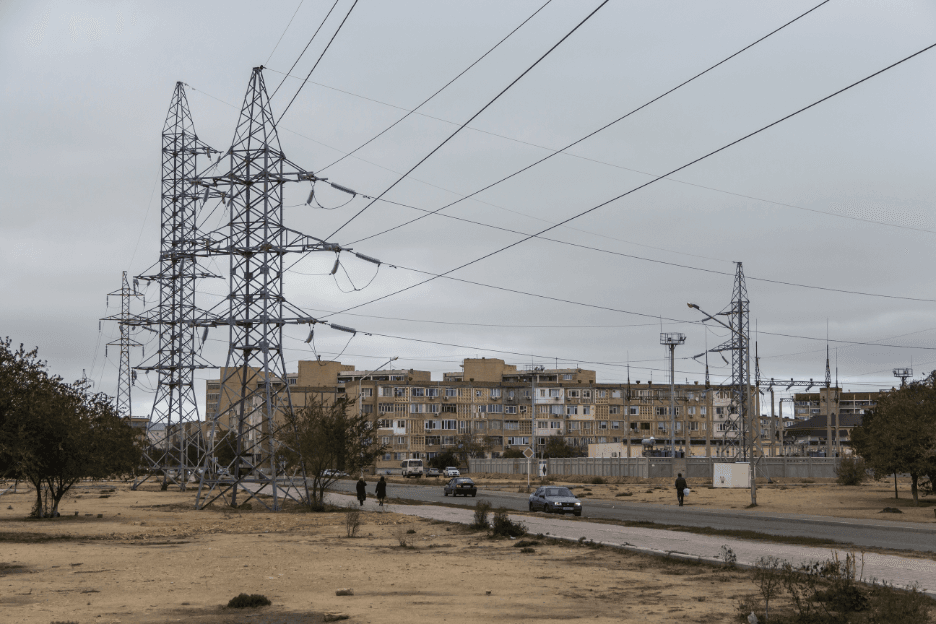
A second project, the Central Asia-South Asia Electricity Transmission and Trade Project (CASA-1000), promises to monetize surplus hydropower in Tajikistan and the Kyrgyz Republic for Afghanistan and Pakistan. The $1.2 billion project will supply 1,300 MW of surplus energy generated from May to September and allow open-access electricity trade for the rest of the year. Completing Afghanistan’s portion of CASA-1000 remains the final step to a project first conceived in 2008, and the system is expected to become fully operational by the end of 2027. Besides supplementing non-renewable energy sources in Afghanistan and Pakistan and improving regional integration, CASA-1000 could provide Tajikistan with significant influence that could stabilize relations with its southern neighbors, particularly in the wake of violence on its border with Afghanistan last fall.
The World Bank’s July 1 grant to upgrade Tajikistan’s irrigation and water management infrastructure comes at a time when the country faces insufficient water and electricity resources. These dual shortages are fundamentally linked to Tajikistan’s broader climate crisis that is projected to only worsen in the coming decades. While the Rogun Dam megaproject could alleviate some of these issues, its completion is still 10 years and billions of dollars away. Nevertheless, modernized irrigation infrastructure should improve availability in rural areas and minimize waste of the water Tajikistan still has.