No Bloc, No Secretariat: A New C6 Model of Regional Cooperation Across the Caspian
Recent Articles
Author: Dr. Eric Rudenshiold
10/16/2026
 Turkmenistan.gov.tm
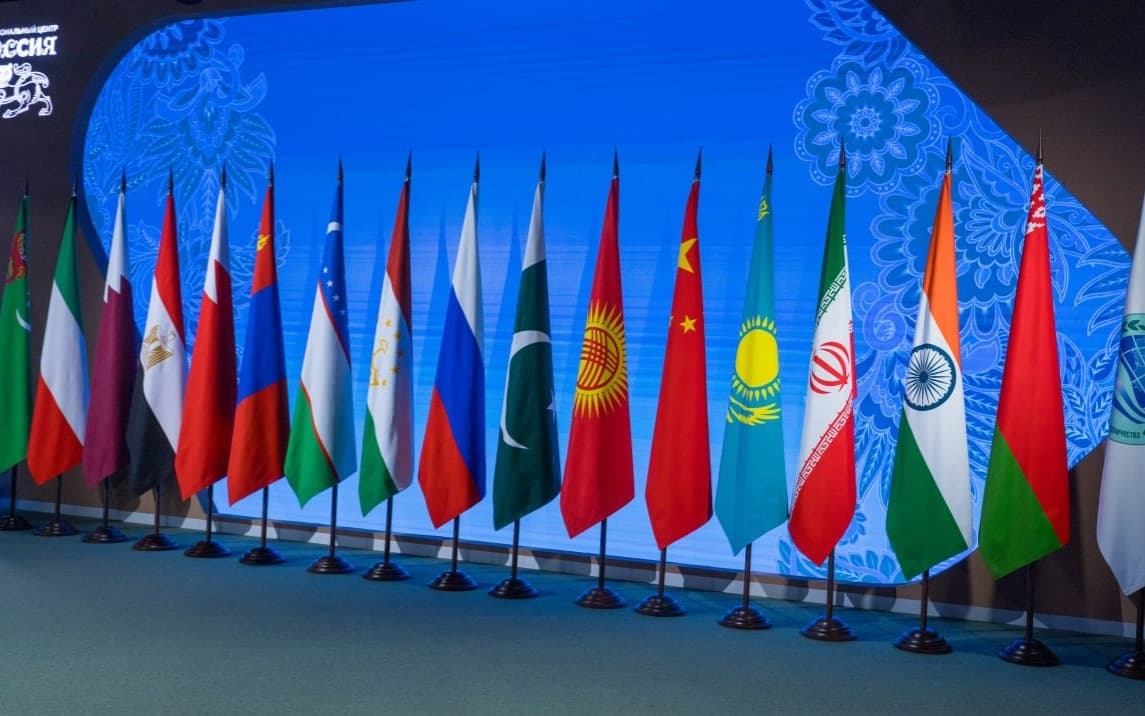
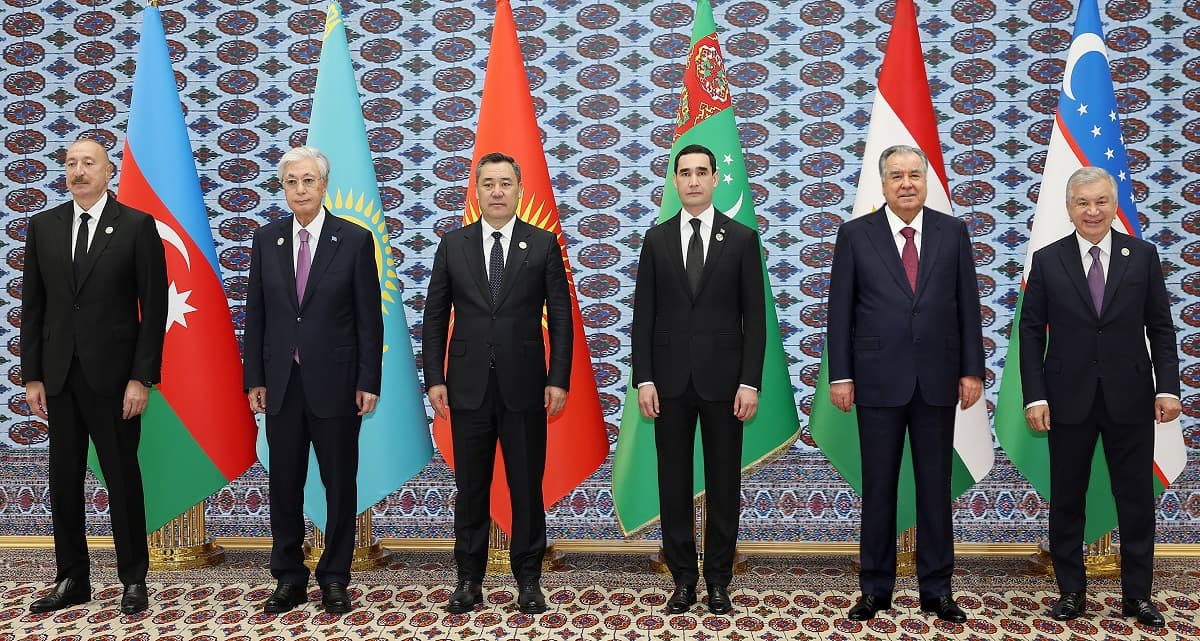
Once upon a time, the countries of Central Asia only wanted bilateral attention, disdaining regional approaches to issues. It seems those days are gone. The eighth Consultative Meeting of the Heads of State of Central Asia and Azerbaijan marked more than another round of presidential diplomacy, as leaders met in Avaza, Turkmenistan, on October 8. It rapidly became evident during discussions that the six countries of Central Asia with Azerbaijan (C6) are beginning to treat water, energy, security, and industrial development as shared regional challenges to be addressed through cooperation rather than arenas of national competition.
For much of the region’s first three decades of independence, these countries pursued industrial development, transport, energy, water, and security separately and often at one another’s expense. However, Avaza saw a convergence around these issues to increasingly be discussed as regional concerns, stressing the interdependence of the countries.
This does not mean that the six countries have abandoned their own national interests or have resolved all of their differences. Rather, the balance of thought in the C6 region is shifting away from national particularism, where common problems were largely seen and approached through the national calculations of each country. Governments are beginning to appreciate that their sovereignty, new-found possibilities, and economic prospects can benefit from coordinating and working with their neighbors.
Avaza also confirmed an important development. The countries recognize they face similar issues that they cannot resolve individually; they want to cooperate more effectively. However, they clearly communicated that they do not want to create a dedicated regional organization like ASEAN, with a permanent bureaucracy and secretariat that eventually takes on a life of its own. Instead, they prefer a flexible, state-led model that is voluntary.
Eight Summits and a Gradual Change
The trajectory of thought across the eight Summits clarifies why Avaza really matters. When the five Central Asian presidents first met in Astana, Kazakhstan, in 2018, they sought to build a platform for regular dialogue. In some measure, they also sought to counter years of mistrust, poor bilateral relations, and little to no ability to cooperate regionally. Their initial achievement was to create a recurring forum for regional issues and build confidence in their ability to work together.
Subsequent meetings gradually expanded the agenda. The 2019 Tashkent, Uzbekistan, summit featured specific proposals for cooperation, as well as agreement on mutual language for friendship and good neighborliness in a regional treaty. The 2021 meeting in Turkmenbashi, Turkmenistan, added business, parliamentary, and youth components to the discussions. Cholpon-Ata, Kyrgyzstan, in 2022 produced a green agenda and initiated regional cooperation within multilateral forums. Dushanbe, Tajikistan, in 2023 and again Astana in 2024 continued to focus on practical coordination on transport and energy, including through national coordinators.
By the seventh summit, in Tashkent in November 2025, and after spending the year traveling to world capitals together, the leaders agreed to admit Azerbaijan as a full participant. By expanding the format from five Central Asian republics to six countries on both sides of the Caspian Sea, they linked their agendas westward. The eighth meeting in Avaza was the first to be held under this expanded arrangement, producing common regulatory language for the region.
The developmental trajectory is important. The meetings have moved from building familiarity and political trust to identifying common interests, practical cooperation, and contemplating joint economic projects. The addition of Azerbaijan as a partner connects Central Asia directly to the South Caucasus, Türkiye, and European markets.
From Six Nations to One Region
The strongest confluence of thought in Avaza was an awareness that the six countries need to do more than just increase trade and work together on common investments, joint production of goods, and cooperatively participate in external markets. Azerbaijan President Ilham Aliyev emphasized joint investment and production, including calling for use of investment funds established with Kazakhstan, Uzbekistan, and Kyrgyzstan. Explaining that each fund has hundreds of millions of dollars in capital, he also called for greater industrial cooperation.
Kazakhstan President Kassym-Jomart Tokayev called for increasing intra-regional trade from aout $13 billion to at least $20 billion. That ambitious target reflects his concern that the neighboring C6 countries should be more intensive trading partners and not just conduits between larger markets. President Tokayev suggested this goal is achievable through improvements coming from targeted border-trade hubs, logistics centers, and industrial facilities.
Uzbekistan President Shavkat Mirziyoyev proposed a concise vision for this converging economic logic, “Six Economies – One Product.” Encouraging C6 countries to combine their production advantages to produce goods for wider markets, he also called for a regional business forum in Khiva in 2027, as well as a financial and technical platform to support joint projects.
Tajikistan’s emphasis on resource processing and industrial complexes, Kyrgyzstan’s support for joint manufacturing, and Turkmenistan’s focus on connectivity and infrastructure cooperation demonstrate a more unified and common vision for the region. While each country’s resources, labor market, energy system, and industrial capabilities might differ, the Presidents see creating complementarity as mutually beneficial. This consequential shift in thinking raises the prospect of multiple countries in the region combining assets to be more attractive for larger investments and for producing manufacturing products that will be competitive in global markets.
Connectivity Becomes Strategy
While growing and creating greater connectivity beyond the Trans-Caspian countries, the Middle Corridor is evolving into a platform for regional economic development, industrial investment, and strategic diversification. Each of the countries’ leaders articulated a more cohesive vision for the region: Azerbaijan highlighted Caspian ports, shipping, and the Digital Silk Way; Kazakhstan saw great benefit in linking the corridor with TRIPP; Kyrgyzstan touted improved rail connections to China; and Uzbekistan called for transforming the Corridor’s connectivity into economic conduits anchored by factories and logistics centers.
Yet a September World Bank study concluded that infrastructure alone cannot guarantee the region’s prosperity. A lack of synchronized customs systems, irregular tariffs, and sluggish border crossings hinder the region’s competitiveness. The study suggested that coordinated investments across the region could cut transit times in half, more than triple trade by 2040, and create an additional two million jobs.
Water, energy and security become regional priorities
The Avaza meeting also brought traditionally sensitive issues onto the regional agenda. Water, energy, and security were no longer taboo or closed-door topics at Avaza. Kazakhstan proposed a regional water framework convention, while Uzbekistan emphasized digital tools to manage and increase irrigation efficiency, and Tajikistan highlighted glacial decline and climate risks. While Avaza’s cooperative atmosphere did not eliminate competing demands, the greater willingness among all six presidents to share information and engage in joint planning is new.
Energy cooperation was discussed, with Azerbaijan, Kazakhstan, and Uzbekistan proposing a green-energy corridor across the Caspian. Tajikistan highlighted a need for prioritizing regional energy projects and joint financing. Likewise, they raised security in light of increasing demands for regional responses to cross-border challenges from terrorism, trafficking, organized crime, and cyber threats.
No C6 Secretariat
Perhaps comparing with the Commonwealth of Independent States Summit taking place in Avaza on the following day, Tokayev warned against too much formalization in the C6, which was echoed by Mirziyoyev’s preference for avoiding “cumbersome structures.” Given the region’s frustration with multilateral institutions, often observed in the region to be focusing on commitments over results, the C6 leaders in Avaza preferred a more flexible control over the pace and substance of their cooperation.
Despite the preference to avoid bureaucracy, Tokayev’s call to review more than 200 regional proposals was a recognition that the C6 need to move from talk-shop discussions to actual development. To implement Avaza’s action-oriented agenda, the region’s governments need to prioritize a limited group of projects, assign responsibilities, and measure results such as faster border crossings, more reliable freight transit, functioning digital services, and improved water efficiency.
The next test
While Avaza did not eliminate issues that divide the C6 countries, it did signal a growing interest and willingness to pursue national interests through regional efforts rather than seeing cooperation as a constraint on sovereignty. Across eight summits, the emphasis has shifted from trust building to identifying shared interests that connect strategic national and economic priorities.
Azerbaijan’s 2027 chairmanship of the C6 will demonstrate whether this convergence of purpose can translate to action that produces tangible results. Priorities abound across the region. Measurable Middle Corridor improvements, energy connectivity progress, and practical water-management cooperation are all critical opportunities that were highlighted at Avaza. Perhaps the greatest significance of this eighth summit is not that Central Asia and Azerbaijan became a unified bloc, but that actual cooperation on traditionally sensitive issues is being recognized between them as normal—and needed.