Central Asia Isn’t Waiting for Washington
Recent Articles
Author: Dr. Eric Rudenshiold
10/14/2026
A version of this article appeared in the ©30/9/2026 edition of The Times of Central Asia
The region's emergence is about more than the Trump administration's new interest in its minerals
For years, Central Asia was one of those regions that Washington periodically rediscovered and then promptly forgot. Officials visited and issued statements, new initiatives were announced, and business delegations were sent out. The underlying relationship, however, hardly changed. It’s a different story today.
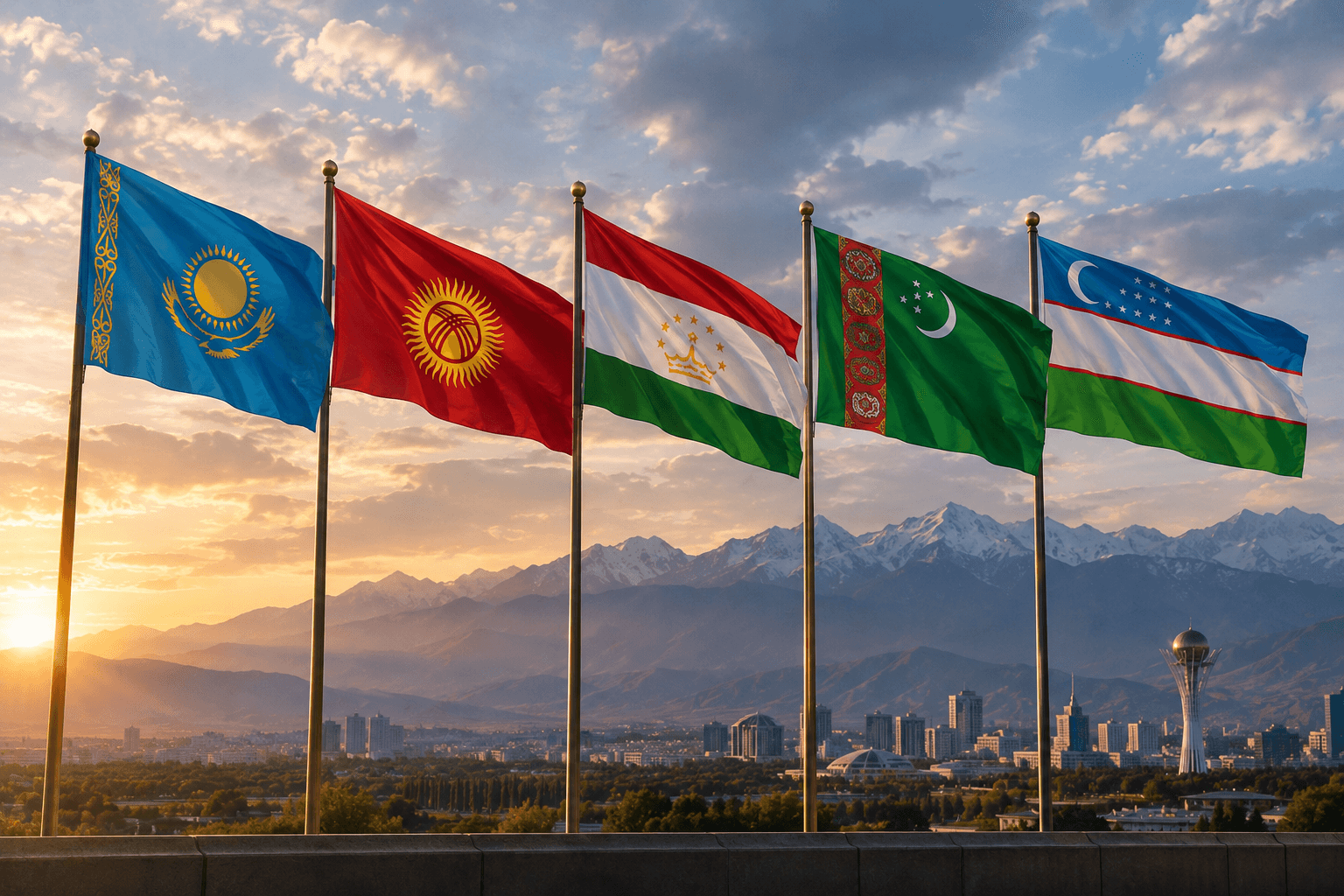
Pundits see the current surge of American interest in Kazakhstan, Uzbekistan, Kyrgyzstan, Tajikistan, and Turkmenistan through the lens of the Trump administration's transactional foreign policy: critical minerals, commercial deals, supply-chain security, and competition with China. There is certainly some truth in that interpretation, but it misses the larger story. Central Asia is not suddenly important because Washington has decided so. Washington is paying greater attention because Central Asia itself has changed.
The region that American investors largely dismissed over the last three decades as too poorly governed, too opaque, too far, and too difficult to navigate has spent years changing the conditions that made it unattractive. The transformation is incomplete (sometimes dramatically so) but it is real and Russia's war against Ukraine has accelerated it. The result is a region increasingly capable of turning geopolitical attention into economic opportunity.
From difficult destination to emerging partner
When the five Central Asian states emerged from the Soviet Union in 1991, they faced enormous structural disadvantages. Their economies were dominated by state enterprises, their institutions were inexperienced, borders and infrastructure were designed for a Soviet rather than an international economy, and transparency and rule of law were generally inadequate for Western investors. While all of those problems have not disappeared, they have in varying degrees been addressed.
Uzbekistan provides perhaps the clearest example. Since 2017, Tashkent has undertaken major reforms to liberalize its economy, reduce state dominance, and improve the environment for private investment. The World Bank now describes Uzbekistan as one of the world's top reformers, noting that real GDP growth averaged six percent annually between 2017 and 2025.
Kazakhstan has likewise spent decades building more sophisticated financial, regulatory, and commercial institutions. It has developed the Astana International Financial Centre, expanded the role and capabilities of KazMunayGas, strengthened its investment institutions, and increasingly sought to position itself as a regional logistics, energy, and financial hub. The World Bank's new 2026–31 country strategy explicitly emphasizes a "business-ready Kazakhstan" with greater private-sector participation, improved infrastructure, and stronger natural-resource management.
None of this means that Central Asia has suddenly become Switzerland. Corruption, state dominance, weak enforcement, political interference, and governance problems remain to varying degrees. The OECD continues to identify opacity, corruption risks and conflicts involving state-owned enterprises as important obstacles to investment in the region's critical-minerals sector.
But the relevant question is not whether Central Asia has solved these problems, but whether it has changed enough to become investable in areas that were previously considered too difficult. The answer increasingly appears to be yes and Russia's second invasion of Ukraine fundamentally contributed to the change.
Ukraine changed Central Asia
Moscow's 2022 offensive in Ukraine helped accelerate something Washington had sought unsuccessfully for decades: it encouraged Central Asian states to deepen cooperation with one another and reduce their dependence on Russia. This was not a sudden rejection of Moscow, but that conflict spawned substantial international sanctions designed to disrupt Moscow’s economy.
In so doing, the sanctions compelled Central Asia to diversify from much of its business-as-usual transit and trade with Russia and incentivized the region to develop new commercial avenues and partnerships that would avoid secondary sanctions. While Kazakhstan, Uzbekistan and the other Central Asian governments remain pragmatic and maintain important relations with Russia, they have begun to systematically create alternatives that reduce reliance on Moscow.
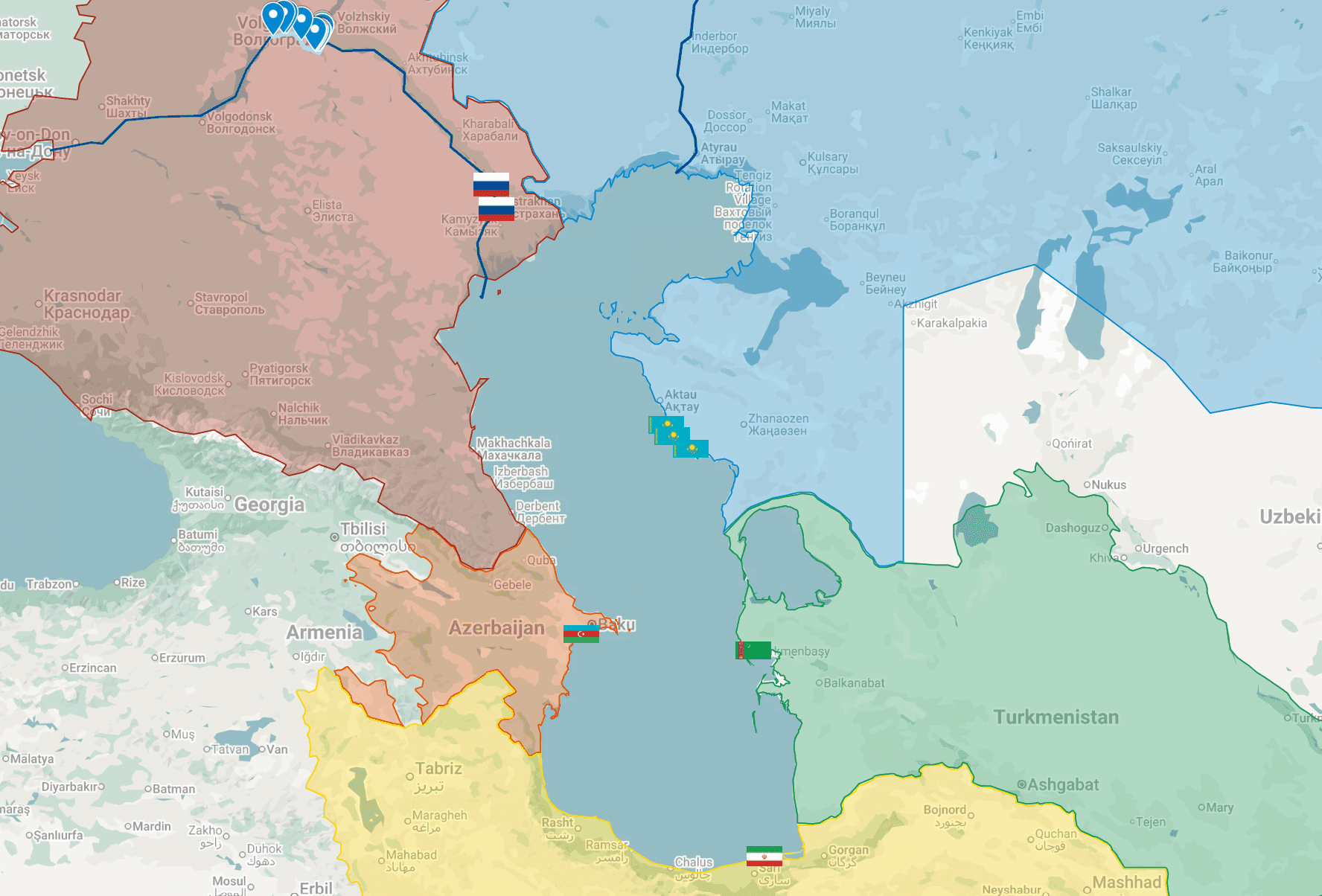
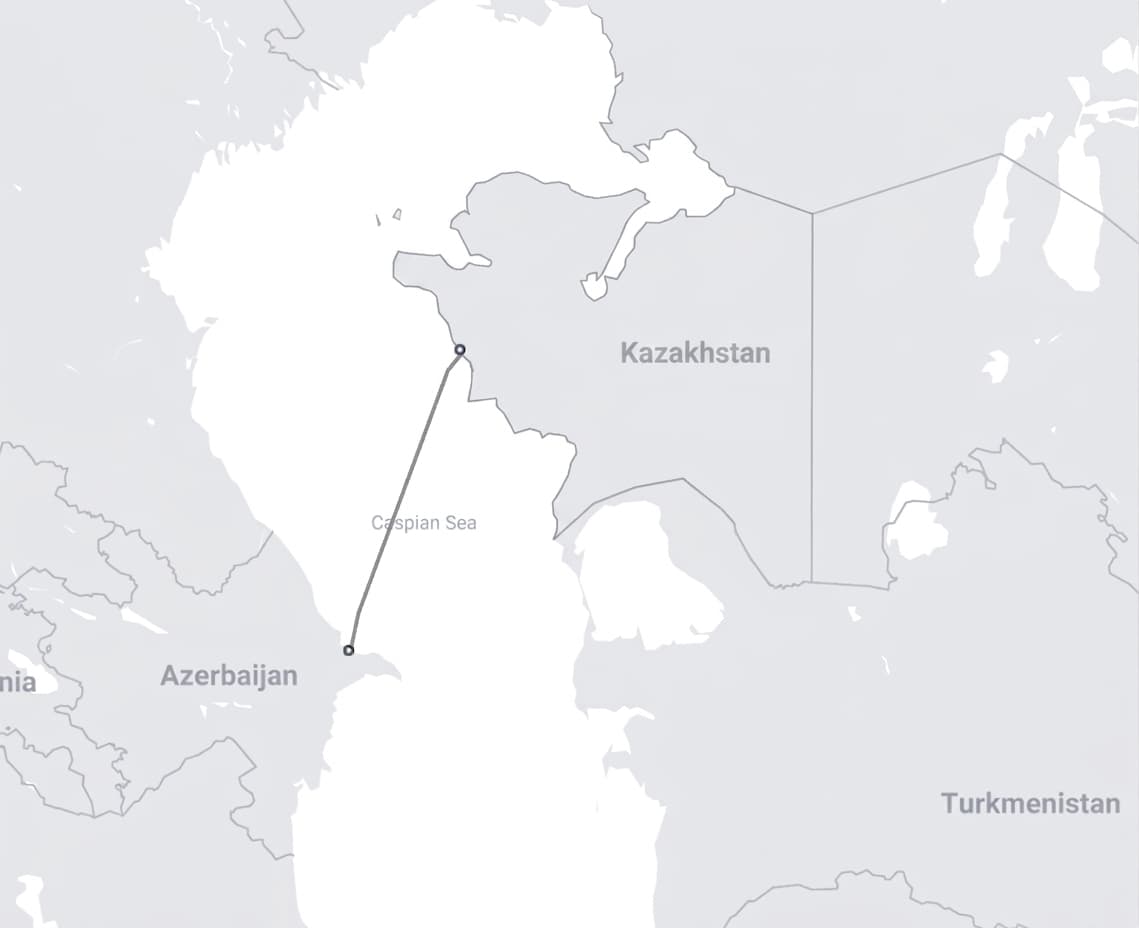
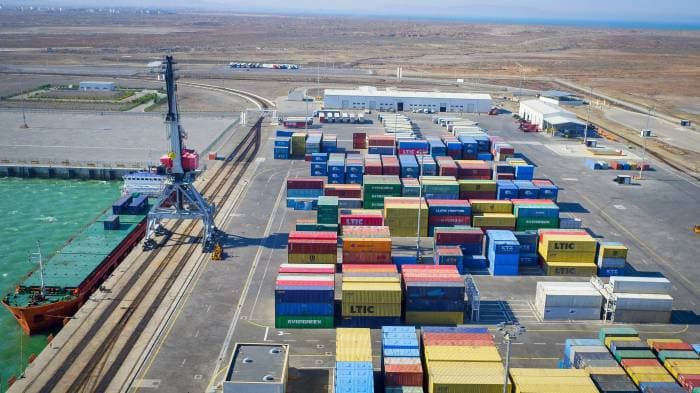
Building a network of east-west transportation routes, the countries are for the first time expanding regional cooperation and trade while also reaching across the Caspian to the South Caucasus, Türkiye, and Europe. Central Asian leaders are also forging new relationships with the United States, the Gulf states, China, Japan, and South Korea. The resulting Middle Corridor has created direct access to global markets, eschewing legacy infrastructure.
In other words, Central Asia is doing what Washington has long wanted Central Asia to do: become more sovereign, more interconnected, and less dependent upon any single outside power. That is perhaps the most important strategic consequence of the past four years.
Washington sees a difference
The most visible evidence is the remarkable expansion of American attention. The United States established a diplomatic framework with the five Central Asian states, known as the C5+1, in 2015. For years, however, it remained largely a mechanism for dialogue, until the imposition of international sanctions on Russia in 2022. Washington provided a sanctions exception and license for Astana’s crude oil that transits Russian territory and began a stable dialogue to minimize any impact on Astana’s economy.
Adopted in 2019, the United States strategy for Central Asia provided the basis for further advancing relations across a wide variety of sectors. Increasing reforms in the region prompted greater interest in Washington to develop new relationships. In 2023, President Biden hosted the first C5+1 Summit with Central Asian Presidents to target specific areas of cooperation. One example was the creation of Washington’s C5+1 Critical Minerals Dialogue in 2024, designed to connect Central Asian resources with global supply chains and attract investment into exploration, mining, and processing.
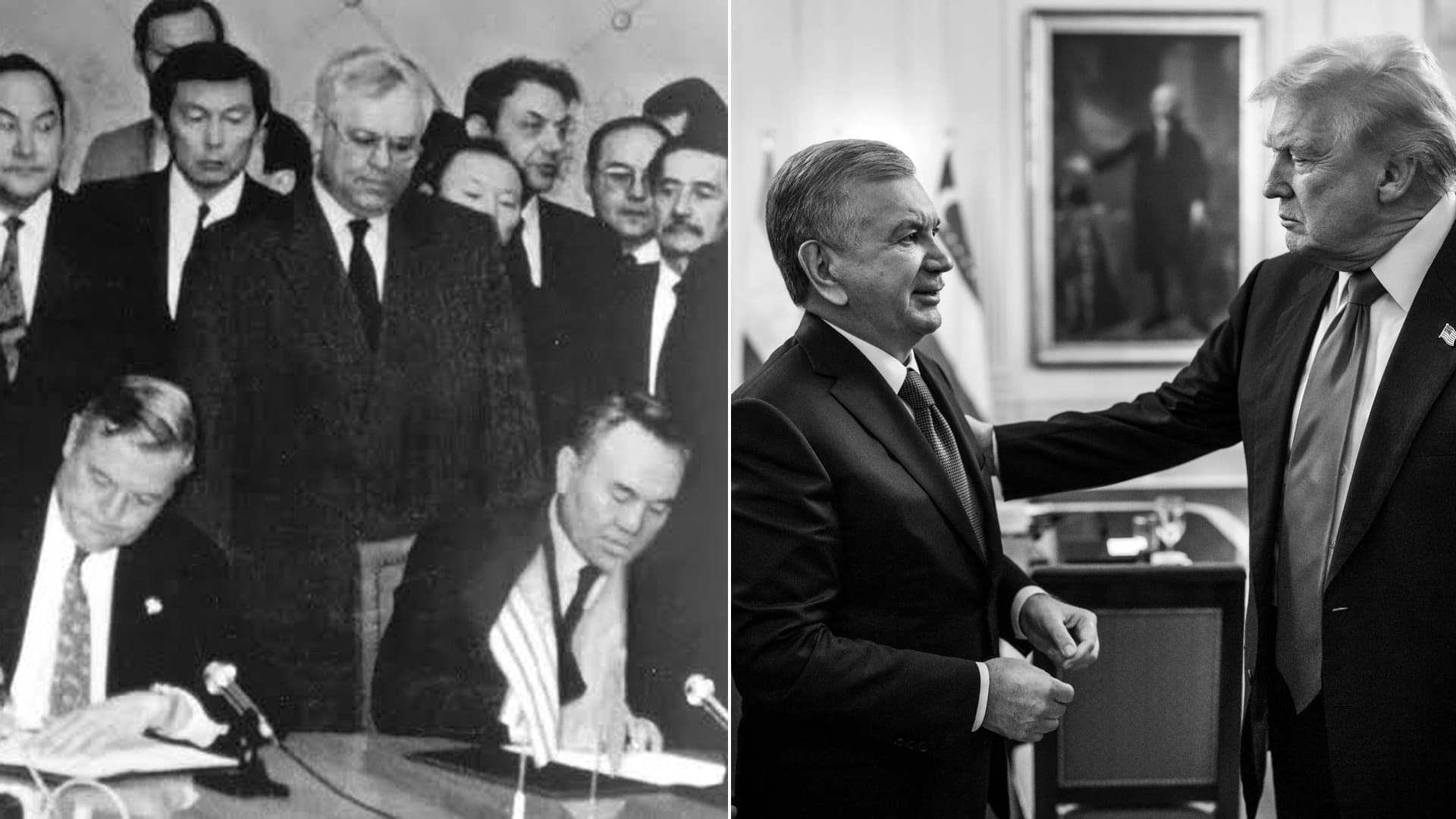
Building on the existing momentum, the returning Trump administration hosted a 2025 C5+1 summit in Washington which showcased more than $25 billion in commercial deals, memoranda, and commitments between American companies and the five Central Asian countries. That was not a diplomatic photo opportunity but evidence that the U.S. government and industries now see sufficient commercial value to put serious capital on the table.
This evolution is particularly apparent in the critical minerals sector. Central Asia possesses significant rare-earth and strategic mineral resources that are of continuing interest to Washington and a particular focus of the Trump administration. The advent and development of the Middle Corridor is understood in the United States as a potential export route for mineral resources. Kazakhstan and Uzbekistan joined the U.S.-led Minerals Security Partnership Forum, while the United States has signed geological cooperation agreements with both countries.
In February 2026, the United States backed a $1.1 billion deal involving California-based Cove Capital to develop two tungsten deposits in Kazakhstan—the first major U.S. entry into the country's critical-minerals sector, according to the OECD. This is a very different calculation from the first Trump administration.
The calculation has changed
During Trump's first term, the strategic logic for Central Asian critical minerals was already apparent. The United States was increasingly concerned about Chinese dominance of mineral supply chains, and Central Asia possessed resources that could theoretically help diversify them.
But geography mattered, Central Asia was far away. Transportation infrastructure was inadequate. Political and regulatory risks were high. Processing capacity was limited. Chinese and Russian companies already had established relationships. For an American company, the cost and complexity of entering the region often appeared disproportionate to the potential return. The calculation was essentially that minerals may be valuable, but the juice wasn't worth the squeeze. That calculation has changed.
Central Asian governments have improved their investment environment. The Middle Corridor is connecting Central Asia to Azerbaijan, Georgia, Türkiye, and Europe. China is investing heavily. Europe is providing financing and political support. Western companies now have more options for engaging with the region.
No longer waiting for Washington
This is why the current American interest should not be dismissed as another temporary Central Asian apparition. Kazakhstan does not need the United States to tell it that critical minerals matter. Uzbekistan does not need Washington to explain the importance of economic diversification. Azerbaijan and the Central Asian states do not need another American initiative to persuade them that alternative transportation routes are strategically valuable.
The countries in the region have a new-found agency and already reached those conclusions themselves. The United States is engaging at record levels following the region’s pivot to deeper global engagement. This transformation creates an unusual opportunity where Washington can now offer Central Asian governments access to American technology, capital, markets, expertise and geopolitical balance. In return, the United States gains access to resources and supply chains that can reduce dependence on China and strengthen the resilience of its own economy.
But Washington needs to resist the temptation to view Central Asia narrowly. The region's strategic value is broader than strategic minerals and encompasses energy, transportation, digital infrastructure, artificial intelligence, agriculture, nuclear power, logistics and increasingly sophisticated manufacturing. Critical minerals may be the door through which Washington enters deep Central Asian engagement but should not be the entire relationship.
Here to stay
Some suggest that Central Asia's current prominence will disappear with the next U.S. administration, however, that is a misconception and the underlying forces of change are much more durable. Central Asian governments have evolved, reformed, and are more sophisticated than they were thirty years ago. Their economies are larger, institutions stronger, and increasing more connected to global markets.
The region’s governments have learned that diversification provides needed optionality and leverage. While Russia will remain an important neighbor, and China the region's largest economic power. Europe will continue seeking energy, minerals, and new markets and the United States will continue to care about resilient supply chains and strategic competition.
Central Asia will remain purposefully relevant regardless of who occupies the White House. The real question is whether Washington can continue to translate current engagements into long-term partnerships. Central Asia is not choosing the United States as much as it is seeking diversification. The C5 countries have emerged from behind the shadow of their large neighbors and are not looking to become dependent on Washington. However, there is ample room for growth and investment as the region seeks to work with the United States and continues its efforts at economic reform.
Central Asia is not appearing on Washington's radar because of Donald Trump. It is appearing because Central Asia has changed and because the world around it has also changed with it. The opportunity now is to turn a convergence of interests into durable partnerships.
Eric Rudenshiold is a former National Security Council Director under Presidents Trump and Biden. He currently is a Senior Advisor at the Caspian Policy Center’s Washington office.