AFGHANISTAN AS A PART OF CENTRAL ASIA: THE CASE FOR REINTEGRATION


Author: Caspian Policy Center
10/22/2020 · 2 min read
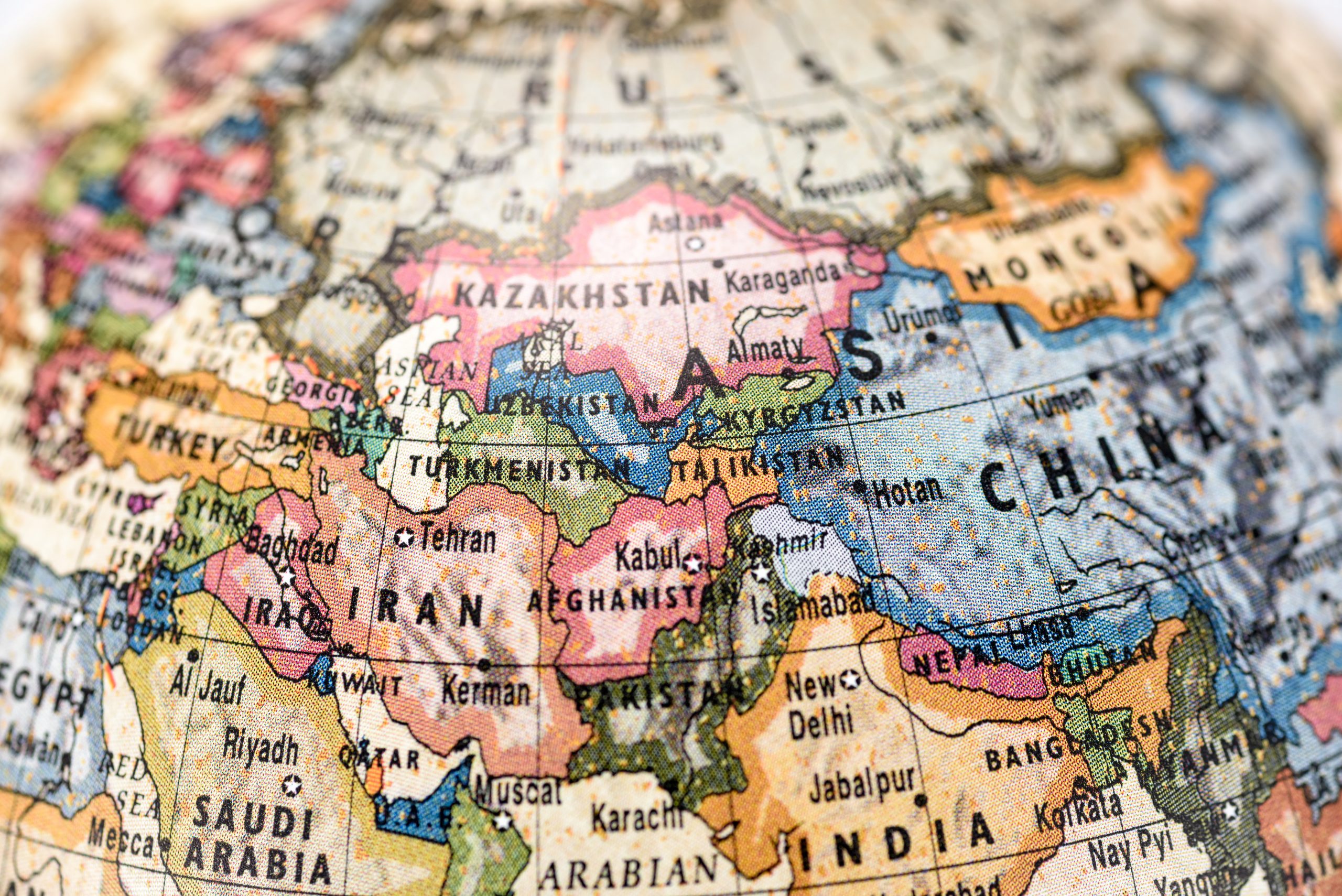
When considering the renowned Silk Road of the Middle Ages that passed through Central Asia, Afghanistan was an integral part of this “road.” However, in recent decades, due to politics and security concerns, Afghanistan has generally been seen as separate from Central Asia. Official U.S. policy for the next five years – the U.S. National Security Strategy for Central Asia – urges the five Central Asian nations to work toward including Afghanistan back into the fold. This would not only facilitate Afghanistan’s development but also improve regional connectivity and mitigate security concerns coming from Afghanistan. This plan seems logical, but in practice, it would be challenging to implement this reunification.
Before the polities that would make the Central Asian states of Kazakhstan, Kyrgyzstan, Tajikistan, Turkmenistan, and Uzbekistan were a part of the Soviet Union, Afghanistan was a natural part of Central Asia. However, Soviet rule over these five countries’ as Soviet Socialist Republics created cultural and political barriers that made it difficult for Afghanistan to be included among this grouping of Central Asian states. The Russian language became as a lingua franca, facilitating communication and cooperation among the five countries, but this further isolated Afghanistan. Additionally, Soviet infrastructure and influence led to a different direction of development for the nations than what Afghanistan experienced for much of the 20th century. Even so, Afghanistan and the Central Asian Soviet Republics were still linked by common historical and ethnic bonds. Just like most of the Central Asian countries, Afghanistan is a multiethnic state, home to considerable populations of ethnic Tajiks, Uzbeks, and Turkmens.