Headlines from the Caspian: October 26, 2026
Author: Caspian Policy Center
10/26/2026
Energy and Economy
U.S. and Central Asian Foreign Ministers Prioritize the Middle Corridor and Critical Minerals
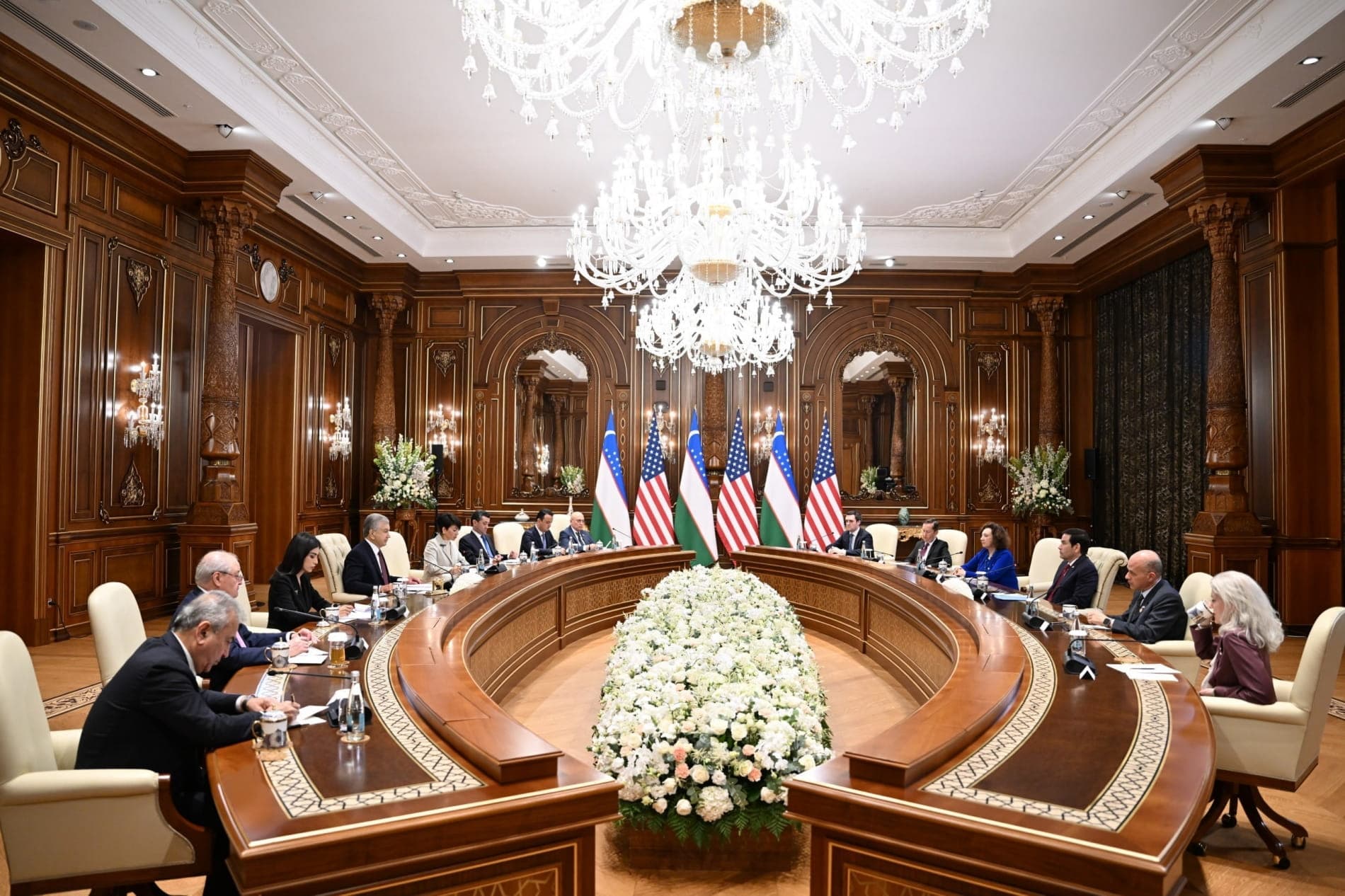
U.S. Secretary of State Marco Rubio met with the foreign ministers of Kazakhstan, Kyrgyzstan, Tajikistan, Turkmenistan, and Uzbekistan in Samarkand on October 19 for a C5+1 ministerial meeting. Discussions emphasized critical minerals, energy, industrial cooperation, cybersecurity, and the development of the Trans-Caspian / Middle Corridor trade route. The six governments supported investment in infrastructure and more efficient customs procedures to improve access to international markets while diversifying routes that currently depend heavily on Russia. Rubio’s visit also produced a significant bilateral announcement: Uzbekistan and the United States reported new agreements worth $12 billion, covering multiple sectors, including mining, energy, transportation, and technology. Uzbekistan also signed the U.S.-led Artemis Accords on peaceful space exploration.
Source: Reuters, Euronews, President of Uzbekistan
NVIDIA CEO Jensen Huang Visits Kazakhstan on October 23
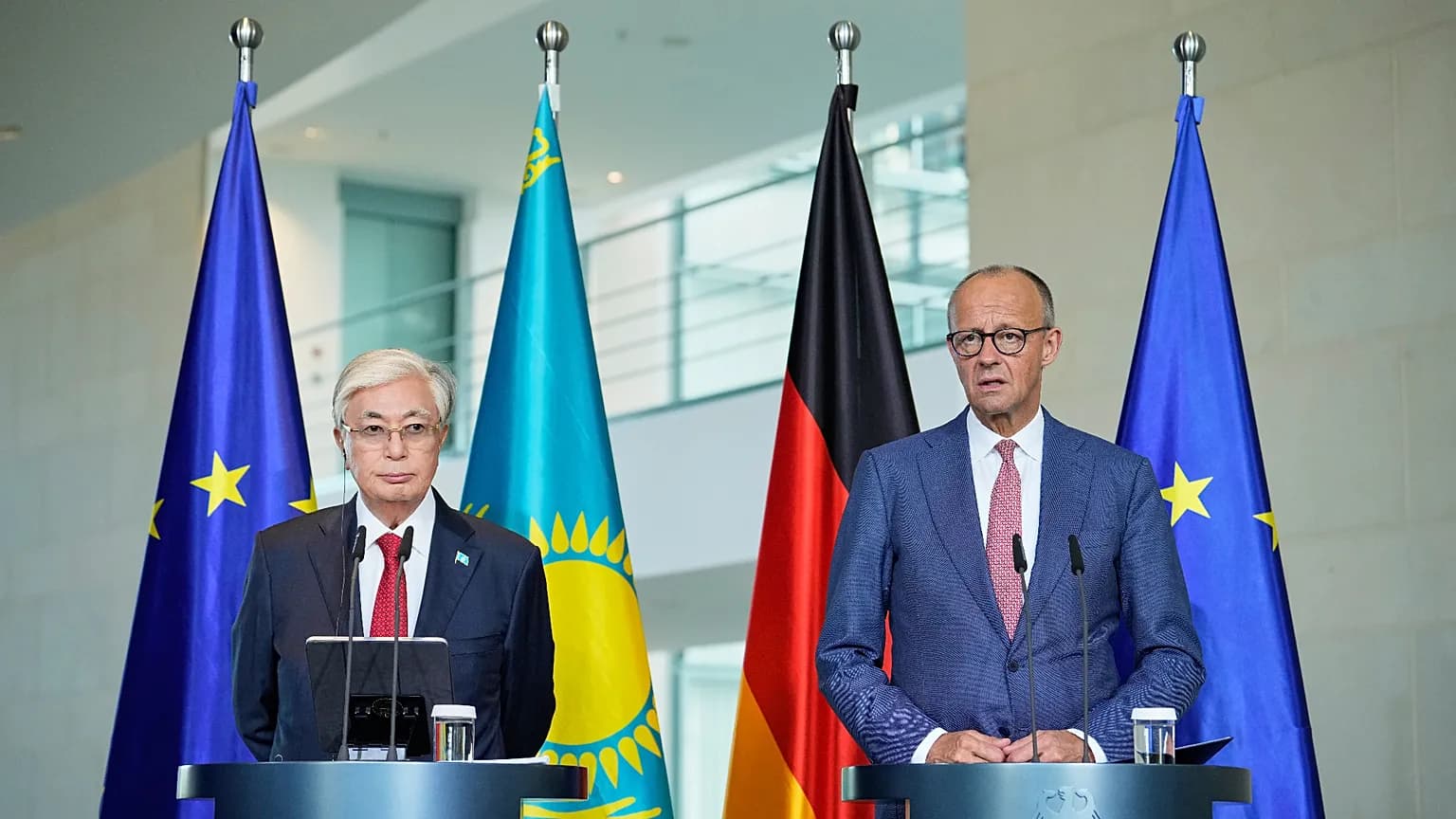
NVIDIA founder and CEO Jensen Huang met with Kazakhstan President Kassym-Jomart Tokayev, as well as other leaders in government and AI, in Astana on October 23. Huang spoke about domestic AI projects in a fireside chat with Alem.AI. Higgsfield, an AI video startup from Kazakhstan, has become the country’s first unicorn and attracted investment from top AI players, including Huang. The visit coincided with a signing ceremony for Firebird’s investment agreement with the government of Kazakhstan. Firebird’s AI infrastructure projects in Kazakhstan, built around advanced NVIDIA chips, are supporting the country’s goal to become an AI nation, and Huang’s visit is another strong endorsement of this vision.
Source: NVIDIA
United States Hopes to Bring Small Modular Nuclear Reactors to Uzbekistan
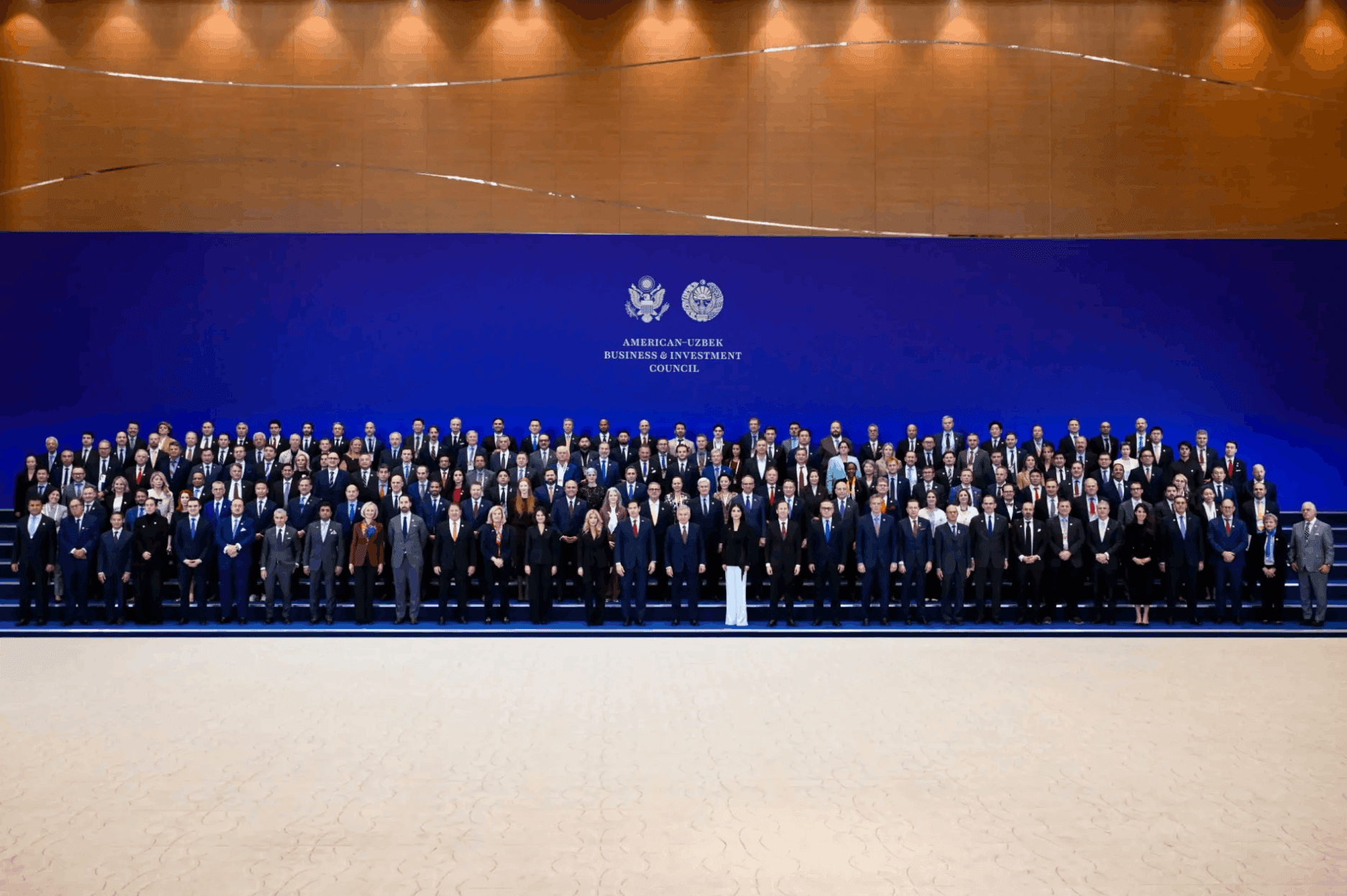
Addressing the U.S.-Uzbekistan Business and Investment Council on October 19, Secretary of State Marco Rubio advocated for the addition of American small modular nuclear reactors (SMRs) to Uzbekistan's power grid. Furthermore, he commented that the United States intended to help update Uzbekistan's electric grid and gas distribution network, which would allow Uzbekistan to match its increasing energy demand. Secretary Rubio also spoke about opportunities for cooperation between the U.S. and Uzbekistan regarding critical minerals, agriculture, and financial technology, among other fields.
Source: Times of Central Asia, Forth
Permanent Court of Arbitration Rules out $12B in Kazakhstan’s Claims in Kashagan Case Against Oil Companies
The Permanent Court of Arbitration, headquartered in the Hague, reached a decision on October 21 to rule out $12 billion of Kazakhstan’s claims against oil companies that are part of the Kashagan consortium. However, the court did allow $8 billion in claims to move forward. Kazakhstan initially filed its case against the consortium over environmental violations and for compensation due to production delays, which it puts at $130 billion in lost revenue. The consortium owns the Kashagan oil fields and has overseen the development of extraction and production.
Source: Eurasianet
Tajikistan Adopts New Migration Law to Assist Citizens Working Abroad
A new migration law in Tajikistan introduces a system for rating employers and aids citizens returning from abroad. The law also aims to help citizens of Tajikistan find work abroad through official recruitment channels. The system will create a register of foreign employers, including ratings based on working conditions, and allow for migrant workers to submit complaints. In turn, the authorities will be able to restrict cooperation with abusive companies. More than 702,000 people left Tajikistan to work abroad in 2025, even as Tajikistan itself faces labor shortages on critical projects like the Rogun Hydropower Plant. Remittances totaled 57.7% of Tajikistan’s GDP in 2025.
Source: The Times of Central Asia
Politics and Security
SCO Council of Heads of Government Convenes in Dushanbe
The 25th Council of the Heads of Government of the Shanghai Cooperation Organization (SCO) took place in Dushanbe, Tajikistan, on October 20, bringing together prime ministers from the member states. The parties discussed progress on SCO economic goals, including the establishment of the SCO Development Bank and a joint communiqué. The chairmanship for the council in 2027 will be passed to Uzbekistan.
Source: The Shanghai Cooperation Organization, Times of Central Asia
Ministerial Meeting Between Georgia and Central Asian Countries
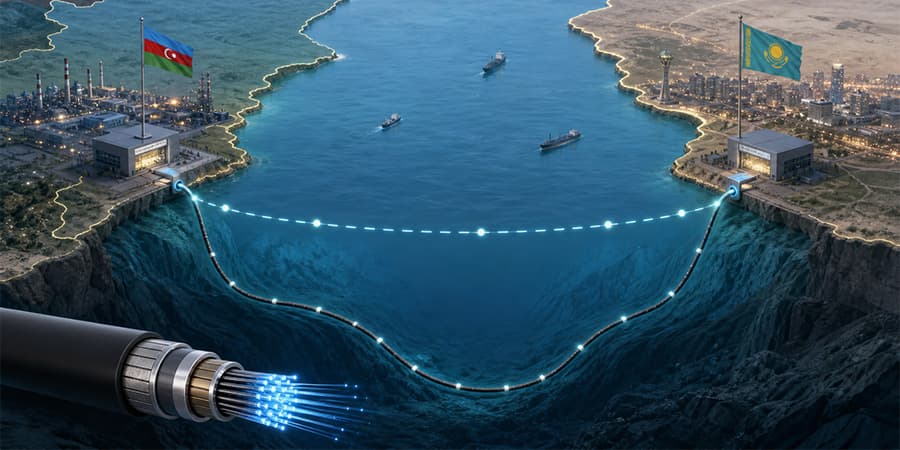
On October 23, the Central Asian and Georgian Foreign Ministers met in Batumi, Georgia, to discuss connectivity and infrastructure development on the Trans-Caspian International Transport Route, or the Middle Corridor. During the meeting, the Ministers emphasized shared goals of unifying logistics infrastructure and engaging the International Road Transport Union, the Organization for Cooperation between Railways and the International Maritime Organization. The Minister of Turkmenistan also mentioned the possibility of a fiber-optic cable from the Caspian Sea to the Black Sea. The Ministers were also able to visit the Batumi Sea Port to see Georgian port infrastructure.
Source: Trend, Turkmenistan.gov
Kyrgyzstan Holds Parliamentary Assembly of Turkic States
On October 20, Kyrgyzstan hosted the Parliamentary Assembly of Turkic States, or TURKPA, in Bishkek. The Session, which was named "Parliamentary Cooperation in the Turkic World in the Age of Artificial Intelligence and Technological Process," convened parliamentary representatives from Central Asia and Azerbaijan and provided a platform for discussion on intraregional connectivity and expanding trade along the Middle Corridor. The Secretary of the Organization of Turkic States was also present at the meeting, during which he spoke about the Organization's activity in the spheres of digitalization, cybersecurity, AI, and the preservation of Turkic identity and languages.
Source: Trend, Turkic States
ICAO Security Week Takes Place in Astana
The International Civil Aviation Organization (ICAO) Security Week took place October 20-22 in Astana, Kazakhstan. Over 1,000 participants from 62 countries gathered to discuss the modernization of aviation security, innovation and AI, workforce development, cybersecurity, addressing risks arising from conflict zones, and secure cargo and supply chains. Aviation security has come to the forefront as the Russia-Ukraine War and the conflict in Iran have affected states not involved in the fighting. Russia shot down an Azerbaijan Airlines flight in December 2024. Drones pose an emerging threat: Nakhchivan International Airport in Azerbaijan’s exclave was struck by an Iranian drone in March 2026, and an explosive drone was found at Leipzig Airport in Germany in August 2026. Aviation security is particularly critical in furthering the Trans-Caspian region’s integration into global supply chains.
Source: The Astana Times; ICAO
India’s Foreign Minister Visits Aliyev in Azerbaijan
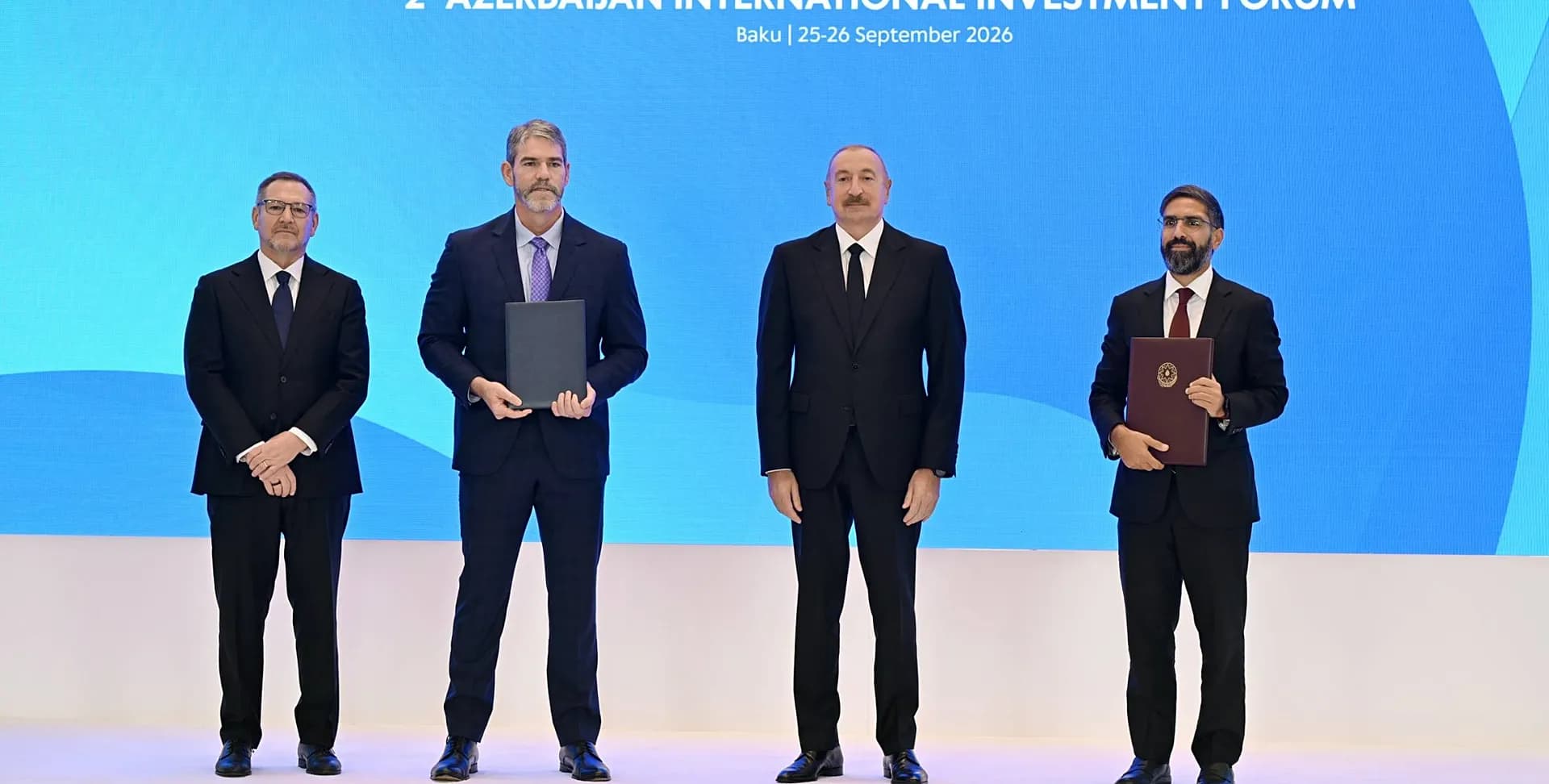
Indian Foreign Minister Subrahmanyam Jaishankar met with Azerbaijan’s President Ilham Aliyev in Baku on October 23. He also met with Azerbaijan’s Foreign Minister Jeyhun Bayramov to discuss furthering economic cooperation and investment in the energy sector. Jaishankar’s visit follows a meeting between Indian Prime Minister Narendra Modi and Aliyev on the sidelines of the Shanghai Cooperation Organization summit in Bishkek, Kyrgyzstan, earlier in October.
Source: OC Media
Azerbaijan Reportedly Purchased $235 Million Worth of Israeli Missiles and Rocket Systems
Israeli media outlet Globes suggests that Azerbaijan is the unnamed European customer for $235 million worth of precision-guided missiles and rocket artillery systems from Israeli defense company Elbit Systems. Azerbaijan first used Israeli weapons in the Second Karabakh War in 2020, and they continue to play a significant role in the nation’s armed forces. Weapon deliveries and the implementation of supporting logistics are expected to take place over three years. This follows the opening of a weapons factory in Azerbaijan earlier in October, with cooperation between Israeli company ARI Arms and Azerbaijan’s Defense Ministry.
Source: OC Media, European Security and Defense
Journalists for Kazakhstan’s Parliament Call for Rules Revision
A group of journalists have called for a change to new media rules surrounding coverage of the Kurultai, Kazakhstan’s new unicameral parliament. The journalists were particularly critical of restrictions on questions, which can only be relevant to the topics of the agenda. Multiple violations of this rule can lead to a loss of accreditation for those who work in the parliament. These rules have been implemented since the Kurultai first convened on August 28.
Source: Diplomat
China presses Tajikistan for Deeper Security and Intelligence Cooperation
Chinese Premier Li Qiang called for expanded security, law-enforcement, and intelligence cooperation with Tajikistan during talks with President Emomali Rahmon on October 19. Beijing urged Dushanbe to strengthen measures protecting Chinese citizens and to cooperate against terrorism, separatism, and extremism. China’s concerns reflect the risk of instability spilling across the region from Afghanistan, as well as the security of Chinese investments and personnel in Central Asia. The discussions followed the deaths of five Chinese nationals in Tajikistan late last year in attacks that authorities attributed to groups operating from Afghanistan.
Source: Reuters
A Proposed $5 Billion Central Asian Gas Network Aims to Improve Regional Energy Security
A proposal discussed at the Central Asia Oil and Gas Forum in Tashkent, Uzbekistan, would connect the gas transmission systems of Kazakhstan, Kyrgyzstan, Tajikistan, Turkmenistan, and Uzbekistan. Dubbed the “Central Asia Gas Ring,” the concept envisages more than 3,000 kilometers of new and upgraded pipelines, with an estimated cost of $5 billion and a potential annual throughput of around 20 billion cubic meters. The proposal seeks to address a longstanding regional mismatch: Turkmenistan has substantial gas resources, while other Central Asian countries face seasonal supply pressures, infrastructure constraints, or dependence on imports. A more integrated network could allow countries to redirect supplies during winter demand peaks and improve the use of existing pipelines, as well as create additional regional markets for Turkmenistan’s gas. Financing, pipeline upgrades, cross-border operating arrangements, and agreements among governments would all need to be resolved before the proposed project could proceed. Its significance lies in the growing discussion of regional energy infrastructure as a shared security concern rather than a collection of separate national systems.
Source: Euronews