Industrial Insights: Outcomes from Turkmenistan’s Oil and Gas Conference
Author: Kurtis Yan
10/29/2026
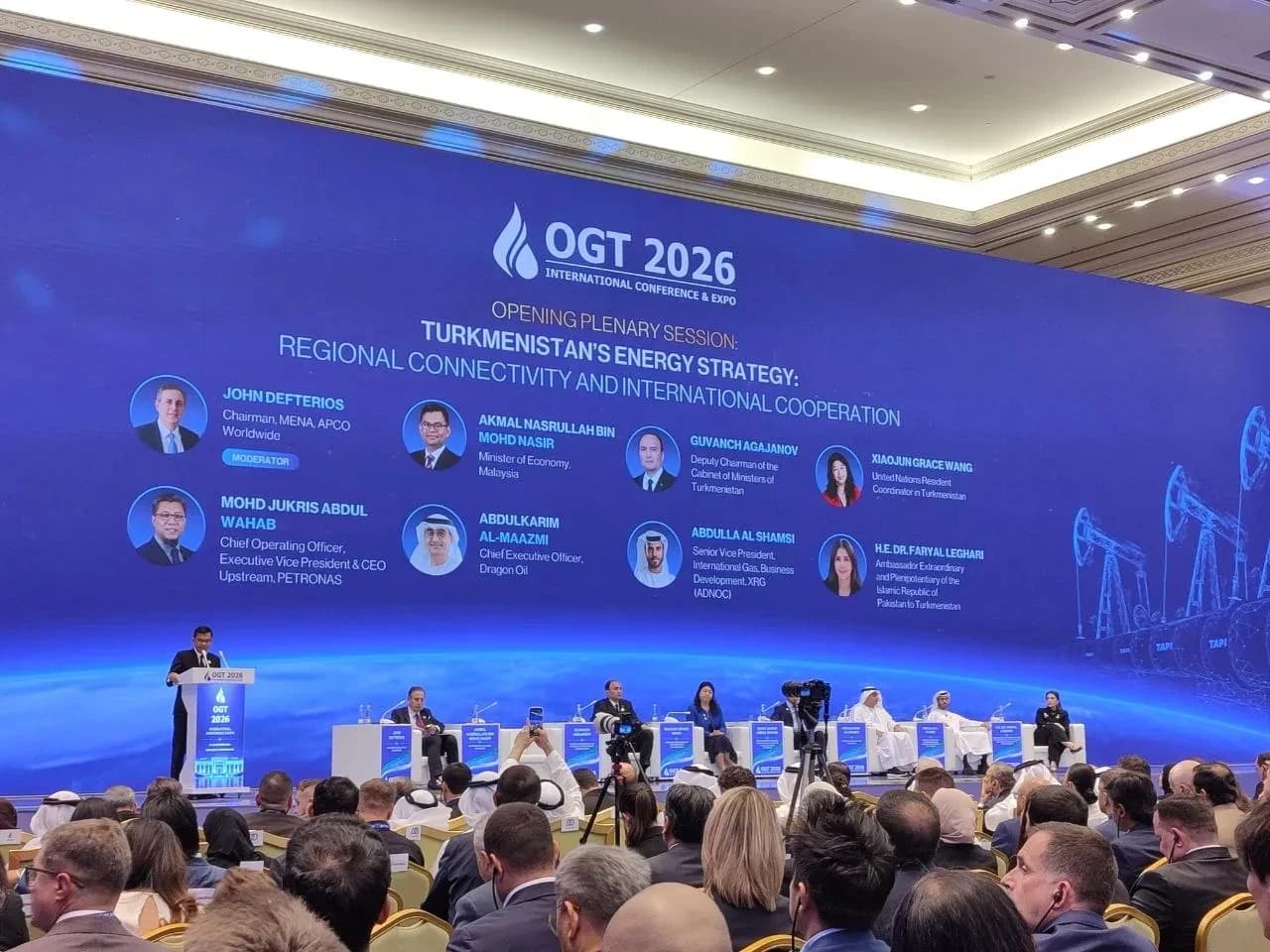
Turkmenistan is open for business and is continuing to serve as a center for natural gas and oil from both a market perspective and on the basis of new initiatives. This idea was reinforced during the 31st International Conference and Exhibition Oil and Gas of Turkmenistan (OGT 2026) in Ashgabat, October 21-23.
Efgan Nifti, the President and CEO of the Caspian Policy Center, was in attendance at the OGT 2026. Nifti remarked on the high level of attendance from a diverse pool of countries and companies. More than 1,700 delegates registered from over 450 companies and 75 countries, according to the Turkmen Energy Forum. Nifti’s overall impression during the event was Turkmenistan’s perceived desire to improve its transparency for foreign investment and business cooperation, along with the country’s overall transformation.
During the conference, new insights were shared on energy cooperation and the progress of projects in development, along with several agreements on further exploration, extraction, and infrastructure modernization. These agreements further solidify Turkmenistan’s role as a major current and future energy supplier and route for regional connectivity going forward.
Exploration and Development
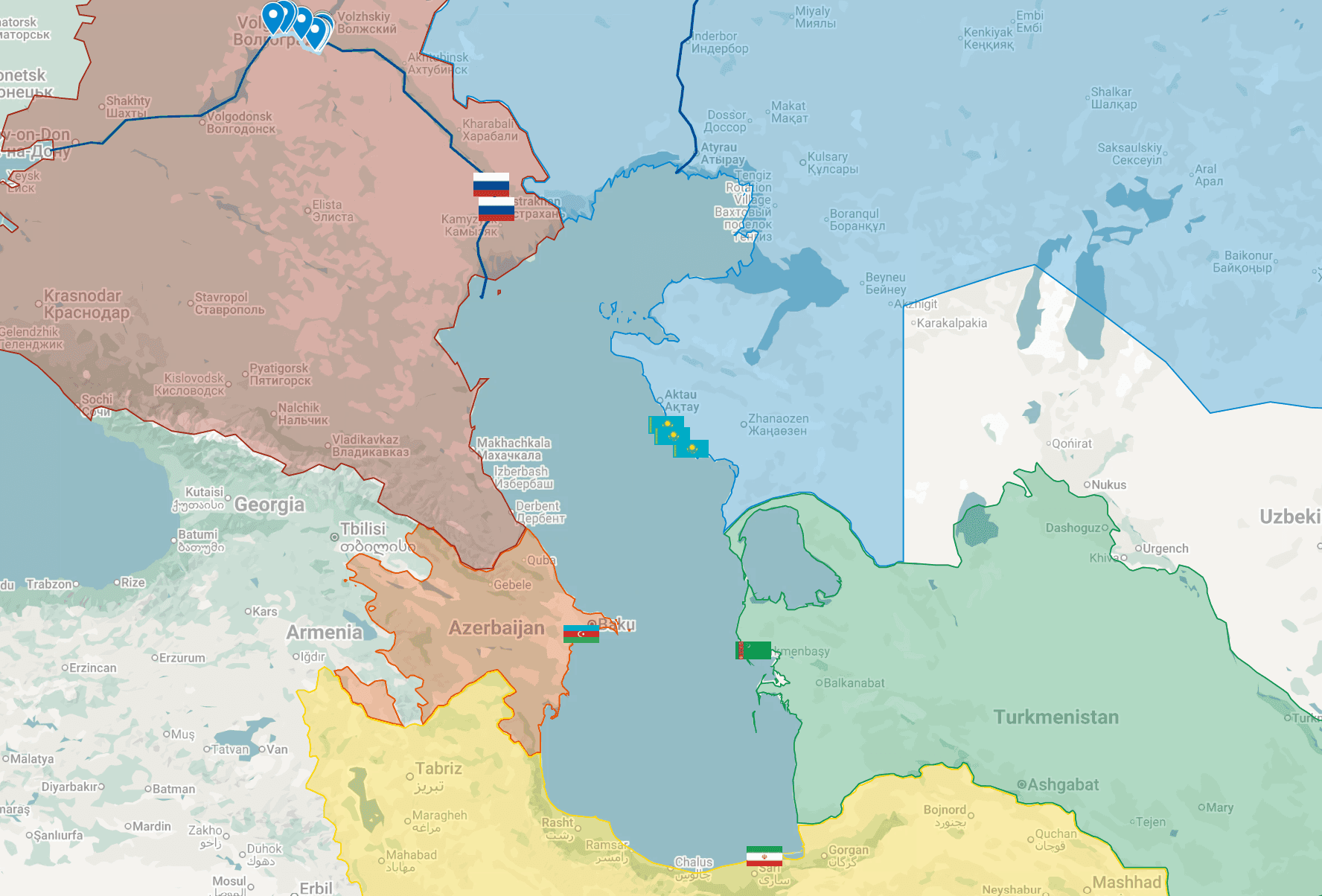
One sector of improved focus was exploration and the development of new reserves. This was reflected by a memorandum of understanding (MoU) signed between Türkmennebit—Turkmenistan’s state-owned enterprise (SOE) that manages hydrocarbon exploration and drilling—and China National Offshore Oil Corporation (CNOOC). The agreement calls on both parties to further cooperate in the Turkmen territory of the Caspian Sea.
Malaysia’s oil and gas SOE, Petronas, with an active footprint in Turkmenistan since 1996, also outlined plans for offshore exploration and drilling at three new wells in Blocks 19 and 20 in the Caspian Sea. Under the subsidiary Petronas Carigali in Turkmenistan, drilling is expected to begin by the end of 2026, with the goal of initial oil production within four years.
Technology and Infrastructure
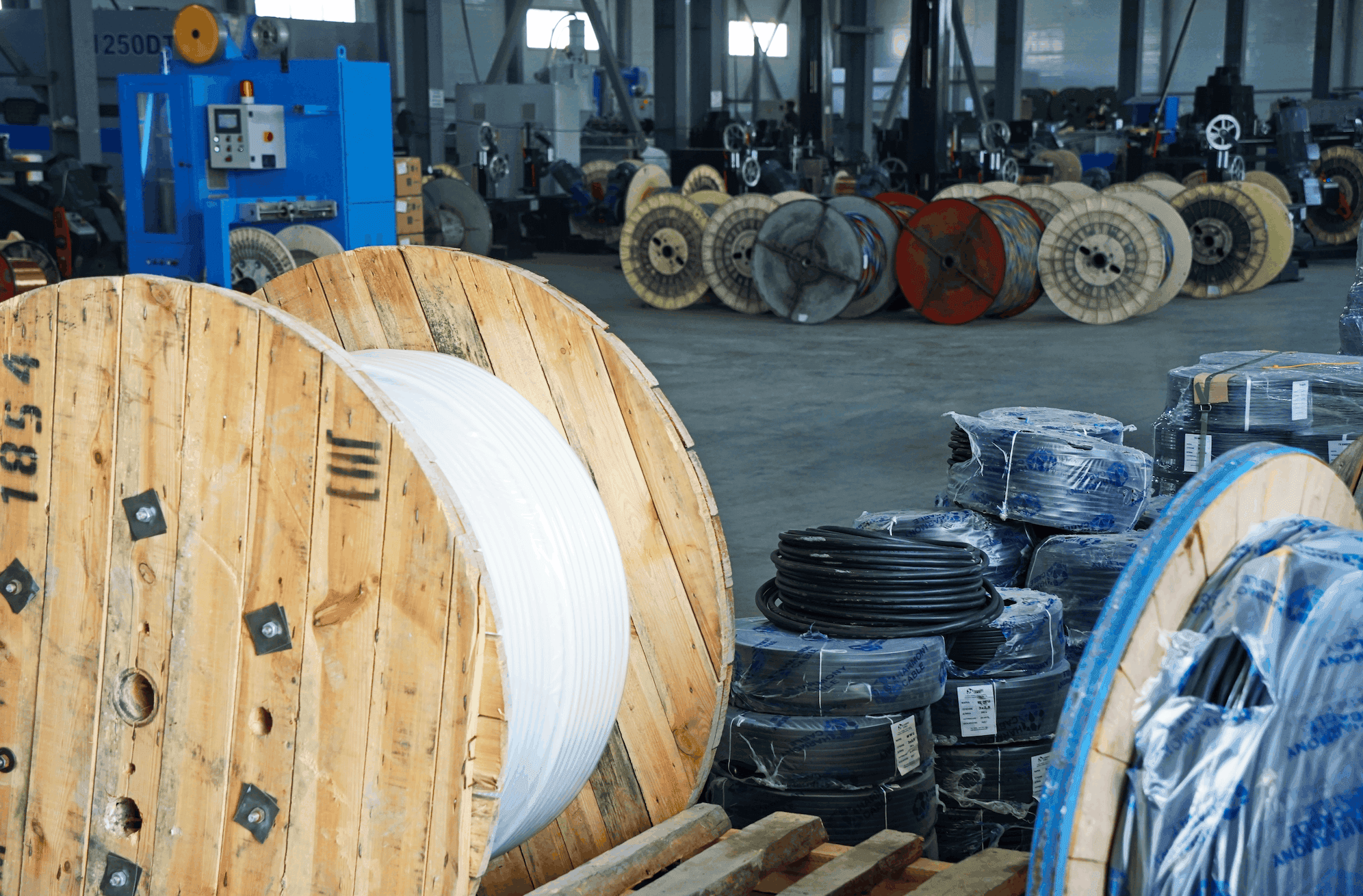
Contracts centered around procurement of industrial pipe equipment and supplies. Türkmengaz, Turkmenistan’s state enterprise, signed a contract to receive equipment from Galperin Tashkent Pipe Plant LLC. Two others were respectively signed with Chinese company Tenergy Equipment & Technology Co., Ltd., and Kazakh company KSP Steel. Türkmennebit also signed an MoU with Malaysia Petroleum Resources Corporation (MPRC) on the supply and integration of equipment and more modern technologies.
Separately, Turkmenistan’s President Serdar Berdimuhamedov signed a resolution to upgrade the country’s energy infrastructure and upgrade Türkmengaz’s equipment and technologies. This could help the SOE more efficiently extract and process natural gas.
New Projects in Turkmenistan
A consortium of Japan’s Kawasaki Heavy Industries, Turkmenhimiya, and Denmark’s Topsoe plan to construct a second gas-to-gasoline production station in Turkmenistan. Since 2019, the same consortium has operated the only existing gas-to-gasoline facility in Ovadan-Depe, Turkmenistan. Kawasaki primarily led construction, while Topsoe provided technologies, leading to an annual output of 600,000 tons of gasoline. The parties have also discussed the prospect of incorporating gas as a raw material to produce other refined gas products, such as jet fuel.
Meanwhile, Türkmengaz chairman Maksat Babayev announced that the tender process for its Front-End Engineering Design (FEED) storage program is almost complete. The international tender began in March earlier this year for a planned gas storage facility in Odjak field. Seven companies are currently under consideration, with known participation from companies based in Austria, Germany, and Türkiye. Ashgabat projects that the storage facility will have capacity of up to 5 billion cubic meters (bcm) of gas.
What Discourse and Foreign Interest Mean for Turkmenistan and the Region
The turnout for OTG 2026 and discussions on improving international energy cooperation, provide strong backing for it to diversify its supply chains. Panel discussions involved policymakers and industry representatives. A key takeaway was from the General Manager of Turkish company BOTAŞ, Abdulvahit Fidan, who stated that the Turkish entity is ready to help deliver Turkmenistan’s gas to Europe.
Turkmenistan maintains a vital role in global gas markets, but 90 percent of its production is directed to China, and Beijing leads its gas field development. If Ashgabat hopes to secure greater diversity in its clients and thereby improve its sovereignty and economic independence, it could look to capitalize on continual interest from foreign companies, particularly Western entities.
As energy supply chains across the globe face instability due to geopolitical uncertainty, Turkmenistan can help supply natural gas to prospective consumers and improve the Caspian Region’s political influence. Importantly, this would require strategic, targeted investment into regional logistical corridors from private companies and other governments, ensuring that a stable stream of energy resources can reach new markets.