COVID-19 Border Closures Impact Tajik Seasonal Workers


Author: Dante Schulz
03/30/2020 · 4 min read
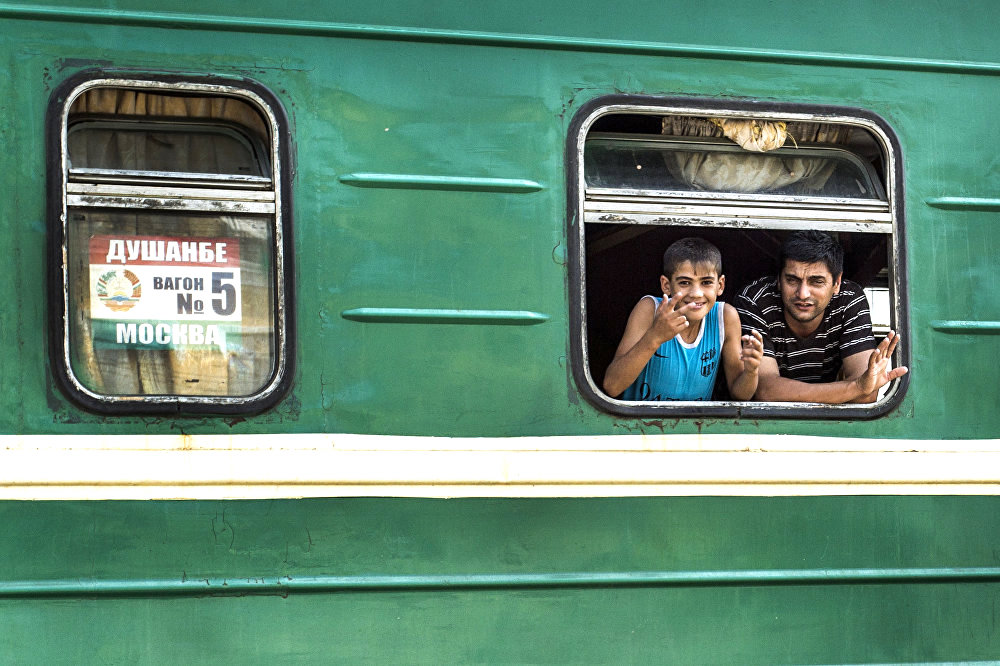
Countries around the world are rapidly imposing stringent policies as their governments struggle to contain the COVID-19 pandemic. The novel coronavirus has been detected in over 190 countries after it first began to spread globally in January. Most of the world’s population is now living in a country with stringent travel restrictions, implemented in an effort to deter the spread of COVID-19. Furthermore, thousands of people are left stranded abroad as countries abruptly announced flight cancellations and border closures. Several countries in the Caspian Region acted quickly to close their borders to foreigners, including Georgia, Kazakhstan, and Uzbekistan. Russia was one of the first countries to announce that its borders were closing to foreigners, with border closures slated to go in effect starting March 18 and to last until at least May 1.
Moscow’s decision to close Russian borders came as a surprise to the thousands of Tajik seasonal workers who migrate to Russia each spring. Migrant workers endure days-long bus rides to take jobs in agriculture, construction, and other industries across Russia. The sudden announcement thwarted the plans of thousands of Tajik migrant workers, leaving many of them stranded. Several Tajik migrants had already boarded buses or trains en route to Russia when they received the announcement of border closures from Kazakhstan and Uzbekistan and were forced to turn around. Others frantically attempted to book last-minute flights to Russia to gain entry before the borders officially closed for the lockdown period. Still, a majority of Tajiks planning to move to Russia for spring employment were left stranded and unable to secure a refund for their tickets.
Tajikistan remains heavily reliant on its neighbors to provide employment for its workforce. However, border closures have sent migrants scrambling to find new employment. Tajikistan is one of the poorest of the former Soviet republics. Unemployment rates in the country remain high and wages remain too low to support a family. The average monthly earning of a Tajik worker was just $140 in October 2019. In August 2016, only 56 percent of Tajik households claimed that their earnings were sufficient to buy enough food. Moreover, Tajikistan is the world’s most remittance-dependent country. In 2013, 49 percent of the GDP came from remittances. This makes Tajikistan’s economy heavily reliant on the policies and economies of foreign countries, specifically Russia, the destination of most Tajik migrants.
Tajikistan’s economy will be severely affected by COVID-19. For one, the drop in global demand for oil precipitated a price war between Saudi Arabia and Russia. Earlier this month, Saudi Arabia cut its oil prices as it anticipates an increase in production. This reduction in global oil prices sent the value of the Russian ruble plummeting to a four-year low. As many Tajiks rely on work in Russia, it will surely prove to be more difficult to find employment as the country feverishly looks to recover from this economic blow. In addition, the border closures will deny entry to virtually all Tajik seasonal migrants. These migrants will be forced to seek employment in Tajikistan, a country already riddled with internal economic problems. The unemployment rate will likely increase as larger numbers of Tajiks search for fewer positions, due to lower job demand arising from an economic slowdown caused by the COVID-19 pandemic.
The country, however, superficially appears unscathed by the global pandemic. President Emomali Rahmon dismissed suggestions from the World Health Organization to cancel festivities for the Nowruz spring holiday. Approximately 12,000 people packed into a stadium to enjoy dance performances, marches, and fireworks. Additionally, as of March 24, there were no reported cases of COVID-19 in Tajikistan, despite its common border with China and the presence of Chinese troops. President Rahmon attributed the absence of coronavirus in Tajikistan to the cleanliness of Tajik households and good hygienic practices. However, skeptics worry that if the virus were to begin spreading amongst Tajik communities, the lack of adequate healthcare facilities would devastate Tajikistan’s public health and economy. Tajikistan's government has already implemented containment policies to quarantine Tajiks entering the country from hard-hit areas and by restricting air traffic out of the country. However, President Rahmon has yet to suggest that any economic stimulus package will be made available in the event that the country is forced to shutter many of its businesses, as has been the case in neighboring Kazakhstan and Uzbekistan.

Nowruz celebration on March 23, 2020, in the city of Khujand, Tajikistan. Source: Eurasianet