American-Uzbekistan Business Forum: Potentially a Big Deal for Uzbekistan
Author: Julia Mohr, Kurtis Yan
10/26/2026
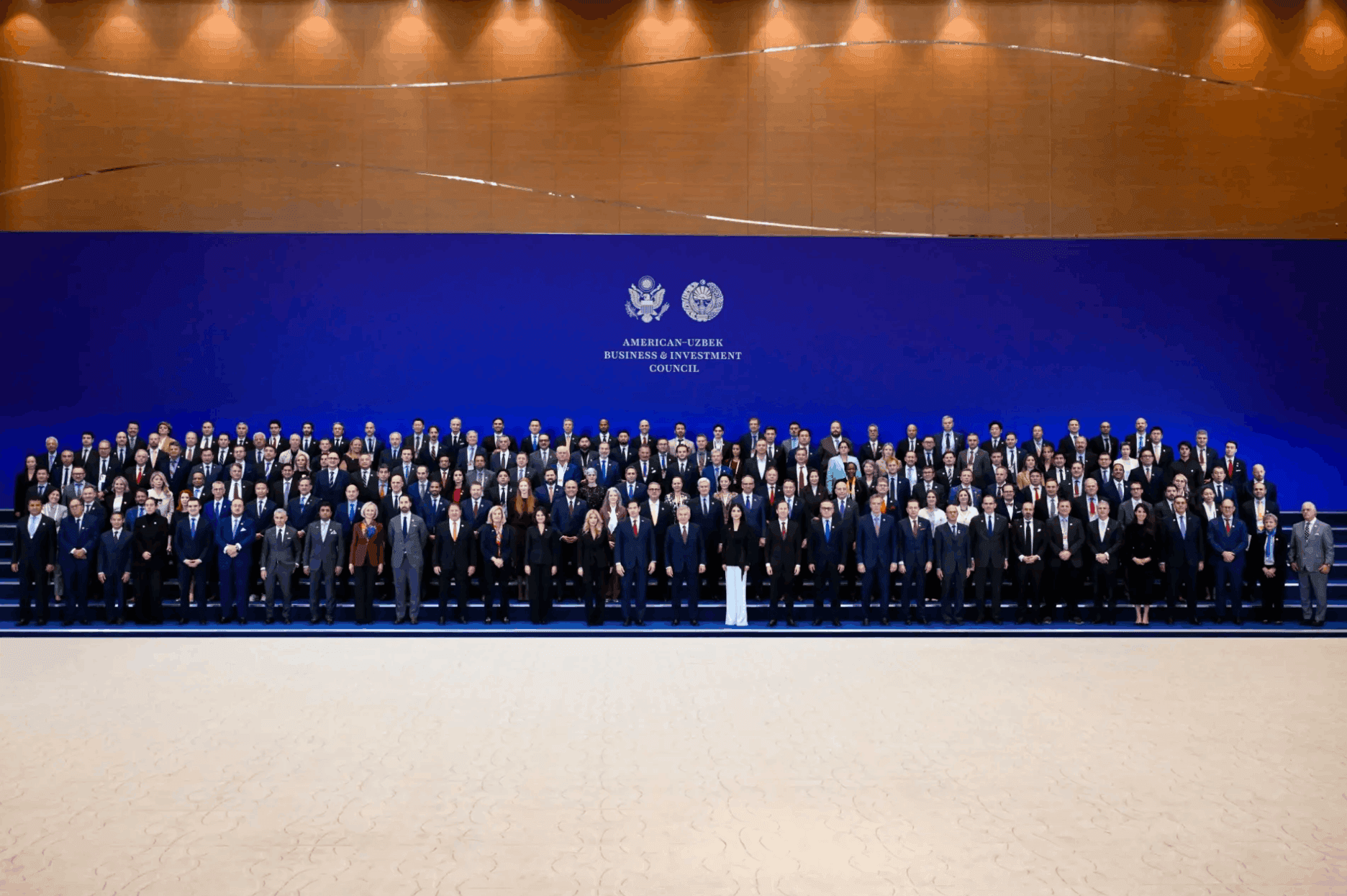
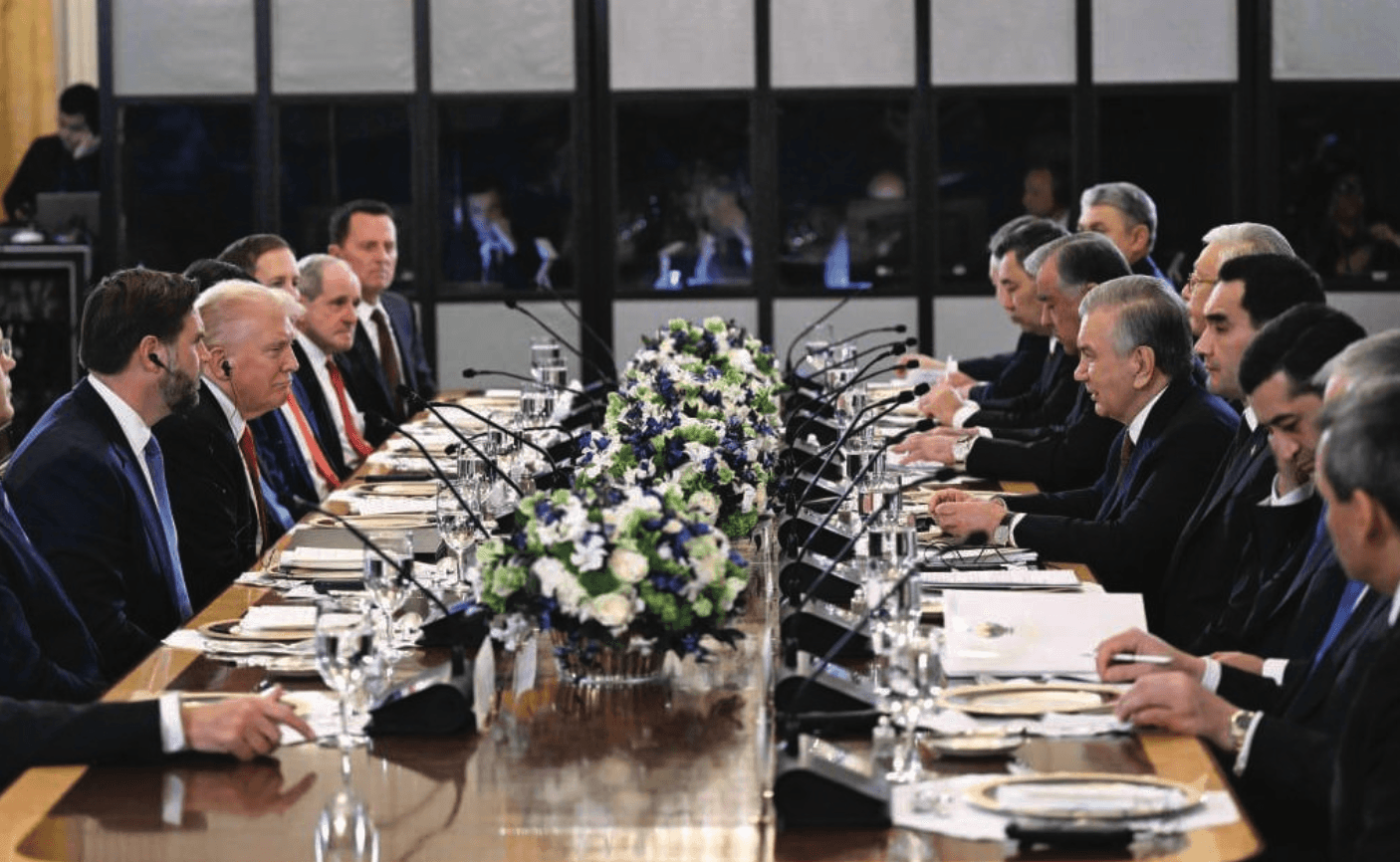
U.S. Secretary of State Marco Rubio’s recent visit to Uzbekistan reaffirmed ever-growing interest from American businesses to enter Uzbekistan. Although early press releases estimated the participation of around 100-200 business leaders, the exact number in attendance has yet to be published. Likewise, the number of concrete deals with proven financing is unconfirmed.
Despite the $12B in stated value for 54 deals at the second-ever American-Uzbek Business and Investment Council on October 19, it remains unclear how much real investment will come from these agreements. While the visit was a step forward in U.S. economic engagement with Uzbekistan and Central Asia more broadly, there is also much to be seen as far as long-term commitment.
The Forum should, thus, be viewed as a springboard for more targeted business cooperation in the future. The coverage promised unprecedented business agreements by hundreds of U.S. businessmen, with a sizable number of government officials. Measuring by diplomatic attention, the American-Uzbek Business and Investment Council was successful. But looking at the concrete business outcomes, the results are unclear without further details.
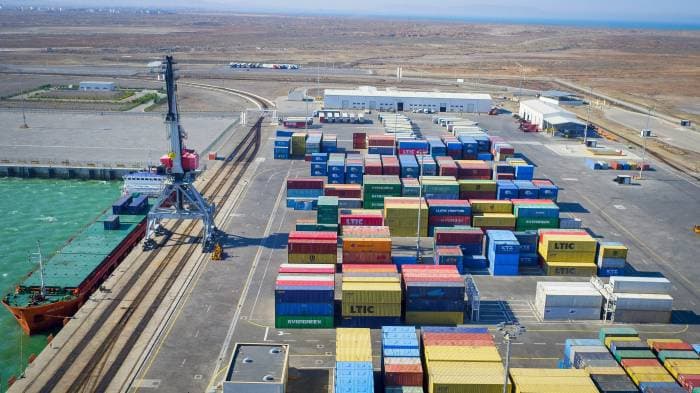
Logistics
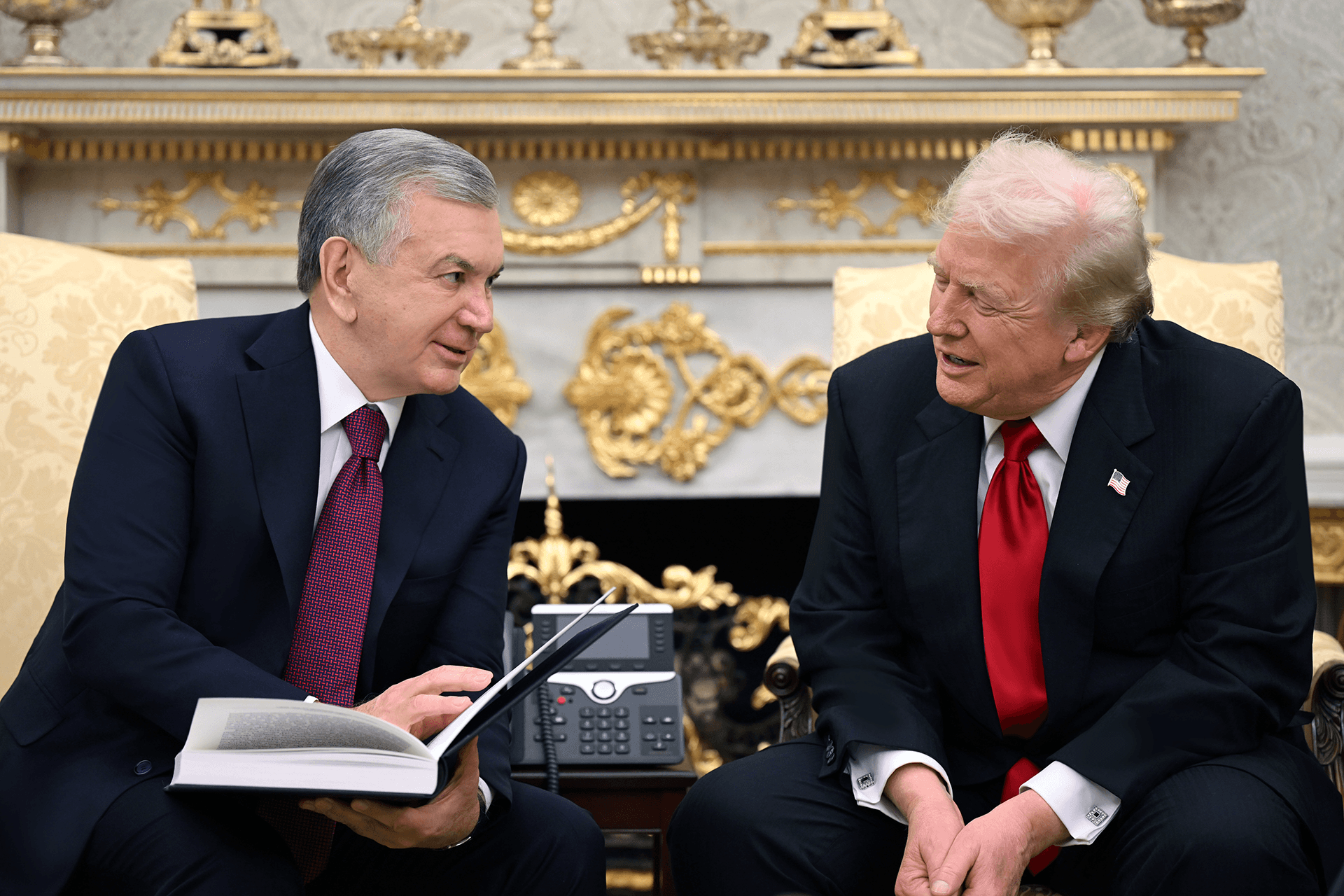
As for the participating American businesses, several high-level discussions took place between American companies and Uzbek officials across economic sectors. On logistics and connectivity, Uzbekistan President Shavkat Mirziyoyev met with Wabtec’s chief executive officer Rafael Santana as the two discussed a proposal to expand Uzbekistan's locomotive fleet and provide maintenance for it.
GE Aerospace also agreed to provide engines to Uzbekistan Airways and met with Uzbekistan officials to create training programs for Uzbekistanis working in the aviation industry. This aligns with Uzbekistan’s goals of improving human connectivity and expanding flights for its tourism sector.
Foreign Investment and Financial Networks
President Mirziyoyev met with Jenny Johnson, the CEO of Franklin Templeton, as Uzbekistan’s state-owned businesses prepare to sell shares. Prior to their meeting, the Uzbekistan National Investment Fund was listed on the London and Tashkent stock exchanges.
While coverage of the Forum highlights deals between Uzbekistan and American companies BlackRock and Citigroup, neither company has publicized the details or value of their arrangements. However, BlackRock has recently shown interest in Kazakhstan and Uzbekistan, given their economic growth and government reforms, which the company's chief investment strategies states will attract and facilitate international investment. Furthermore, Uzbekistan's private sector has engaged with Citi previously regarding investment. Oppenheimer & Co signed an agreement with the Tashkent city authorities regarding future infrastructure deals, expanding access to international investments and facilitating external investment within Uzbekistan's capital.
Critical Minerals
Exploration and processing were focal points during minerals discussions between parties at the forum. During the Forum, Traxys CEO Mark Kristoff met with Mirziyoyev to discuss further projects relating to exploration, extraction, and processing of critical minerals. The critical minerals company recently opened an office in Tashkent. Trafigura was also recognized by Tashkent for its cooperation in geological exploration and mine development.
ReElement Technologies met with Uzbekistan’s Investment, Industry and Trade Minister Laziz Kudratov to discuss the launch of a joint pilot processing project. ReElement Technologies and Uzbekistan hope to deploy modern and advanced processing technologies, which it already uses to separate rare earths and refine battery materials in the U.S.
Additionally, CEO of the Cove Capital Group Pini Althaus posted on LinkedIn that the Business Forum provided a platform to speak with Kazakh government officials about the Severniy Katpar tungsten project.
Other Sectors
Building upon efforts to improve digital connectivity, Uzbekistan also discussed the modernization of telecommunications infrastructure and digital network services with VEON, a Dubai-based company that operates in Central Asia through Beeline. Just last month, Amazon Leo, Amazon’s low earth orbit satellite branch, announced a partnership with Uztelecom to provide satellite internet to Uzbekistan one month ago.
Uzbekistan’s Ministry of Agriculture held several discussions with leaders in farming and agricultural practices and production. Uzbekistan and the International Maize and Wheat Improvement Center mulled over ways to reduce breeding time for wheat crop varieties. The ministry also met with Valmont Industries to discuss the deployment of mechanized irrigation systems in Uzbekistan.
A similar meeting was held on climate and food security with the Rockefeller Foundation on October 21. That same day, Tashkent Mayor Shavkat Umurzakov met with Aquatech International to explore cooperation on modernizing water and waste treatment in the capital city.
What we’re watching
The second meeting of the American-Uzbek Business and Investment Council proved useful in connecting Uzbekistan with more leading American companies. It builds upon a connected stream of business deals that demonstrate growing U.S. interest in the country. However, given the lack of announced, concrete deals to emerge from the forum, the end result remains somewhat aspirational without further details on the business agreements.
Perceptions over Uzbekistan’s prior history of bureaucratic difficulties for international businesses may still raise concerns related to transparency and legal codes. That said, Tashkent certainly identifies with the benefits of a more open economic space. From tourism to the development of the Tashkent International Financial Center (TIFC), Uzbekistan seems to be signaling its further interest in private business engagement with the U.S. Rubio’s business delegation helped to maintain this momentum.