The Middle Corridor Goes Digital


Author: Dr. Akbota Karibayeva Meyer
10/23/2026
 shutterstock
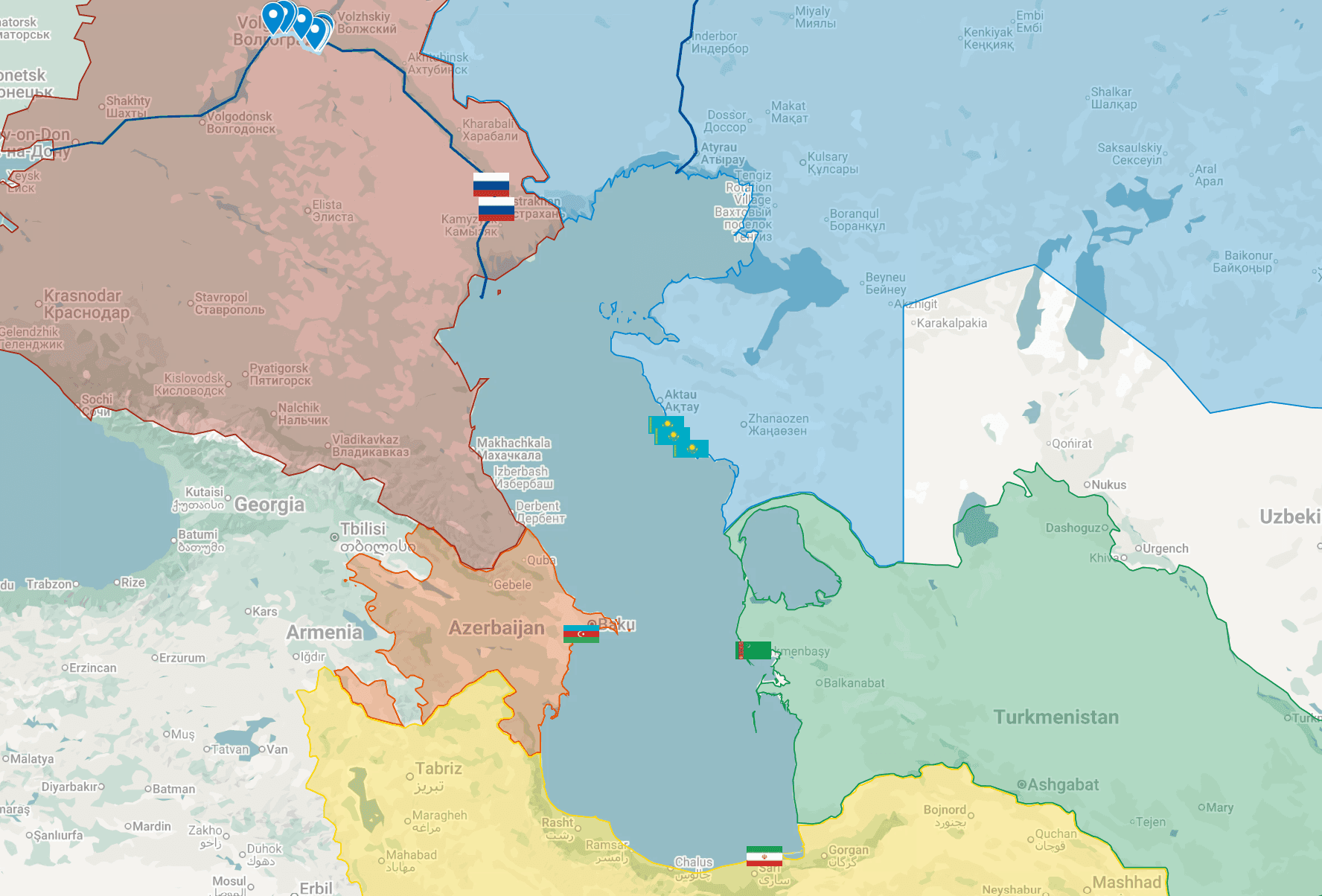
For years, Washington and Brussels have promoted the Trans-Caspian International Transport Route (also known as the Middle Corridor)—the east-west trade route connecting China and Central Asia to Europe through the Caspian Sea, Azerbaijan, Georgia, and Turkey—as an alternative to moving goods through Russia. This strategic route gained urgency after Russia’s 2022 invasion of Ukraine and the international sanctions that followed. Fiber-optic cables represent the Middle Corridor’s digital layer and are as vital as pipelines for modern economic activity.
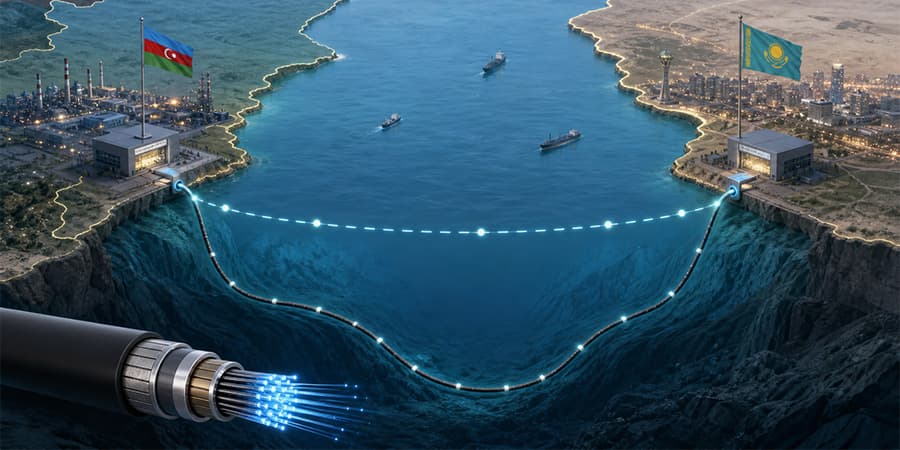
The leaders of Azerbaijan and the five Central Asian states are fully aware of this. On August 5, a submarine cable laid from Sumgait, Azerbaijan, reached the Kazakh coast, completing the seabed stage of the Trans-Caspian Fiber Optic Cable. Commercial service is expected to come online by the end of 2026. The 380-kilometer (236-mile) link, a joint venture between Kazakhtelecom and AzerTelecom, may be modest by global submarine-cable standards, but its significance is hard to overstate. It opens the first high-capacity data path from Central Asia to Europe that avoids Russian territory.
A second digital artery is also taking shape. The Trump Route for International Peace and Prosperity (TRIPP) emerged from the peace framework Azerbaijan and Armenia signed at the White House in August 2025. It runs across Armenia, linking mainland Azerbaijan with its Nakhchivan exclave and onward to Turkey. The TRIPP Development Company, in which the United States holds a 74-percent stake, manages the route under a 49-year lease. Its digital component is already commercially anchored. In June, Telecom Armenia and AzerTelecom signed a reciprocal transit agreement, opening the way for a fiber-optic link to Nakhchivan through Armenia.
These projects will also support the region’s effort to build artificial intelligence capacity. Three years ago, Central Asia and the South Caucasus lacked the powerful computer chips essential to run AI. Today, Kazakhstan operates two supercomputers built on Nvidia H200 hardware; Azerbaijan brought its own Nvidia-based supercomputer center online in December 2025; and Tajikistan paired a GPU cluster with its hydropower potential in a mountainous Darvoz region.
The full version of this article was originally published by The National Interest and can be accessed here.