Avaza and Beyond: The Future of C6 Regional Cooperation
Author: Caspian Policy Center
10/27/2026
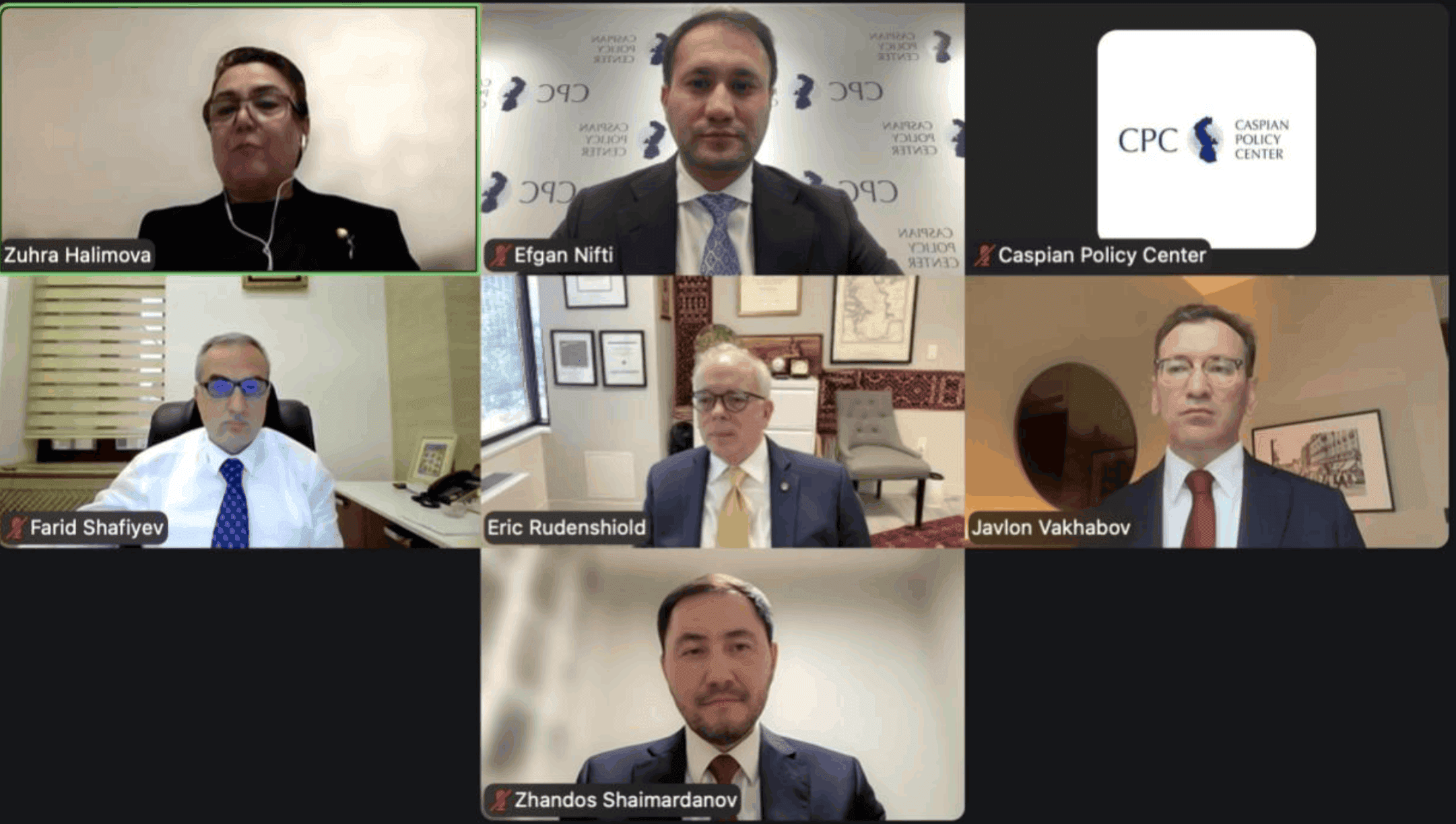
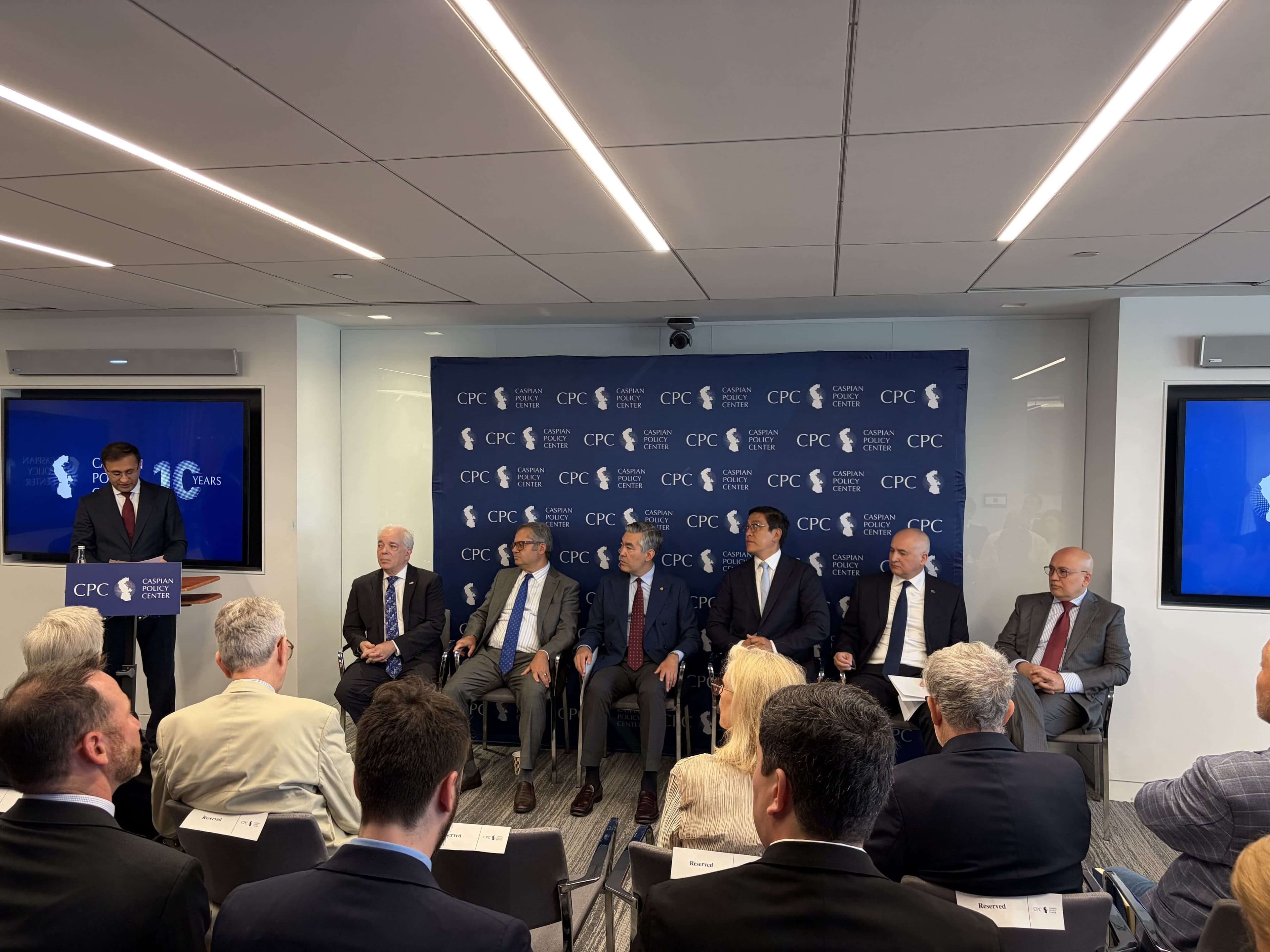
October 15 - The recent C6 Summit in Avaza, Turkmenistan, marked a significant milestone in advancing regional cooperation among the five Central Asian countries and Azerbaijan. Building on years of expanding political dialogue and economic engagement, the summit was the first formal consultative meeting of the C6 format since Azerbaijan became a full participant in November 2025, signaling a new chapter in regional integration and collaboration. On October 15, the Caspian Policy Center (CPC) hosted a webinar discussion, entitled “Avaza and Beyond: The Future of C6 Regional Cooperation”, to examine how the C6 countries can sustain and build upon this growing momentum. Panelists included Farid Shafiyev, Chairman of the Center for Analysis of International Relations and Multiculturalism (AIR Center); Zhandos Shaimardanov, Director of the Kazakhstan Institute for Strategic Studies (KAZISS); Zuhra Halimova, Senior Advisor at CAPS Unlock; and Javlon Vakhabov, Managing Director of the International Institute for Central Asia (IICA). The discussion was moderated by Dr. Eric Rudenshiold, Senior Fellow at CPC.
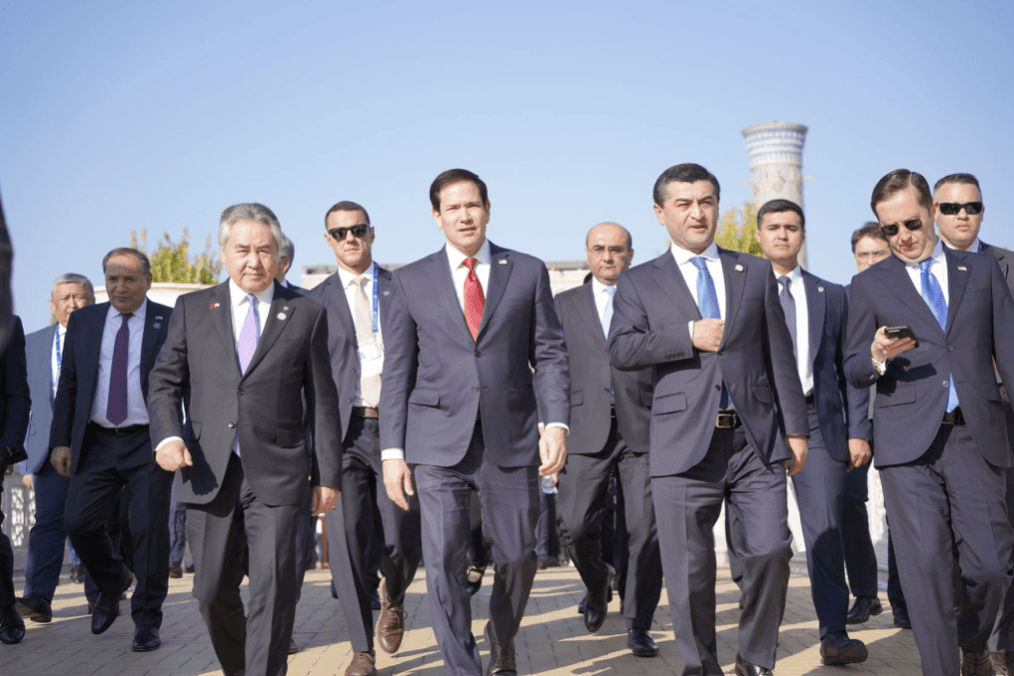
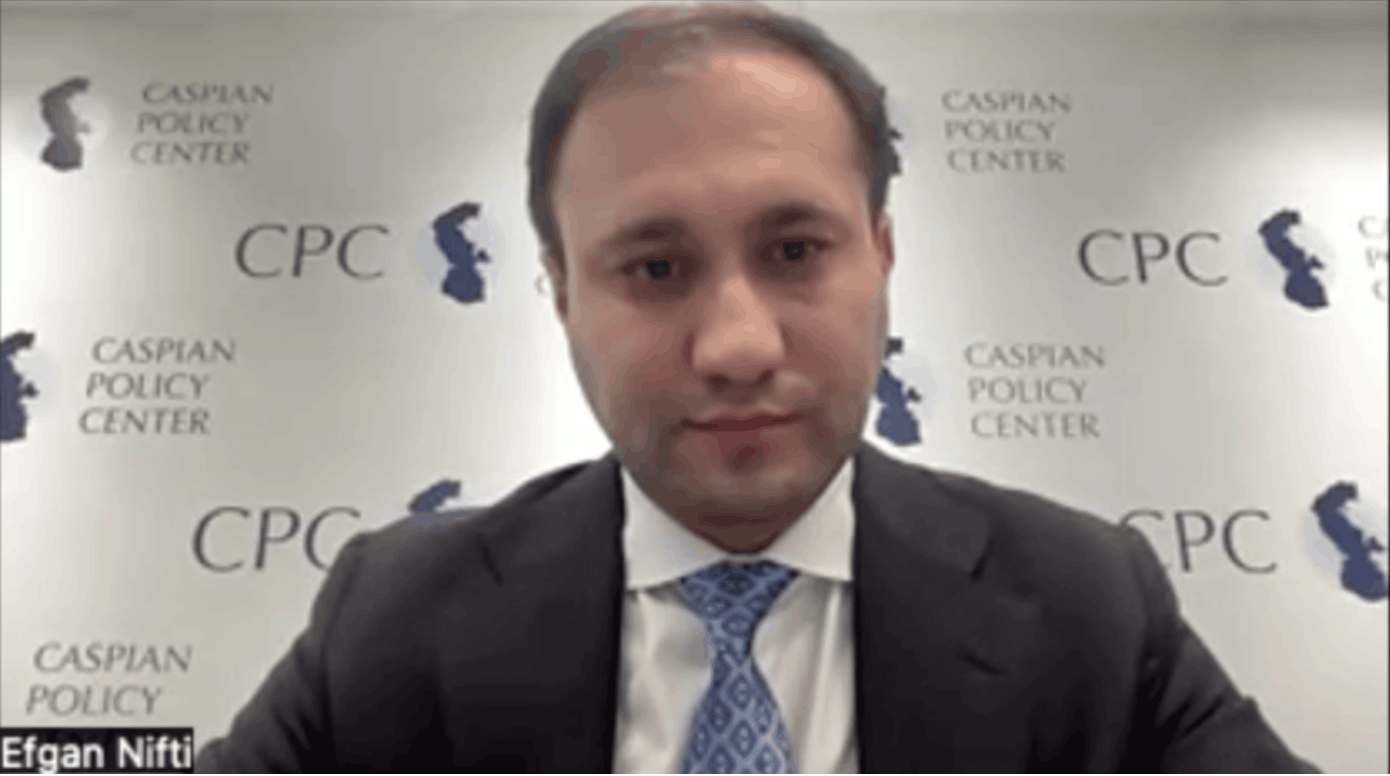 “Avaza Summit produced several important proposals and commitments: the six leaders adopted a joint statement recognizing East–West and North–South transport corridors as priorities for regional development, reflecting the growing importance of the Caspian as a crossroads of Eurasian trade,” said CPC President Efgan Nifti, especially highlighting the growing American interest in the Caspian region, including through the C5+1 framework, increased commercial engagement, and support for regional connectivity initiatives. Commenting on Secretary of State Marco Rubio’s upcoming visit to Samarkand, Uzbekistan this month, Nifti said that the "underscores Washington's growing interest in translating its engagement with Central Asia into concrete investment opportunities.”
The discussion, moderated by CPC Senior Fellow Dr. Eric Rudenshiold, focused on examining prospects for greater regional cooperation, and assessing the broader implications of these evolving dynamics for the region’s future. “Regional cooperation is not a zero-sum game, and that means that stronger cooperation between our countries does not mean that one country gains at the expense of another, nor does it mean that we have to choose between different external partners,” said Zhandos Shaimardanov. He noted that instead of viewing their national interests as competing, the C6 countries are learning to identify where they can complement and reinforce each other. Shaimardanov also highlighted Azerbaijan’s formal accession to the C6 format as a “huge step forward,” opening a new Trans-Caspian dimension and creating significant opportunities for deeper regional cooperation in the years ahead.
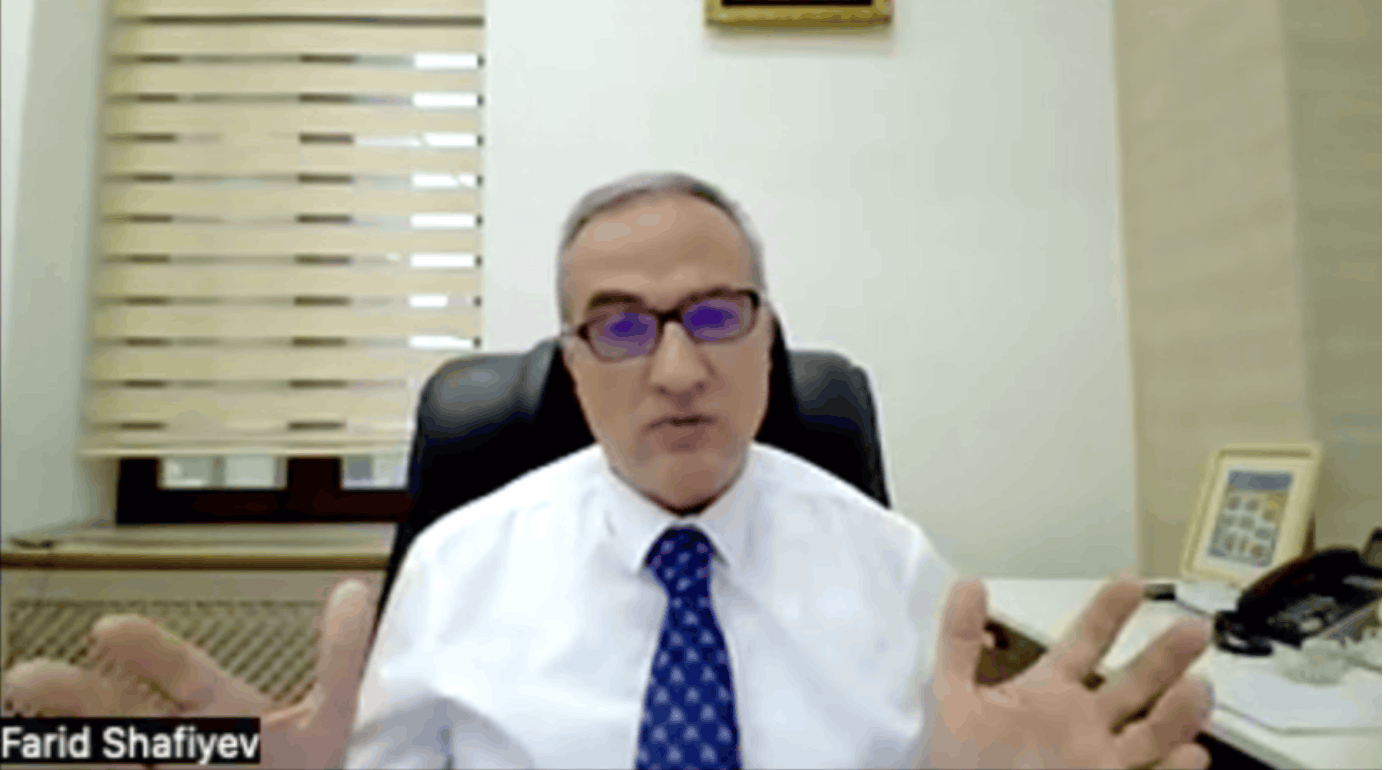 “The Avaza Summit reconfirmed the strong commitment on both sides of the Caspian to advancing this platform,” said Farid Shafiyev, highlighting the growing importance of Trans-Caspian cooperation. He noted that all six countries see value in the C6 format, particularly amid the broader geopolitical challenges facing the region, and emphasized the significant growth in Trans-Caspian cooperation and investment in recent years. Emphasizing that the national interests of each country increasingly call for deeper regional cooperation, Shafiyev pointed to tangible results already emerging from this trend. He noted that more than 400 companies with capital from Central Asian countries are now operating in Azerbaijan, underscoring the growing economic ties and investment flows between the two sides of the Caspian.
 Javlon Vakhabov described the Avaza Summit as “clearly the most awaited event in Central Asia and Azerbaijan this year.” He emphasized that the summit marked a decade of transformation in Central Asia, characterized by a renewed commitment to good-neighborly relations that has fundamentally reshaped how the region’s states engage with one another and address shared challenges. Vakhabov emphasized that across the six presidents’ interventions during the Summit, we heard a common emphasis on joint production, coordinated infrastructure, and implementation. President of the Kyrgyz Republic Sadyr Japarov emphasized that regional transport initiatives should deliver tangible economic benefits for every participating country, with lower delivery costs and shorter transit times serving as concrete measures of success. President of Uzbekistan Shavkat Mirziyoyev’s “Six Economies, One Product” proposal reflects this evolving approach by emphasizing greater economic complementarity across the region. Vakhabov also highlighted Turkmenistan’s calls for complementary production facilities, joint agro-industrial projects, and the removal of transport, customs, and tariff barriers, viewing these proposals as evidence of a growing commitment to practical regional coordination and deeper economic integration.
 Zuhra Halimova observed that the expansion of the C5 format into C6 has raised regional ambitions, broadened investment prospects, and increased the global scope of economic initiatives. She emphasized that the key challenge lies in fostering a balanced approach to regionalism and geoconnectivity within the C6 framework while ensuring that this expanded cooperation creates opportunities for neighboring countries as well. Building on her remarks, Halimova also underscored that the transition from C5 to C6 raises important questions about the future shape and institutionalization of the format. She noted that becoming C6 will require more than Azerbaijan’s accession, arguing that both Azerbaijan and the five Central Asian states will need to adapt to a new framework of cooperation. Halimova also highlighted the implications for the C6’s existing “plus-one” partnerships and agendas, which may need to evolve in response to the expanded format.
She further described the emergence of C6 as a new strategic-economic geography, emphasizing its potential to strengthen connectivity in both directions. In her view, Central Asia can leverage the C6 framework to deepen connections with the West, while Azerbaijan can use its position to expand connectivity toward the East. She stressed that this relationship is fundamentally complementary rather than one-directional, creating opportunities for greater regional integration and cooperation.