Caspian Policy Centre Hosts 4th London Caspian Connectivity Conference
Recent Articles
Author: Caspian Policy Center
07/03/2026
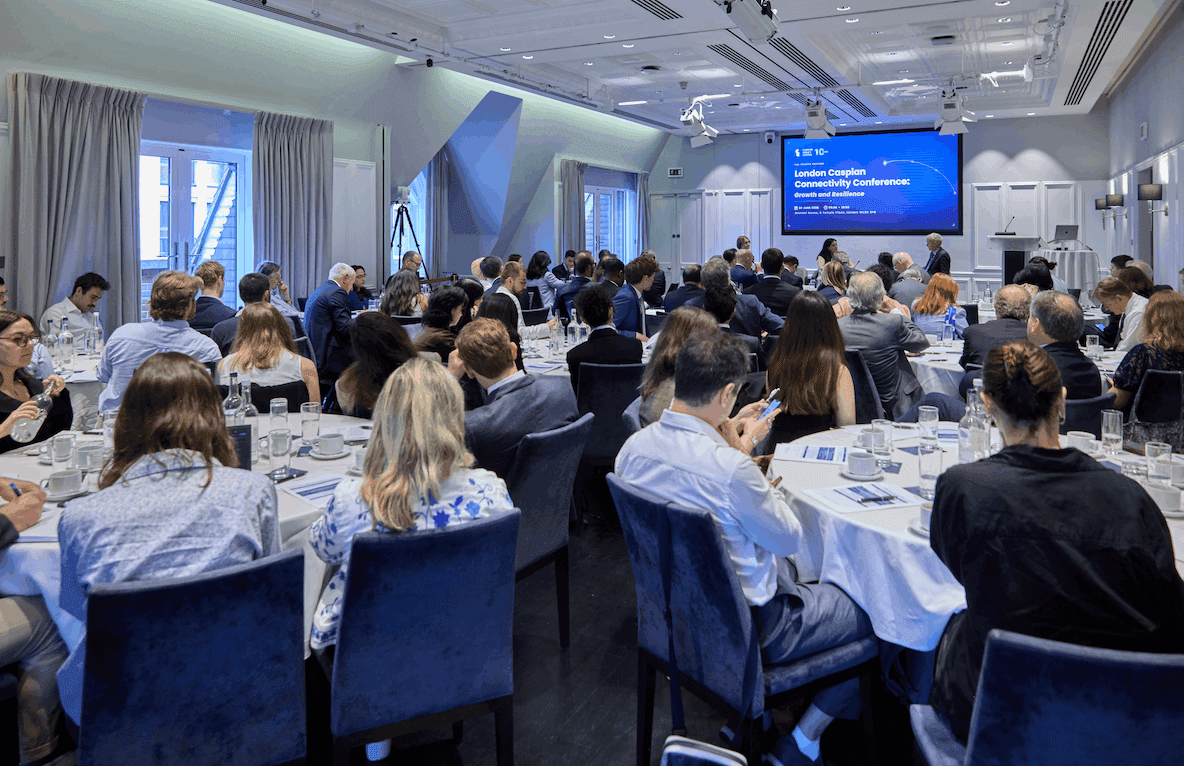
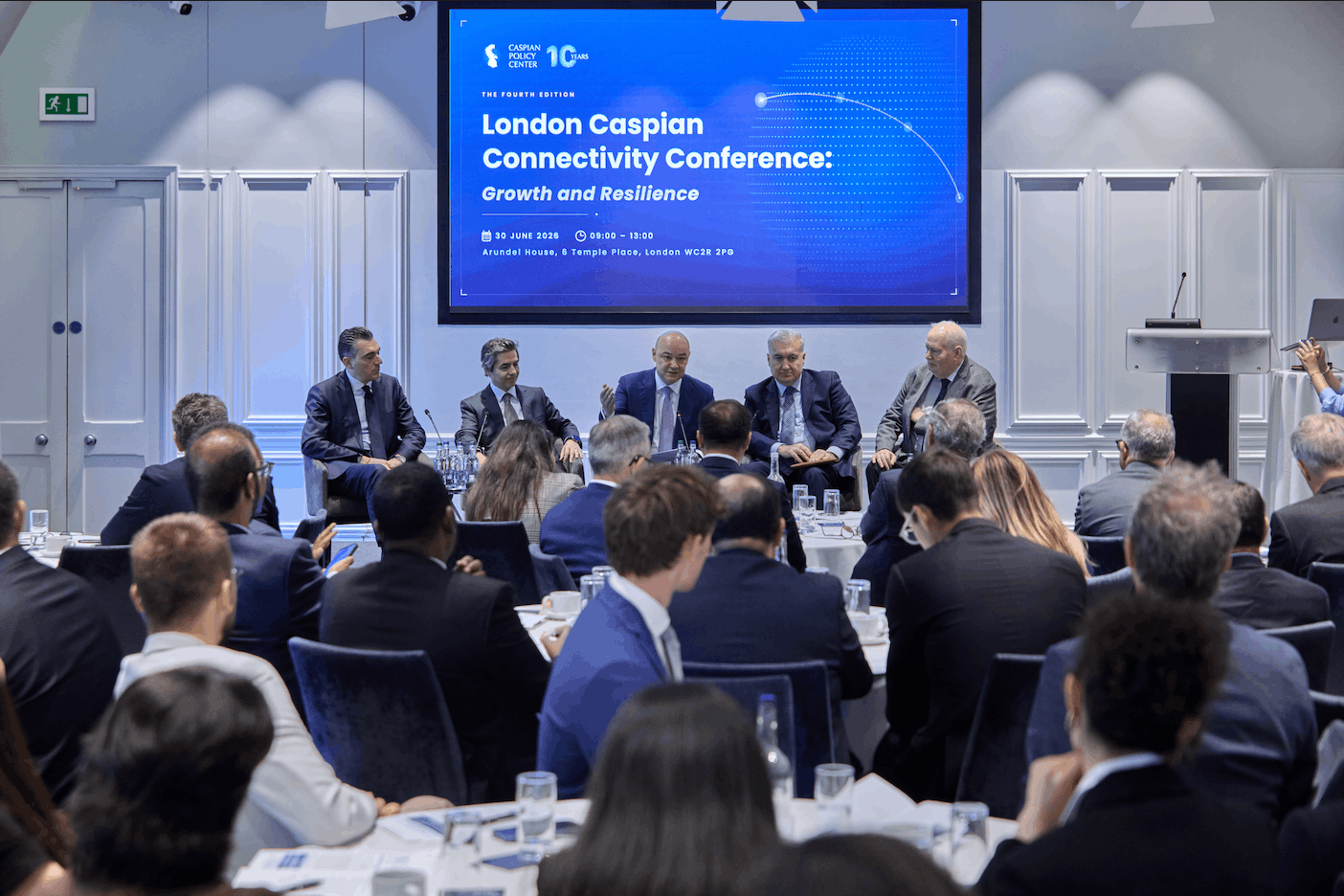
London, UK, June 30, 2026 — At a time of growing geopolitical uncertainty, the economies of the Caspian region are demonstrating remarkable resilience, driven by strong economic growth, expanding regional cooperation, and the rapid emergence of the Middle Corridor as a vital strategic link between Europe and Asia. Against this backdrop, the Caspian Policy Centre (CPC) hosted its fourth London Caspian Connectivity Conference at Arundel House on June 30 under the theme "Growth & Resilience." Bringing together senior government officials, ambassadors, business leaders, and policy experts, the packed event examined how countries across Central Asia and the South Caucasus can capitalise on growing international interest in the Middle Corridor, strengthen energy and transport connectivity, and translate political momentum into long-term investment, sustainable growth, and regional resilience.
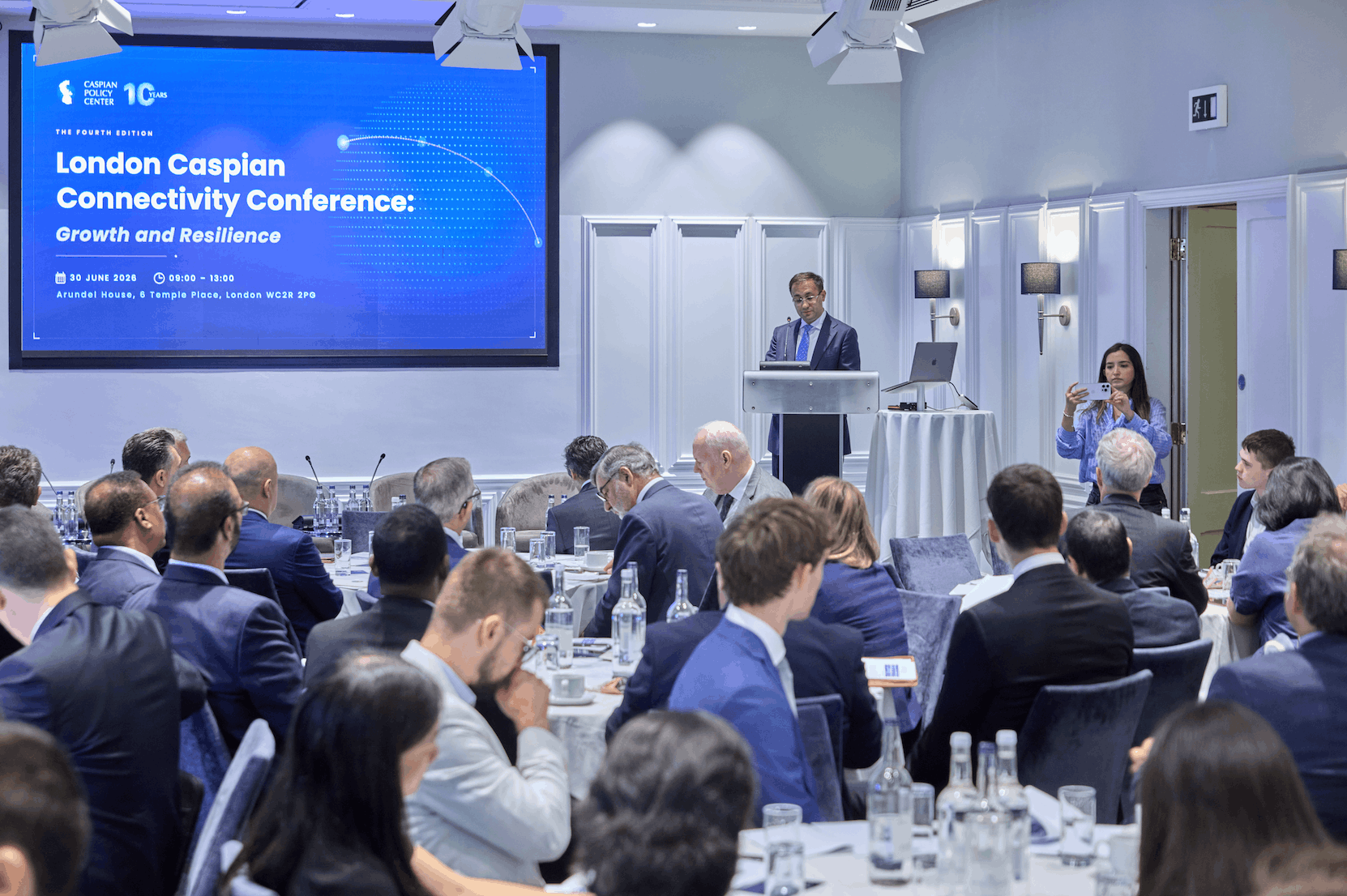 CPC President Efgan Nifti opened the conference by highlighting the region's growing global strategic importance, particularly through the expansion of the Middle Corridor. "Once considered a secondary route, the Middle Corridor has emerged as Eurasia's most viable pathway for global markets, particularly as Russian routes remain hampered by sanctions, and maritime trade is constricted by instability in the Middle East," Nifti said.
He highlighted the rapid expansion of regional cooperation and growing investment in transport, logistics, and energy infrastructure, noting that initiatives such as the UK-Central Asia ministerial dialogue and the European Union's new Connectivity Agenda demonstrate that the Caspian region has become a strategic priority for international partners.
Looking ahead, Nifti emphasised that the challenge is now translating momentum into implementation: "The task is now delivery—translating agreements into implementation and ambition into results. For the Middle Corridor to realise its full potential, it will be important to strengthen institutional and infrastructural frameworks which nurture innovation, drive success, and reward investment."
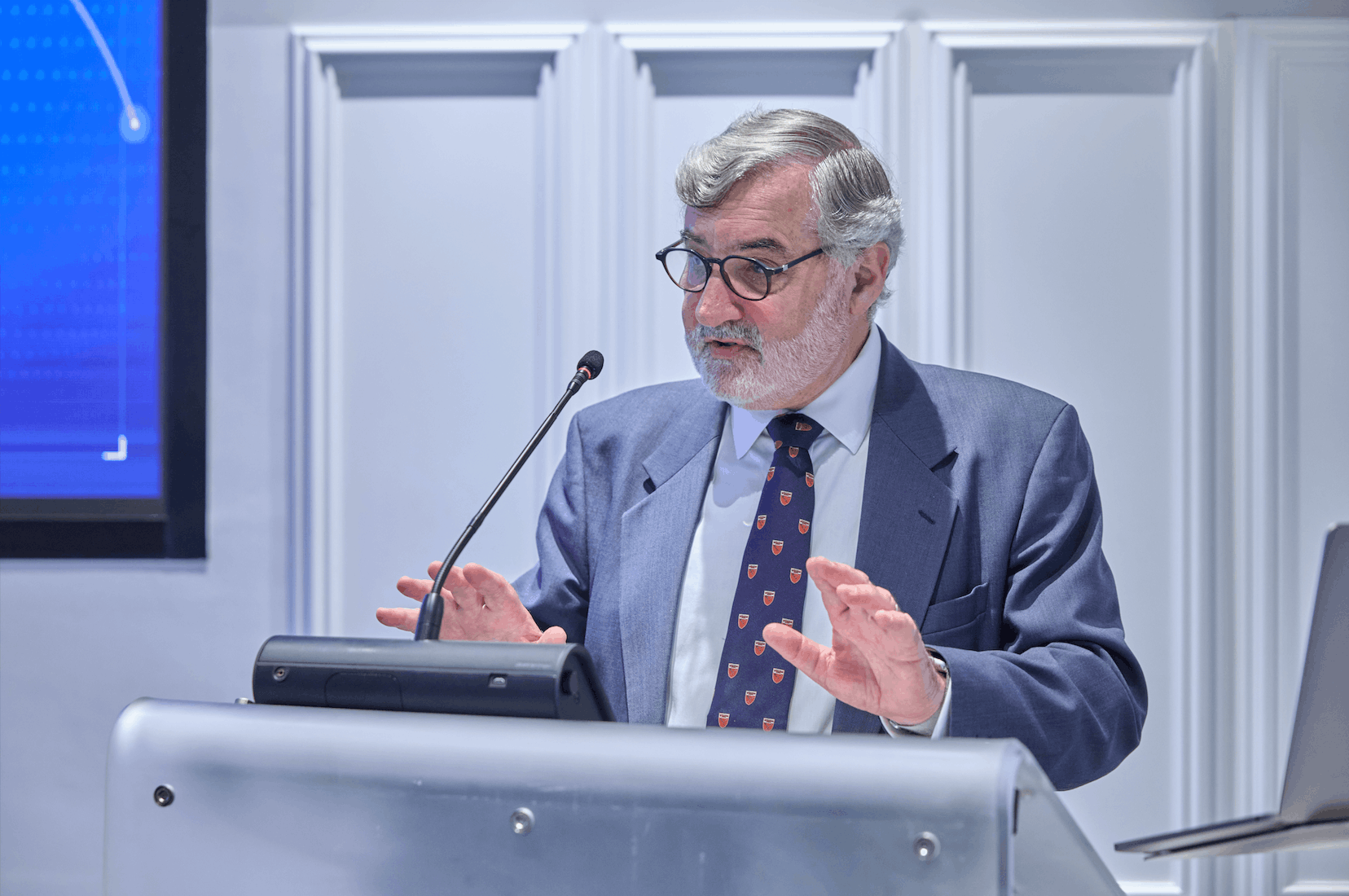 The keynote address was delivered by Lord John Alderdice, UK Trade Envoy to Azerbaijan and Central Asia, who reflected on his extensive visits throughout the region and the expanding opportunities for UK engagement. "As I look at the region, it's geopolitically significant, it's economically significant, it's resource rich, and really the only thing that it needs is for its people to continue to develop, and they have been doing so at extraordinarily speed," he said.
Lord Alderdice highlighted the UK's growing commercial presence, noting more than £30 billion of UK investment is already present across Central Asia, with "enormous potential to deepen and diversify our partnerships."
He also reflected on how Western engagement with the region has evolved over three decades: "We're going through a period of transition because we realise that in the post-Soviet period there was a particular kind of relationship, which was almost a sort of mentorship. Now it's partnership. We have as much to learn from you as you have to learn from us."
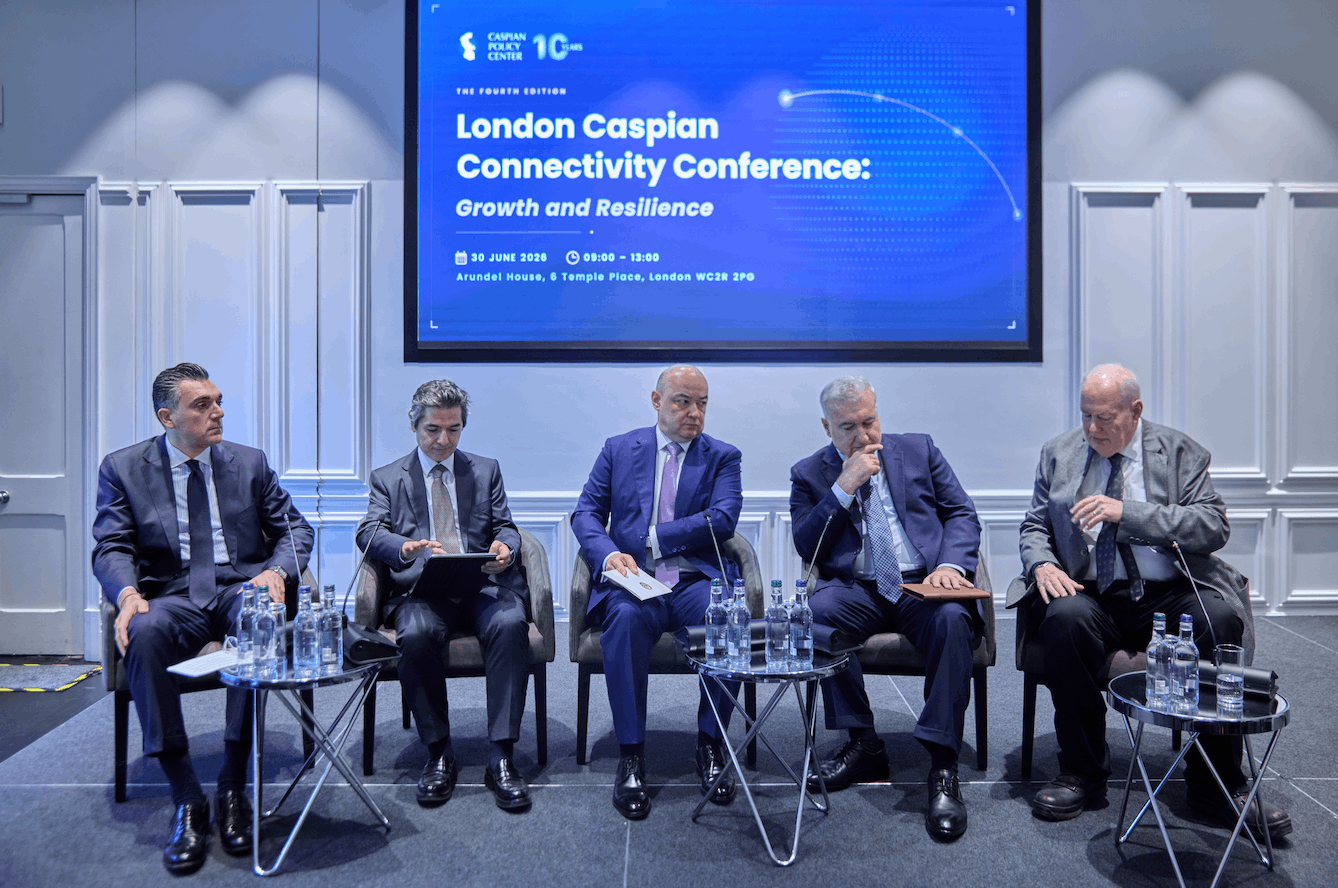 Following the keynote address, CPC Senior UK Adviser David Moran moderated the Ambassadorial Panel, which brought together the Ambassadors of Azerbaijan, Uzbekistan, Türkiye, and Georgia to discuss the evolving strategic importance of regional connectivity.
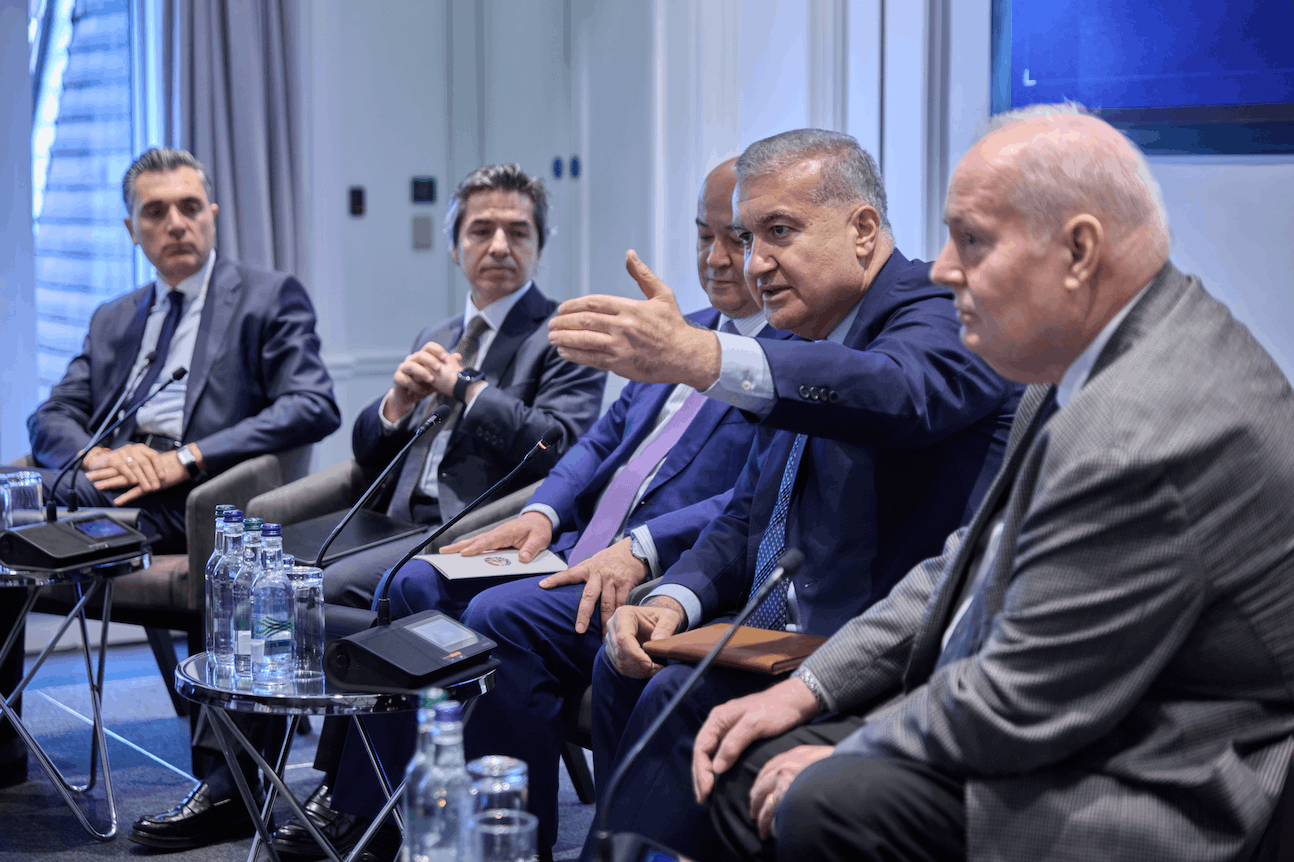 Elin Suleymanov, Ambassador of Azerbaijan, argued that recent geopolitical disruptions have transformed the Middle Corridor from an alternative transport route into a strategic necessity, pointing to disruptions in maritime shipping and Middle East conflicts. He also highlighted Azerbaijan's growing integration with Central Asia: "The harbinger of success in our region often is BP... now that BP has been so well established in Georgia, in Türkiye, and now in Uzbekistan, it shows that all this is expanding. For us, it's no longer C5+1—it's C6."
Suleymanov welcomed the continued normalisation of relations between Armenia and Azerbaijan, expressing confidence that peace would strengthen regional connectivity and create new opportunities for trade, investment, and economic cooperation across the South Caucasus.
 Ravshan Usmanov, Ambassador of Uzbekistan to the UK, highlighted his country's ongoing economic reforms and growing international profile, emphasising that investor confidence has strengthened significantly over the past year. He pointed to Uzbekistan's first international capital market listing—the National Investment Fund of Uzbekistan on the London Stock Exchange in May 2026—as a "major milestone," arguing that "strong demand from international investors has demonstrated growing confidence in Uzbekistan's economic reforms and investment potential."
He also outlined plans to establish the Tashkent International Financial Centre, operating under English common law principles: "With the support of British partners, Uzbekistan is preparing to establish the Tashkent International Financial Centre... By 2030 it is expected to attract an additional US$25 billion in investment and create around 15,000 new jobs."
 Osman Koray Ertaş, Ambassador of Turkiye to the UK, emphasised that today's geopolitical environment has reinforced the strategic importance of resilient transport and energy corridors. "There are now effectively functioning transport routes and railroads which are shortening transport from China to Europe to just 15 days. The pipelines are also providing a strong impetus for energy security in Europe and the wider global market," he said.
Ertaş argued that decades of investment in transport infrastructure, customs cooperation, and regional partnerships are now delivering tangible benefits as governments seek more secure and diversified supply chains.
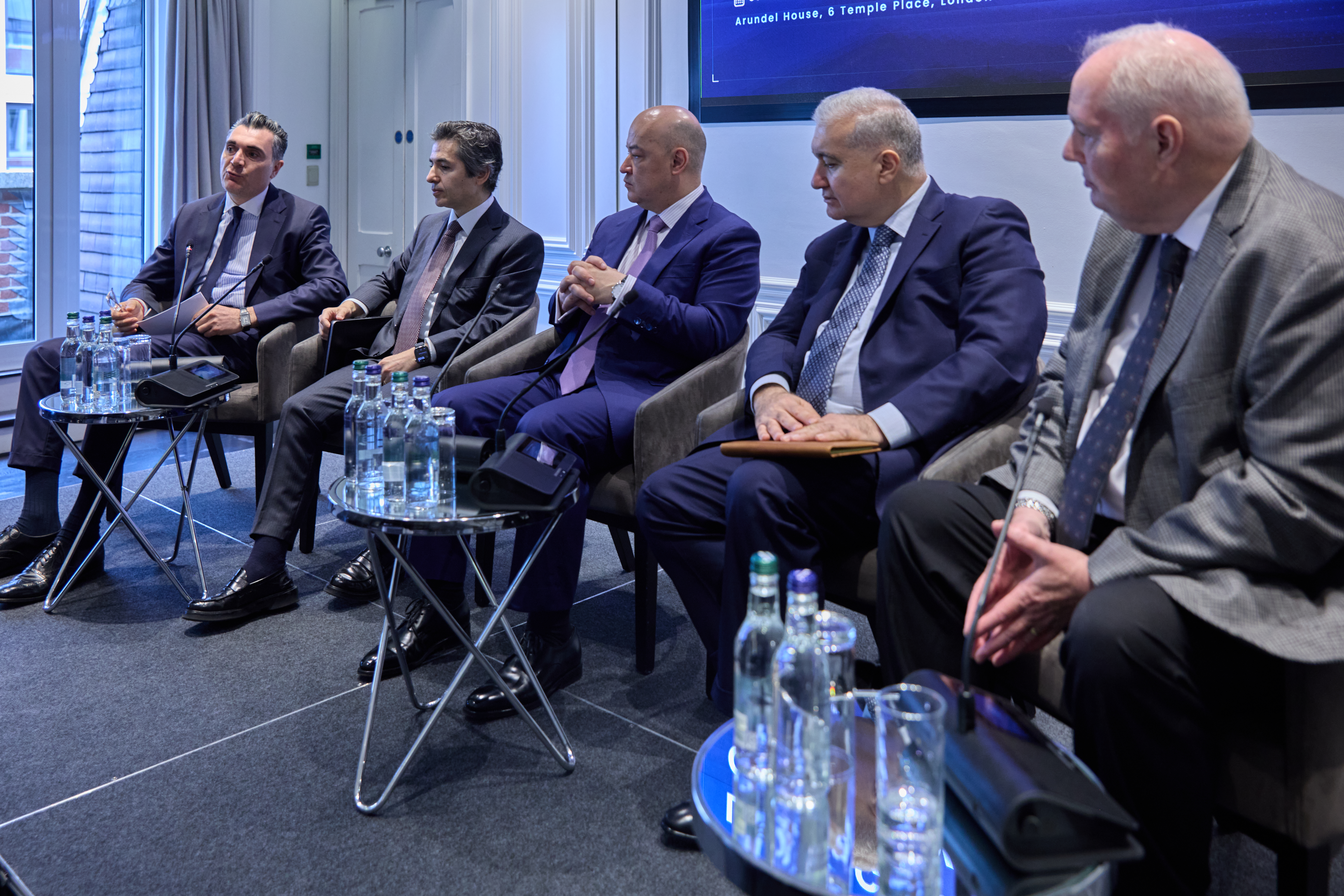 Ilia Darchiashvili, Ambassador of Georgia to the UK, highlighted Georgia's continued investments in transport infrastructure, rail modernisation, renewable energy, and the Anaklia Deep Sea Port, emphasising that approximately US$7 billion has been allocated to modernising the country's transport infrastructure. "By working together, we can build stronger economies, more reliable supply chains, greater energy security and a more connected and prosperous region,” said Darchiashvili.
The Georgian Ambassador also highlighted Georgia's growing renewable energy ambitions, including the Black Sea submarine electricity cable project, describing it as a strategic bridge connecting the South Caucasus and the European Union while strengthening regional energy resilience.
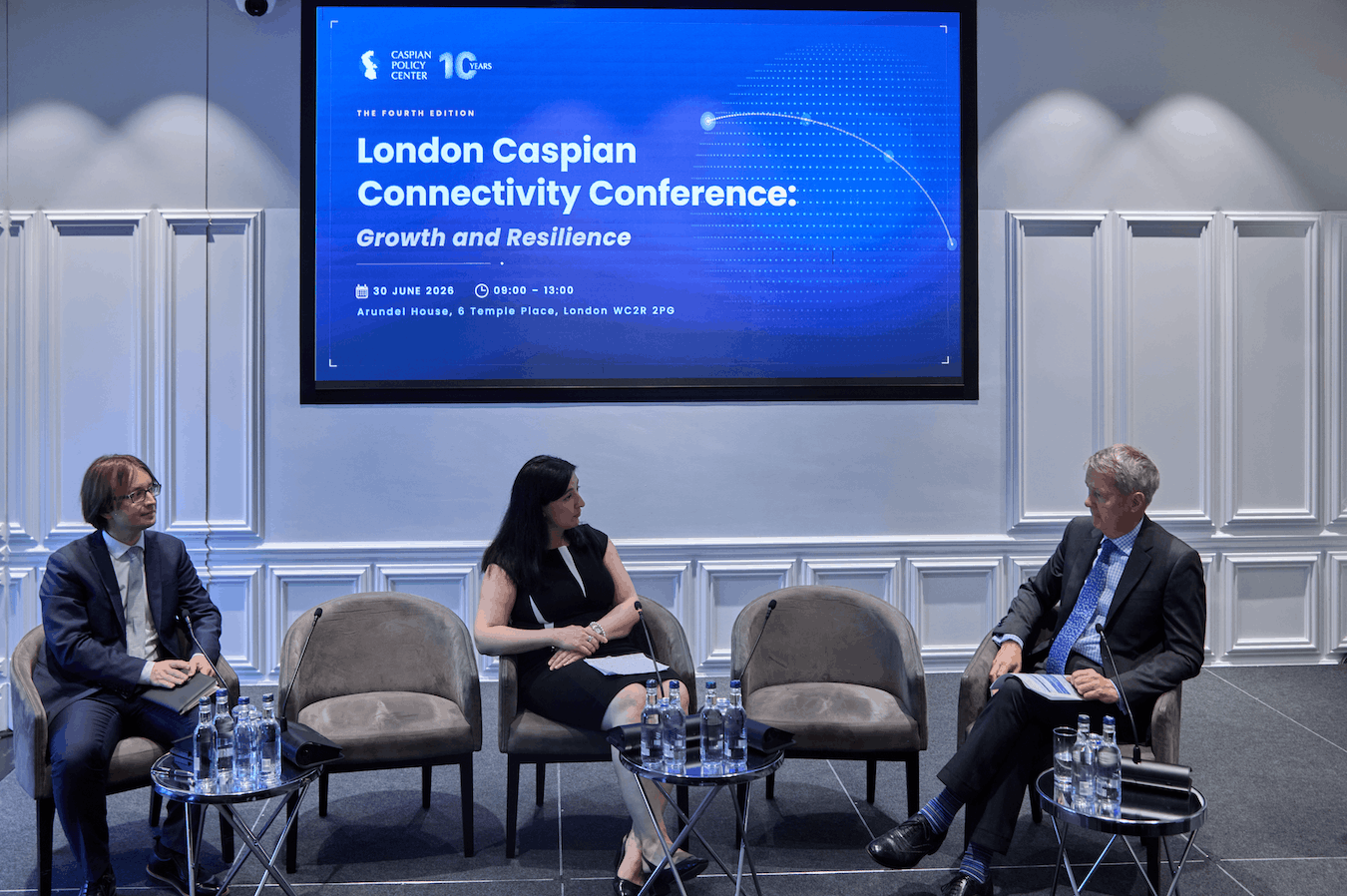
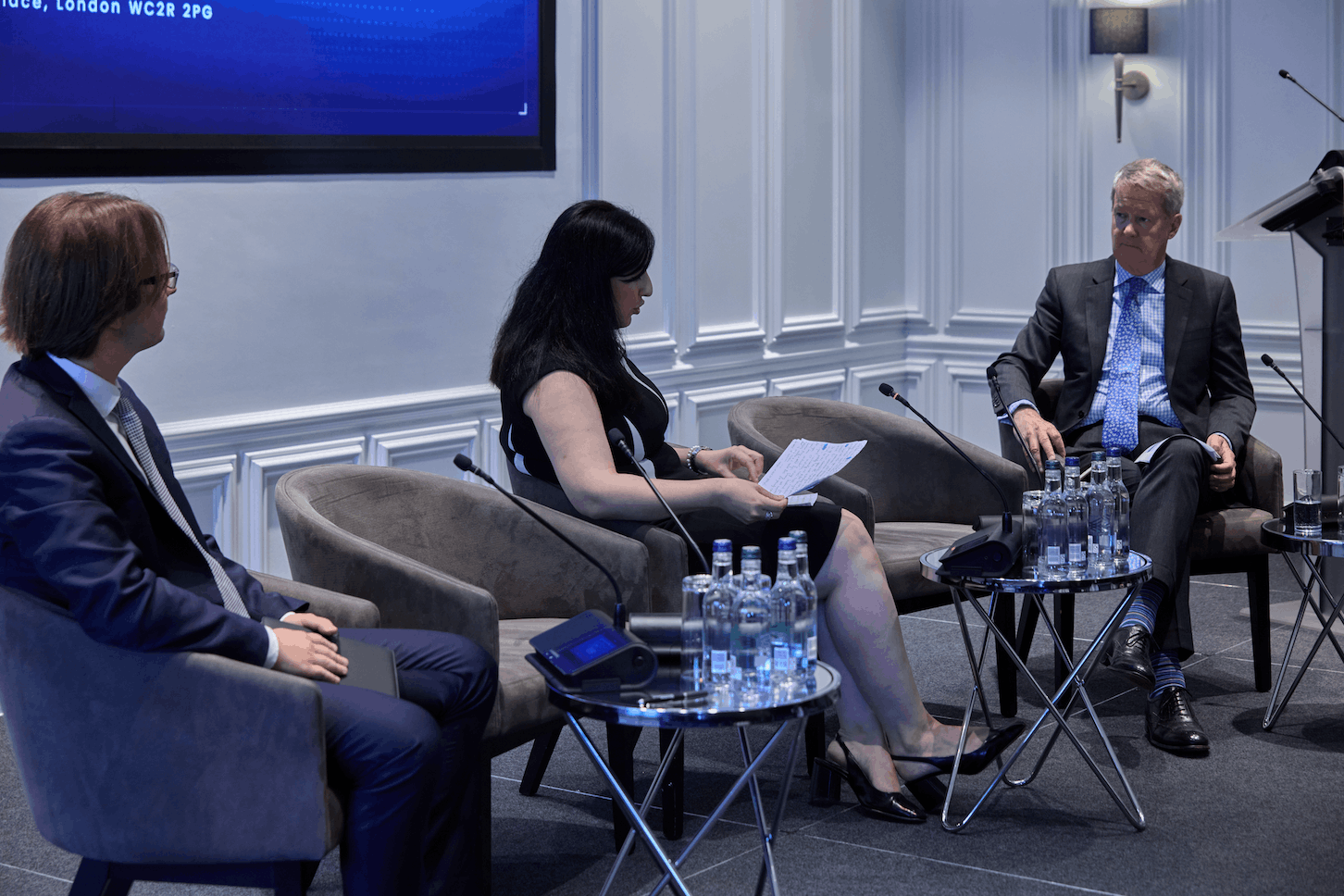 The conference continued with a panel titled “Economic Prospects – Growth and Resilience,” moderated by CPC Advisory Board Member James Sharp,featuring Nigar Jafarova, Associate Practice Leader for CIS & CEE at FrontierView, and Alessio Chiesa, Emerging Markets Economist at Wood & Company. The discussion focused on the macroeconomic outlook for the Caspian region, the progress of structural reforms, and the opportunities emerging as regional connectivity continues to expand.
 Nigar Jafarova highlighted the resilience demonstrated by economies across Central Asia and the South Caucasus despite continued global uncertainty. She argued that while Azerbaijan has benefited from the rapid expansion of transit, its economic transformation extends well beyond transport connectivity. "When it comes to Azerbaijan, we shouldn't be misled by transport numbers. The country's diversification strategy has been quite significant. There are several priority sectors which will continue to attract more investment and public financing,” she said.
She also observed that governments across the region are pursuing increasingly ambitious economic reforms while carefully diversifying their international partnerships. Discussing the principal economic risks facing the region, Jafarova emphasised that each country faces different structural challenges. "For Kazakhstan, one of the key challenges will continue to be dependence on Russian transport routes. For Uzbekistan, maintaining the momentum of ongoing reforms will be critical. The direction of travel is clear, but sustaining reform remains essential."
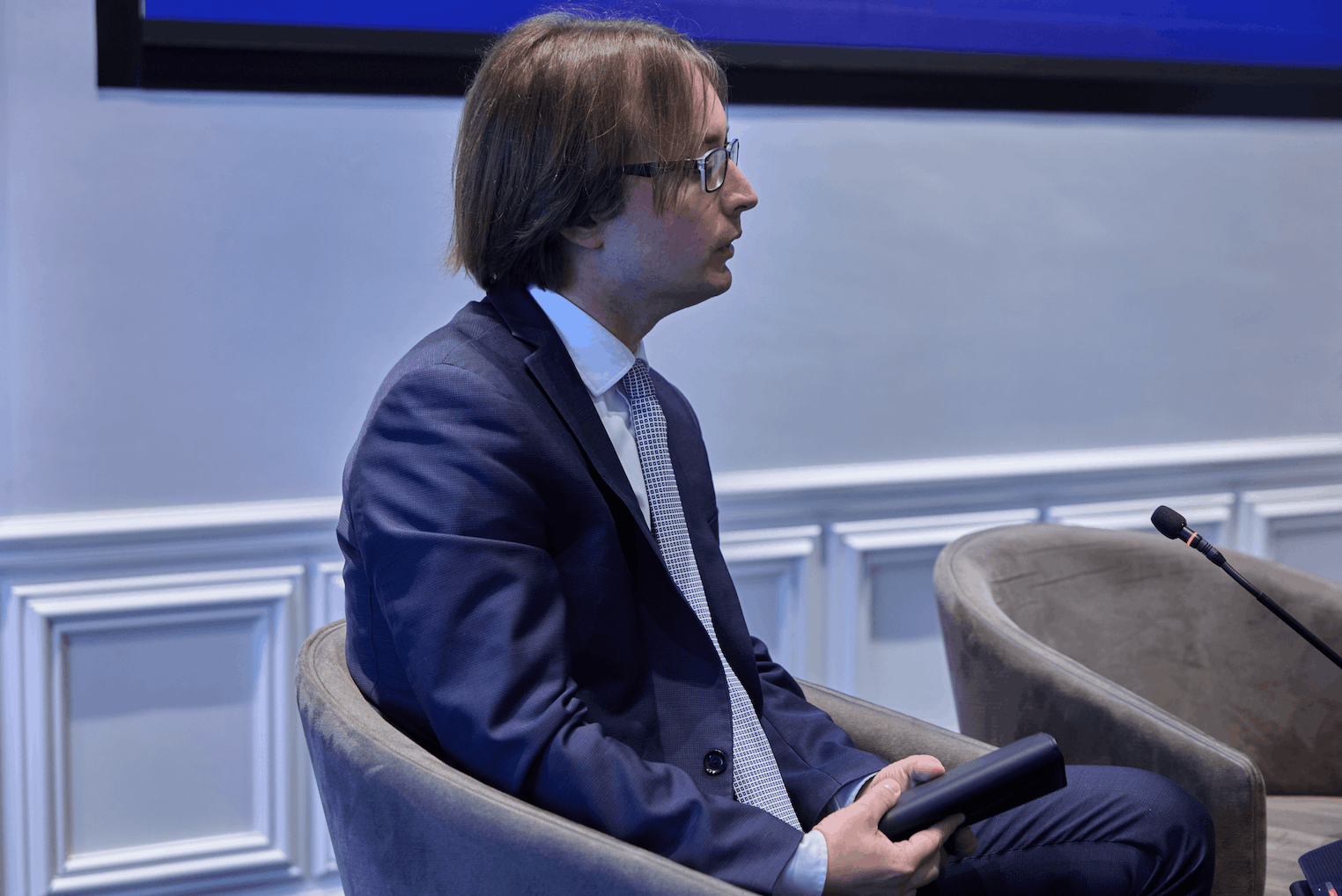 Alessio Chiesa highlighted the remarkable increase in international investor interest across the Caspian region, noting that institutional investors are increasingly viewing Central Asia and the South Caucasus as long-term investment destinations rather than frontier markets.
Chiesa argued that structural reforms have fundamentally altered international perceptions of the region over the past decade, noting: "About ten years ago, nobody was really investing in sectors such as agriculture in Georgia. Today, reforms have transformed entire industries. Reforms do work. In Uzbekistan, trade liberalisation and price liberalisation are paving the way for these countries to become genuinely connected to the modern Silk Road between Europe and China.”
The conference then turned to Energy Security and Resilience, with James Sharp moderating a discussion between Michael Denison, Head of International Advisory at bp, and Nick Coleman, Associate Director (Analysis) at Prism Strategic Intelligence.
Discussing bp's recent expansion into Uzbekistan and renewed investments in Kazakhstan, Michael Denison explained that both countries had created attractive environments for international investors: "Uzbekistan and Kazakhstan ticked all of our boxes. Both governments have been absolutely exceptional in supporting investment."
Reflecting on the broader regional investment climate, he argued the region offers long-term stability despite operating in a challenging geopolitical neighbourhood. "Political risk levels are entirely manageable in this region. Governments want investment. They understand how to work with international companies, and they have demonstrated flexibility in creating long-term partnerships,” Denison said.
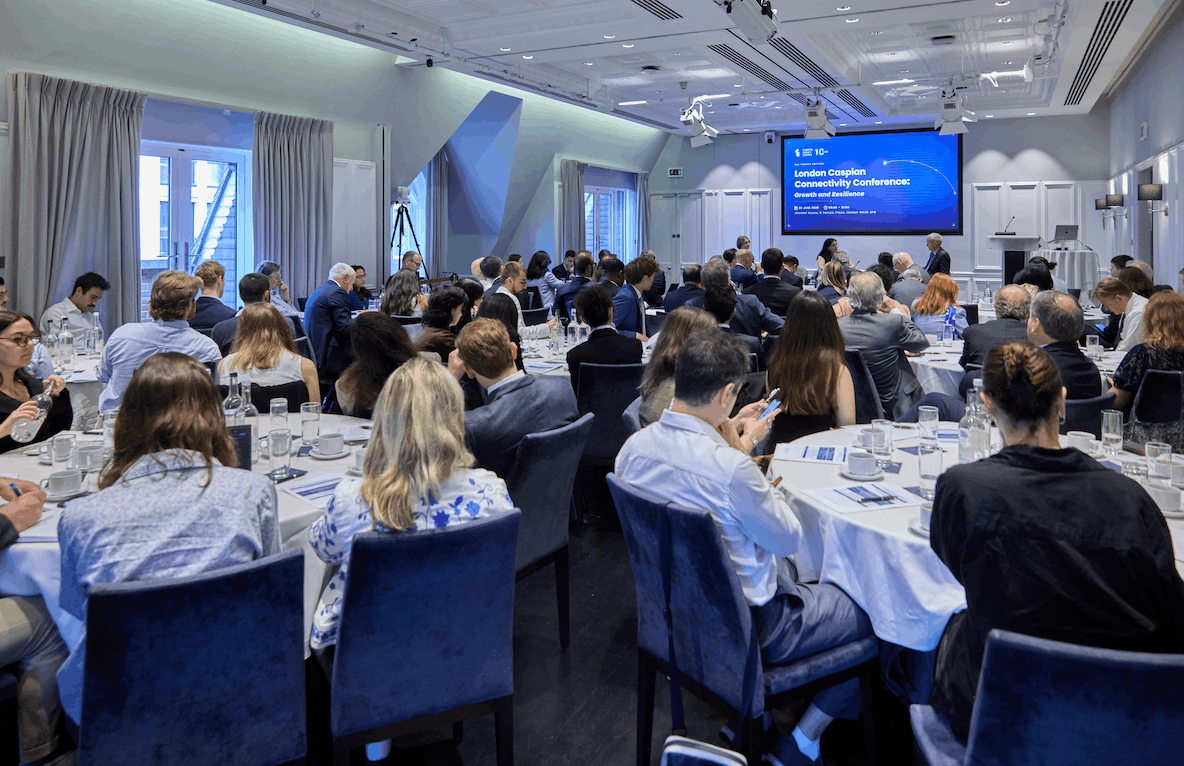 Nick Coleman examined the region's evolving contribution to global energy security, noting that Kazakhstan and Azerbaijan have "cemented their positions as providers of energy security, especially for Europe." He said Kazakhstan has become one of Europe's largest suppliers of crude oil while simultaneously expanding exports to Asian markets: "Kazakhstan is now the second or third largest supplier of crude oil to Europe, surpassed only by the United States and Norway."
Looking ahead, Coleman argued that resource-producing countries are entering a new phase of development in which domestic energy security and export ambitions must be balanced: "In the early years of independence, the priority was getting oil out of the Caspian region. Today these are mature energy producers. The next challenge is balancing export revenues with growing domestic demand while continuing to invest in exploration and new upstream resources."
The conference's Embassy Panel followed, with remarks from Hayk Sargsyan, Deputy Head of Mission at the Embassy of Armenia, Dana Kurmasheva, Minister Counsellor at the Embassy of Kazakhstan, and Kumiushai Suiumbaeva, Chargé d'Affaires of Kyrgyzstan.
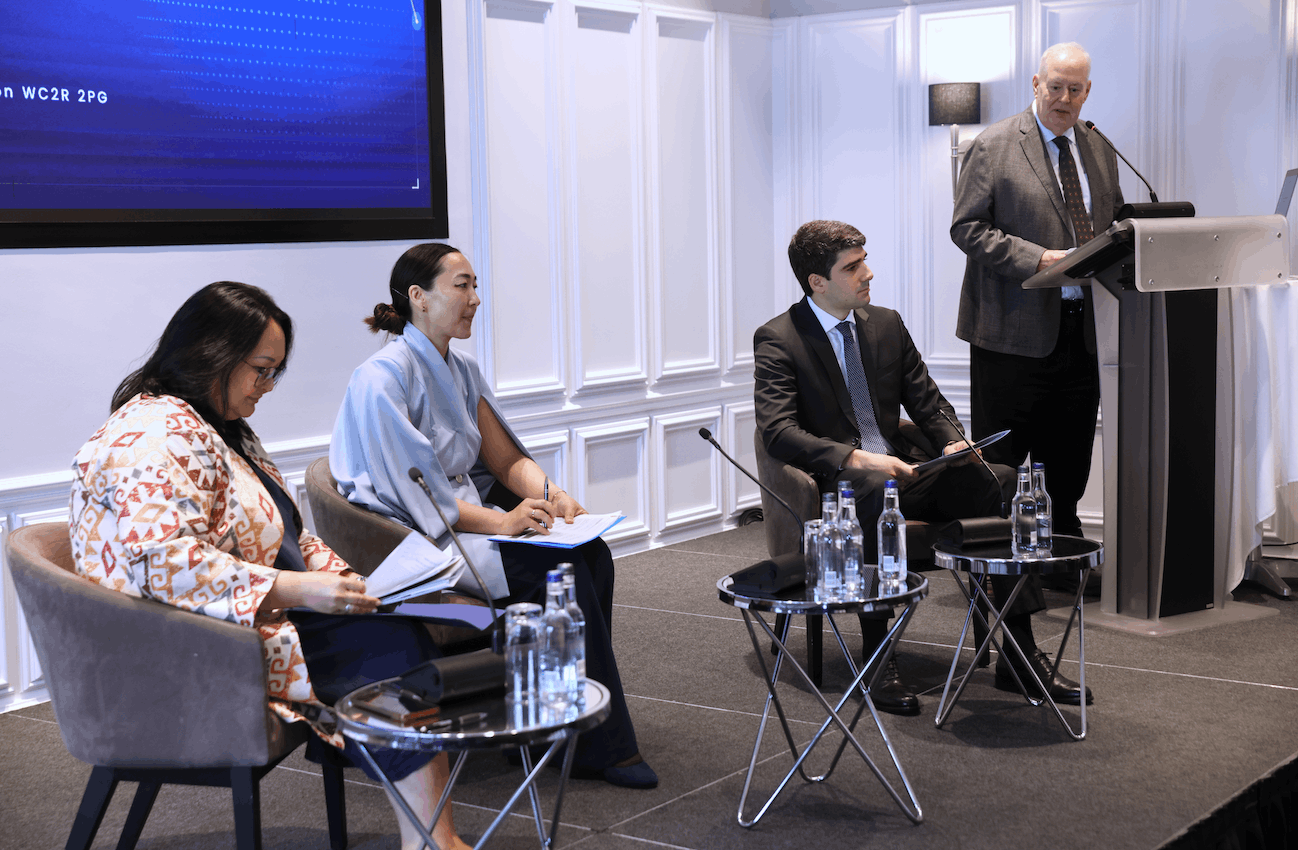 Hayk Sargsyan argued that the South Caucasus has entered a fundamentally "new phase" following progress in the Armenia-Azerbaijan peace process: "The peace established between Armenia and Azerbaijan has created opportunities to reconnect transport links, expand regional trade, and build a more predictable environment for long-term investment and prosperity for the entire region."
He explained that Armenia's Crossroads of Peace initiative seeks to reconnect regional transport, railway, energy, and digital infrastructure while respecting sovereignty, reciprocity, and equal access to international transport routes. "Our responsibility now is to translate that opportunity into practical results,” Sargsyan said.
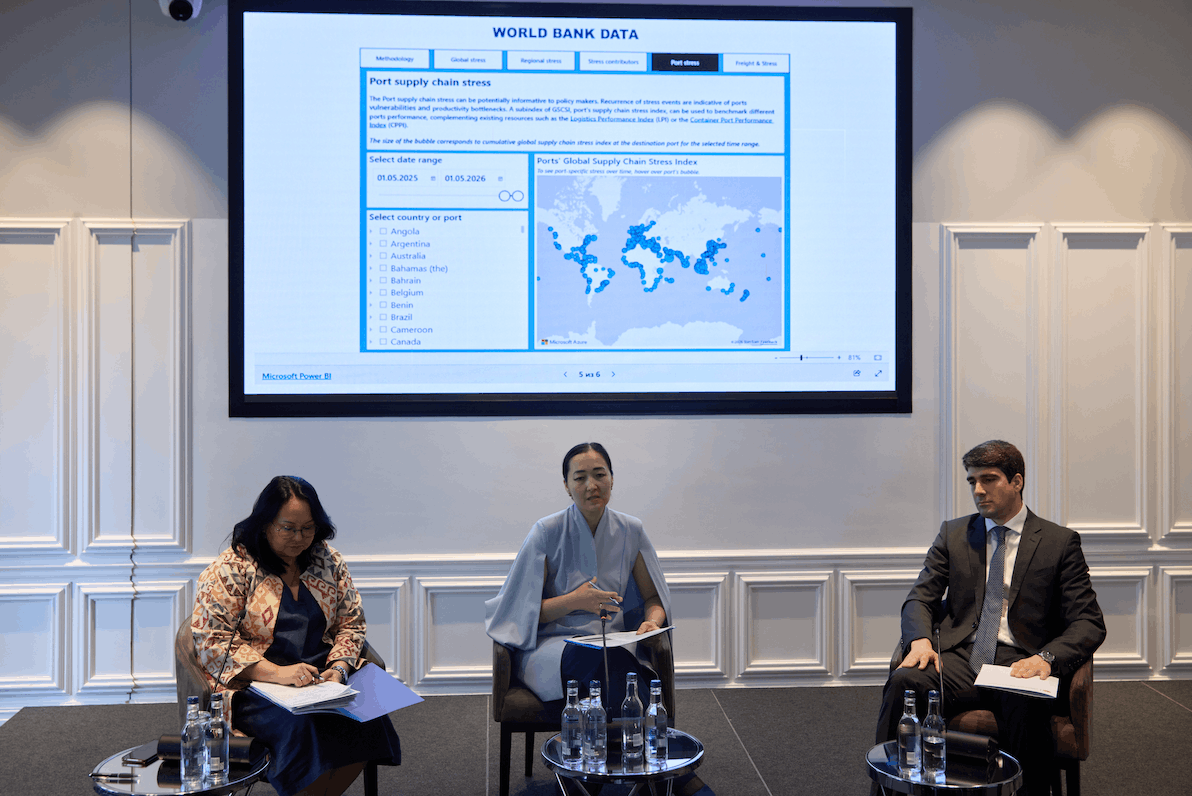 Dana Kurmasheva outlined Kazakhstan’s extensive investment in transport infrastructure and logistics modernisation over recent years. "Kazakhstan is undergoing a massive national project with regard to its railroad infrastructure. Our railway authorities are transforming themselves in order to be compatible on global scales," she said.
Kurmasheva noted that Kazakhstan is expanding logistics facilities and storage capacity to accommodate the growing volume of trade moving across Eurasia through the Middle Corridor. She also highlighted the country's investments in regional energy connectivity, including the recently ratified agreement with Azerbaijan and Uzbekistan to develop electricity exports to Europe, as well as opportunities for UK collaboration in critical minerals, digital infrastructure, education, and emerging technologies.
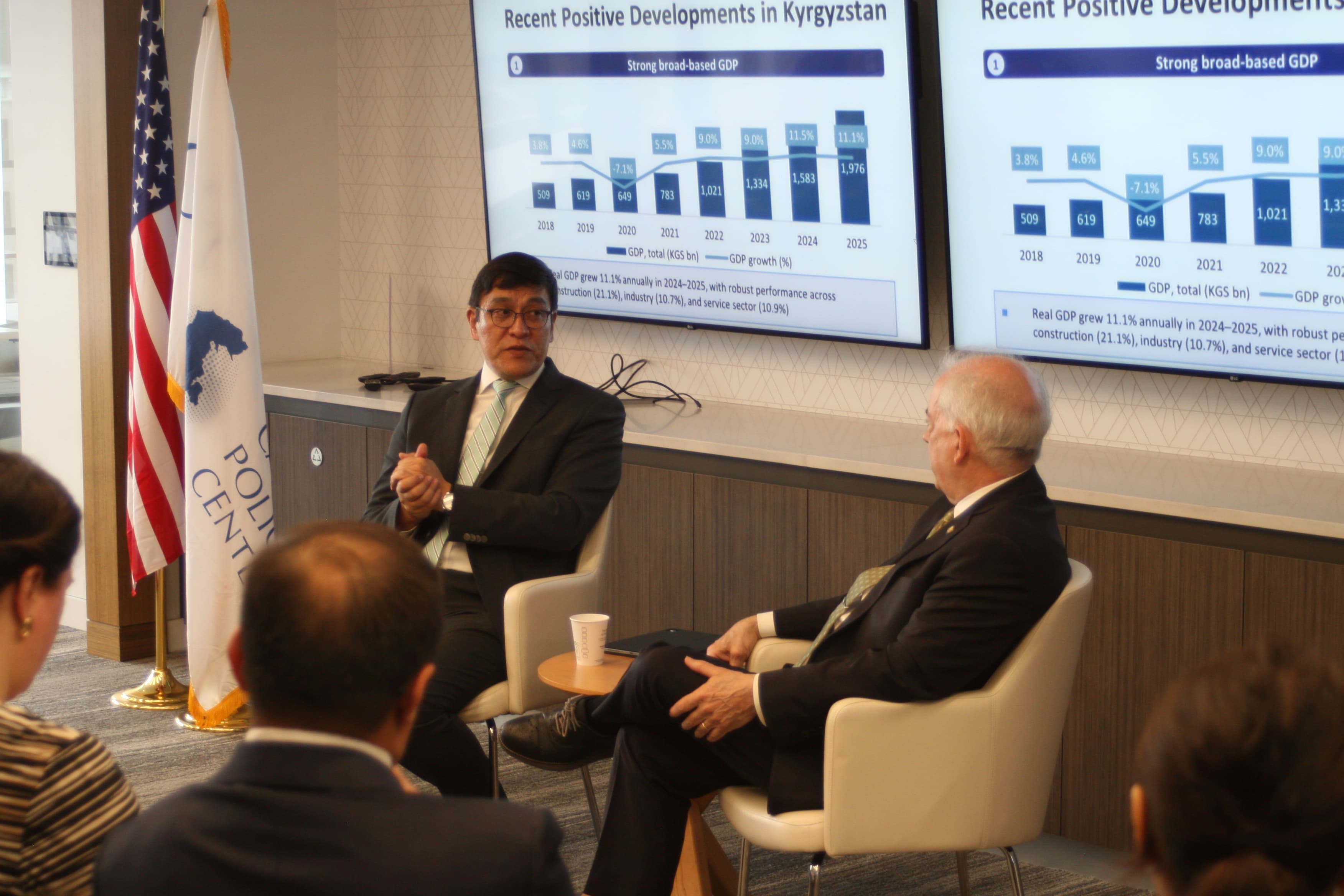
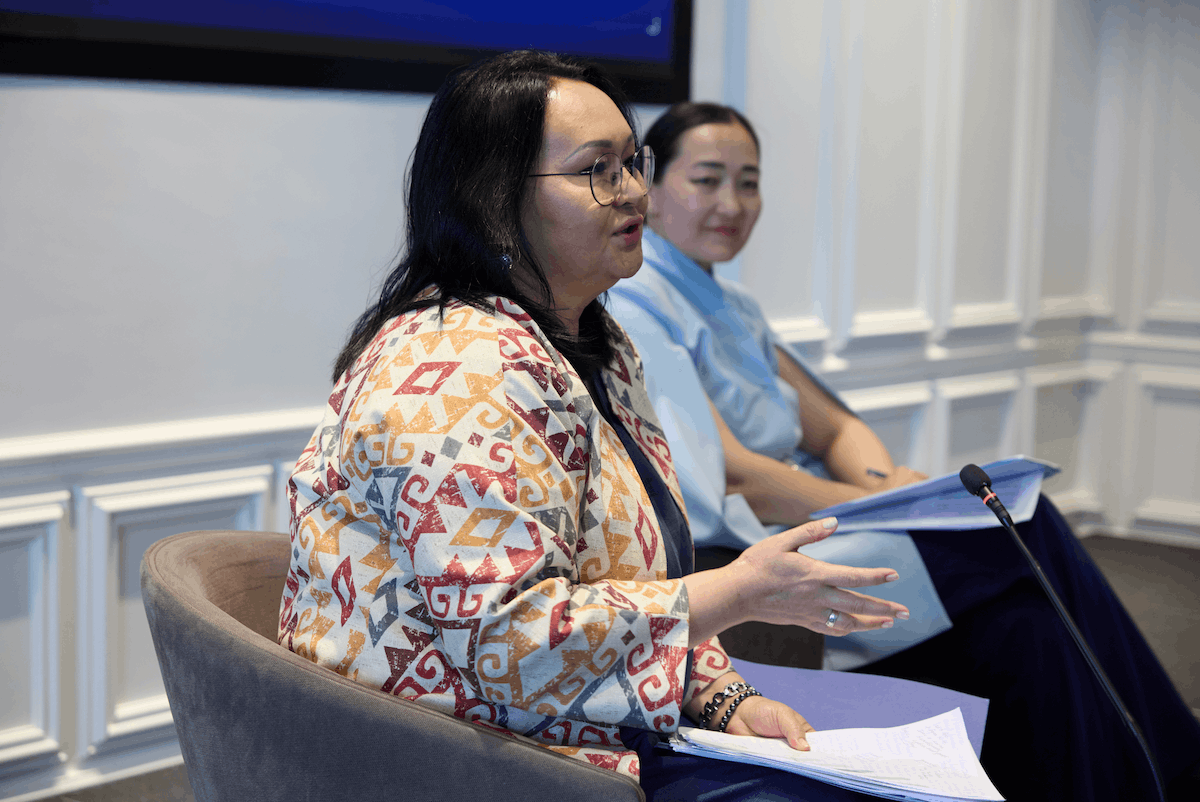 Kumiushai Suiumbaeva, Chargé d'Affaires of the Embassy of Kyrgyzstan to the UK, highlighted Kyrgyzstan's strong economic performance, noting that the country's economy grew by approximately 11 percent during the first half of the year. She emphasised the importance of developing alternative transport routes and strengthening regional cooperation to support long-term economic growth and resilience.
Suiumbaeva also outlined Kyrgyzstan's cooperation with neighboring countries on water security, climate resilience, and sustainable development, while encouraging greater engagement with international partners, including the United Kingdom. She noted that Kyrgyzstan's recent election to the United Nations Security Council for the first time in its history provides an opportunity to advocate for stronger regional cooperation and to raise the international profile of Central Asia's growing strategic importance. “"We have great experience in resolving disputes in our region, and we plan to use our platform to underline the global strategic role of the Middle Corridor and the importance of international partnerships within the region,” she said.
The conference concluded with two forward-looking discussions examining the long-term sustainability of regional connectivity and the institutional frameworks needed to support continued economic growth.
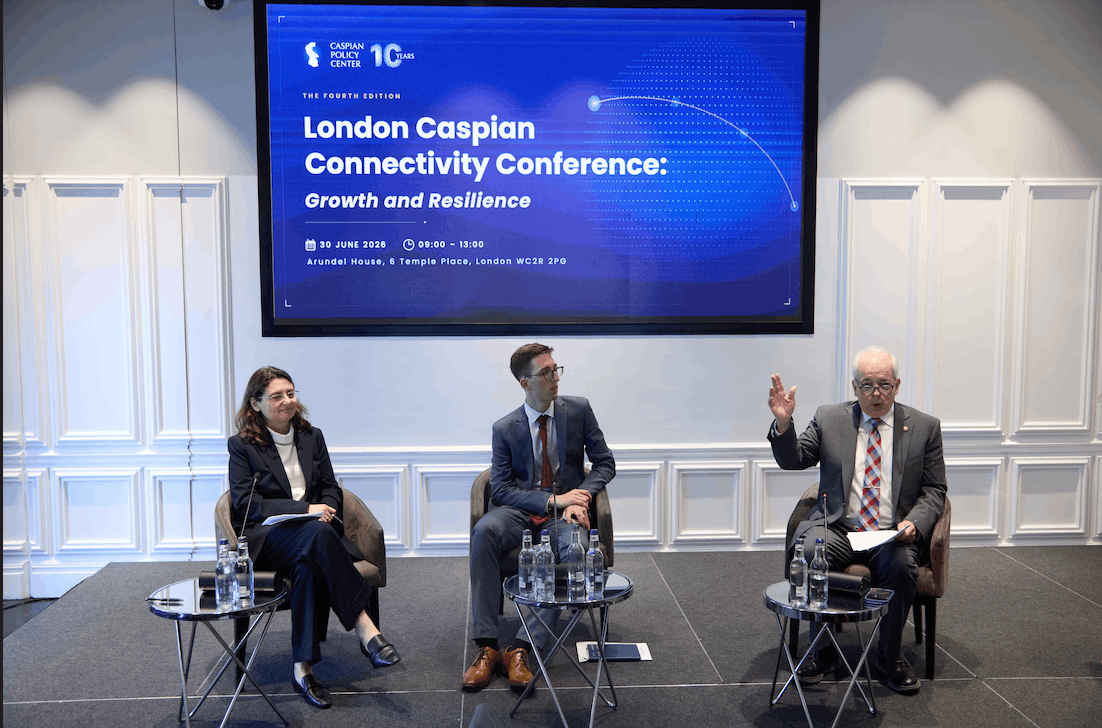 The first session, Sustainability and Resilience,was moderated by Dr. Eric Rudenshiold, CPC Research Director and Senior Fellow, and featured Tea Melikadze,Associate Director and Regional Lead for Infrastructure – Caucasus at the European Bank for Reconstruction and Development (EBRD), alongside territorial development consultant Charles Norman.
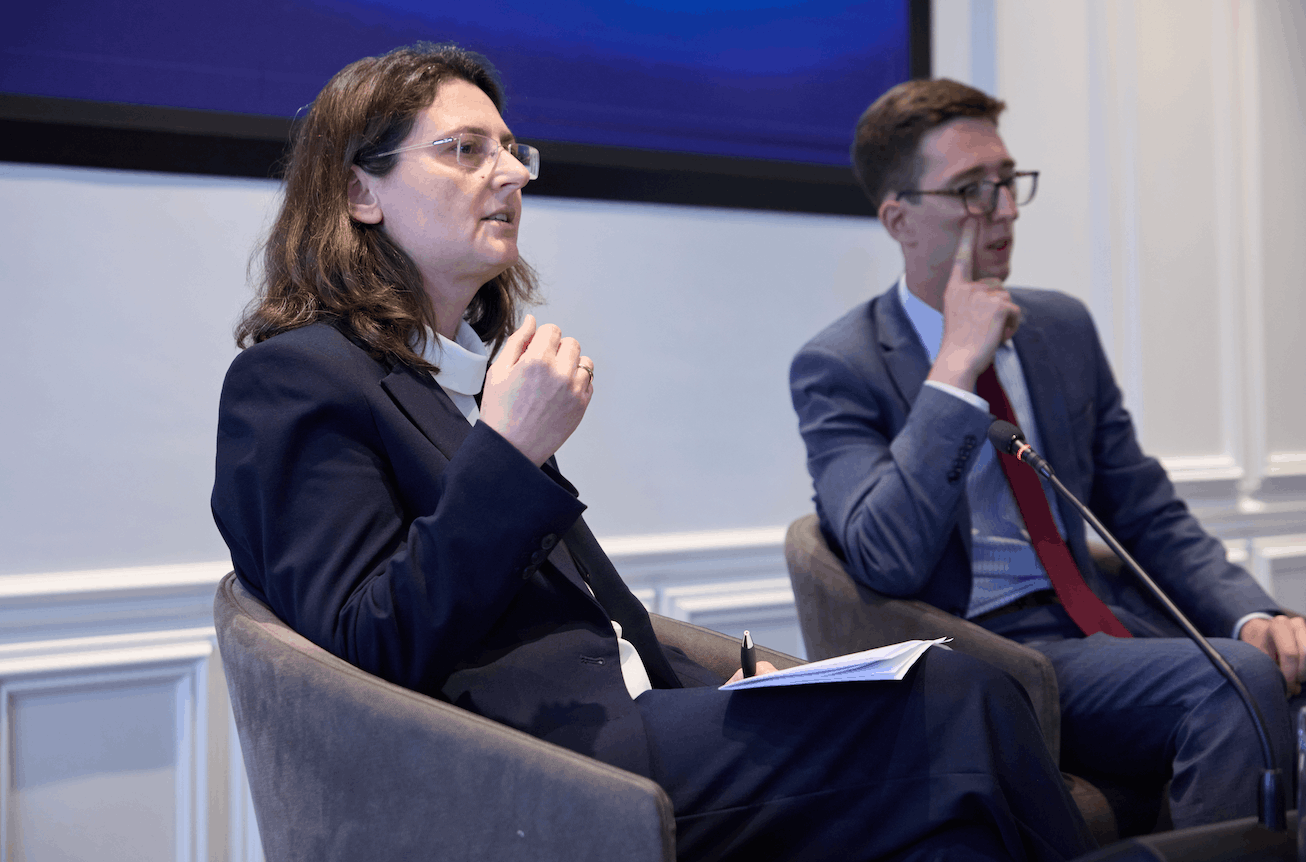 Tea Melikadze reflected on the rapid evolution of investment opportunities across the region: "Private sector development has been going on for many years in the region, but what has changed now is the urgency and the scope of regional opportunities." She explained that improving transport connectivity has become increasingly important for unlocking investment in critical minerals, renewable energy, and industrial development, particularly as investors seek integrated projects combining logistics, clean energy, and sustainable growth.
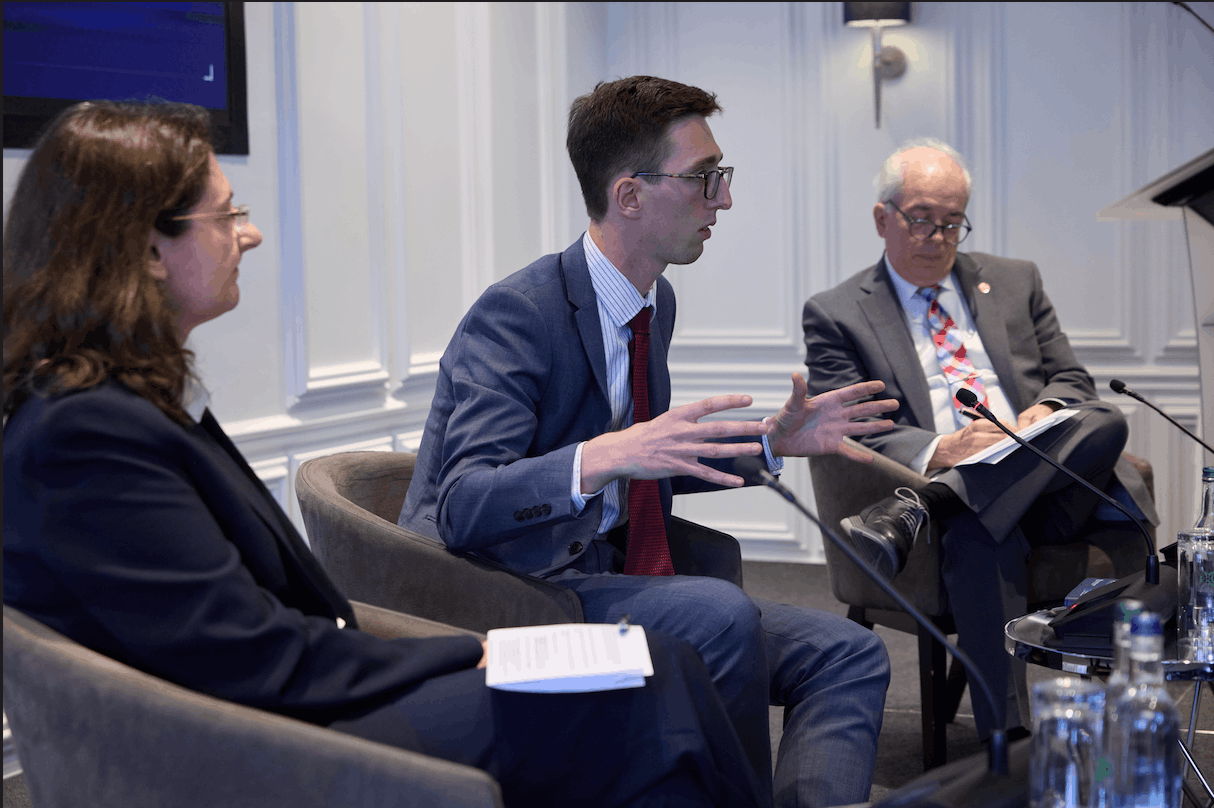 Charles Norman reflected on the rapid progress made in developing the Middle Corridor, noting that "When we first began discussing the Middle Corridor, it took around 40 days to move a train from China's dry ports to the Black Sea. Today that journey takes approximately 14 days." While welcoming that progress, Norman argued the next stage should focus on prioritising strategic investments that strengthen long-term competitiveness, improve rail infrastructure, and maximise the corridor's economic and environmental benefits.
The final panel, also moderated by Eric Rudenshiold, covered "Connectivity and Long-Term Resilience” and explored the financing and institutions needed to sustain regional connectivity. The panel featured Zhanbolat Kakishev of the Astana International Financial Centre (AIFC), Wai Htoon of the U.S. International Development Finance Corporation (DFC), and Chris Allum, Regional Head for Emerging Europe and Central Asia at UK Export Finance (UKEF).
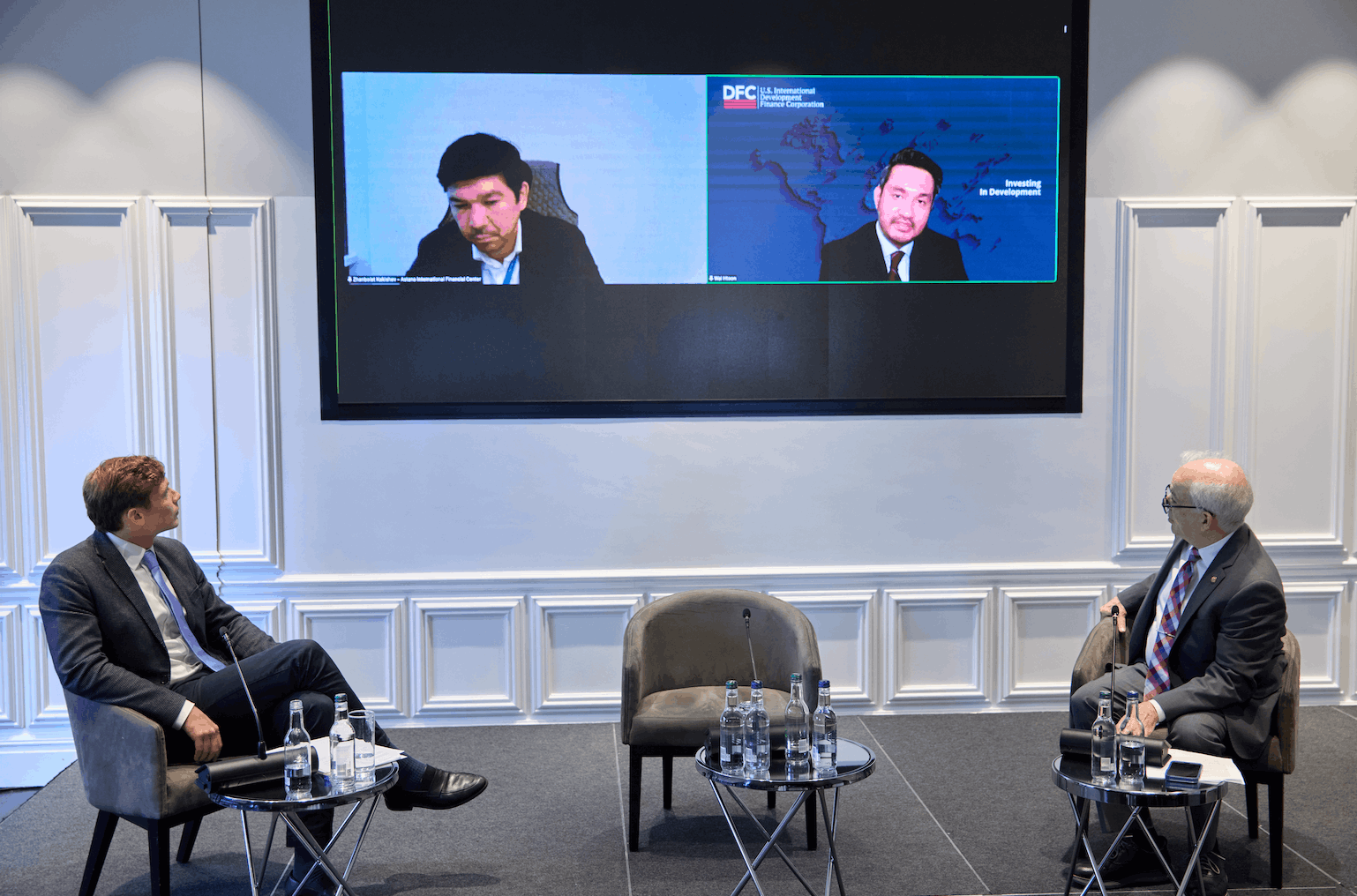 Joining virtually, Zhanbolat Kakishev reflected on the AIFC's first decade of development and its ambition to become a regional financial hub. "We need to think not only about the financial side, but also about enabling trade. We would like to become the financial hub of the whole region—not only Kazakhstan, but Central Asia and the South Caucasus,” he said.
Kakishev noted that AIFC has built a legal and regulatory framework recognised across more than 40 jurisdictions and is increasingly supporting companies involved in transport, logistics, and cross-border investment throughout the region.
He explained that the surge in investment reflects both improvements in the region's investment climate and its increasing strategic importance. "A mix of factors is driving our investments. It's about initiatives that bring partners together, but it's also about the local business environment and the jurisdictions in which we operate."
Htoon noted that digital connectivity, critical minerals, and resilient infrastructure have become central pillars of U.S. engagement. "There is significant interest from the DFC in the role it can play across the region. This is an exciting time for engagement, particularly in digital connectivity and critical minerals, which are increasingly important from both an economic and national security perspective."
 Chris Allum, Regional Head for Emerging Europe and Central Asia at UK Export Finance (UKEF), highlighted the UK's expanding support for strategic infrastructure projects across Central Asia and the South Caucasus. "UKEF is highly competitive, and we're seeing a significant increase in the number of projects coming forward. The United Kingdom is able to deliver a complete package—from finance and legal expertise to engineering, insurance and professional services,” Allum said.
Allum emphasised that successful infrastructure projects require not only competitive financing but also strong governance and meaningful long-term benefits for local economies.
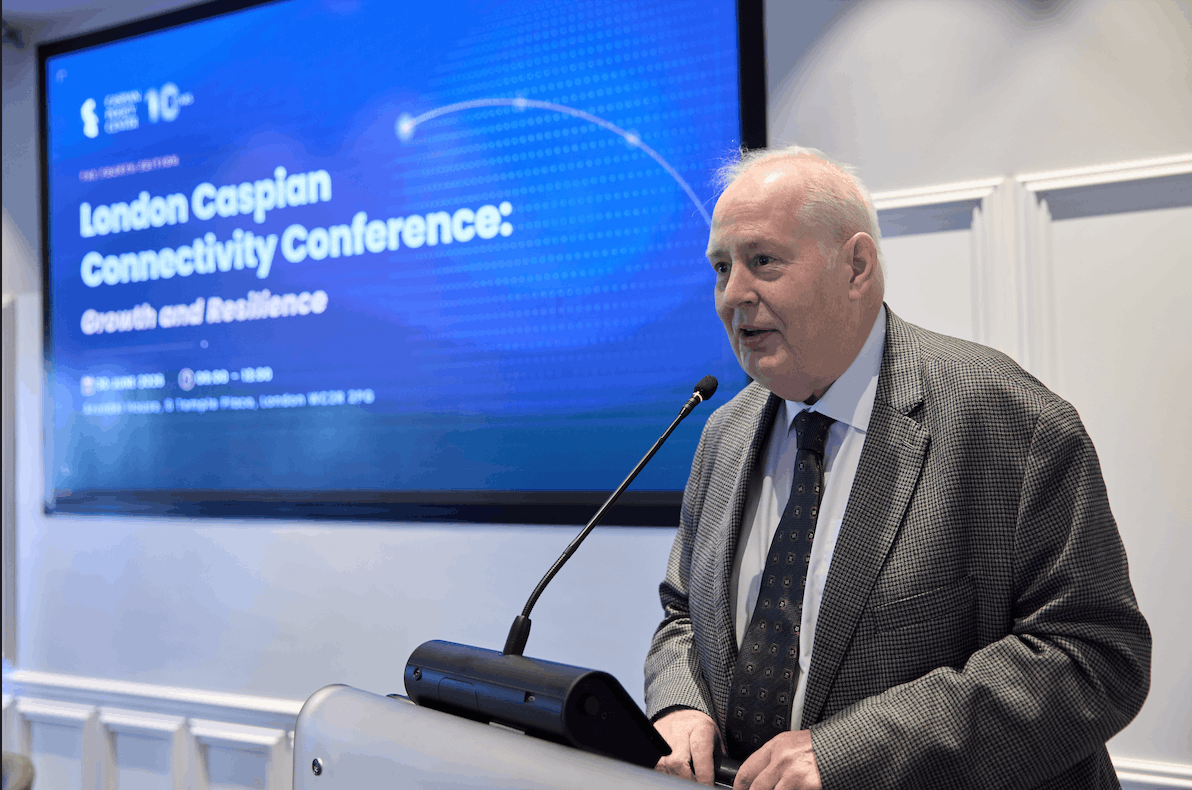 David Moran delivered closing remarks, CPC's Senior UK Adviser, reflecting on the day's discussions and the remarkable progress achieved across the Caspian region in recent years. He noted that conversations throughout the conference demonstrated a growing consensus among governments, investors, financial institutions, and the private sector that the Middle Corridor has evolved from a regional transport initiative into a “corridor of choice” in an unpredictable world.