Iran, Azerbaijan, and the Geopolitics of Escalation in the South Caucasus
Recent Articles
Author: Jack Halsey, Toghrul Ali
03/05/2026
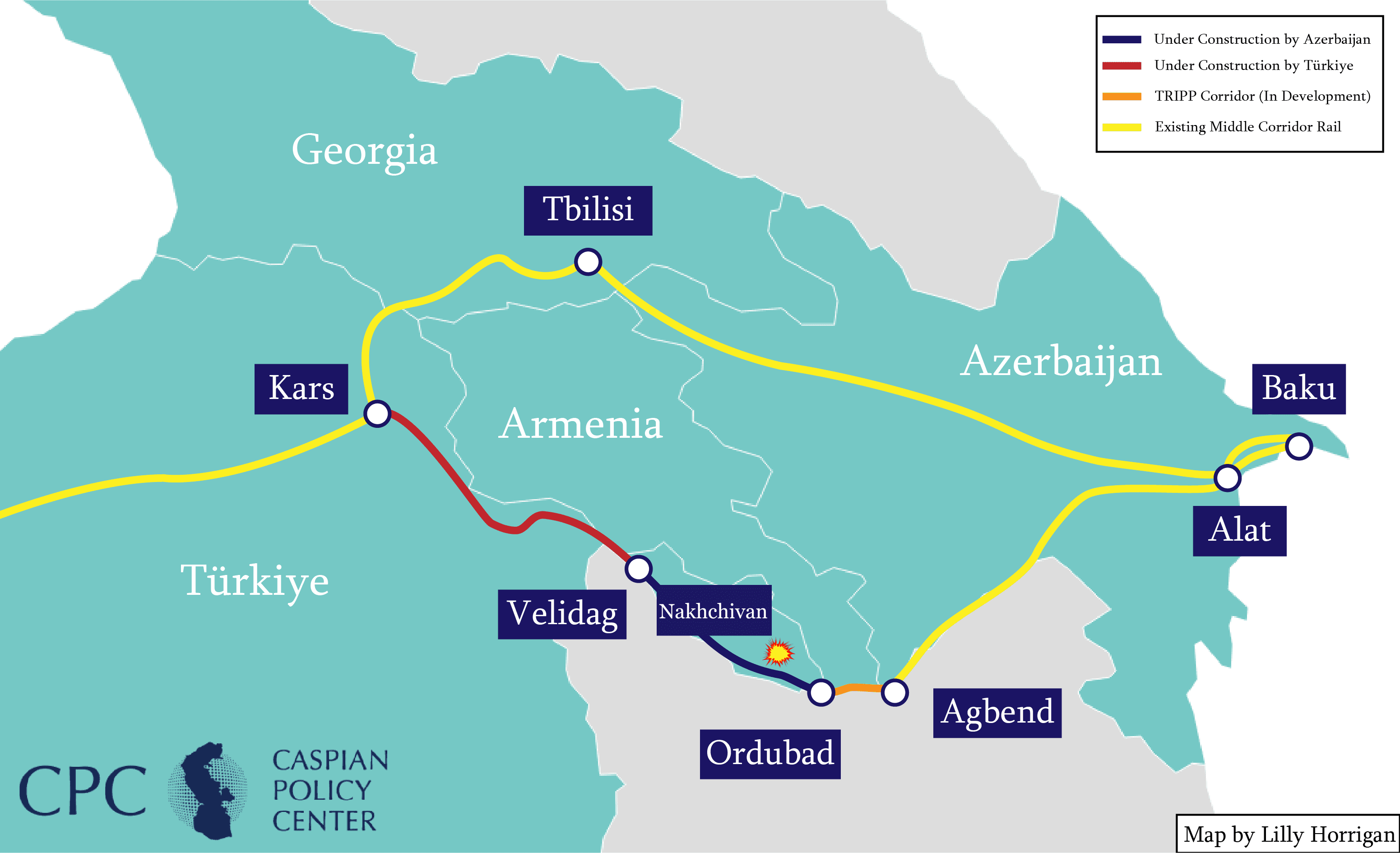
As the conflict between the United States-Israel coalition and Iran continues to expand and encompass other states in the Gulf and Middle East, the South Caucasus is now being drawn into the conflict. On March 5, two drone attacks were carried out against the Nakhchivan exclave of Azerbaijan. The first drone struck a terminal building of Nakhchivan International Airport, about six miles across the border from Iran. Just east of the airport, a second drone fell near a school building in the village of Shakarabad. Four civilians were injured in the attacks.
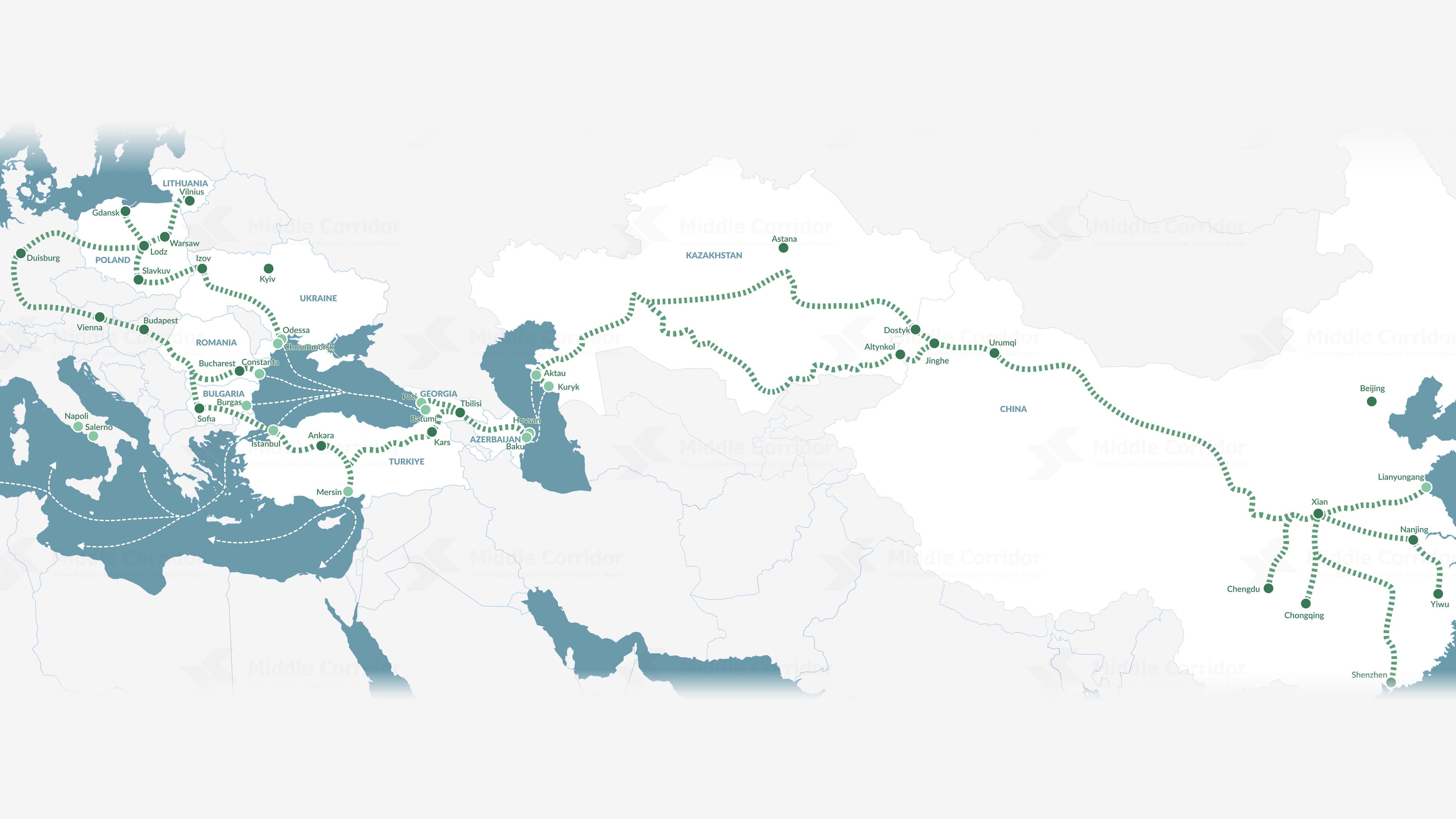
The Iranian drone attacks occurred in close proximity to the Trump Route for International Peace and Prosperity (TRIPP), a key component of the White House’s peace initiative between Armenia and Azerbaijan. TRIPP, a planned rail and road corridor through southern Armenia, would connect Azerbaijan to Nakhchivan and onward to European markets via Türkiye. Although the corridor itself would span less than thirty miles, it represents a critical missing link in a broader transregional network that could connect Central Asia to Europe while bypassing both Russia and Iran. The targeting of the Nakhchivan region therefore poses a security threat to emerging connectivity initiatives, and therefore underscores the geopolitical stakes surrounding new transport corridors across the South Caucasus.
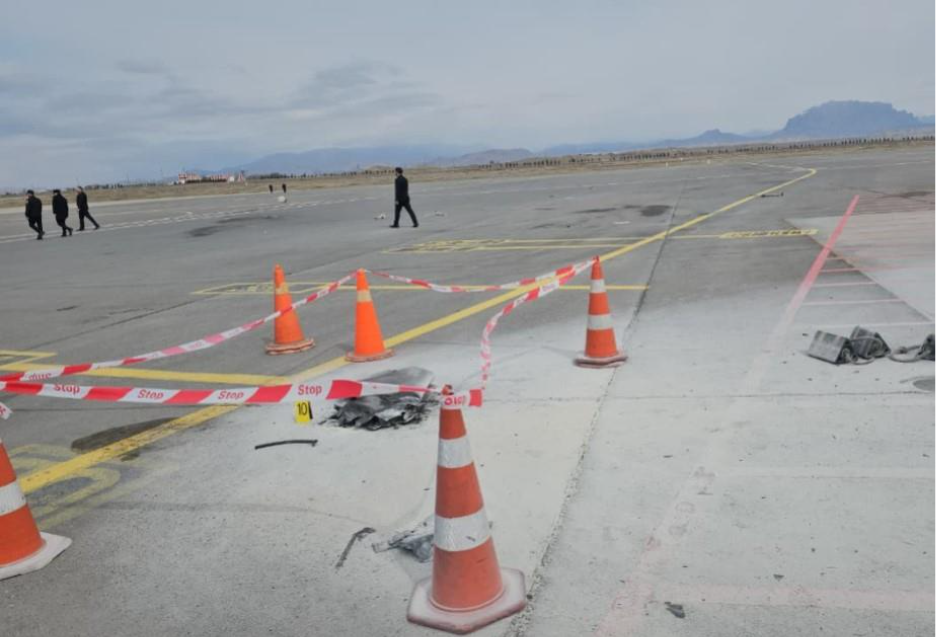
The remains of an Iranian drone left after the attack on Nakhchivan airport, Source: X
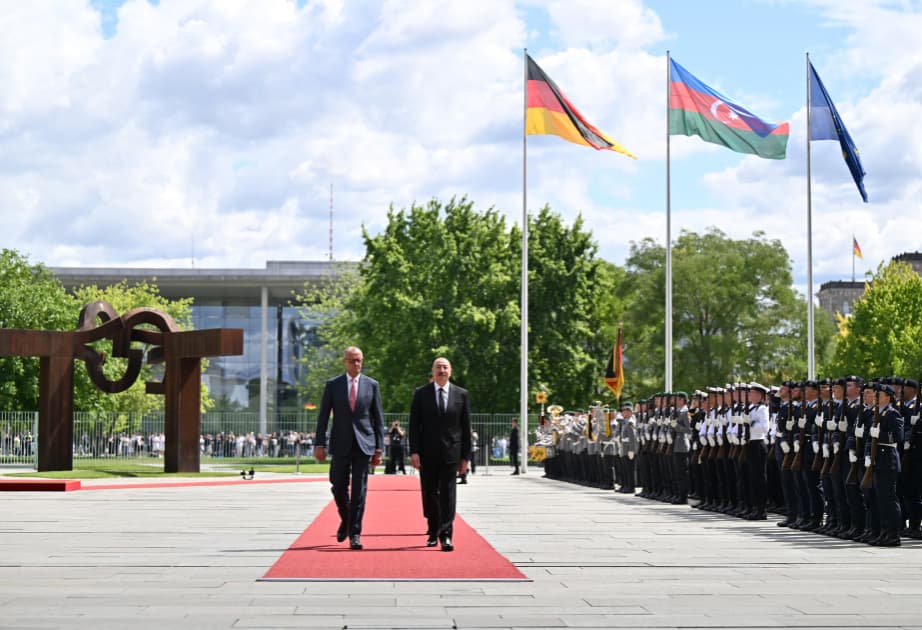
In response, Azerbaijan’s President Ilham Aliyev held a Security Council meeting where he directly labeled the drone strikes as “terrorist acts…committed by Iran.” Going forward, Aliyev stated that, “Our Armed Forces have been instructed to prepare and implement appropriate retaliatory measures.” Although, it is unclear what actions may be included in “retaliatory measures,” considering Aliyev’s later clarification that “Azerbaijan neither participated nor will participate in any operations against Iran this time around... We have no interest and no policy to conduct operations against our neighboring countries.”
When first confronted, Iran’s Deputy Foreign Minister Kazem Gharibabadi denied Iran’s involvement in the drone strike. In an interview, Gharibabadi said, “Iran’s policy is only to strike the military bases of its enemies,” in particular those that have been used to attack Iran. Later, Iran’s Minister of Foreign Affairs Seyyed Abbas Araghchi also released a statement denying Tehran’s involvement in the attack, instead placing the blame on Israel.
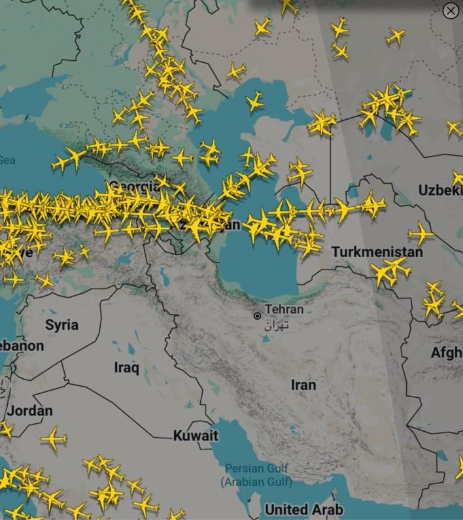
Redirected flights after U.S. airstrikes on Iran, Source: X
Regional responses to the drone strikes have been swift. With Iranian airspace closed, the South Caucasus have become an incredibly important transport hub for transcontinental passengers and cargo shipping. Considering the escalation, Caspian neighbors and allies have quickly condemned Iranian actions. Both Georgia’s Prime Minister and Foreign Minister, Israel’s Minister of Foreign Affairs, and the Turkish Foreign Minister were amongst the early callers to speak with Azerbaijan’s Minister of Foreign Affairs Jeyhun Bayramov and President Aliyev. During Uzbekistani Foreign Minister Bakhtiyor Saidov’s call with Bayramov, the Minister emphasized that the drone strikes were unacceptable and go against the “principles of international law” and violate sovereignty of another state. In a press statement, President of Kazakhstan Kassym-Jomart Tokayev also condemned the attacks against a “fraternal and allied Azerbaijan.”
The South Caucasus’s engagement with this conflict is far from over. Both Armenia and Azerbaijan continue to allow both Iranian and other foreign nationals to cross their borders. Azerbaijan has only accepted four Iranian nationals out of the approximately 1200 refugees that have entered since the conflict began. Armenia has received 400 evacuees of which 300 are reported to be Iranian.
Iran has also threatened to target enemy oil supply lines. This has led some to believe that the Baku-Tblisi-Ceyhan (BTC) pipeline running from Azerbaijan through Georgia to Türkiye is at risk of being attacked and drawing the rest of the region into the conflict. BTC transports approximately 30 percent of Israel’s oil supply. The threat level increased when an Iranian missile, that was possibly targeting a BTC terminal, was intercepted upon entering Turkish airspace.
Even though direct action against Iran from any of the South Caucasus states seems unlikely, the likelihood of increased defensive measures being taken by states along the Iranian border seems inevitable. It is also possible that with the renewed importance of the South Caucasus as a safe transit corridor that circumvents Iran will continue to rise in importance.