Decoupling: Moving Central Asia’s Critical Minerals West
Recent Articles
Author: Dr. Akbota Karibayeva Meyer
04/08/2026
 Central Asia Regional Economic Cooperation Program (CAREC)
The policy consensus is already established: diversifying critical minerals supply chains away from China is a strategic imperative for the United States, and Central Asia is a promising alternative supplier. Central Asia holds significant reserves of strategic importance for modern defense, energy, and electronics systems, and stands ready to support global supply chain security. The question is no longer whether to engage. It is what engagement actually will require. Despite a year of immense diplomatic progress, the gap between political momentum and commercial reality remains.
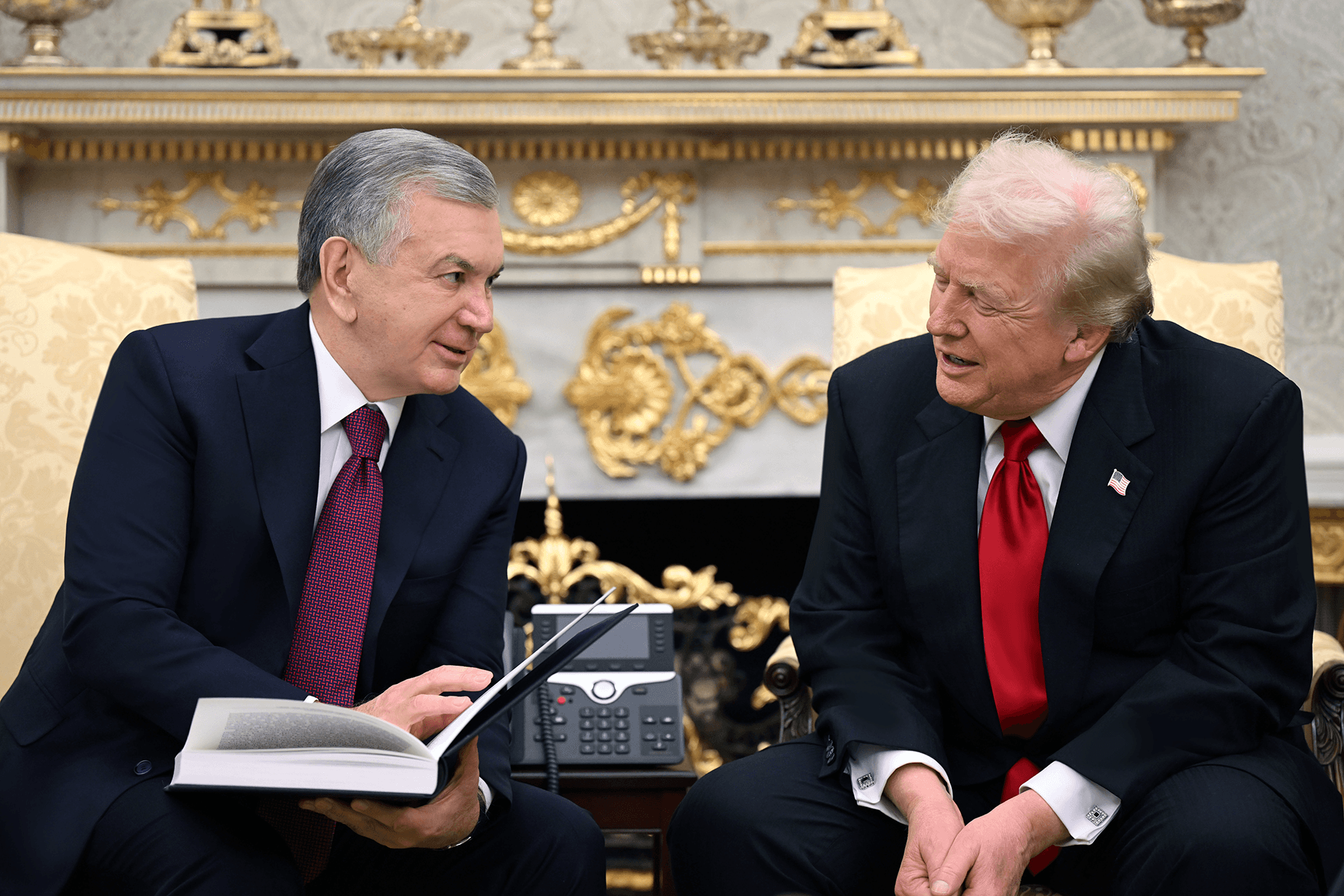
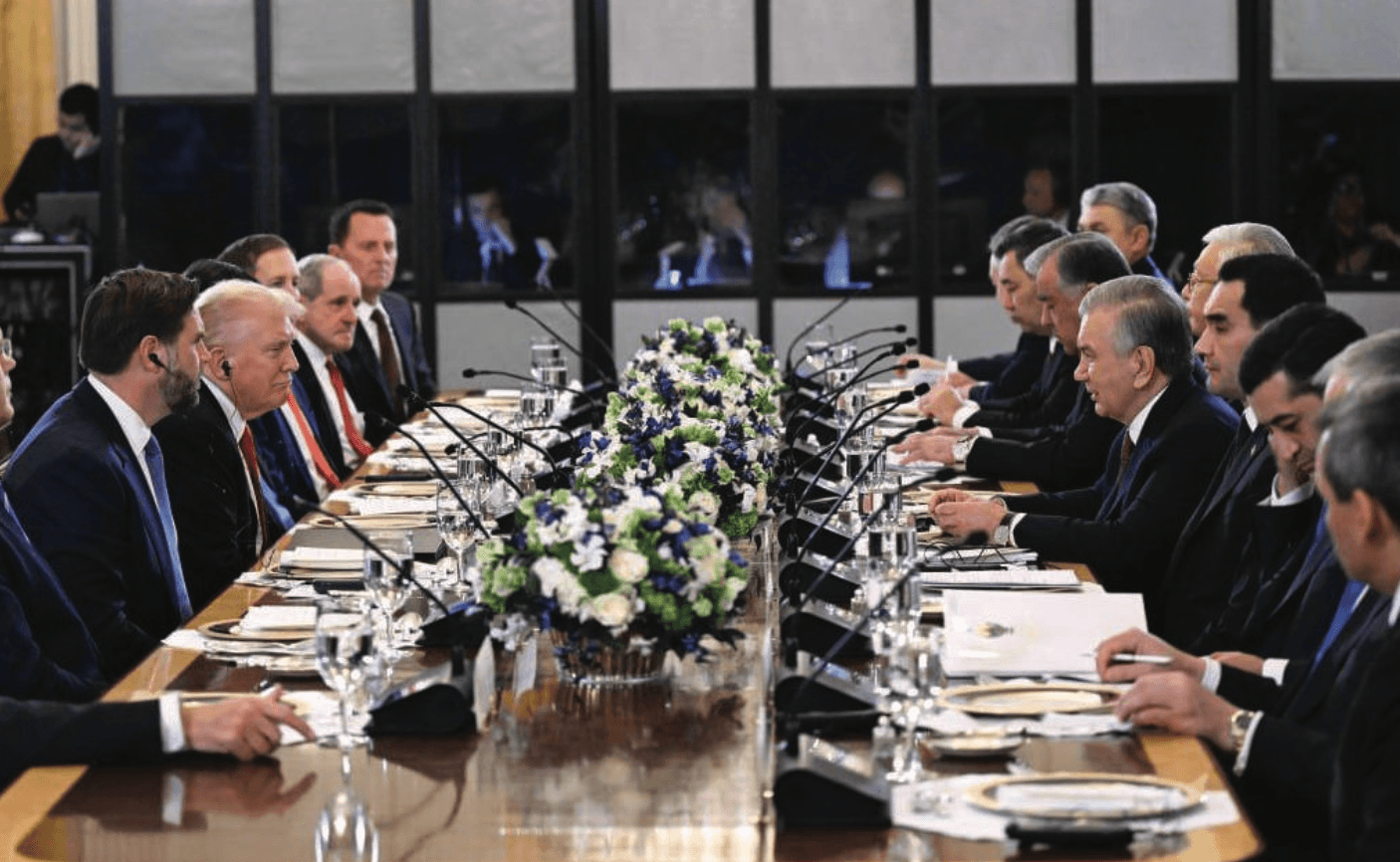
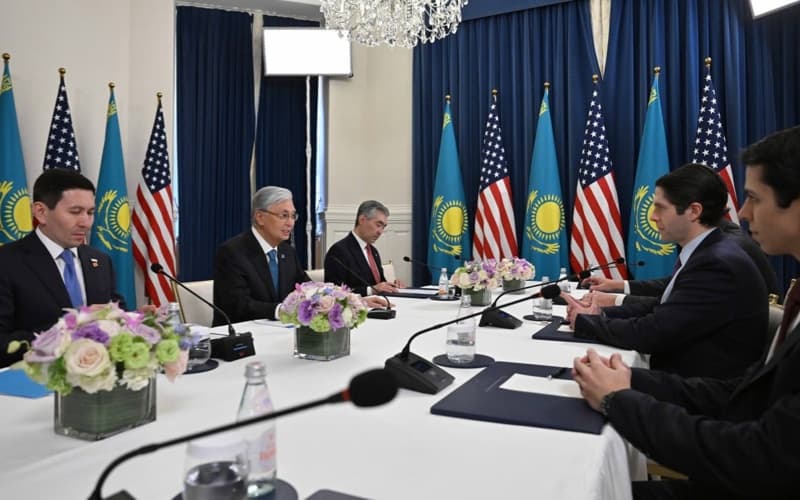
The November 2025 C5+1 Business Conference and Heads of State Summit in Washington produced a notable set of commitments. Among them, the joint venture between U.S. firm Cove Capital and Kazakhstan’s state mining company Tau-Ken Samruk to develop the world’s largest known tungsten deposit was the clearest signal yet that the United States is prepared to move from rhetoric to investment. This tungsten joint venture represents exactly the kind of outcome this moment calls for, but the risk is that it becomes a unicorn rather than spearheading a trend. Converting political momentum into durable supply- chain architecture requires confronting a set of structural challenges that diplomatic frameworks alone cannot resolve.
-
The Market Paradox: Politically Critical, Commercially Uncertain
The foundational problem tends to get obscured by the “urgency” framing: the critical minerals sector, despite its geopolitical salience, is a relatively small and economically uncertain industry. The global critical minerals market is estimated at roughly $325 billion – not even a tenth of the $3.5 trillion global oil and gas trade. That scale matters because it shapes the commercial logic that ultimately drives investment decisions.
Unlike oil, where demand is massive, price signals are relatively legible, and where the global trade infrastructure is mature, critical minerals markets are characterized by high capital requirements, price volatility, long development timelines, and uncertainty about future mineral-specific demand. A new mine agreed upon today will not produce at scale for well over a decade. By that time, the specific minerals it targets could have been partially displaced by substitutes, reduced in demand by recycling advances, or repriced by unexpected shifts in technology or geopolitics. Thus, investors are being asked to commit enormous capital to projects whose output might face structurally diminished demand by the time they reach production.
This uncertainty is not hypothetical. The U.S. Department of Energy’s own critical minerals program is explicitly organized around three research directions: producing more, wasting less, and using less – meaning that even as Washington sends strong demand signals for mineral procurement, researchers are simultaneously working to develop substitutes, improve recycling efficiency, and reduce the intensity of critical mineral use in key technologies. Meanwhile, the urgency emanating from the U.S. Department of War is more a function of its vulnerability to small disruptions rather than the absolute scale of its demand. Defense applications account for a relatively small share of total critical mineral consumption.
All of this points to a clear conclusion: market forces alone will not mobilize the investment required at the necessary scale and speed. It is difficult for rational private investors to commit under such uncertainty without material government support. Public-private partnerships are, therefore, not just a policy option but also a real necessity. This includes tax incentives for exploration, concessional financing for processing infrastructure, offtake agreements that provide revenue certainty, and price floor mechanisms to mitigate volatility.
On the viability of price floors, there is a major structural obstacle: China currently controls 60-70% of global rare earth mine production and over 85% of separation and processing capacity. Since China is also the dominant consumer of intermediate rare earth products, its scale of market influence ensures that processing and offtake decisions gravitate to its supply chains. Changing that equation requires not just American engagement, but the kind of coordinated plurilateral effort that can credibly anchor enough collective demand to sustain alternative supply chains and support viable price floors.
-
The Processing Question: Where, What, and at What Cost?
The second structural challenge is where and how critical minerals are processed. Central Asian governments are understandably determined to move away from the extractive model that characterized their Soviet-era resource economies, in which raw materials were exported while value addition happened elsewhere. There is strong and legitimate pressure, embedded in investment frameworks across the region, for new deals to include not just extraction but midstream processing and the production of higher-value products that require less volume to transport. This is economically rational from the perspective of resource-holding states. However, it provides another layer of pressure for investors, as processing infrastructure adds enormously to capital requirements, increases technical complexity, and significantly amplifies the risks of operating in jurisdictions with limited industrial track records.
The technical complexity of processing is frequently underestimated in policy discussions. Rare earth separation through solvent extraction (the standard commercial process) involves potentially dozens of sequential stages conducted in very large industrial facilities, requires access to significant quantities of specialized chemicals, and is highly sensitive to variations in ore composition and deposit geology. Each deposit has its own mineralogical characteristics that require tailored metallurgical solutions. New processing technologies exist at the laboratory stage, but none appear ready to replace conventional approaches at commercial scale in the near term. Plans for regional processing hubs must be evaluated against these realities.
The region also faces a coordination challenge. Multiple Central Asian countries aspire to become a regional hub for critical mineral processing. That ambition is understandable, but if pursued independently and without coordination, it risks producing redundant or under-scaled facilities that fail to attract the international investment they need to succeed. A processing facility optimized for rare earth separation has very different siting requirements than one focused on copper refining or titanium production; the logic of mineral type, ore grade, energy access, water availability, and logistics connectivity does not produce the same answer for every country or every mineral. The region's governments would be better served by a coordinated specialization strategy. For instance, Kazakhstan's established metallurgical infrastructure and energy base positions it differently than Tajikistan's antimony and aluminum concentrations, or Uzbekistan’s emerging tungsten and copper refining capacity. The countries of Central Asia are not simply competitors for the same investment. They are potential components of an integrated regional supply chain that would be more valuable to Western partners than any single country's offering in isolation.
-
The Workforce Gap: Why the Long Horizon May Be an Asset
Two of the challenges most frequently cited in discussions of Central Asian mining – workforce capacity and infrastructure – share a feature that is easy to miss when the dominating framing is one of urgency: they are problems that respond to sustained effort over a decade or more, which is precisely the time horizon on which mine development and processing capacity also operate. The region’s technical workforce in mining, geology, and mineral processing reflects its Soviet institutional inheritance that do not map onto the practices expected by Western investors and international capital markets. Geological data in several countries remains fragmented, not digitized, and not fully reported in the international formats – e.g., Committee for Mineral Reserves International Reporting Standards (CRIRSCO) – that credible investment due diligence requires. Engineering expertise in the specific metallurgical challenges of rare earth separation, or in the environmental management of tailings and water use, is limited.
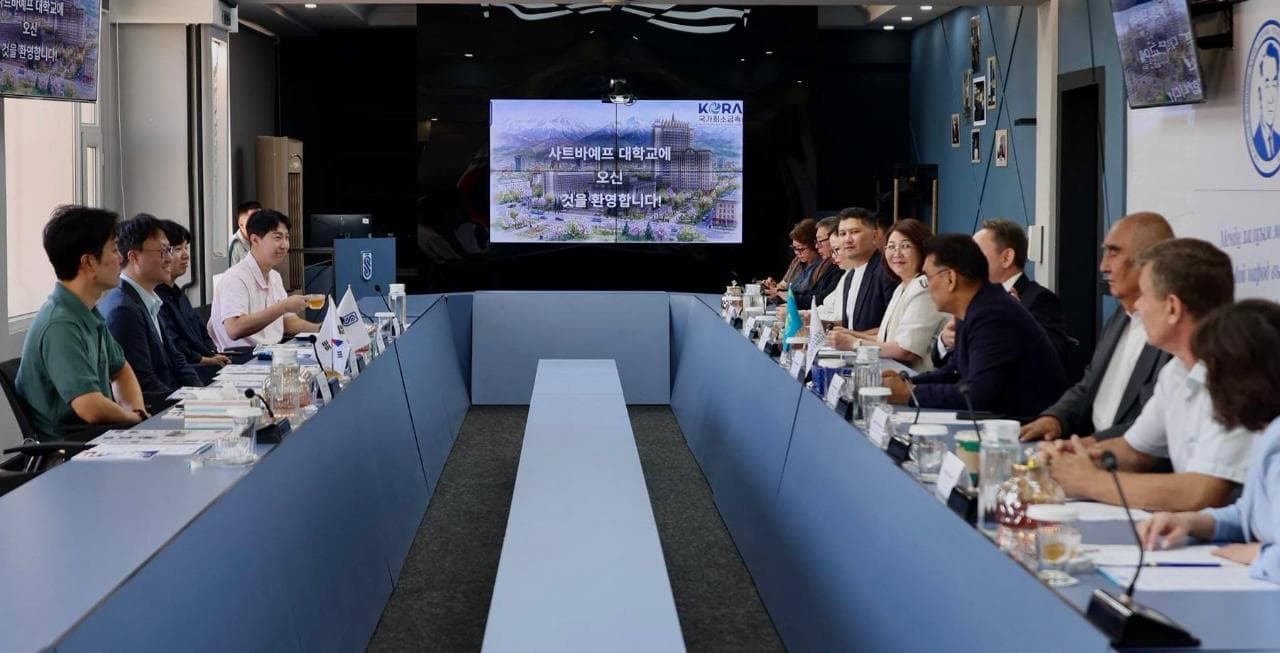
However, these constraints are not permanent. Central Asian governments have significant capacity to direct educational investment, allocate scholarships, and build institutional capacity in targeted fields. If the region’s governments make a serious and sustained commitment to training the next generation of geologists, mining engineers, and mineral economists, then the workforce that will be trained by the time mines and processing plants reach operational scale. Partnerships with institutions like the Colorado School of Mines, which actively seeks to establish a regional presence, represent one model for accelerating that process. The time horizon that looks like a liability from an urgency standpoint is, from a workforce development standpoint, an opportunity.
-
The Middle Corridor: Urgency and Time Are Not Contradictory
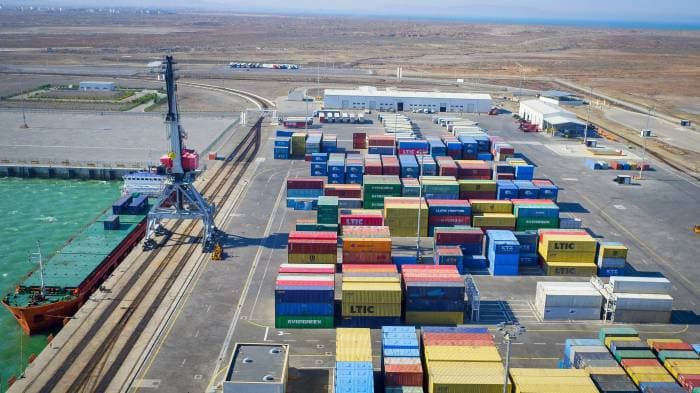
The same logic applies to the Middle Corridor, which would carry Central Asian minerals westward through the South Caucasus to European and U.S. markets, bypassing both Russia and Iran. The corridor is currently underdeveloped relative to the demands that critical mineral export at scale would place on it, as bottlenecks persist and customs harmonization across jurisdictions is incomplete.
This is a challenge for critical minerals transit, but one with a reasonable solution timeline, if action begins now. Mines currently in early development or exploration will not require high-volume export capacity for years. That window means that sustained effort now on logistics infrastructure, customs harmonization, digital tracking, port capacity, and multimodal connectivity can produce a corridor that is genuinely ready to carry commercial-scale mineral flows when they materialize. The Middle Corridor’s importance extends beyond critical minerals. It is a versatile, general-purpose trade route whose development increases economic connectivity across a region that has historically been pulled between Russian and Chinese economic orbits. Every ton of non-mineral goods that moves through an improved corridor helps build the commercial case for further infrastructure investment and helps anchor Central Asian states more firmly in Western-facing trade networks. Progress on the corridor also sends a critical signal to investors: that transport constraints are being addressed and that export pathways will be reliable by the time production comes online.
The past year has demonstrated that political will and diplomatic engagement around U.S.-Central Asia critical minerals cooperation are strengthening. However, moving to production requires aligning investment, processing capacity, workforce development, infrastructure, and regional coordination into a system that can operate at commercial scale. Without this alignment, even the most promising projects risk remaining isolated successes rather than forming the foundation of durable partnerships and joint prosperity.