Tanker Strikes at CPC Terminal Renew Pressure on Kazakhstan’s Oil Industry
Author: Erin Malloy
07/30/2026
 kremlin.ru
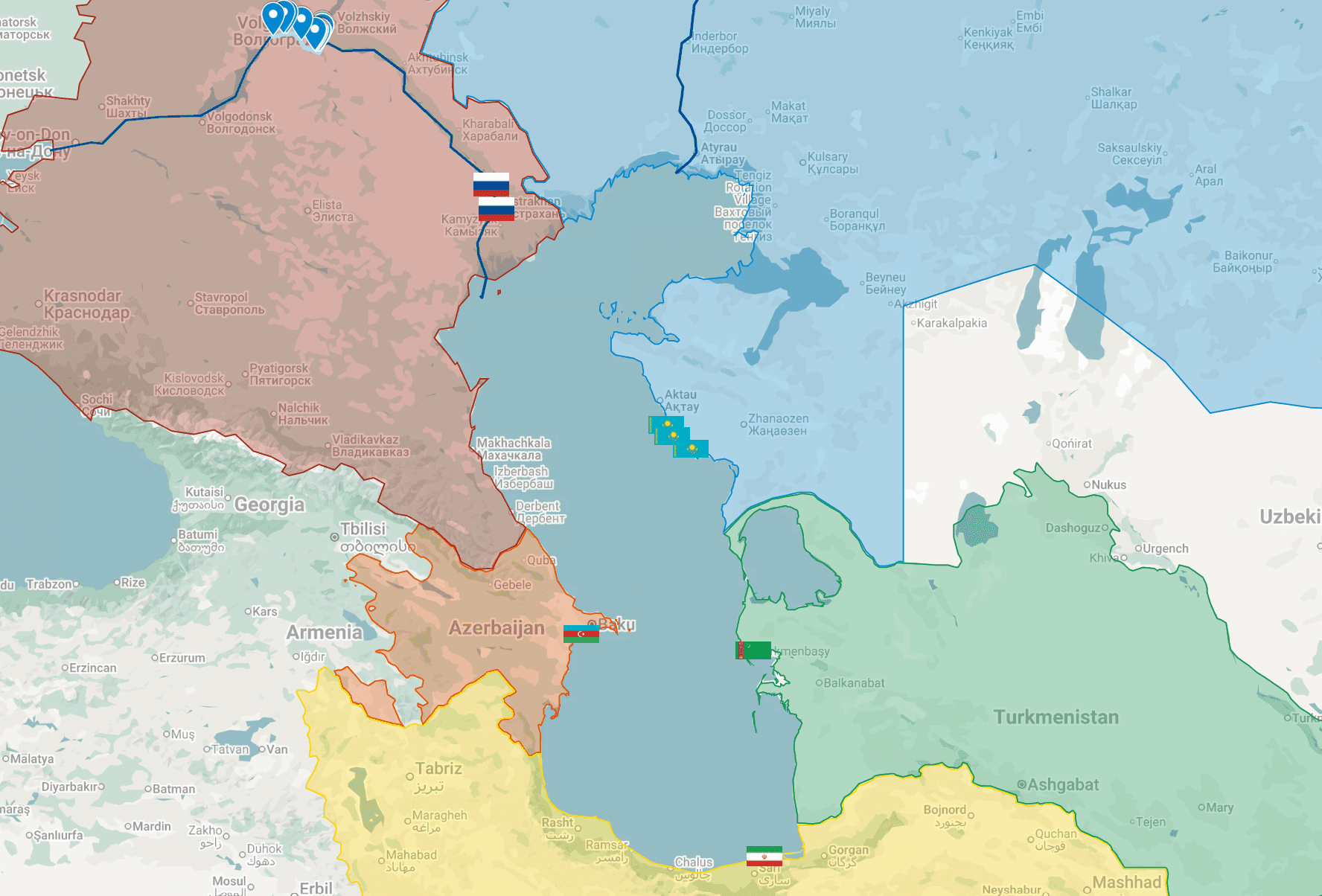
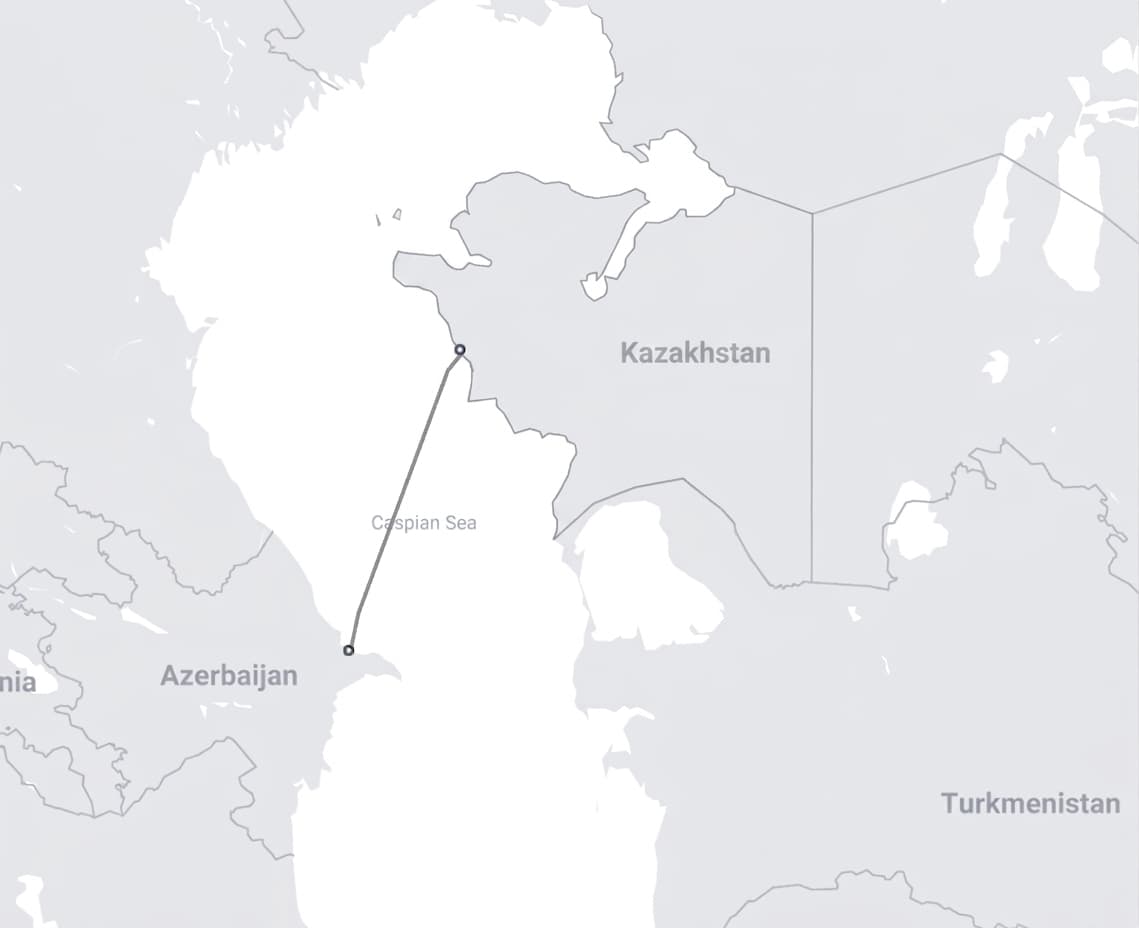
Kazakhstan resumed exporting crude oil on July 27 after a week-long suspension of Caspian Pipeline Consortium (CPC) operations. The CPC paused loading oil from Kazakhstan following several days of drone strikes on four tankers at its Novorossiysk terminal, which sits on Russia’s Black Sea coast and serves as the final destination of the CPC, Kazakhstan’s largest oil export network and one of the world’s largest pipelines.
On July 17, the tanker Nordic Zenith was damaged in a drone attack on its way to the terminal, causing a fire on board. Two days later, more unattributed drones struck two ships, ASIA and NISSOS IOS, as they were loading Kazakh oil, according to the Kazakh Ministry of Energy. The fires that broke out aboard the ships were extinguished, no injuries were sustained, and authorities confirmed that no oil was spilled into the sea. On July 20, a fourth tanker named NELSA was attacked at the Novorossiysk loading point. Due to the pause in operations, Kazakhstan’s total oil production dropped from 2.16 million barrels per day (bpd) to 1 million bpd. Kazakh officials reiterated that the temporary reduction was a “purely technical” decision to prevent storage tanks from overflowing.
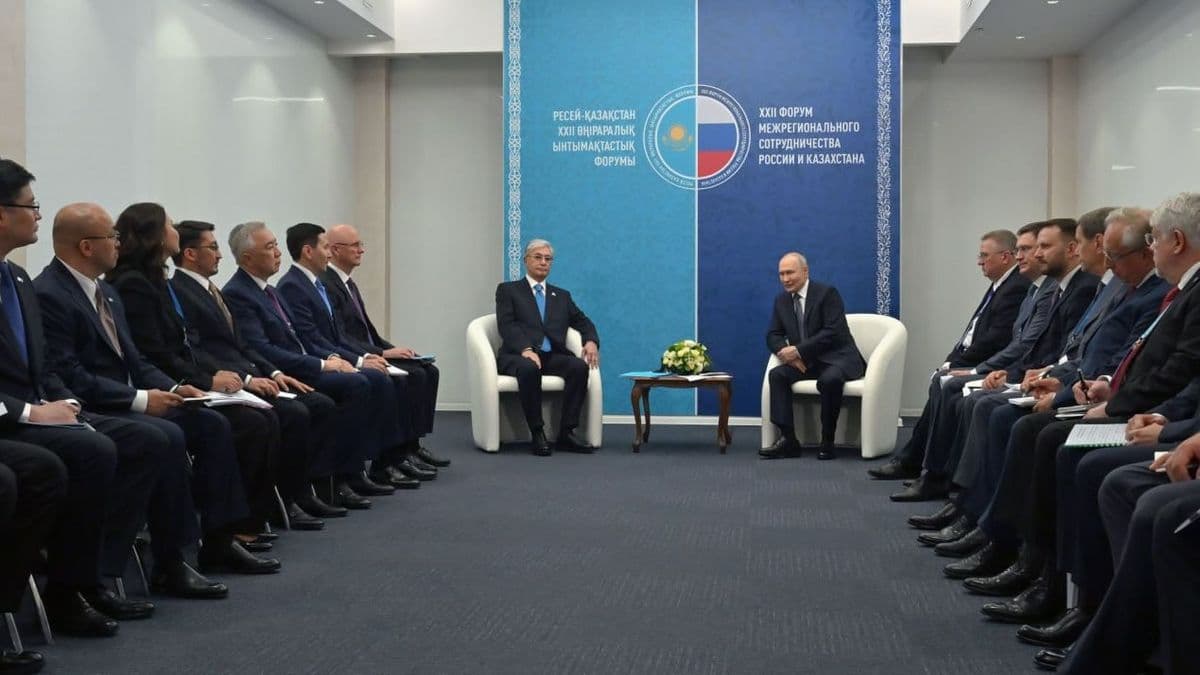
Following the strikes, Kazakhstan President Kassym-Jomart Tokayev requested that Russia “freeze” the war in Ukraine, marking one of Tokayev’s clearest public appeals to Putin. Tokayev’s meeting with Putin occurred on July 25 prior to a forum in Omsk. His statements reflect Astana’s increasing concern regarding Kazakhstan’s vulnerability to collateral damage from the war and potential fuel crises, as the oil and gas sector accounted for 16.3% of Kazakhstan’s GDP in 2024.
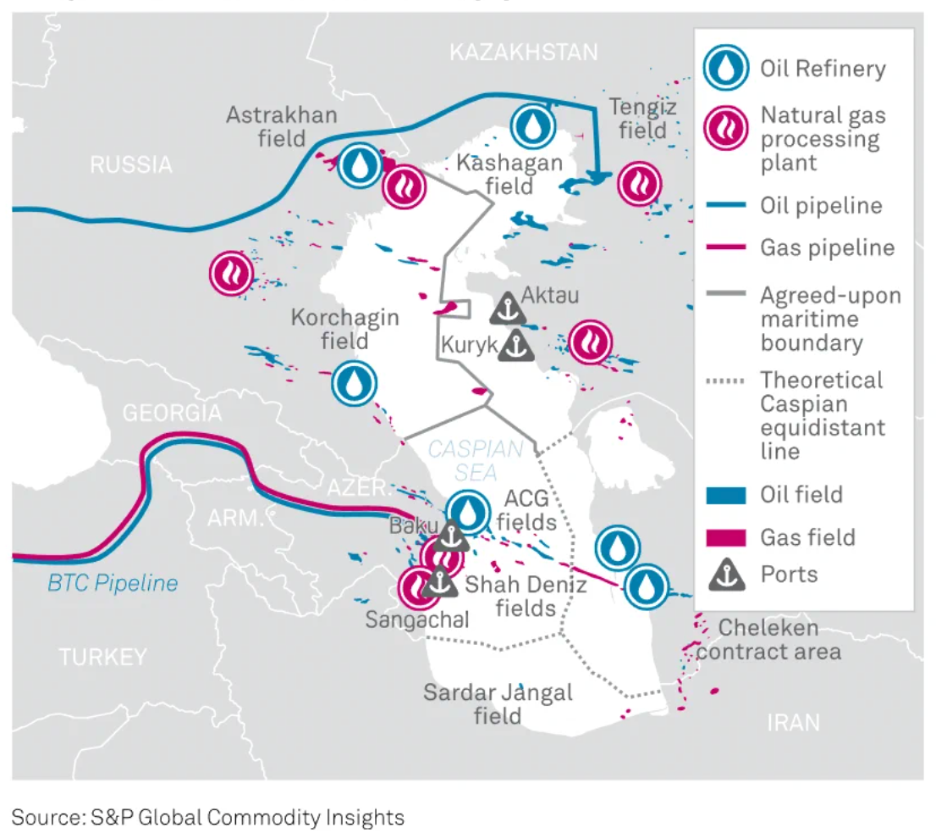
Given the number of Ukrainian strikes that have hit Russian-controlled pipelines in the past few years, including the CPC, Kazakhstan had already begun building up its alternative export routes. For example, Astana has increased its exports via the Baku-Tbilisi-Ceyhan pipeline, which transits the South Caucasus from Azerbaijan to Turkey.
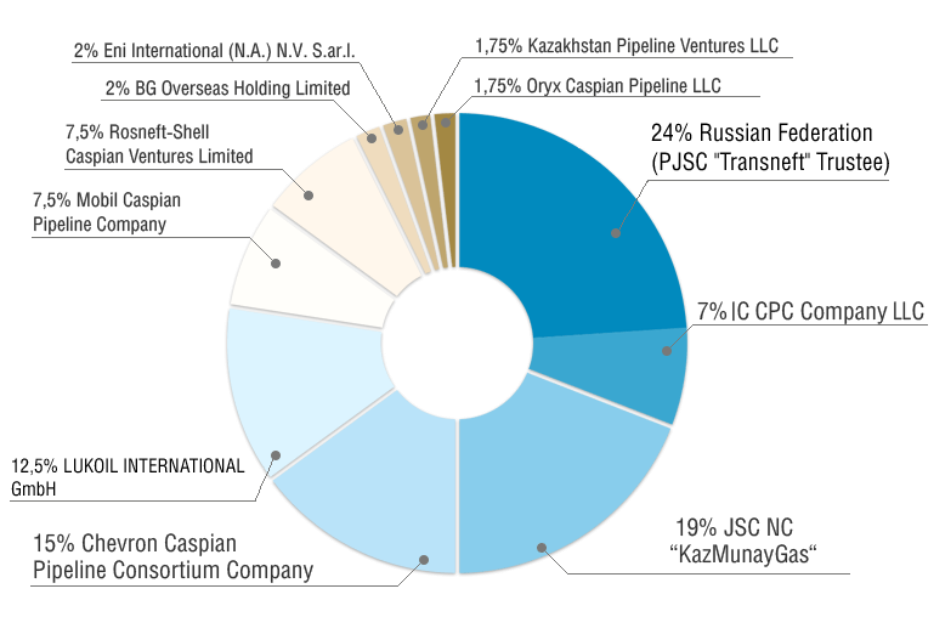
The CPC is a multi-national venture where Russia, Kazakhstan, and major western companies work jointly. Source: CPC.RU
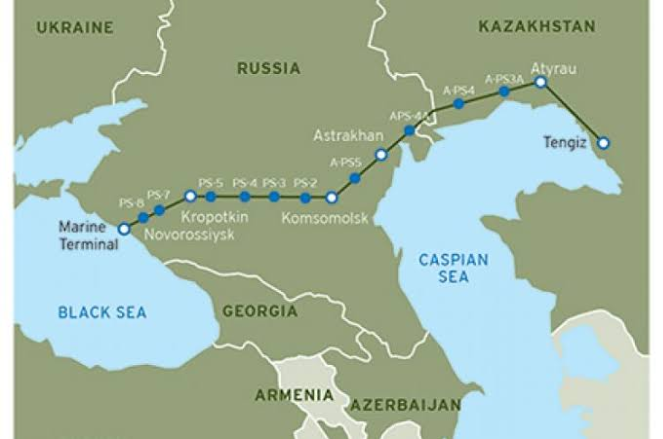
The CPC Pipeline is again operational.
The attacks draw attention to the vulnerability of Kazakhstan’s main oil route, which carries around 80% of Kazakh oil exports and more than 1% of the global oil supply. The CPC pipeline, which travels through southwest Russia to reach the Black Sea, has experienced repeated drone attacks by Ukrainian forces throughout the Russia-Ukraine war.
The CPC pipeline is owned in part by companies from Kazakhstan, the U.S., Russia, and other major investors. American companies Chevron and ExxonMobil hold 50% and 25% shares, respectively, in Tengizchevroil, which developed the Tengiz oil field from which the CPC pumps natural gas. Kazakhstan’s state-owned national oil company, KazMunayGas, owns a 20% share in the Tengiz field, while Russian Lukoil owns 5%. Both Russia and Kazakhstan hold shares in the CPC pipeline, while Chevron holds 15% interest and ExxonMobil holds 7.5%. Disruptions to the pipeline thus create collateral damage for several multinational stakeholders, including American.
Ukraine has denied involvement in the strikes. Astana condemned the strikes as an “unacceptable infringement on Kazakhstan’s economic interests,” but did not name Ukraine directly. The Ukrainian ambassador to Kazakhstan stated that “there is no evidence whatsoever” that Ukraine was behind the attacks and argued that strikes on Kazakh energy facilities are not in Kiev’s interests. The ambassador also pointed to Russia’s possible motivation for using such drone attacks to frame Ukraine, particularly by using electronic warfare to disrupt and manipulate the operation of Ukrainian drones.
Russian Foreign Ministry spokesperson Maria Zakharova stated that “there can be no doubt that the Kiev Nazi regime is responsible” for the “terrorist attack.” The accusation is not without precedent. In 2025, Ukraine took responsibility for a drone strike on Russian oil infrastructure that caused weeks of decreased Kazakh oil exports. Additional Ukrainian drone attacks throughout 2025 prompted Kazakhstan to request that Ukraine cease harming Kazakhstan’s economic interests.
Regardless of the origin of the strikes, Astana has found them sufficiently concerning to explicitly request a freeze in fighting between Russia and Ukraine. The attacks have illustrated the reason for Kazakhstan’s recent focus on building energy resilience, as repeated disruptions to the CPC have highlighted the risks of relying on a single corridor for 80% of its oil exports. Kazakhstan has turned its attention to the Baku-Tbilisi-Ceyhan (BTC) and Druzhba routes and has continued exporting crude to China. Still, the CPC remains the focal point of the Kazakh oil industry, representing 60 million tons per year out of a total of around 70 million.