Europe - Caspian Briefing, July 29, 2026
Recent Articles
Author: Caspian Policy Center
07/29/2026
 engine.online
Welcome to the first edition of the Europe - Caspian Briefing, a new bi-weekly publication from the Caspian Policy Centre's London office. This newsletter will track the key developments shaping ties between the United Kingdom, the European Union (EU) and the wider Caspian region, focusing on the trade, energy, connectivity, political and security issues most relevant to UK and European governments, businesses, and institutions engaging with the Caspian region.
Energy and Economy
Kazakhstan Resumes CPC Oil Exports After Plunge in Oil Output Following Drone Strikes
Kazakhstan’s Ministry of Energy announced on 27 June that it would resume oil exports along the Caspian Pipeline Consortium (CPC) after a wave of drone attacks on oil tankers at the CPC Black Sea marine terminal in Novorossiysk. Kazakhstan’s oil output dropped significantly in the past week, with Astana choosing to temporarily suspend loading operations at the terminal. Oil and condensate production fell by 21 percent on 22 July, with the most severe overall drop at 50 percent below monthly averages on 27 July, or 1 million barrels per day. Meanwhile, output from Kazakhstan’s Tengiz fields dropped by over 50 percent. The CPC route is Kazakhstan's largest outlet for oil exports, handling around 80 percent of the country's crude flows. Kazakhstan is Europe's second-largest oil supplier.
Sources: Reuters, Astana Times, The Moscow Times
EU Sanctions Kazakh and Kyrgyz Firms in Latest Russia Package
The EU adopted its 21st sanctions package against Russia on 23 July, adding two companies from Kazakhstan, three from Kyrgyzstan, a Kyrgyz bank, and several cryptocurrency platforms to its sanctions and export-control lists, aimed at disrupting financial and trade channels used to circumvent existing restrictions. The package imposes asset freezes on 48 people and 170 entities, while a further 51 entities, including firms in Kazakhstan, Kyrgyzstan, China, India, Türkiye and the UAE, face tighter export controls for allegedly supporting Russia's military-industrial complex.
Source: The Times of Central Asia, Council of the European Union
Italy and World Bank to Co-Finance Construction of Rogun Hydropower Plant in Tajikistan
On 24 July, the World Bank Group and the Italian State Bank Cassa Depositi e Prestiti (CDP) agreed to co-finance the construction of the Rogun Hydropower Plant in Tajikistan. Under the agreement, signed in Dushanbe, the Italian Climate Fund will provide $150 million, managed by CDP on behalf of Italy's Ministry of Environment and Energy Security, to support construction work on the dam's right bank. The World Bank will direct a grant of $659 million to Rogun as well.
Source: The Times of Central Asia, Fergana News
UK's Maritime House Signs $107 Million Rhenium Deal with Kazakh SOE
Kazakhstan's Zhezkazganredmet and UK firm Maritime House Ltd. signed a five-year, $107 million offtake contract for the processing of rhenium-bearing raw materials. The agreement underpins a $30 million investment project to produce metallic rhenium from secondary raw materials in Saran, Karaganda region.
Source: Qazinform
Kazakhstan Resumes European Jet Fuel Imports via Middle Corridor
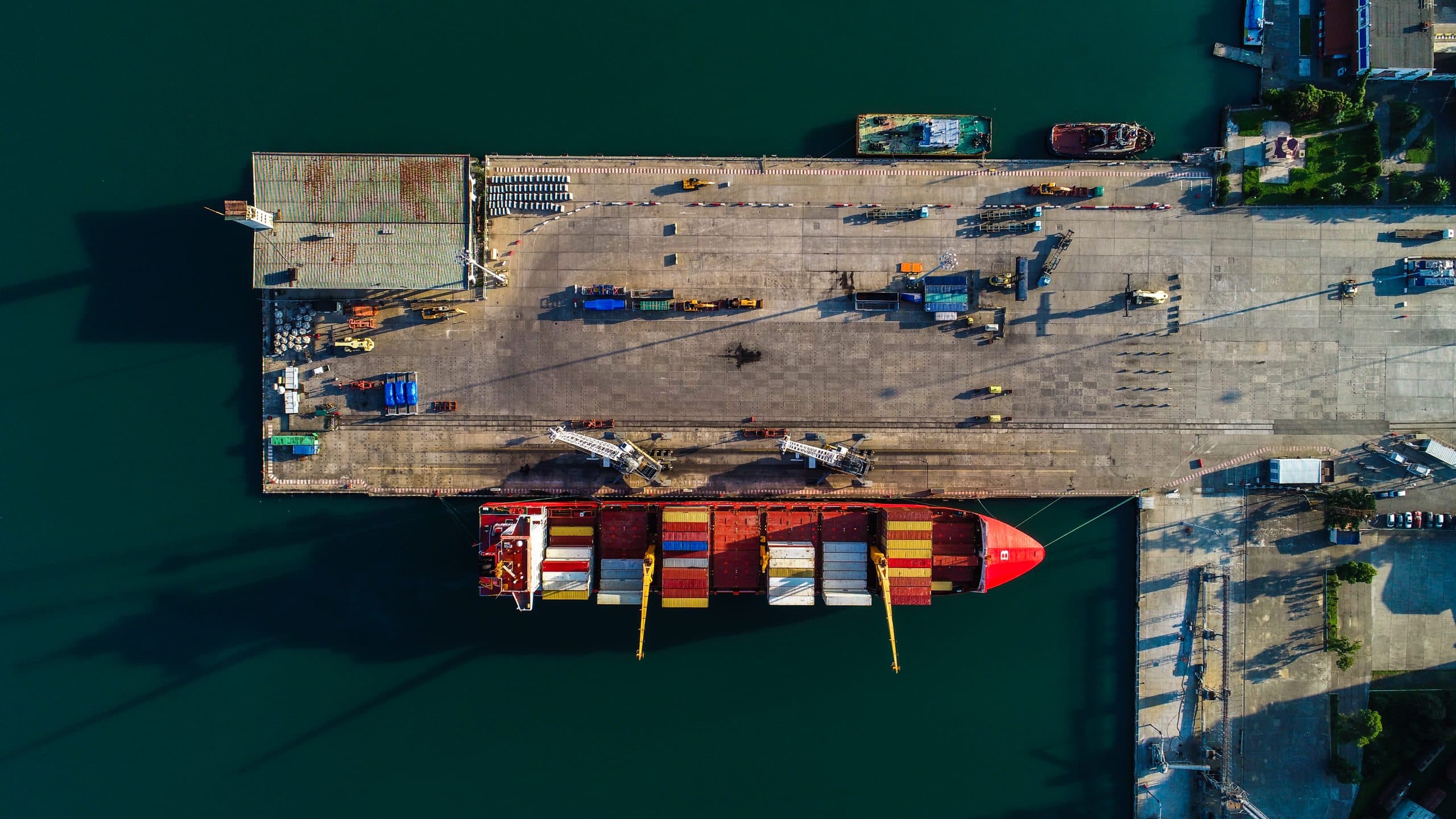
Kazakhstan has resumed importing European-produced Jet A-1 fuel through Georgia's Batumi Oil Terminal after an eight-year break. The first shipment, totalling 10,000 metric tons, arrived via the Black Sea and is awaiting onward transport by rail to Kazakhstan through the Middle Corridor. The move addresses a growing domestic shortfall in Kazakhstan that has worsened this year due to maintenance at the Atyrau refineryand tightened Russian fuel exports. The shipment highlights the Middle Corridor's growing use for importing refined products into the region, not just exporting raw materials out.
Source: The Times of Central Asia, kase.kz
Kazakhstan and Austria Launch Connectivity Platform
Kazakhstan and Austria launched the Austrian-Kazakh Connectivity Platform at the Austrian Parliament on 15 July. The platform aims to bringing together government agencies, businesses and financial institutions from both countries to develop joint projects and improve transport connectivity between Europe and Central Asia. Kazakhstan's Ambassador to Austria, Mukhtar Tileuberdi, presented the country's Middle Corridor development efforts and briefed participants on Kazakhstan's new constitution, which took effect on 1 July following a referendum.
Source: The Astana Times, gov.kz
Uzbekistan and Poland Discuss Logistics Hub for EU Exports
Uzbekistan's Chamber of Commerce and Industry and Polish Senate Deputy Marshal Michał Kamiński discussed establishing a logistics hub in Poland to facilitate Uzbek exports to the EU and other markets, during a business mission to Warsaw. The proposed hub would aim to broaden market access, speed up product distribution and open new export routes for Uzbek exporters as the country continues diversifying its trade partners.
Source: Trend.az, Chamber of Commerce and Industry of Uzbekistan
Turkmenistan Approves Equipment Deal with Germany's Vietz GmbH
President of Turkmenistan Serdar Berdimuhamedov signed a decree authorising Turkmenistan’s national gas company Turkmengaz to purchase specialised technical equipment from German firm Vietz GmbH to modernise Turkmenistan's gas production infrastructure. The Turkmen government framed the deal as part of efforts to expand cooperation with German industrial partners and boost natural gas output through equipment modernisation.
Source: Trend.az, TDH (Turkmenistan State News Agency)
Security and Politics
Azerbaijan and Germany Elevate Ties to Strategic Partnership
Azerbaijani President Ilham Aliyev visited Berlin on 20-21 July to meet with German Chancellor Friedrich Merz and President Frank-Walter Steinmeier. During the visit, Azerbaijan and Germany signed a Joint Declaration on a Strategic Agenda for Bilateral Partnership, which formalises a new state in bilateral relations, extending cooperation beyond energy into transport connectivity, trade, and security. Direct supplies of Azerbaijani gas to Germany via the Southern Gas Corridor began in January 2026, with related contracts now totalling around 2 billion cubic meters annually. Merz praised progress in the Armenia-Azerbaijan peace process and urged both sides to finalise the agreement, while Steinmeier described Azerbaijan and Germany as "islands of stability" amid global instability.
EU and Central Asia Hold 13th High-Level Political and Security Dialogue in Brussels
The EU and the five Central Asian states held their 13th annual High-Level Political and Security Dialogue in Brussels on 16 July, chaired by EEAS Deputy Secretary-General Olof Skoog. The participants reaffirmed their commitment to deepening the strategic partnership established by the 2023 Joint Roadmap and to implementing the agreements reached at the first EU-Central Asia Summit in April 2025. Both sides highlighted cooperation on border management, counter-terrorism, cyber security, and the growing importance of secure transport corridors and energy security for regional resilience.
Source: European External Action Service (EEAS)
UK and Türkiye Sign New Security and Defence Partnership
The UK and Türkiye signed a new Security and Defence Partnership on the sidelines of the NATO Summit in Ankara on 8 July, aimed at institutionalising cooperation on deterrence and defence, military cooperation, defence industry and technology, cyber security, counter-terrorism and space. Both countries framed the agreement as reflecting their roles as major NATO allies increasing defence spending and capability delivery for the alliance.
Source: Republic of Türkiye Directorate of Communications, GOV.UK (Prime Minister's Office)