Power of Normalization: Armenia’s Goals to Enhance its Energy Security Can Strengthen Cooperation with Azerbaijan
Recent Articles
Author: Kurtis Yan
10/15/2026
 president.az
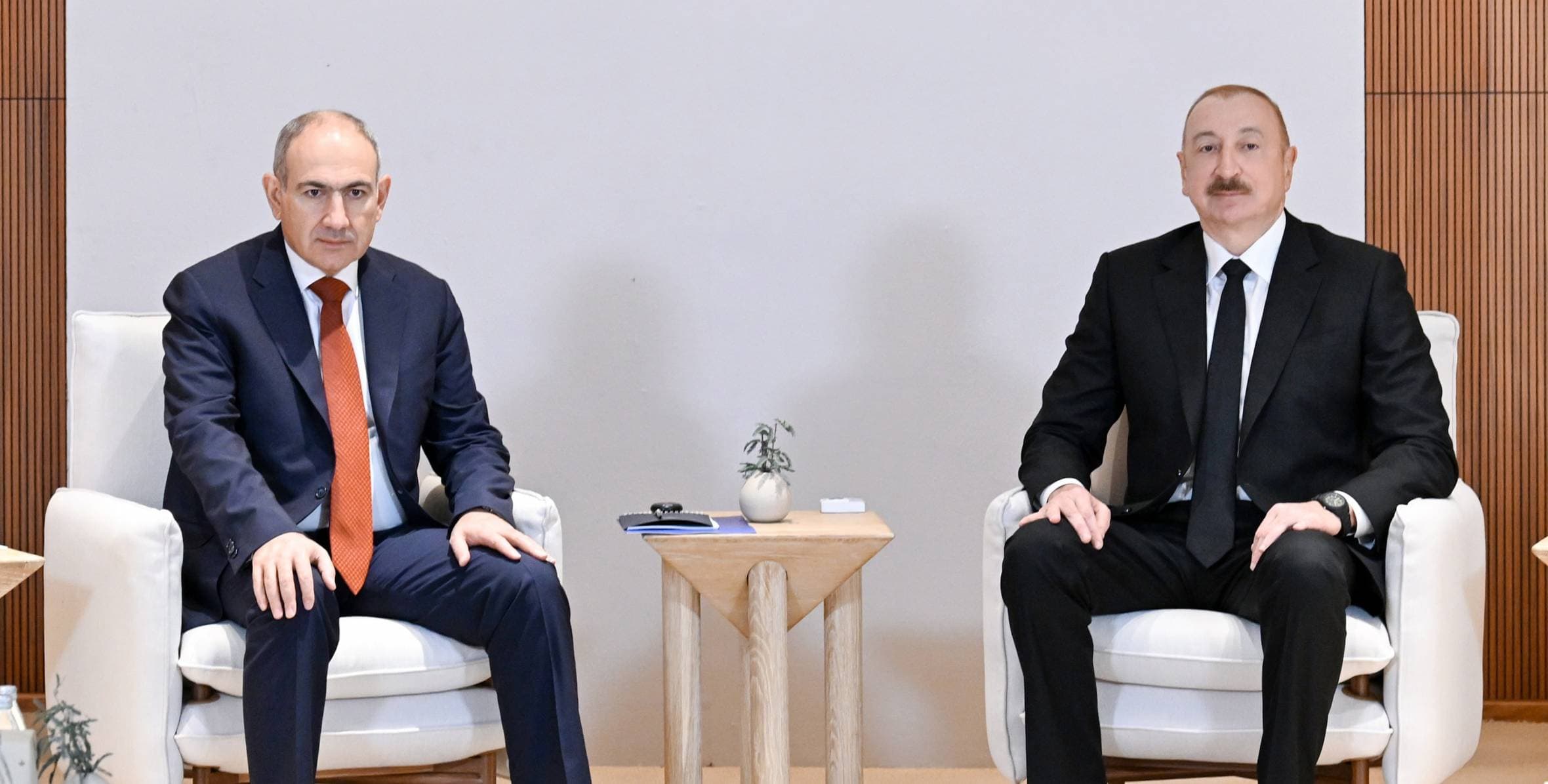
Public and private-sector representatives from Armenia and Azerbaijan convened in Lachin, Azerbaijan, on August 25 to further discuss the construction of new energy infrastructure to facilitate cross-border electricity transmissions. This meeting was just the latest example of how Armenian and Azerbaijani officials have engaged on the issue of regional energy security and grid resilience.
Armenia’s Prime Minister Nikol Pashinyan and Azerbaijan’s President Ilham Aliyev have been receptive to expanding trade relations through energy and cross-border electricity transmission. Azerbaijan is a net electricity exporter, and proposed cooperation is in anticipation of further grid instability in the Caucasus and Armenia’s upcoming energy-intensive projects. As such, there is strong mutual interest in drawing upon the two countries’ electricity sectors to normalize relations and reap economic benefits.
Why the Electricity Trade is Central to Bilateral Relations
In January this year, Pashinyan proposed that Armenia and Azerbaijan could interconnect their grid systems, under the framework of the Trump Route for International Peace and Prosperity (TRIPP). Azerbaijan’s largest state electricity producer, Azerenerji, has drafted plans to construct power lines and transmission towers to connect Azerbaijan to its exclave of Nakhchivan through Armenian territory. The plans also propose a 330 kilovolt (kV) capacity new electricity substation along with transmission lines that will reach the Jabrayil substation.
This interconnected system would allow Armenia to draw upon surplus from Azerbaijan during periods of high demand. Pashinyan cited Armenia’s goals in advanced-computing technologies project with Firebird as a primary reason for prospective strain on its grid system.
Meanwhile, Azerbaijan frequently sits on a surplus of electricity; and with consistent supplies of natural gas, it possesses the energy security to partake in the electricity trade. In 2024, 53% of its electricity exports were purchased by Türkiye at $26.7M. The remaining exports go to Russia, Georgia, and Iran.
The fall of the Soviet Union and the outbreak of the First Nagorno-Karabakh War in the early 1990s facilitated the severance of the national grid systems of Armenia and Azerbaijan. Formerly, both countries relied on the Trans-Caucasian power grid, but the long-lasting effects of the conflict and trade blockades limited Armenian grid infrastructure. This rendered Armenia reliant on Russia and Iran for gas.
The Electricity Breakdown
Armenia’s total electricity demand is fulfilled through domestic production, with a relatively diversified spread. In 2021, 44% of Armenia’s electricity production came from gas-powered thermal power plants (TPPs), roughly 30% came from hydropower and renewable energy, and nuclear production generated the rest, or 26%, of all electricity. The breakdown in 2026, from January to July, shows a slight difference in production sourcing, with an emphasis on solar energy growth. According to the Statistical Committee of Armenia, 40.6% came from thermal power plants, 26.6% from hydropower, 17.3% from solar panels, and 15.5% from nuclear power.
Armenia’s Metsamor Nuclear Power Plant (NPP), which Rosatom helps maintain near Yerevan, is likely to cease operations in 2036, although its lifespan might be extended until 2046, unless Yerevan finalizes a new nuclear project with alternative companies.
Armenia remains heavily dependent on Russia for over 80% of its natural gas, while its remaining energy supply comes from Iran. Armenia’s imports of liquified natural gas (LNG) are converted into electricity at local thermal power plants, from which a portion of the output is exported back to Iran. Asynchronous grid integration with Georgia also plays a limited seasonal role, allowing both parties to export hydroelectric surplus to the other.
Other Diversification Efforts
Pashinyan stated that other neighboring countries like Georgia, Iran, and Türkiye are being considered to diversify Armenia’s pool of electricity suppliers. In fact, grid synchronization with these neighbors is already underway. Iran and Armenia already have power cross-border transmission cables at 110 kV and 220 kV. A third, 400kV transmission line is about 85% complete, according to Armenia’s Ministry of Territorial Administration and Infrastructure. Yerevan and Tehran are also considering an increase in gas-for-electricity exchange.
Armenia and Türkiye are normalizing relations at a very gradual pace. Both sides are open to expanding grid integration, as shown by a March 2026 meeting between Pashinyan and Turkish Energy Minister Alparslan Bayraktar. Armenia and Türkiye currently possess a 220kV cable that has seen little use, but both potential electricity and gas exports to Armenia could help the country improve its own energy security.
Georgia and Armenia are looking to increase grid integration through the Caucasus Transmission Network Project. The project includes the construction of a 350 MW converter station and enhancements to transmission lines. However, Georgia itself suffers frequently from blackouts from its hydroelectric power station, while it has increased its gas imports from Russia.
A Step Forward
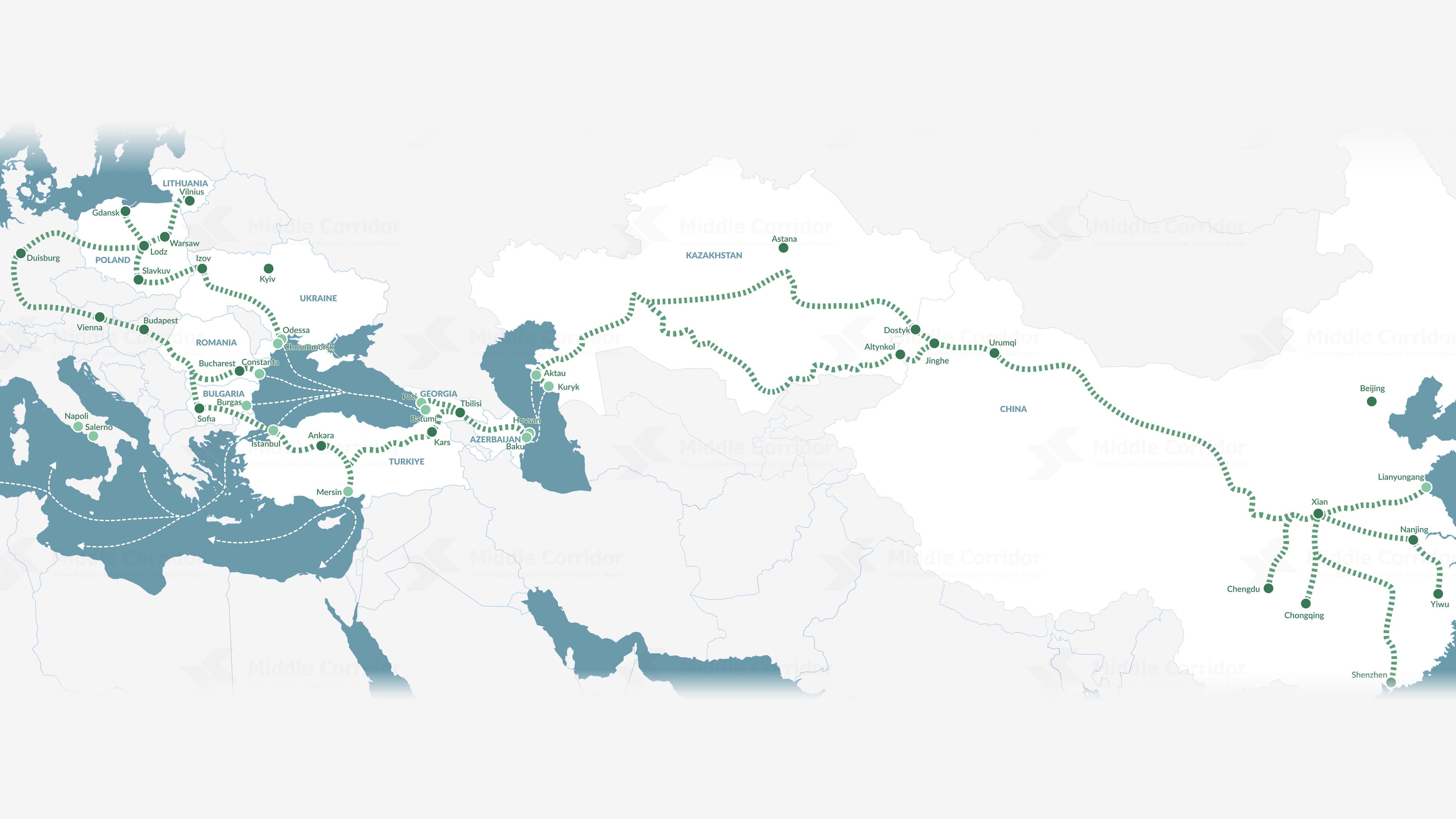
Normalization between Armenia and Azerbaijan can spearhead further efforts to improve Armenia’s energy security and expand its network of electricity suppliers. Grid resilience is crucial to the success of its future energy-intensive projects, along with logistical operations along the TRIPP Corridor. For Azerbaijan, unlocking regional grid potential along the Middle Corridor would support westward electricity and energy corridors to reach new export markets. Mutual benefits thus exist for both states to improve Armenia’s energy security and promote regional grid synchronization.
President Aliyev stated that initial grid connections between Azerbaijan and Nakhchivan could be achieved in six months, provided that Armenia permits the construction of power lines and pylons through its Syunik region. No working groups have been established on grid synchronization, but this issue could be incorporated into official talks and working groups on TRIPP implementation. After all, hydrocarbons and agricultural products have gradually moved across the Azerbaijan-Armenia border since the signing of the peace agreement text in August 2025.
For two countries that, since independence, have had virtually no energy cooperation, the prospect of real electricity trading is a significant step forward in improving bilateral relations and fulfilling the potential of the South Caucasus as a logistical gateway.