Azerbaijan International Investment Forum Nets Almost $11 Billion in Signed Contracts
Recent Articles
Author: Liam Gibson
10/19/2026
 shutterstock.com
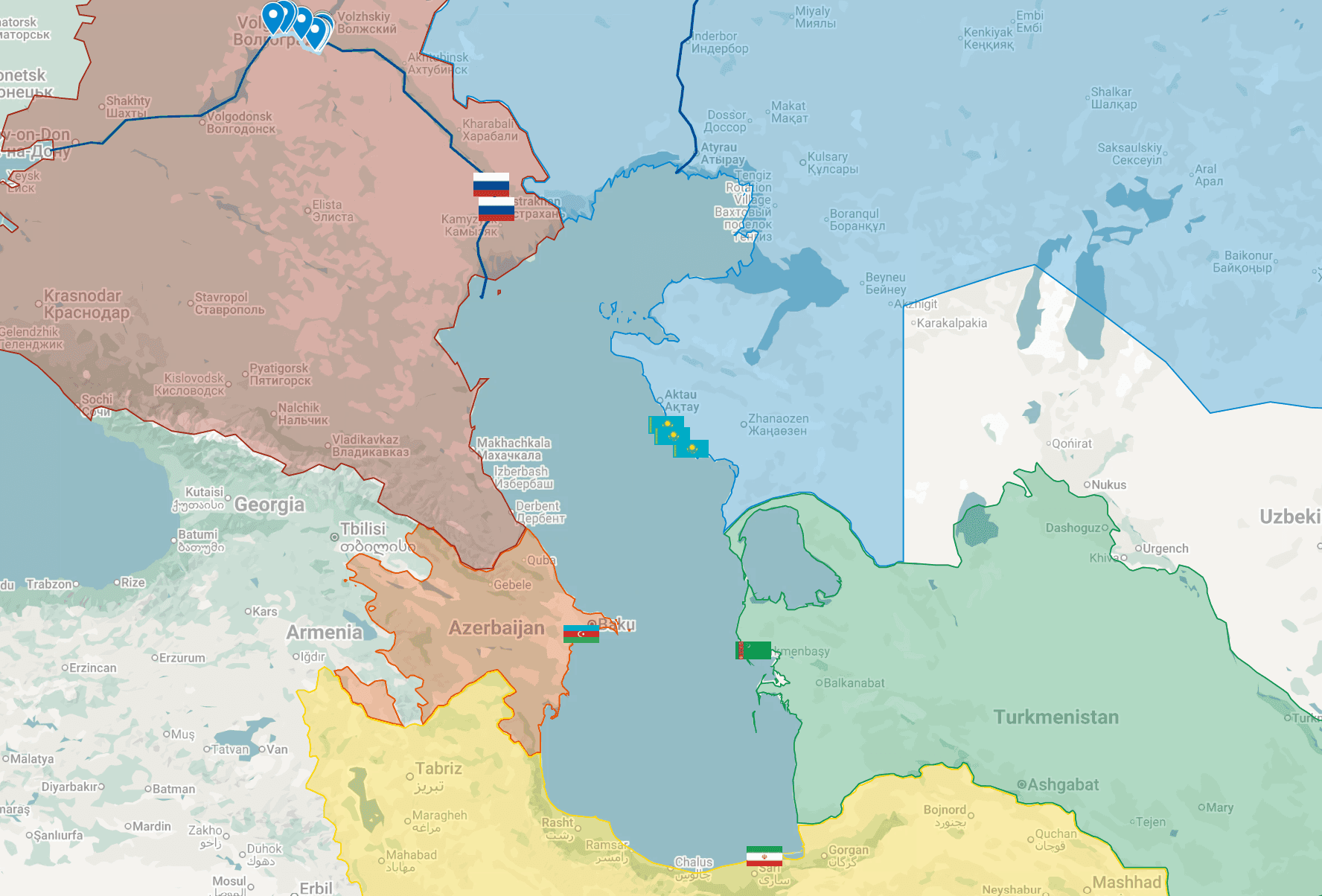
Nearly $11 billion worth of contracts in AI, energy, and manufacturing were signed in Baku on September 25 and 26 during the second Azerbaijan International Investment Forum (AIIF). The world has its eyes on Azerbaijan and the Caspian region: companies controlling a combined $30 trillion in assets attended the event, demonstrating that international players increasingly recognize the rich business opportunities available one year after the August 2025 signing of the draft peace agreement between Armenia and Azerbaijan.
The Forum
AIIF 2026 brought together hundreds of attendees from over 70 countries for panel discussions, presentations, and business meetings showcasing investment opportunities at a strategic crossroads of Eurasia. Companies controlling a combined $30 trillion in assets were in attendance, including BlackRock, Global Infrastructure Partners, and Brookfield Asset Management. Azerbaijan’s Minister of Economy Mikayil Jabbarov confirmed that 26 contracts worth $10.8 billion were signed during the two-day event. Signatories hailed from the Czech Republic, Italy, Oman, Slovakia, Switzerland, Türkiye, Ukraine, and the United States, among other nations, demonstrating the Caspian region’s widespread business appeal.
This year’s forum eclipsed the first edition, held in Baku on September 22-23, 2025. More than 1,000 participants from 60 countries gathered to sign deals worth over $10 billion, $7 billion of which went to projects outside of the oil sector.
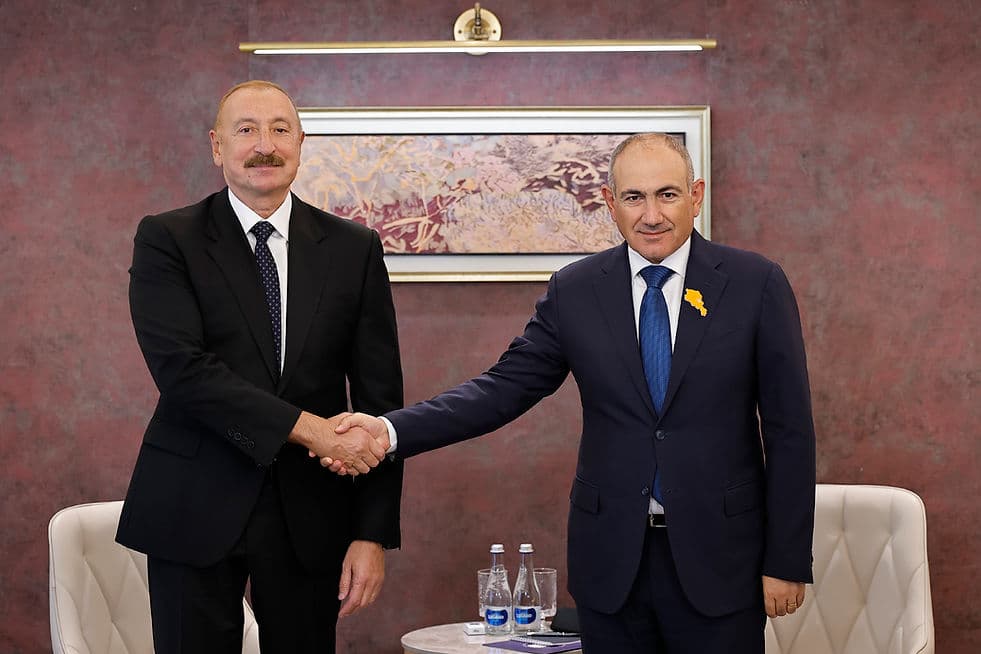
AIIF 2025 arrived on the heels of the Agreement on Establishment of Peace and Inter-State Relations between Armenia and Azerbaijan signed at the White House on August 8, 2025. Foreign direct investments (FDI) in the countries had declined as a result of the conflict, but peace has proven to be good for business. The period following the draft agreement saw the U.S. proposal of the Trump Route for International Peace and Prosperity (TRIPP) and renewed optimism regarding the region’s stability and business opportunities. The success of AIIF 2026 depended on continued progress in peacebuilding. Nearly one year on, Armenia Prime Minister Nikol Pashinyan’s party won the parliamentary elections in June, a result widely perceived as a popular endorsement of the peace process. The latest forum is further proof that businesses are continuing to respond to such actions by putting their trust and their money into a sustainable resolution to the conflict.
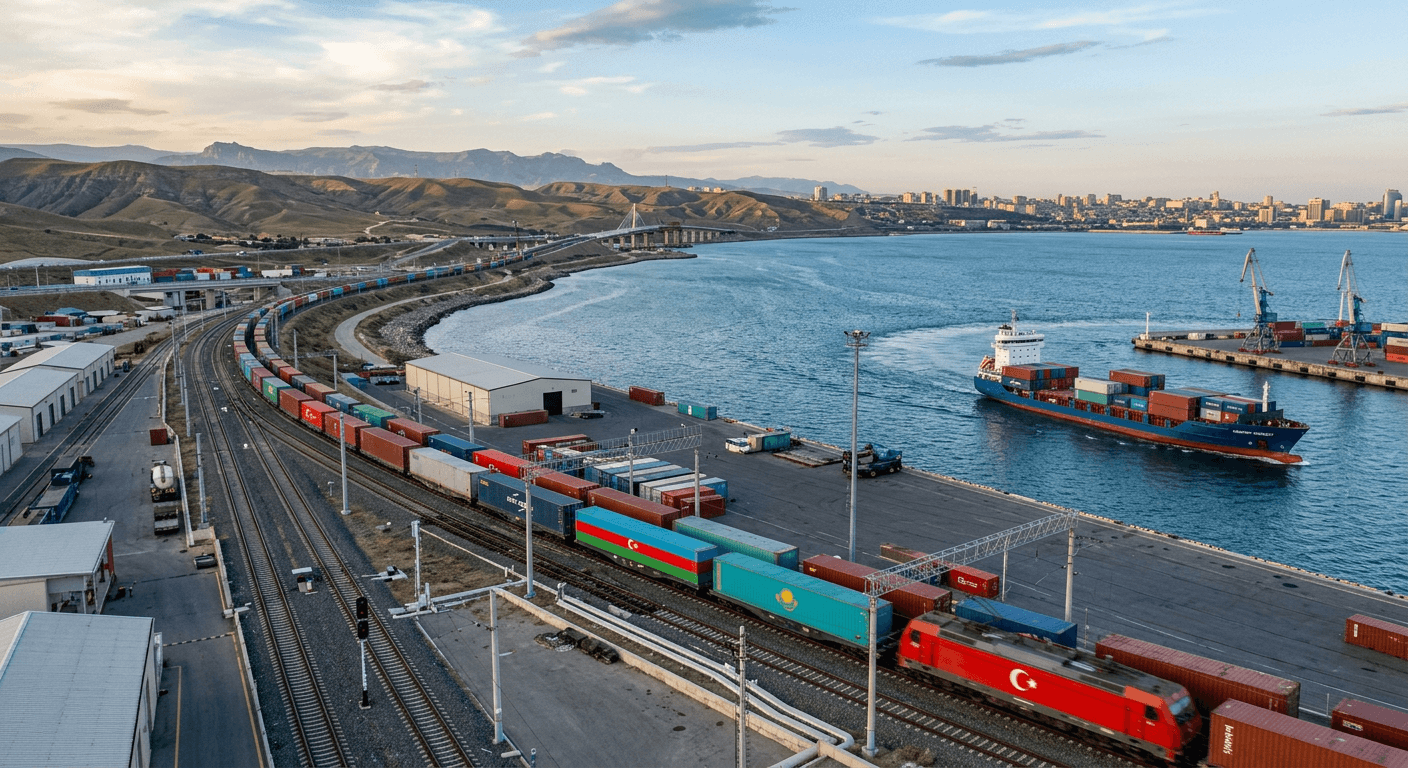
The developing peace has allowed Azerbaijan to expand its economy outside of the oil and gas industries. Transport corridors, energy, data infrastructure, manufacturing, and tourism have become significant drivers of economic growth. While addressing attendees, President Ilham Aliyev claimed that the non-oil sector made up 72% of GDP in 2025, growing by an average of 5% annually since 2020. He stated, “The contracts which actually led to the development in the oil and gas sector signed 30 years ago still are absolutely untouched – not a single word was changed – and that was one of the factors to attract investors.”
Azerbaijan had already received several billion dollars in FDI this year before AIIF. The United Kingdom, Türkiye, Cyprus, Russia, and Iran provided most of over $3 billion secured in the first six months of 2026, a 13.8% year-on-year increase. However, the cash flows both ways. Azerbaijan also exported over $5 billion in capital to foreign economies, particularly in Europe, the South Caucasus, and the Gulf States. The latest round of deals suggests that the country could continue serving as a key business hub integrating the Caspian region into global markets, so long as peace holds.
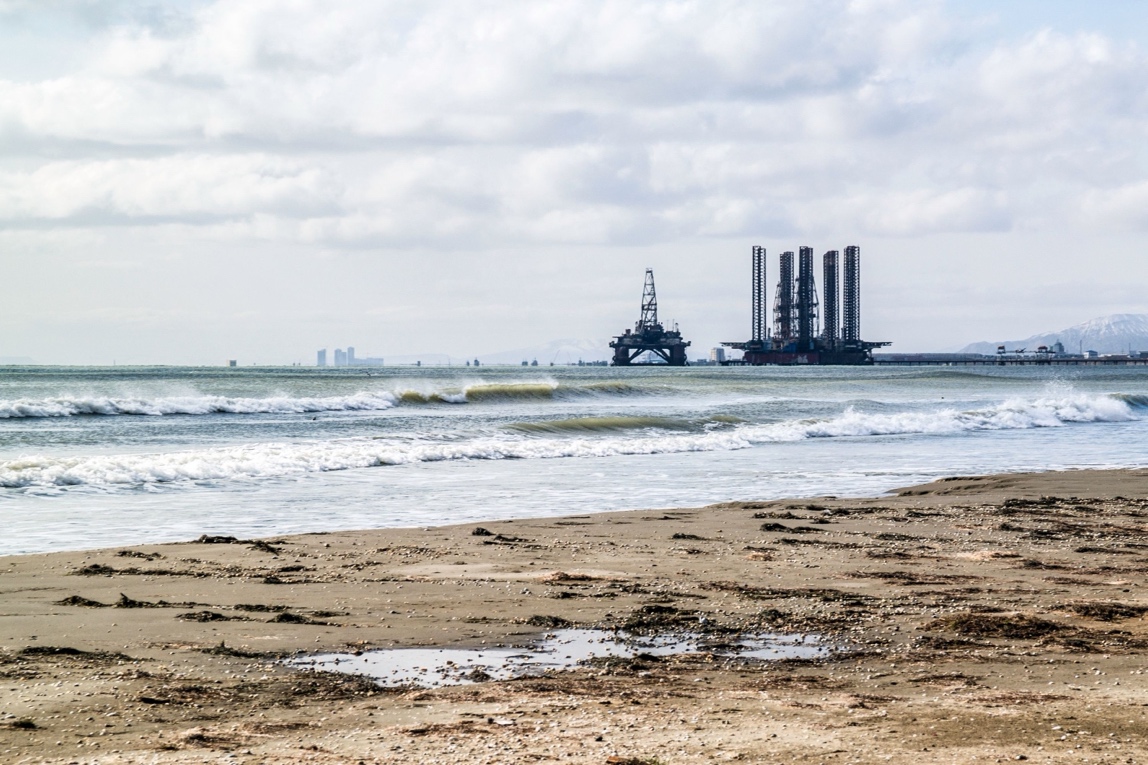 Oil platforms off Baku in the Caspian Sea.
Key Projects at AIIF 2026
Several documents signed at AIIF 2026 warrant particular attention. First, Azerbaijan’s state energy company SOCAR, France’s TotalEnergies, and UAE-based XRG have adopted a Final Investment Decision (FID) for the full-scale development of the Absheron gas condensate field in Azerbaijan’s sector of the Caspian Sea. The project will include additional drilling and new processing infrastructure. Production is expected to begin in 2029 and should eventually reach about 17 million cubic meters of gas and 47,000 barrels of condensate per day. The development is expected to contribute up to 5 billion cubic meters of gas production annually within three or four years, further strengthening Azerbaijan’s role as a major regional energy supplier and its integration with established export routes through the Southern Gas Corridor.
SOCAR and ExxonMobil also signed a Production Sharing Agreement to explore, develop, and produce unconventional hydrocarbon resources in Azerbaijan’s Middle Kura basin. The agreement establishes a 50/50 partnership between the two companies, with ExxonMobil serving as operator, bringing its global unconventional resource expertise and technology to assess the basin’s potential. The deal marks a significant expansion of ExxonMobil’s upstream engagement in Azerbaijan and reflects Baku’s growing interest in developing onshore unconventional resources alongside its traditional offshore oil and gas projects.
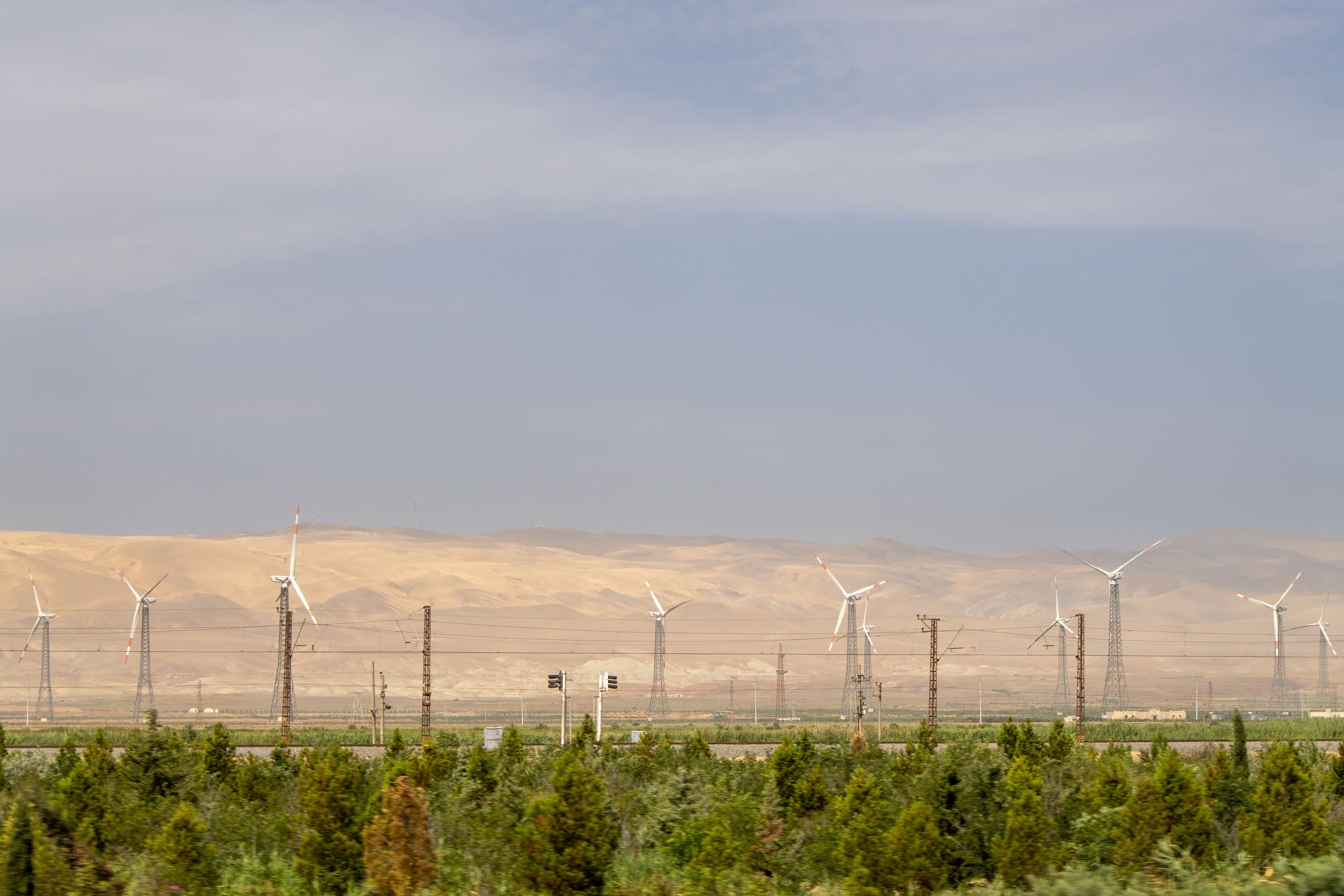
Azerbaijan’s Ministry of Energy and Vietnam’s ROX Group Joint Stock Company signed a Memorandum of Understanding (MoU) to explore new solar and wind projects in Azerbaijan. The document details a possible 600 MW onshore wind power project in Azerbaijan and a 200 MW solar power project in the Nakhichevan Autonomous Republic. Natural gas and oil made up 65.3% and 32.4%, respectively, of Azerbaijan’s energy supply in 2024. Expanding renewable energy generation capacity would help diversify the energy grid and improve resilience at a time when the region is emerging from a summer of blackouts and energy insecurity.
The Azerbaijan Business Development Fund and Slovakia’s Saneca Pharmaceuticals signed a document for the construction of a pharmaceuticals manufacturing facility. Azerbaijan has devoted significant funds to improving its healthcare facilities and quality in recent years, and a new manufacturing facility could help expand access to medicines. Dependence on foreign producers is a common problem in the region. The project follows a memorandum recently signed by Kyrgyzstan for a $1 billion drug manufacturing facility that promises to provide far greater self-sufficiency to a country reliant on imports.
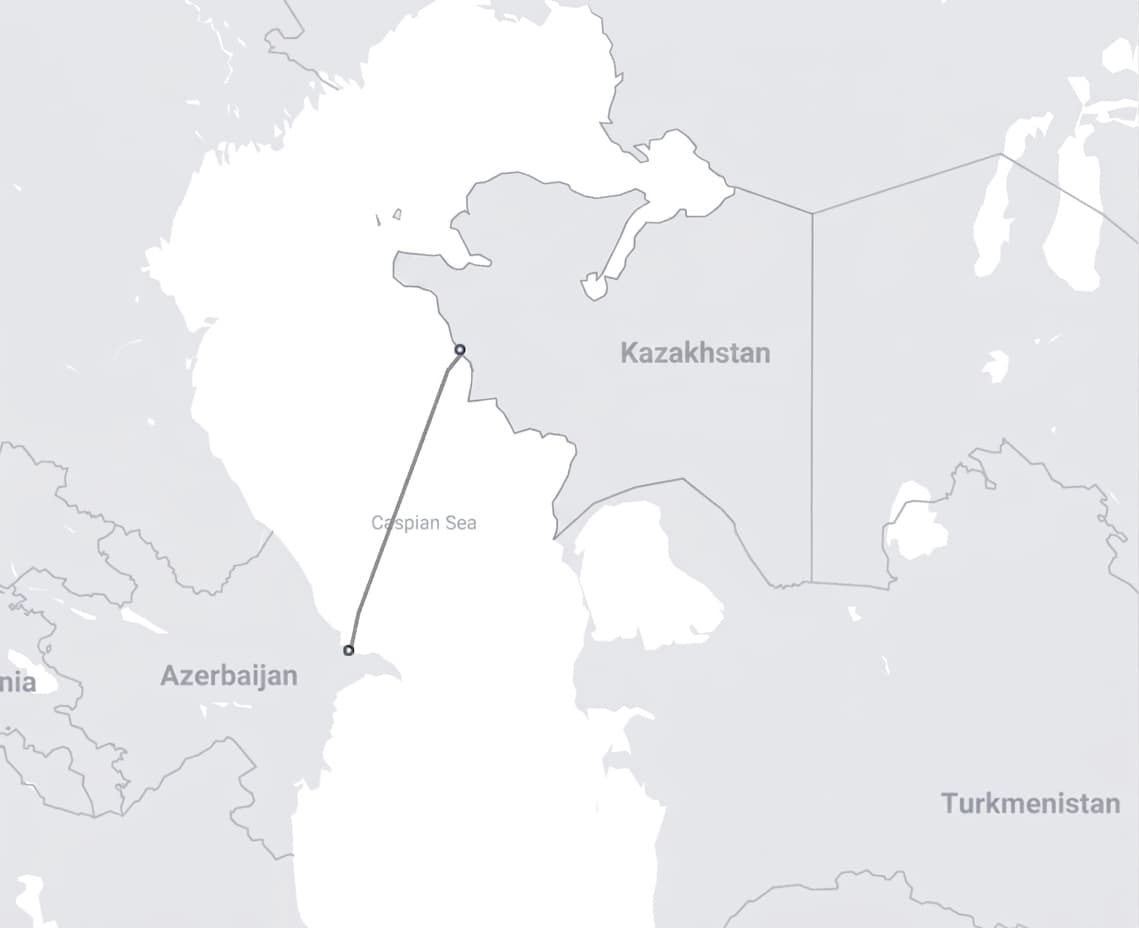
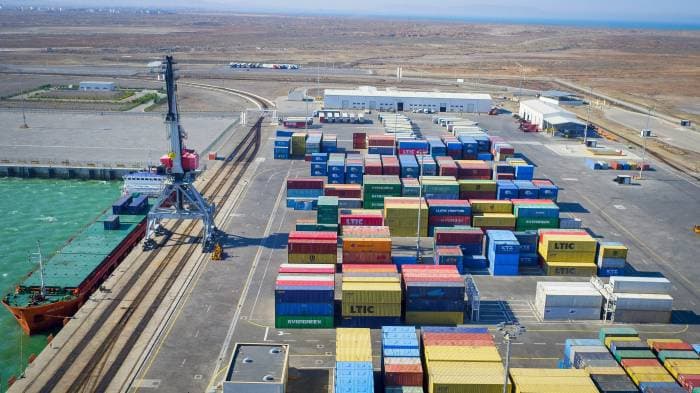
An MoU was signed between Azerbaijan’s Ministry of Digital Development and Transport, AZCON Holding, and Microsoft Ireland Operations Limited. While Azerbaijan scored 92.5% on the UN’s 2025 Global Survey on Digital and Sustainable Trade Facilitation, it only garnered a rating of 72.2% on cross-border paperless trade. Improving these systems is essential to the efficiency and viability of the Middle Corridor and regional trade routes.
Finally, Azerbaijan and Ukraine agreed to cooperate in promoting investment in the two countries. Luke Coffey, a senior fellow at the Hudson Institute, recently highlighted the economic and political relations between Azerbaijan and Ukraine that long predate the Soviet period. Ties have become even closer since Russia’s full-scale invasion of Ukraine in 2022, with Azerbaijan providing over $50 million in humanitarian aid as well as helping to keep Ukraine fueled for the fight. Now, the two sides have reaffirmed their commitment to further cooperation and mutual benefit.
AIIF 2026 demonstrated that companies remain confident in the Caspian region’s enduring investment potential. Attendees came to invest in transport corridors, energy, data infrastructure, manufacturing, and tourism and signed deals and MoUs in hydrocarbons, renewables, healthcare, and technology. These projects are a direct result of the ongoing peace process between Armenia and Azerbaijan, which has transformed a region that was an investment liability into an attractive business opportunity. Time will tell if the two sides will come to a permanent, sustainable peace that remains at the core of long-term prosperity in the region.