Beyond Competition: Kazakhstan and Uzbekistan’s Role in Regional Integration
Recent Articles
Author: Aigerim Orynbassar
07/28/2026
As Central Asia attracts growing international attention, Kazakhstan and Uzbekistan are pursuing increasingly ambitious plans that sometimes place them in competition with one another to become the region’s leading hub. Kazakhstan is expanding the Astana International Financial Centre (AIFC), strengthening the Middle Corridor, and positioning itself as a global supplier of critical minerals. Uzbekistan is pursuing similar ambitions through the Tashkent International Financial Centre (TIFC), the construction of New Tashkent, and a nationwide airport expansion program. Across the region, governments are investing in logistics, finance, infrastructure, and industry to attract international capital. But as Central Asia’s geopolitical importance grows, a broader question emerges: does the region benefit more from competing to build the same projects, or from coordinating them?
Since gaining independence in 1991, Central Asian states have focused on building their own financial institutions, transport networks, and investment frameworks. However, the strategic initiative has changed since the start of the Russo-Ukrainian war. The Middle Corridor, the EU’s Global Gateway, the C5+1 platform, and growing international interest in critical minerals have elevated the region’s global importance. As investors increasingly view Central Asia as a single market rather than five separate economies, continuing to pursue parallel national projects risks duplicating infrastructure and fragmenting investment. The region’s next stage of development might depend not on greater competition but on greater coordination.
One example is the financial sector. Launched in 2018, the Astana International Financial Centre was designed to provide an internationally competitive investment environment based on English common law, an independent court, international arbitration, and long-term tax incentives. These features allow international investors to establish investment funds and structure cross-border transactions under a familiar legal framework before deploying capital across Central Asia. In this sense, the AIFC has the potential to serve as a regional financial platform rather than solely as Kazakhstan’s financial center.
In March 2026, Uzbekistan established the Tashkent International Financial Centre, which similarly aims to attract international capital through English common law, independent dispute resolution, and preferential tax and regulatory regimes. While competition between financial centers can encourage innovation, the emergence of two nearly identical platforms also raises broader questions. Rather than developing parallel financial ecosystems, greater cooperation between the AIFC and TIFC could strengthen Central Asia’s ability to attract international capital by presenting investors with a more integrated regional financial market.
There have also been developments in the transport infrastructure sector of the region – Kazakhstan, Kyrgyzstan, and Uzbekistan. Kazakhstan is planning a new international airport in Astana; Kyrgyzstan is modernizing Manas International Airport near Bishkek, with modernization work starting in 2025 and 90% completed; and Uzbekistan is constructing the New Tashkent Airport, expected to become one of the region’s largest aviation hubs by 2030. Expanding aviation infrastructure is essential for supporting trade and tourism, but closer regional coordination could help ensure these investments complement one another. Better integration of air transport networks, together with proposals for a regional “Silk Visa,” could significantly improve Central Asia’s attractiveness as a multi-country destination. According to a TripAdvisor survey, 47% of travelers said that a single regional visa would make them more likely to visit Central Asia, suggesting that policy coordination could generate benefits beyond infrastructure investment alone.
Critical minerals present another opportunity for regional specialization. Kazakhstan possesses the region’s most advanced mineral processing industry, while Uzbekistan has well-established copper and gold processing facilities through Almalyk Mining and Metallurgical Complex (AMMC) and Navoi Mining and Metallurgical Company (NMMC). Both countries, however, are still expanding their capacity to process many strategic critical minerals. Rather than each country developing identical refining facilities for rare earth elements, lithium, or other critical minerals, a coordinated regional strategy improving existing industrial strengths could reduce duplication, achieve economies of scale, and make Central Asia a more competitive destination for international investment.
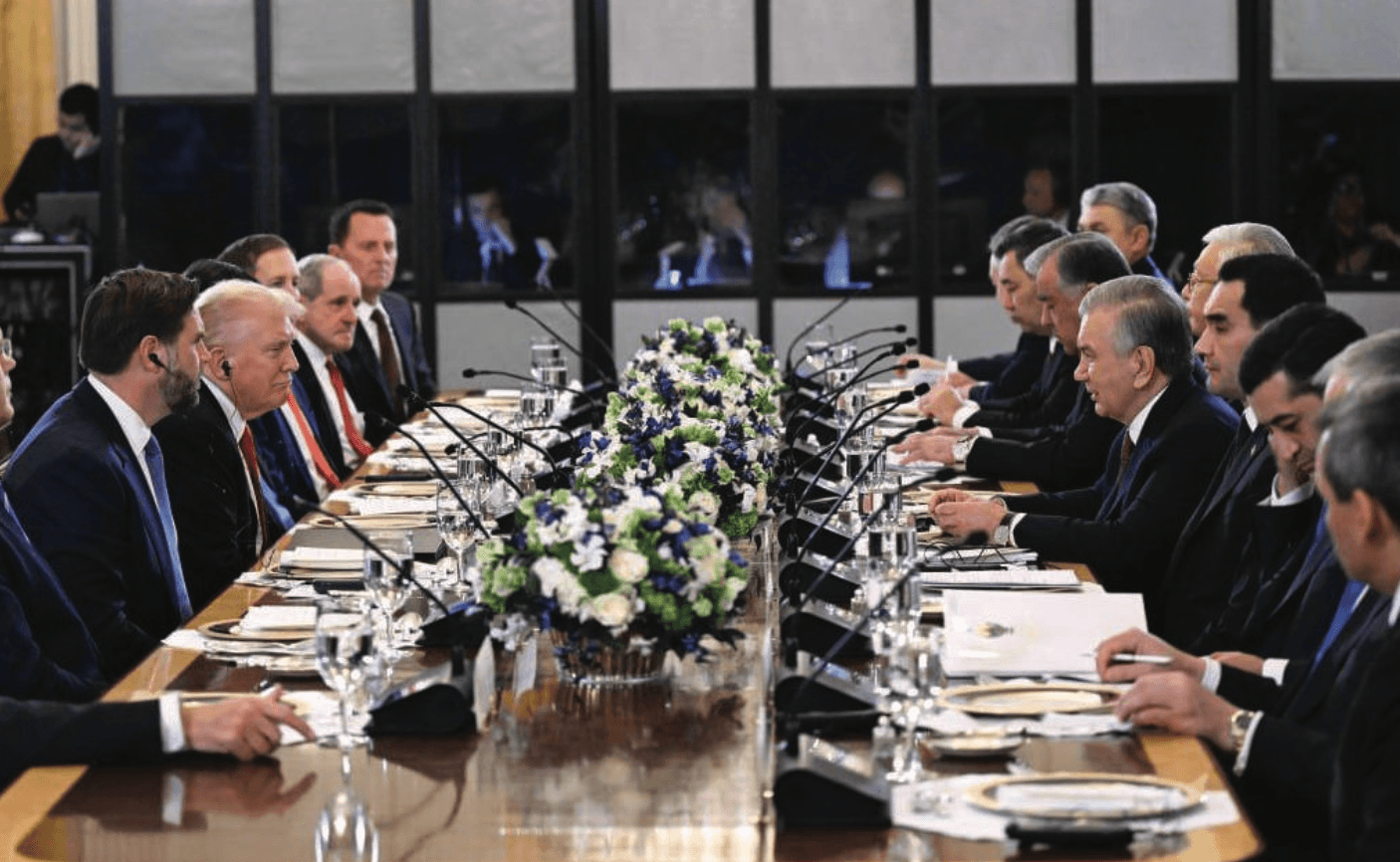
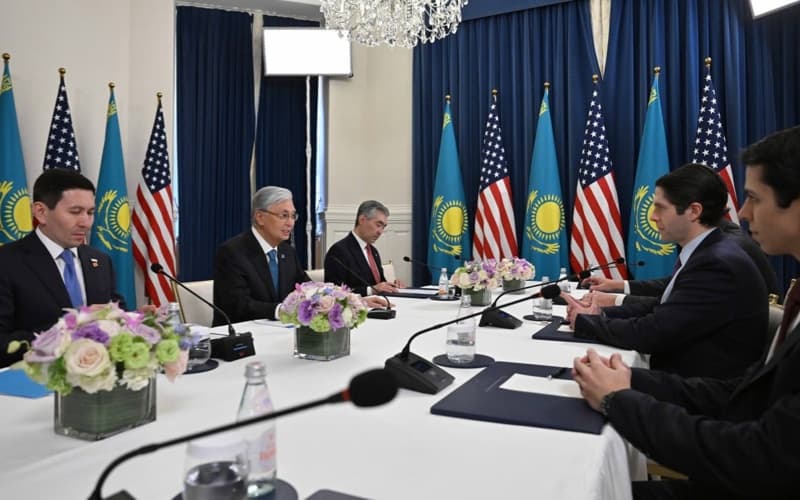
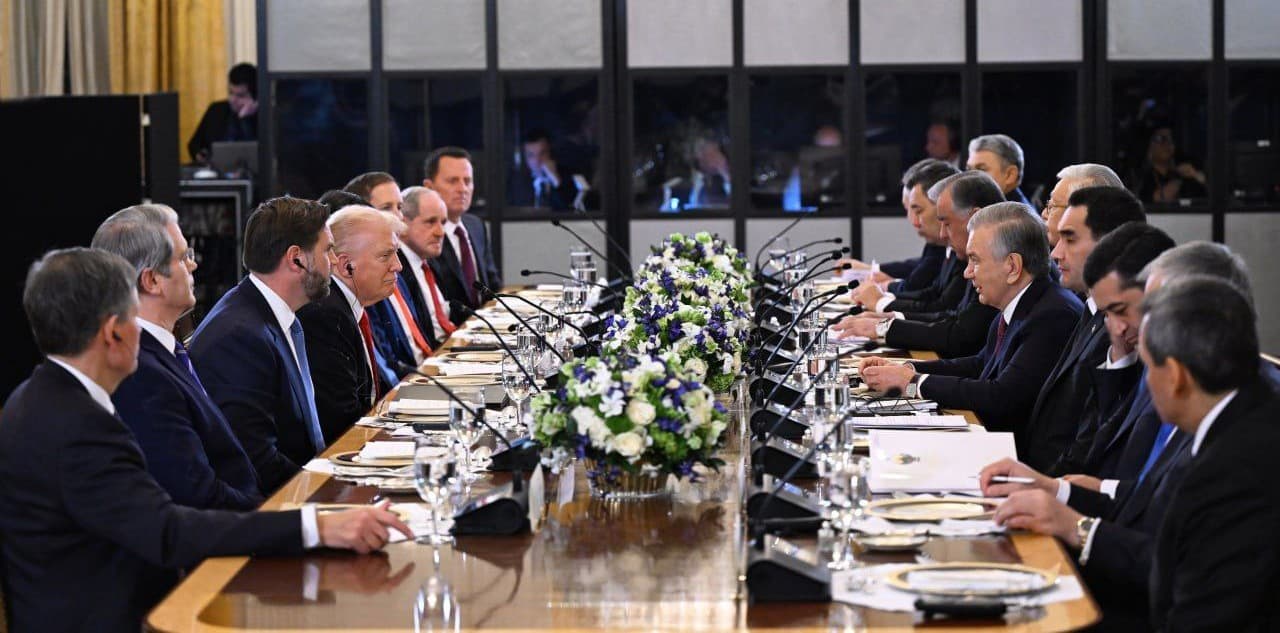
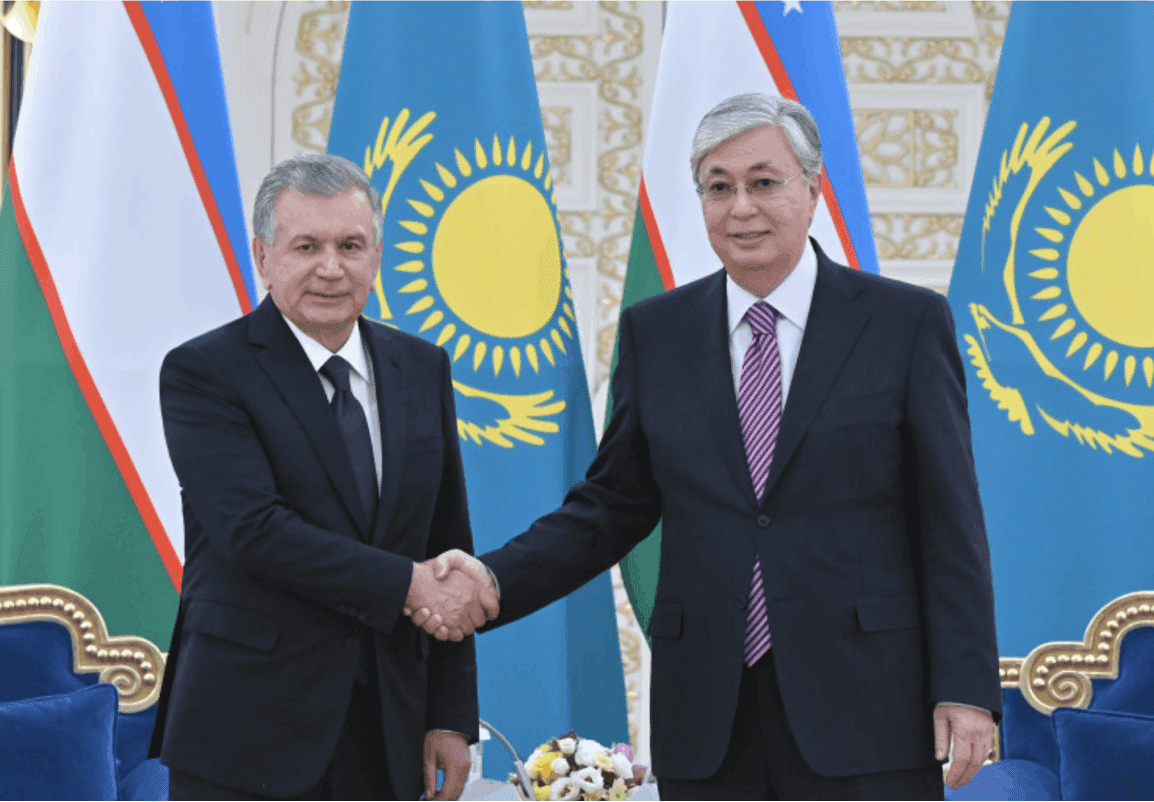
Regional cooperation is improving somewhat as Kazakhstan and Uzbekistan have significantly strengthened bilateral relations in recent years through agreements covering trade, transport, border management, and security. The 2021 Declaration on Allied Relations was an important step toward deeper economic cooperation, followed by frequent high-level meetings and joint initiatives. The 2026 Tashkent International Investment Forum also supports this initiative by bringing together more than 10,000 participants from 102 countries, including heads of state, international financial institutions, and global investors, to discuss regional transport corridors, energy connectivity, industrial cooperation, and critical minerals. These developments demonstrate that regional coordination is both possible and increasingly politically feasible.
However, the next phase of Central Asia’s economic development should focus on coordinated regional planning. Larger integrated markets are generally more attractive to investors than fragmented national markets because they increase market size, reduce transaction costs, and allow businesses to serve multiple countries from a single regional base. Coordinated investment in transport, energy, financial infrastructure, and industrial development would also reduce costly duplication and improve the region’s overall competitiveness. Existing mechanisms, such as the consultative meetings of Central Asian Leaders and the C5+1 platform, provide a foundation for deeper coordination. These forums could expand beyond political dialogue to support joint infrastructure planning, regional investment strategies, harmonized regulations, academic and research partnerships, and cross-border workforce development.
Ultimately, the question is not whether Kazakhstan or Uzbekistan should become Central Asia’s leading financial, logistics, or industrial hub. The more important question is whether the region can become more competitive by coordinating these ambitions. As international investors increasingly evaluate Central Asia as a single strategic region rather than five separate markets, deeper regional planning and specialization might well prove to be one of the region’s greatest competitive advantages.