The Russo-Iranian Partnership


Author: None None
11/06/2017 · 4 min read
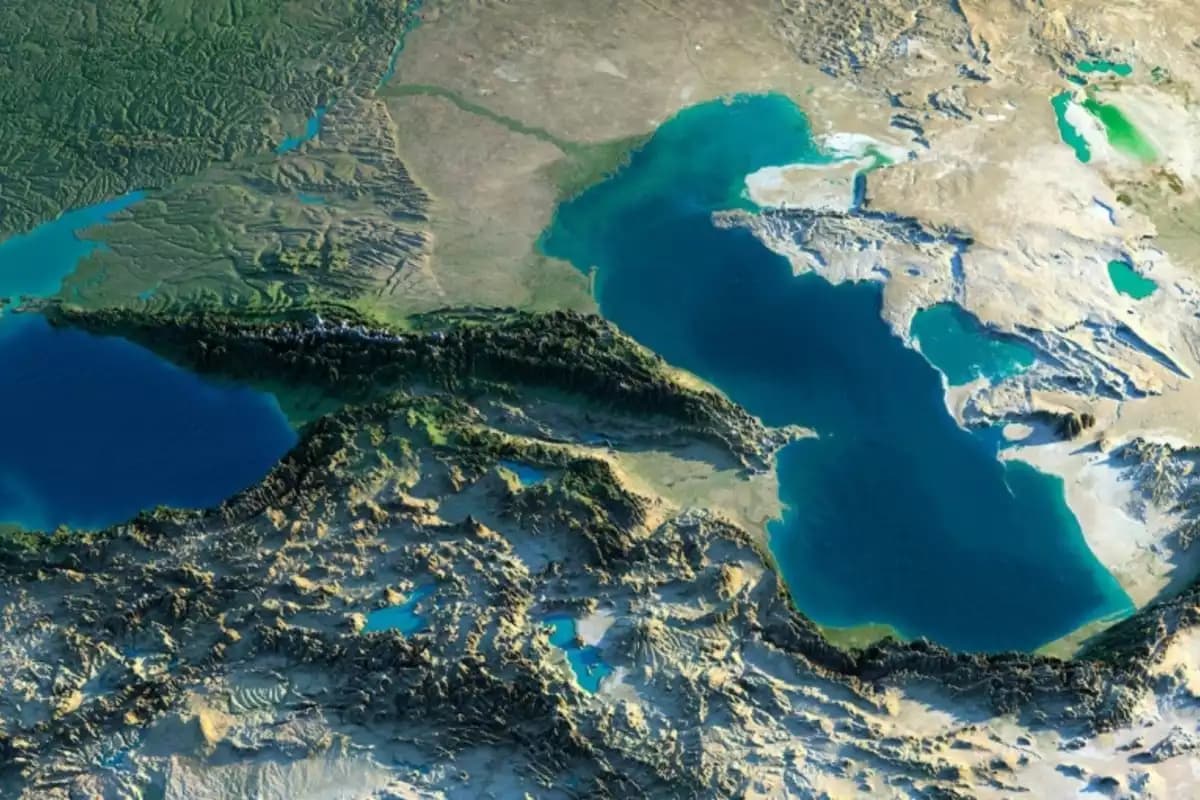
Vladimir Putin was in Tehran last week. This visit will discuss the two governments’ overlapping and shared interests in Syria and how to respond to President Trump’s attempt to have Congress decertify the JCPOA of 2015 that closed off Iran’s opportunities for developing nuclear weapons. But beyond these issues Putin and the Iranian government will also discuss issues possessing major significance for the other states of the Caspian littoral, the Caucasus, and Central Asia. While the bilateral partnership is hardly an affair of the heart given the two states’ different interests and perspectives; there is no doubt that their very mutually beneficial partnership will be strengthened. Irano-Russian naval maneuvers have already taken place recently in the Caspian Sea and such incidents are always a show of friendship and strategic convergence. In this case, and especially in view of the new Russian naval base at Kaspiisk and both sides’ obstruction of prior efforts to allow the use of the Caspian Sea for transmitting hydrocarbons form Central Asia through Azerbaijan to Europe, it is hardly surprising, therefore, that among the issues Putin and President Rouhani of Iran are discussing the issues of the legal status of the Caspian Sea are also prominent. This status of the Caspian becomes important for Russian Energy Minister Alexander Novak as recently indicated that deliveries of Iranian crude to Russia under the JCPOA’s program allowing oil exports for goods can start shortly. If the Caspian’s status is not determined then those shipments must go overland, i.e. through Azerbaijan. This may be one reason for the presence of Azerbaijan’s President Ilham Aliyev in Tehran along with Putin. At the same time Iran wants much more than the launch of the “oil for goods” program. It clearly intends to buy more Russian weapons and Moscow will probably be only too glad to sell them to Iran although working out the actual financial details of those sales may be a trickier process. And Russia too has major energy objectives involved here. As part of he general rush on the part of major Asian actors to build huge infrastructural connections to Europe Moscow wants to build an LNG pipeline from Russia through Iran to Pakistan’s port of Gwadar and then to India. This scheme, if it materializes would not only materially benefit Iran and Russia, it would also undermine the Western-backed TAPI gas pipeline that is to bring gas from Turkmenistan through Afghanistan, Pakistan, and then India. Moscow may fear that US shale gas or LNG might undermine its competitive edge in Europe though the signs now point in the opposite direction because Russian gas is still cheaper than bringing shale or LNG from the US to Europe. Moscow already also holds huge gas deposits in Iran and so would improve ties with Iran Pakistan and India if it could use those holdings as well as its own gas to export gas to the subcontinent. Clearly this pipeline would be a major spoke in the wheel of American and Western plans concerning supplying India and Pakistan. Other energy deals are also in the offing. Rosneft and Iran’s NIOC seek to team up on oil and gas projects worth as much as $30 Billion. This strengthens Iran’s energy sector and Rosneft (and thus Russia’s) energy presence in the Middle East given Rosneft’s other recent deal with the Kurds in Iraq. At the same time, Lukoil is looking to develop the Khvalynskoye field in the Caspian with the intention to export gas from that field through Kazakhstan to China. Again for this to happen the legal status of the Caspian Sea has to be clarified for if Russia can develop this field then the precedent for others to use the Caspian for developing gas fields or shipping gas will have become established. Beyond that Lukoil apparently also wants to conduct a geological survey in the Caspian sea to unlock Iranian energy fields in tandem with NIOC. And GazpromNeft is currently also working with Iran on the Farzad-B, Kish, and Azar fields while also discussing joint efforts to explore the Abteymour and Mansouri fields in Western Iran. Finally Iran has now begun discussions with Uzbekistan about exporting gas to it. Thus it is quite clear that beyond Syria and pressing Middle Eastern issues that the Caspian agenda is very much in play for both Iran and Russia and the repercussions of these discussions for other littoral states will probably be very consequential.