Caspian Energy Insight: August 30, 2017


Author: Caspian Policy Center
08/30/2017 · 5 min read
Oil
Brent oil continued to linger above $51 per barrel last week. Meanwhile, Azeri light price was close to $54 threshold last Friday. Due to the devastating hurricane in Mexican Gulf this past weekend, world oil prices slightly increased. Overall, it is estimated that the production at the Mexican Gulf is down by 25 percent while refinery capacity is also suppressed with at least seven large refineries are out of work. The area is one of the biggest oil production regions in the world. Texas and Louisiana account for 8.9M bpd. The actual damage to oil production will show itself in next week’s reports although it is certain that some of the platforms will take weeks to recover from the historic hurricane.
Natural Gas in Europe
European energy sector is continuing its move from coal to natural gas according to a new IEA report. Electricity generation by both coal and oil decreased by 7 percent respectively while the use of natural gas increased by almost 6 percent. With such changes, natural gas surpassed coal in electricity production in OECD-Europe countries. The reports came at a time when the opposite happened in the US with coal, passing natural gas in electricity production in the first six months of 2017. In Europe, combined with declining domestic natural gas production, these figures also mean that European dependence on imported natural gas is also increasing. A recent Gazprom report already supports this as the Russian energy giant increased its natural gas exports by 12.5 percent, to a record of 179.3 bcm in 2016. Net natural gas imports in Europe has been increasing since mid-1990s. The increase in greener energy, such as renewables and natural gas, is good news for European aims to decrease carbon emissions on their way to meet Paris Climate Agreement and moving to more environmentally sound energy policies. Still, the EU should also continue to diversify its source of natural gas while its dependence on the imported product is increasing.
Sanctions on Russia and Pipeline Politics
While European demand for imported natural gas is continuing to increase within the past twenty years, Russia is on schedule to complete Turkish Stream offshore section with more than 170km of it is completed. The struggles to continue with Nordstream II pipelines are facing resistance due to the companies being affected by the new round of sanctions against Russia, especially in energy sector. Russia is facing problems in developing new pipeline connections with its European customers due to new US sanctions as well as European ambivalence towards such projects. However, the rising power has been facing such issues within the past years while it continues to develop solutions. Despite the expectations about military impasse in the Middle East, Russia found ways to stay relevant and even become an important player in Syria and the rest of North Africa. The sanctions in the past three years also did not create the intended effect in terms of changing Russian policies in Crimea and elsewhere. Instead, Putin continued to expand its sphere of influence while doubling down on its foreign policy concerning troubling regions. In other news for Russia though, the country’s ambassador to Sudan, Mirgayas Shrinsky, was found dead in his Khartoum residence last week. His death came six months after Russia’s UN ambassador Vitaly Churkin’s death. In recent years, Andrey Karlov, ambassador to Turkey, was also shot to death by a radicalized Turkish police officer. Ambassador Shrinksy was in preparation for a visit to Russia along with the Sudanese president Omar al-Bashir.
Azerbaijan & TANAP
Norwegian IKM Cleandrill signed a contract to drill natural gas from Azerbaijan’s Absheron field along with Total E&P Absheron. The extraction will yield 1.5 bcm per year for Azerbaijan, starting 2019. Meanwhile, the construction of TANAP and TAP projects are on their way. 60 percent of TAP’s pipes are already welded and 47 percent of the pipe trenching work is completed. Along with TAP 80 percent of TANAP is also completed so far. The two pipelines will supply natural gas to the Turkish and Southern European markets, with both additional suppliers and consumers are currently being negotiated.
Iran and Turkmenistan
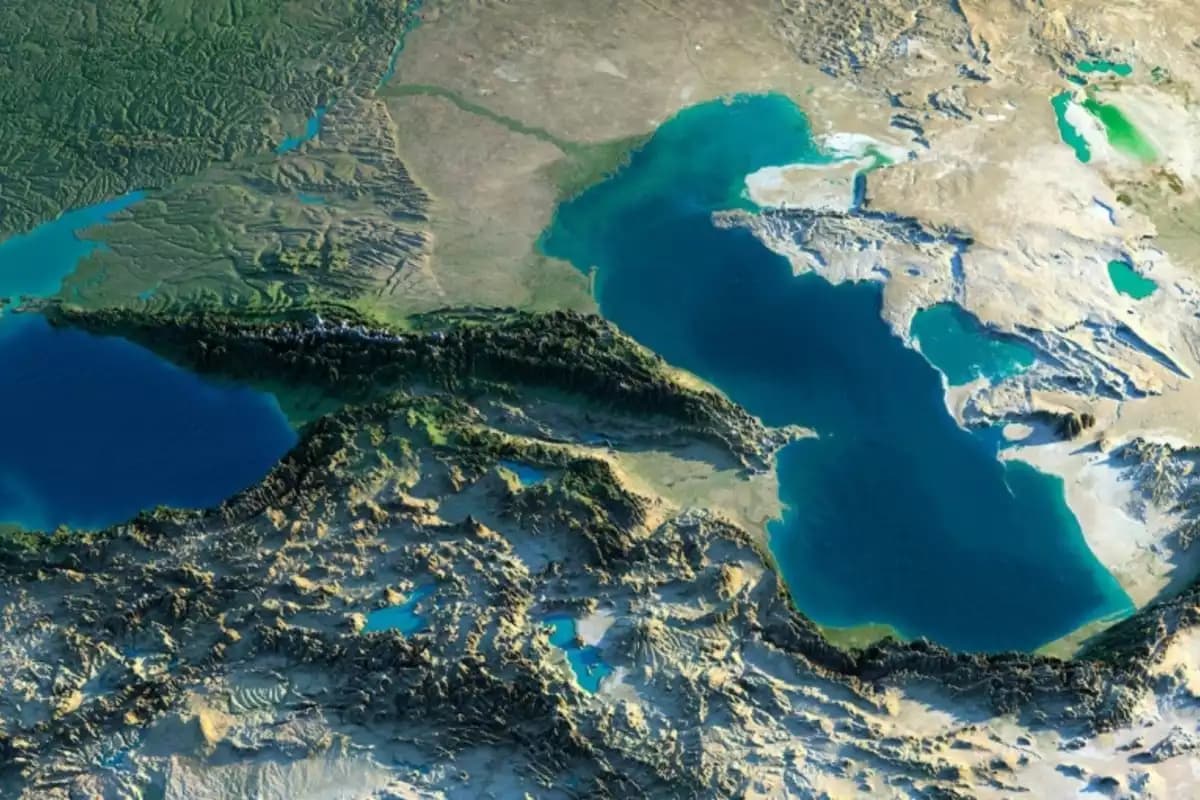
In Caspian, Iran established a new framework to swap oil with its Caspian neighbors. While Iran needs to supply oil to its northern refineries, the Caspian oil producers might be helpful in that regard. At the same time, Iran’s southern ports can sell oil to the world markets, creating an alternative selling port for Caspian oil producers. The initial aim is to swap at least 500K bpd. Turkmenistan already swapped its first batch with Iran this week after a seven-year break. The two countries used to swap natural gas in the past. Turkmenistan was supplying natural gas to north eastern Iran while Iran was selling natural gas to the Turkish natural gas market, creating multiplicative profits for Iran. Meanwhile, Turkmenistan is on its path to diversify its economy by building a new chemical complex in Balkan province. When completed, the complex will process 2 bcm natural gas per year. The complex will produce polypropylene, low-density linear polyethylene, polyvinyl chloride, caustic soda, hydrochloric acid, and liquid chlorine. The chemical complex to process natural gas is an important step towards economic development for the country as it has always dealt with monopsonies (single-buyers) in its natural gas exports, leading to low-profit margins. Historically, the Central Asian republic had been depended on Russia, and partly Iran, for its natural gas exports. In recent years, China has been the main buyer of Turkmenistan’s natural gas. Turkmenistan, having one of the world’s largest natural gas reserves, has not been making the full use of its abundance. This large investment project will be part of the republic’s diversification attempts as well as a future vision on making use of natural gas production.