Armenia after Moscow: Rubio’s Visit and Armenia’s Accelerating Turn West

Author: Zohra Movsumova
06/03/2026
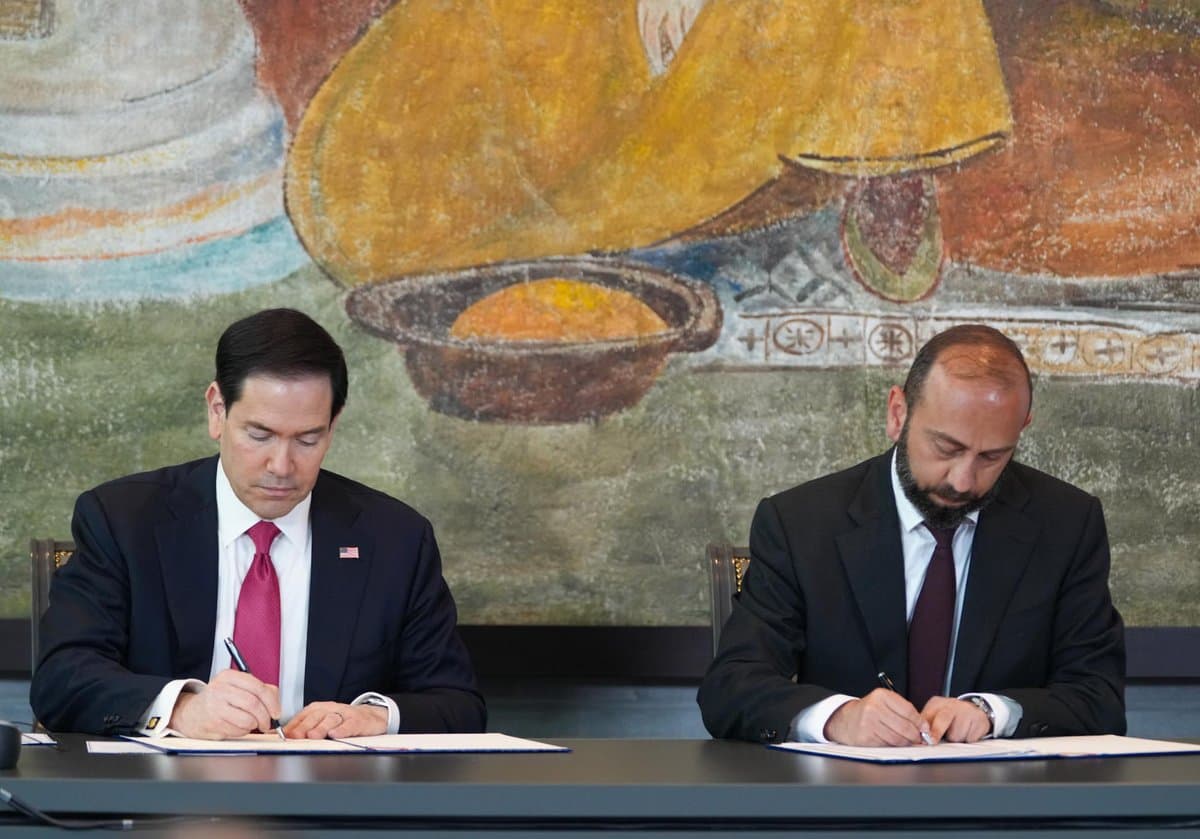 @SecRubio via X
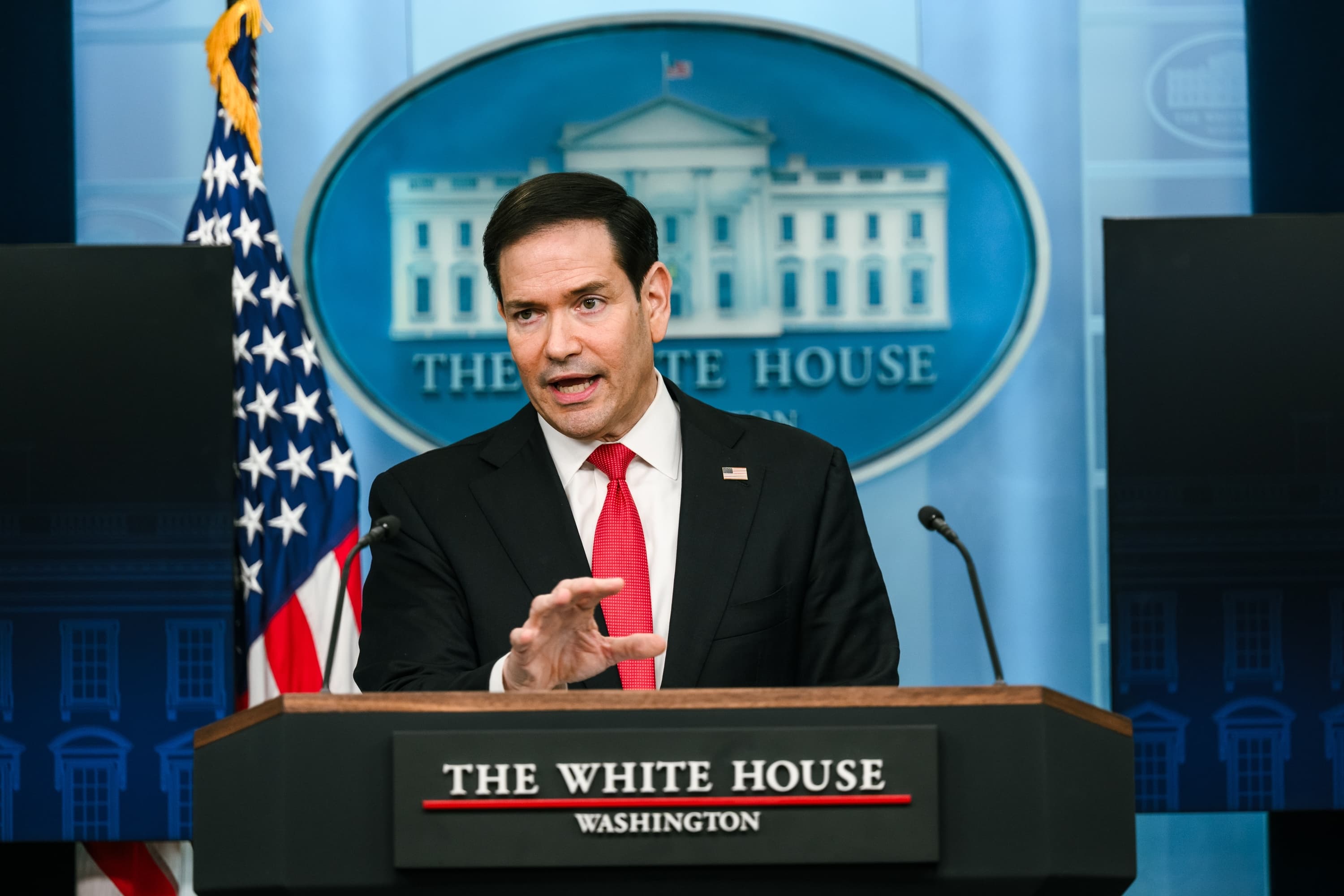
U.S. Secretary of State Marco Rubio’s short trip to Yerevan on Tuesday, May 26, was more than just a diplomatic stopover between his trips. It followed Vice President J.D. Vance’s February 2026 visit to Armenia and Azerbaijan and marked Washington’s growing support for Armenia within its South Caucasus strategy, especially at a critical time of Russia’s apparent waning influence in the region. Yerevan under the leadership of Prime Minister Nikol Pashinyan is charting a course beyond dependence on Moscow to build economic, security and infrastructure partnerships. Rubio’s visit provides Armenia with an innovative opportunity to turn its diplomatic opening with Washington to strengthen its sovereignty, diversify partnerships and pursue a more independent foreign policy in the South Caucasus.
During the visit to Yerevan’s Zvartnorts Airport, Rubio met with his Armenian counterpart Foreign Minister (FM) Ararat Mirzoyan to sign a series of agreements aimed at deepening bilateral cooperation, including: a Charter on Comprehensive Strategic Partnership, a framework of cooperation on critical minerals and rare earths, and a framework agreement to initiate the Trump Route for International Peace and Prosperity (TRIPP).
The visit carried both historical weight and political weight. The last sitting U.S. Secretary of State to visit a South Caucasus country was Hillary Clinton in June of 2012. After nearly 14 years, Rubio’s visit came at a pivotal moment in Armenia’s post-Soviet foreign policy trajectory. Pashinyan is heading into June 7 parliamentary elections defending an increasingly westward orientation and future for his country, as opposed to his electoral competition who favour policies that seek a return to a Russian orbit and historical claims.
Rubio’s remarks made that support clear. Standing beside FM Mirzoyan, he stated that Armenia’s leadership was “blazing the trail towards a brighter and more independent future for Armenia," adding that the United States was there to support its “courage,” “vision,” and “dedication.” This statement gives Pashinyan a visible diplomatic boost as he seeks closer relations with the US and the European Union.
Moscow has already demonstrated discontent with this decision. A day before Rubio’s visit, the Kremlin signalled that Armenia’s westward shift could carry direct economic consequences. Russia’s chief spokesperson Dmitry Peskov warned that Armenia currently receives “a very, very attractive and more than preferential price for Russian gas,” but added that these terms will not be procurable for countries moving toward other integration frameworks. For context, Armenia still receives Russian gas at about $177.50 per 1,000 cubic meters, while Putin recently noted that comparable prices in Europe can exceed $600, using energy dependency as a strong tool of leverage over Yerevan. However, recent Azerbaijani fuel exports to Armenia suggest Yerevan’s dependence on Russian energy is no longer absolute. Since December 2025, Baku has supplied diesel and gasoline to Armenia, which could continue to help reduce its reliance on Russia.
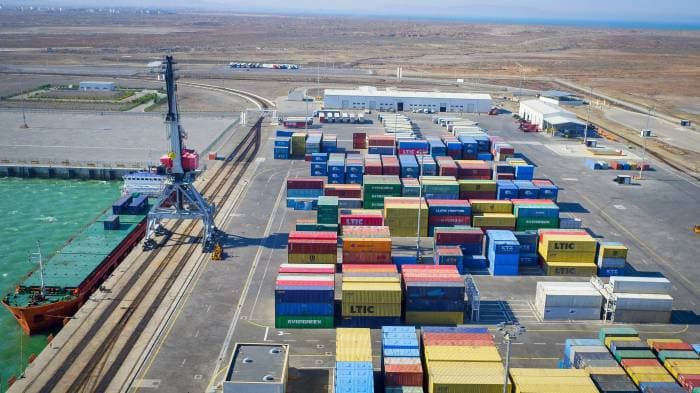
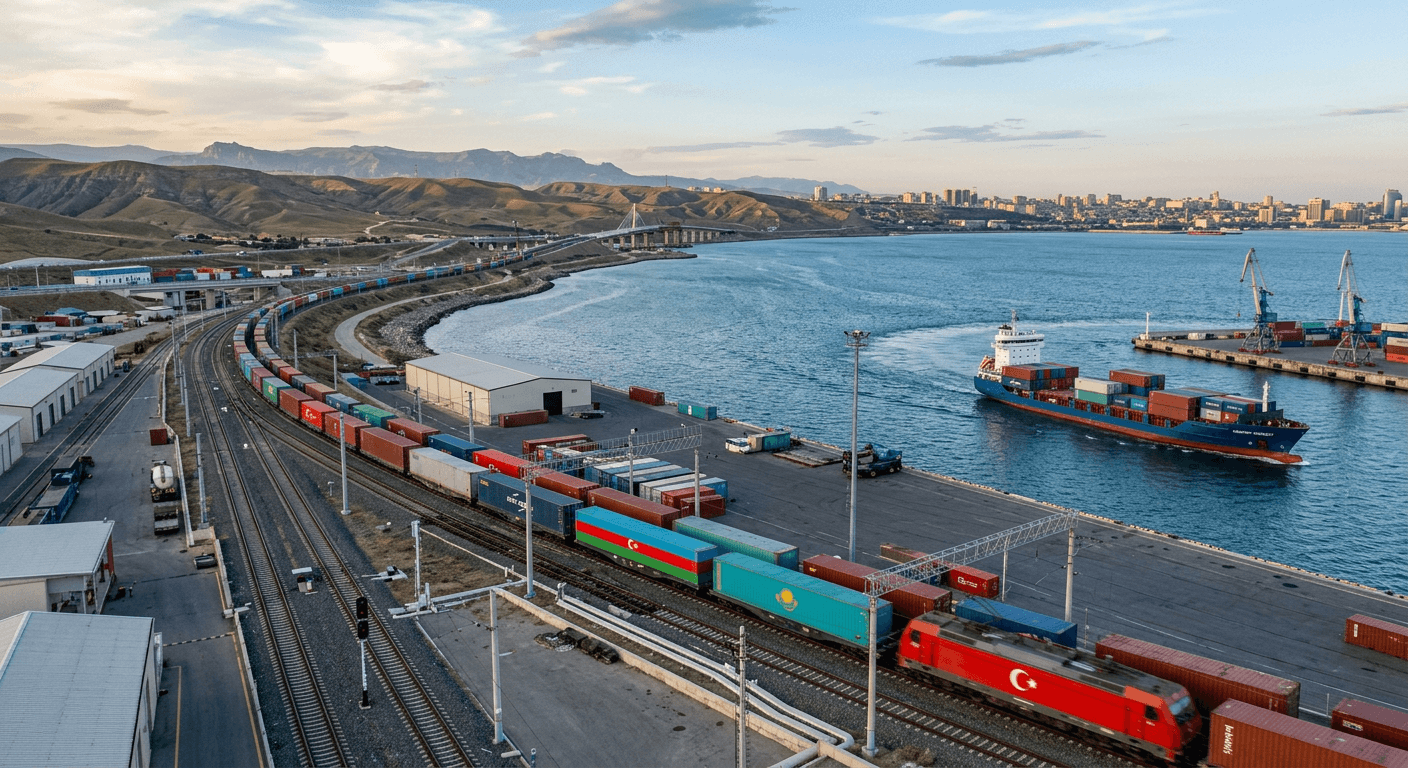
U.S.-Armenia ties are moving beyond traditional diplomacy with these agreements. TRIPP is expected to connect Azerbaijan with its Nakhchivan exclave through Armenian territory, which would create a new East-West route that could boost regional trade, whilst simultaneously reducing reliance on corridors established by Russia and Iran. Rubio referred to the agreement as the "biggest step to date” toward turning the route into a reality and framed it as a wider push for peace in the region.
The agreement on critical minerals adds another important layer to Armenia’s changing foreign policy. For Washington, rare earths and critical minerals are pivotal to reducing dependence on China-dominated supply chains. China currently accounts for around 70 percent of U.S. imports of rare earth minerals and Washington is creating a partnership and supply chain alternative with Kazakhstan via the emerging Middle Corridor transport route that runs from Central Asia through the South Caucasus to Europe.
For Armenia, it offers an opportunity to link its economic future to technological sectors and energy transition, giving it more supply-chain flexibility. The NVIDIA-backed Freebird AI project, including plans for a major GPU cluster, gives this shift a more concrete industrial dimension beyond diplomacy. Secretary Rubio emphasized that countries able to access, process, and refine critical minerals will be better positioned for innovation and are “critical to the future for prosperity,” which would allow for Armenia to create new sources of economic resilience.
A larger question, however, looms on whether Armenia can translate these agreements into a long-term strategic autonomy. Yerevan is not currently poised to simply abandon Russia, nor is it even attempting to do so. It's still limited in how far and how fast it can move due to its security vulnerabilities, trade links and emergency dependency. However, Rubio’s visit shows how Armenia can begin to seek more reliable alternatives in areas where Russian influence has historically been the strongest. If TRIPP is implemented carefully and critical minerals cooperation moves beyond memoranda, Armenia could potentially gain new channels for trade and investment while reducing economic dependency on Russia its largest trading partner.
Currently, the challenge lies in managing this shift cautiously. Armenia’s westward orientation will only be meaningful if it strengthens Yerevan’s sovereignty without creating new dependencies on the EU and the US. The real test will be whether these agreements can be implemented and deliver tangible economic benefits, infrastructure, and security guarantees.