Trans-Caspian Forum Highlights Economic Opportunities Along the East-West Trade and Transit Corridor
Recent Articles


Author: Caspian Policy Center
06/28/2017 · 3 min read
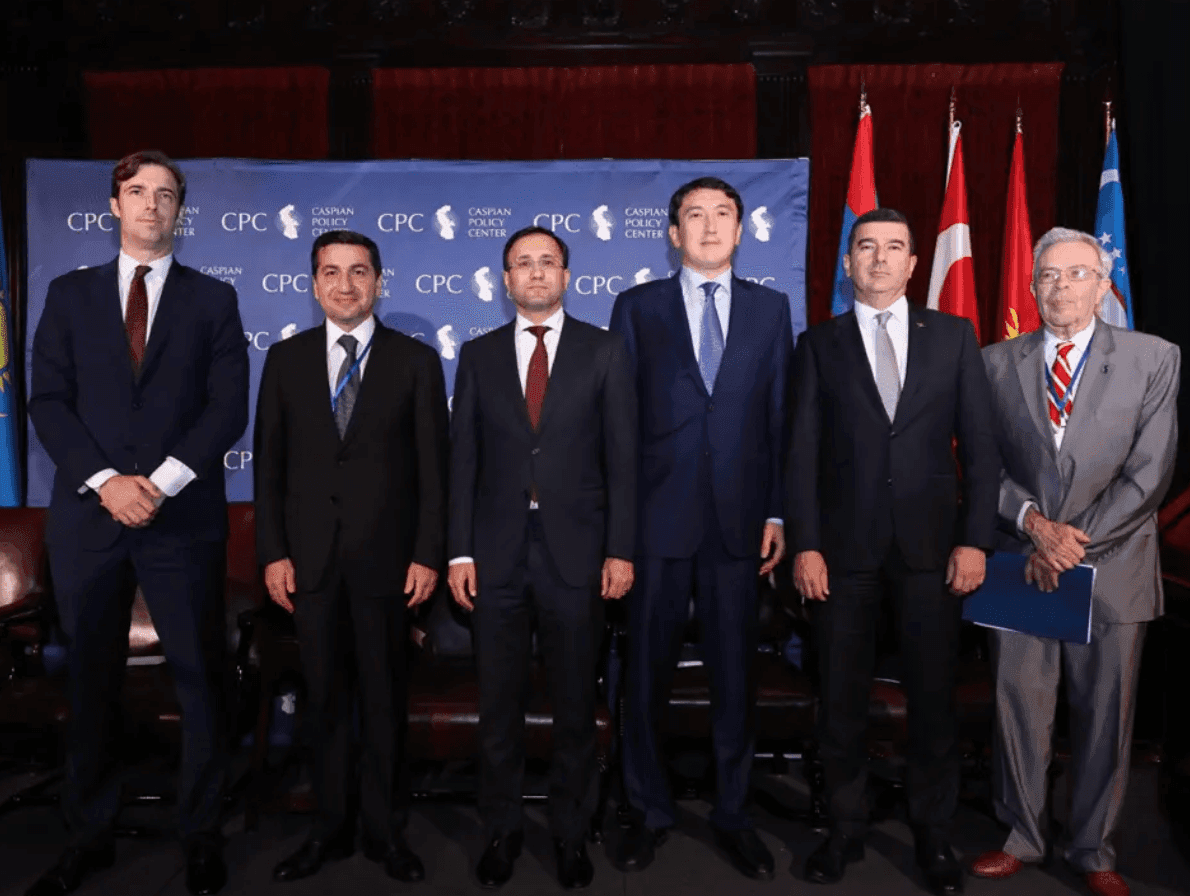
The Caspian Policy Center together with The George Washington University’s Central Asia Program hosted the first day of the Trans-Caspian East-West Trade and Transit Corridor Forum, which facilitated discussion of economic, business and infrastructure opportunities along the Trans-Caspian Corridor, a critical route connecting China to Europe through the Caspian and Black Sea regions. The Corridor’s oil and gas pipelines help provide energy security to Europe and its transit routes speed East-West trade. "The Caspian region has a great economic potential and it is not limited to only energy resources. Recent investments to develop trade and transit infrastructure presents valuable opportunities for U.S. business," said Efgan Niftiyev, Director of the Caspian Policy Center, during his opening remarks at the forum. Mr. Niftiyev also highlighted that the six Trans-Caspian countries have a collective GDP of over 1 trillion dollars. Dale Tasharski, Deputy Assistant Secretary for Europe of the US Department of Commerce, delivered the keynote speech and expressed US support for the development of the Trans-Caspian Corridor. Ambassadors and diplomats from Afghanistan, Azerbaijan, Georgia, Kazakhstan, Turkey, Turkmenistan participated in this two-day conference, which was held to bring greater focus to the opportunities for infrastructure development, special economic zones, enhanced customs and border crossing facilitation and trade and supply routes along the Trans-Caspian Corridor. Held at The George Washington University’s Elliott School of International Affairs, the World Bank and on Capitol Hill, the event featured Afghan Ambassador Hamdullah Mohib, Azerbaijan Ambassador Suleymanov, Georgian Ambassador David Bakradze, Kazakh Ambassador Erzhan Kazykhanov, Turkmen Ambassador Meret Orazov and Turkish Chargé D'affaires Tugay Tuncer, as well as other representatives from the six Trans-Caspian nations, the US Department of Commerce, the World Bank Group, the European Bank for Reconstruction and Development (EBRD), the Asian Development Bank (ADB), Boeing, General Electric (GE) and additional global trade and logistics companies. The Trans-Caspian Corridor runs through Kazakhstan, Afghanistan, Turkmenistan, Azerbaijan and Georgia before extending into Turkey. Together, these regions form a viable trade and transit corridor between Europe and China and South-East Asia. Infrastructure projects along the Trans-Caspian Corridor include:
- The Baku-Tbilisi-Ceyhan oil pipeline, which moves 1 million barrels of oil per day from Azerbaijan through Georgia to Ceyhan, Turkey;
- The Southern Gas Corridor, which will strengthen Europe’s energy security by connecting Azerbaijan to Europe;
- The C5+1 Transport Corridor Development, which will reduce the cost and time of moving goods across borders in Central Asia;
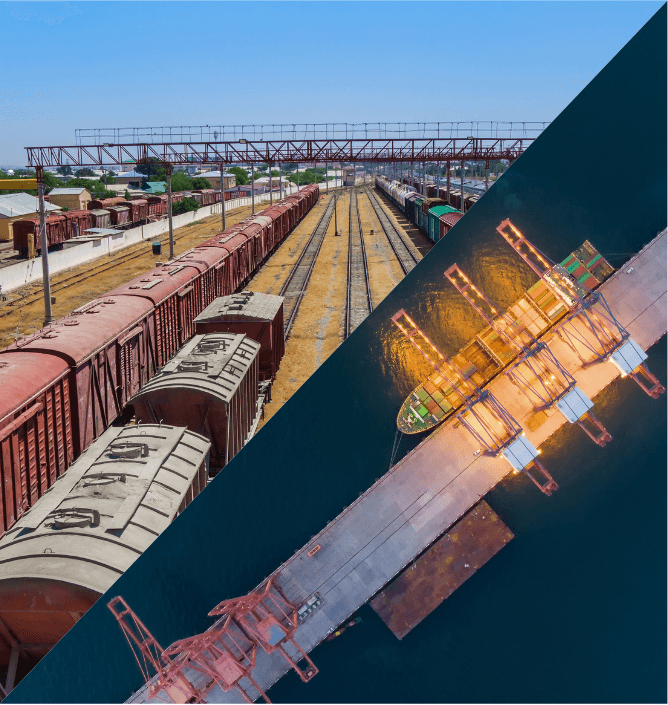
- The Baku-Tbilisi-Kars railway and the Trans-Caspian International Transport Route, which connect Asia to Europe; and
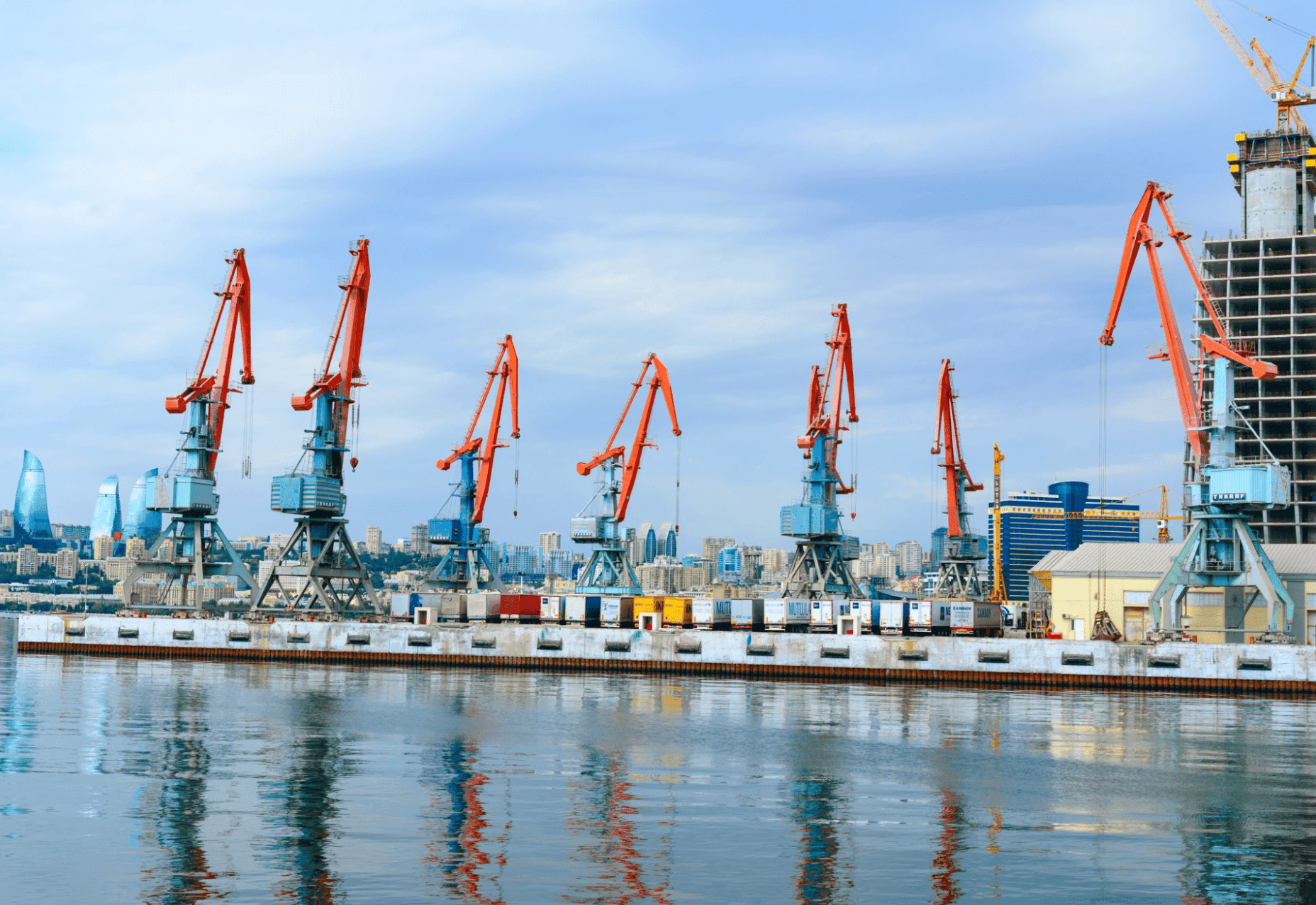
- The development of multiple ports.
Connecting trade, people and economies, the modern Trans-Caspian Corridor presents many new opportunities for U.S. and European businesses. Panels at the forum included “Regional policy outlook: Joint efforts to increase trade and investment in the region,” “New commercial and investment opportunities in the region: What projects are leading the way in transportation and logistics?,” “Advantages of the Trans-Caspian transit/transport corridor in trans-continental shipments” and "Combined transit options and new business opportunities in air transport.” The second and final day of the forum included remarks by U.S. Congressmen Pete Sessions (R-TX) and Steve Chabot (R-OH) as well as Rear Admiral Lawrence Jackson, Director of Strategy, Capabilities, Policy and Logistics, U.S. Transportation Command on the opportunities presented by the Trans-Caspian Corridor, followed by a discussion at the World Bank featuring the Trans-Caspian delegations and U.S. business representatives on transport infrastructure and trade and customs software along the Trans-Caspian Corridor.