Energy and Security In the Black Sea
Recent Articles


Author: None None
09/06/2017 · 3 min read
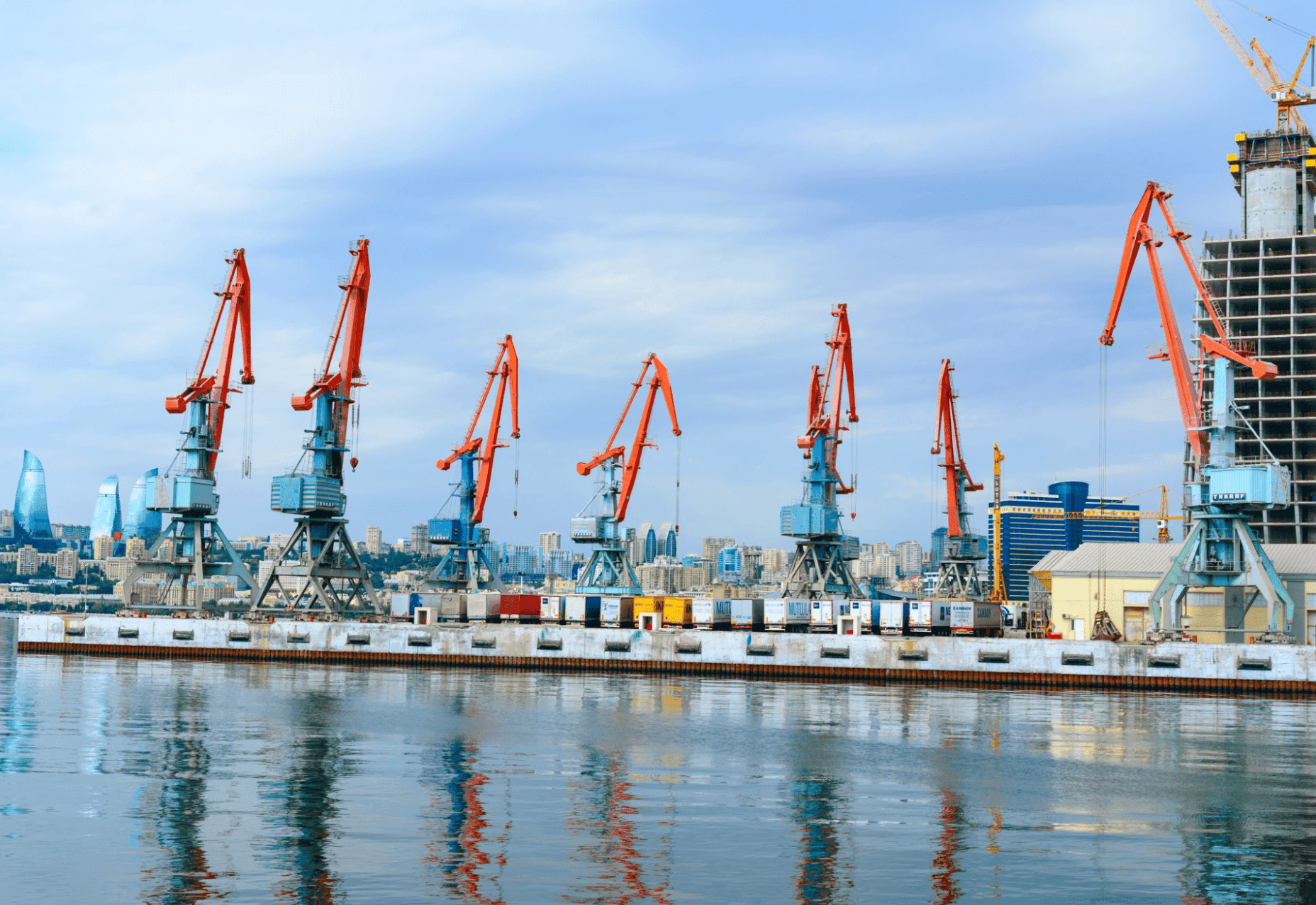
Recently commercial vessels in the Black Sea reported incidents that have led analysts to manifest concern about Russian efforts to spoof GPs systems in the Black Sea and beyond. While there is no definitive proof that these were Russian activities; we do know that Moscow has both talked about and experimented with technologies and capabilities that would allow it to spoof GPs systems. While the potential for military threats against naval ships in a time of warfare in the Black Sea and elsewhere is obvious; we should also take into account the possibilities for the use of such a weapon as an instrument of commercial or economic warfare up to an including piracy in both the Black Sea and even in the Caspian Sea. And if this capability eventually spreads others besides Russia may be able to get hold of it and use it for their own nefarious purposes. However, for now we need to focus on what Russia could do with this capability and not only against NATO or other military challengers in the Black Sea or elsewhere. The avarice and cupidity of the Russian elite, particularly regarding former Soviet republics’’ energy installations are well known. Similarly, Moscow’s contempt for their sovereignty, territorial integrity and for international law are equally well known and have been amply demonstrated in word and deed. Upon annexing Crimea, Moscow immediately seized Ukrainian energy firms’ assets and installations and expropriated them without any compensation, thereby violating international law. Since 1991 it has made numerous threats and often carried out unilateral blockades or other forms of economic warfare against states from the Baltic to Central Asia and there is no reason to suppose that it will renounce these tactics if it feels it advantageous to utilize them again. It is clear that spoofing commercial as well as military ships’ GPS has the possibility to open up possibilities for large-scale commercial raiding in the Black Sea, the Caspian, and ultimately globally. It is not hard to conceive of situation where Russia might use this instrument of power to engage in economic warfare against energy supplies or other maritime commerce form its neighbors either by causing ships to run aground, lose their direction, fabricate incidents which it can use as a pretext for economic and other forms of warfare against them, and for purposes of what would essentially be a sophisticated form of piracy. Beyond closing the Black Sea to foreign military vessels this capability also could allow it to blackmail its neighbors by the threat of closing the Black Caspian or other seas to their commerce. Inasmuch as the conclusive legal status of the Caspian Sea is still not formally decided, possession of this capability will be a formidable weapon in Moscow’s hands to impose its will on the other littoral states. And on the high seas all the contingencies outlined above could easily be replicated as well. Thus, these are other ways in which the Russian invasion of Ukraine directly threatens the de facto if not de jure sovereignty and integrity of the other members of the CIS. When we consider that Russian air defense and anti-ship weapon deployments in the Black and Caspian Seas have already isolated the Caucasus form foreign militaries’ ability to come to their aid if threatened, it becomes clear that the capability to spoof maritime vessels’ GPS, whether deployed in or around the Black Sea or elsewhere represents another Russian attempt to undermine the post-Cold War order in Eurasia.