Kazakhstan Joins the Abraham Accords: Strategic Opportunities and Risks
Recent Articles
Author: Eric Green, Dr. Akbota Karibayeva Meyer
01/29/2026

On November 6, 2025, Kazakhstan became the first country to sign up to the Abraham Accords in President Trump’s second term, joining Bahrain, Morocco, the UAE, Israel, and the United States, which had inaugurated the multilateral framework in 2020. The original declaration of the Accords echoes many long-standing elements of Kazakhstan’s foreign policy, focusing on promoting inter-faith dialogue, pragmatic cooperation among countries (even those that are not like-minded) in areas such as scientific research and economic projects, as well as a commitment to countering extremism. Because Kazakhstan has had diplomatic and trade relations with Israel for more than thirty years, its accession is not ground-breaking as it was for the Arab states. On the upside, Astana’s move is a useful way to support American efforts to reinvigorate one of Trump’s signature diplomatic initiatives, although the context of the ongoing war in Gaza carries some risk because Kazakhstani citizens strongly support Palestinian aspirations, which the Accords have done little to advance.
In addition to gaining credit with Washington, Kazakhstan’s membership in the Accords could help deepen its economic ties with Israel and the Gulf region, while posing minimal risks to relations with its key neighbors, Russia, Iran, and China, that will likely regard Kazakhstan’s move as a largely symbolic gesture demonstrating its multi-vector foreign policy. Although the future of the Abraham Accords will be determined by forces beyond Kazakhstan’s control – such as whether Saudi Arabia decides to normalize relations with Israel – for Astana, the association allows it to show leadership as the first country in its region to join and creates the possibility that participation will yield tangible dividends.
Expanding Beyond the Middle East and America
The Abraham Accords, launched in September 2020, marked a new chapter in American diplomacy in the Middle East. Whereas Israel’s potential to deepen relations with its Arab neighbors in the region had previously been held back by lack of progress on the Palestinian issue, the U.S. successfully widened the aperture to include geopolitical, security, and economic issues that resulted in the UAE, Bahrain, Morocco, and Sudan establishing diplomatic relations with Israel. In the following three years, the UAE-Israel relationship blossomed with direct flights, tourism, and interlocking investment projects. At the geopolitical level, the United States viewed the Accords as a way to use enhanced economic engagement to compete with China’s inroads in the region and to leverage shared concern about Iranian ambitions, which resulted in security dialogue and cooperation between Israel and the Gulf countries. The Biden administration continued supporting the Accords as a framework to orchestrate the normalization of relations between Israel and Saudi Arabia, a move that would catalyze other Arab countries to establish ties with Jerusalem and would also inject momentum into the Israel-Palestine peace process.
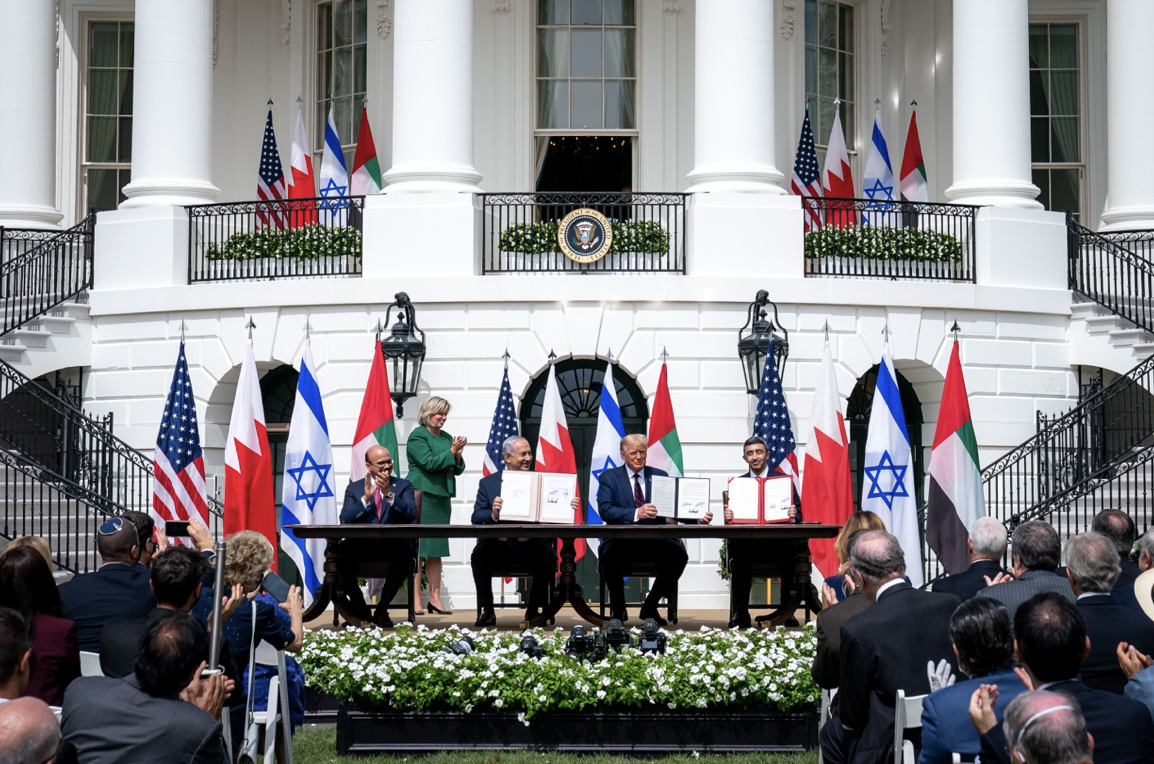 President Donald J. Trump, Minister of Foreign Affairs of Bahrain Dr. Abdullatif bin Rashid Al-Zayani, Israeli Prime Minister Benjamin Netanyahu and Minister of Foreign Affairs for the United Arab Emirates Abdullah bin Zayed Al Nahyanisigns sign the Abraham Accords Tuesday, September 15, 2020, on the South Lawn of the White House. Source: Official White House Photo by Tia Dufour
The October 7, 2023, Hamas attack on Israel and the ensuing war in Gaza put enlargement of the Abraham Accords on hold because countries in the region would only consider improving relations with Israel if it made significant progress on the Palestinian issue, which the Netanyahu government was unwilling to consider. Meanwhile, the hot conflict between Israel and Iran, culminating in U.S. airstrikes on Iran’s nuclear sites in June 2025, affected one rationale for the Abraham Accords. On one hand, the fact that Gulf countries helped intercept Iranian missiles and drones targeting Israel showcased the benefits of closer cooperation, including on security. But because of the war and Israel’s success in degrading Tehran’s regional proxies, Iran now poses much less of a threat to its neighbors, who may now be more interested in finding ways to protect themselves against a resurgent Israel rather than aligning with it.
Israel’s assertive diplomacy might also limit growth of the accords since PM Netanyahu on December 26 announced that Israel will establish diplomatic relations with Somaliland “in the spirit of the Abraham Accords signed at the initiative of President Trump.” This move, taken to improve Israel’s security posture in the Gulf of Aden and with the apparent concurrence of the UAE, has elicited broad condemnation elsewhere in the Arab world and Africa, including from Egypt and Saudi Arabia. By linking recognition of Somaliland with the Abraham Accords, Netanyahu might believe he has a better chance of gaining U.S. buy-in for raising Somaliland’s status, but the move could also inject a bitter regional dispute into the Accords, making future expansion more difficult.
American proponents of the Accords did not consider expansion beyond the Middle East until Trump’s second term. In March, presidential envoy Steve Witkoff visited Baku and his team reportedly discussed the Accords during a follow-up meeting with Azerbaijan’s president, Ilham Aliyev. The request puzzled some Azerbaijani officials since their country had established diplomatic ties with Israel upon independence in 1992 and enjoys close ties on security, energy and regional diplomacy; many analysts and government officials characterize the relationship as a “strategic partnership,” symbolized by Azerbaijan’s state energy company February announcement that it would take an ownership stake in Israel’s offshore Tamar natural gas project. Strong pro-Palestinian public sentiment in Azerbaijan might have dampened enthusiasm in the government, which was likely reluctant to take high-profile steps to elevate its relationship with Israel while the war in Gaza was ongoing. While Azerbaijan did not join the Accords in 2025, its officials reportedly contacted to Kazakhstani officials to gauge their interest in membership. Kazakhstan proved receptive to the idea because it was seeking opportunities to elevate its profile in the eyes of the Trump administration, particularly in the lead-up to the first-ever convening of a C5+1 presidential summit at the White House in Washington.
Why Kazakhstan Joined – and Why Now
U.S. Signaling
For Kazakhstan, joining the Abraham Accords is first and foremost a diplomatic signal aimed at Washington. Trump’s second term has been defined by performative transactionalism: officials reward demonstrations of alignment, especially those that reinforce American priorities in strategically important regions. In this context, Accords membership is a low-cost, high-visibility step that elevates Kazakhstan in the administration’s view without requiring immediate or substantive policy concessions.
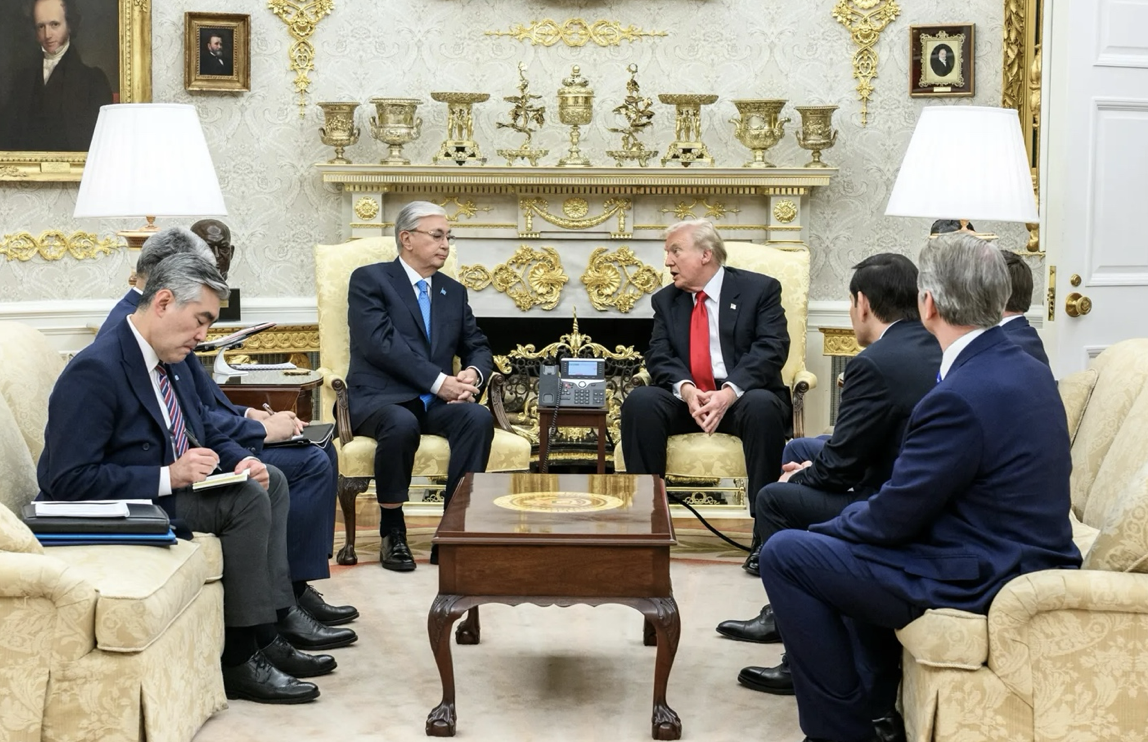 President Donald Trump meets with President of the Republic of Kazakhstan Kassym-Jomart Tokayev in the Oval Office, November 7, 2025. Source: White House
The move dovetails with U.S. priorities in Central Asia. Washington is seeking credible partners to diversify and de-risk critical mineral and energy supply chains, areas where Kazakhstan has become increasingly important both as a supplier and as a key link in the Middle Corridor. Politically, Kazakhstan’s entry provides the White House with a clear “win” for efforts to broaden the Accords beyond the Middle East at a time when the war in Gaza has stalled progress on Saudi-Israeli normalization. Bringing in a large Muslim-majority state from outside the region reinforces the idea that the Accords can operate as a global diplomatic and economic framework rather than a narrowly regional peace architecture.
The timing also intersects with renewed congressional momentum to repeal the long-obsolete Jackson-Vanik amendment, legislation enacted in 1974 to pressure the Soviet Union over its restrictions on Jewish emigration. For decades, Kazakhstan has complied with freedom-of-emigration mandates, yet the amendment still prevents the United States from granting Permanent Normal Trade Relations (PNTR) unless Congress acts. Instead, Kazakhstan receives only temporary NTR status through annual presidential certification. Repealing Jackson-Vanik would remove this irritant, eliminate the annual waiver process, and align U.S. treatment of Kazakhstan with its WTO obligations and strategic ambitions. While there is broad support in Congress for repealing Jackson-Vanik in 2026, dysfunction on Capitol Hill could stymie the effort.
Long-Standing Ties with Israel Require No Policy Shift
Joining the Accords requires no policy adjustment for Kazakhstan, whose relationship with Israel has been active, stable, and institutionally anchored for more than three decades. The two countries established diplomatic relations in 1992, opened embassies soon after, and have maintained steady political contact—highlighted by President Shimon Peres’s 2009 visit to Kazakhstan and Prime Minister Benjamin Netanyahu’s 2016 visit, the first by an Israeli premier to Central Asia. Human connections reinforce the bilateral relationship. Kazakhstan hosted sizeable Jewish communities during and after World War II, and large waves of Kazakhstani Jews emigrated to Israel in the late Soviet and early independence years, creating lasting family and diaspora networks. Today, the Jewish community in Kazakhstan numbers 2,500-3,500 – the largest in Central Asia – with active synagogues and cultural centers in Almaty, Astana, Karaganda, Shymkent, Pavlodar, and many other cities. The launch of direct Almaty-Tel Aviv flights in 2023 significantly eased travel for business, tourism, and diaspora engagement.
The economic relationship has strong foundations. The Kazakh-Israeli Intergovernmental Commission on Trade and Economic Cooperation, created in 1992, has held eight formal meetings and provides a structured platform for sectoral coordination. Since 2020, Kazakhstan’s participation has been led by the Ministry of Digital Development, Innovation, and Aerospace Industry, reflecting Astana’s shift toward higher-value technological collaboration. The Israel-Kazakhstan Chamber of Commerce, established in 2004, has helped facilitate commercial cooperation across a wide array of sectors and supported hundreds of joint business initiatives.
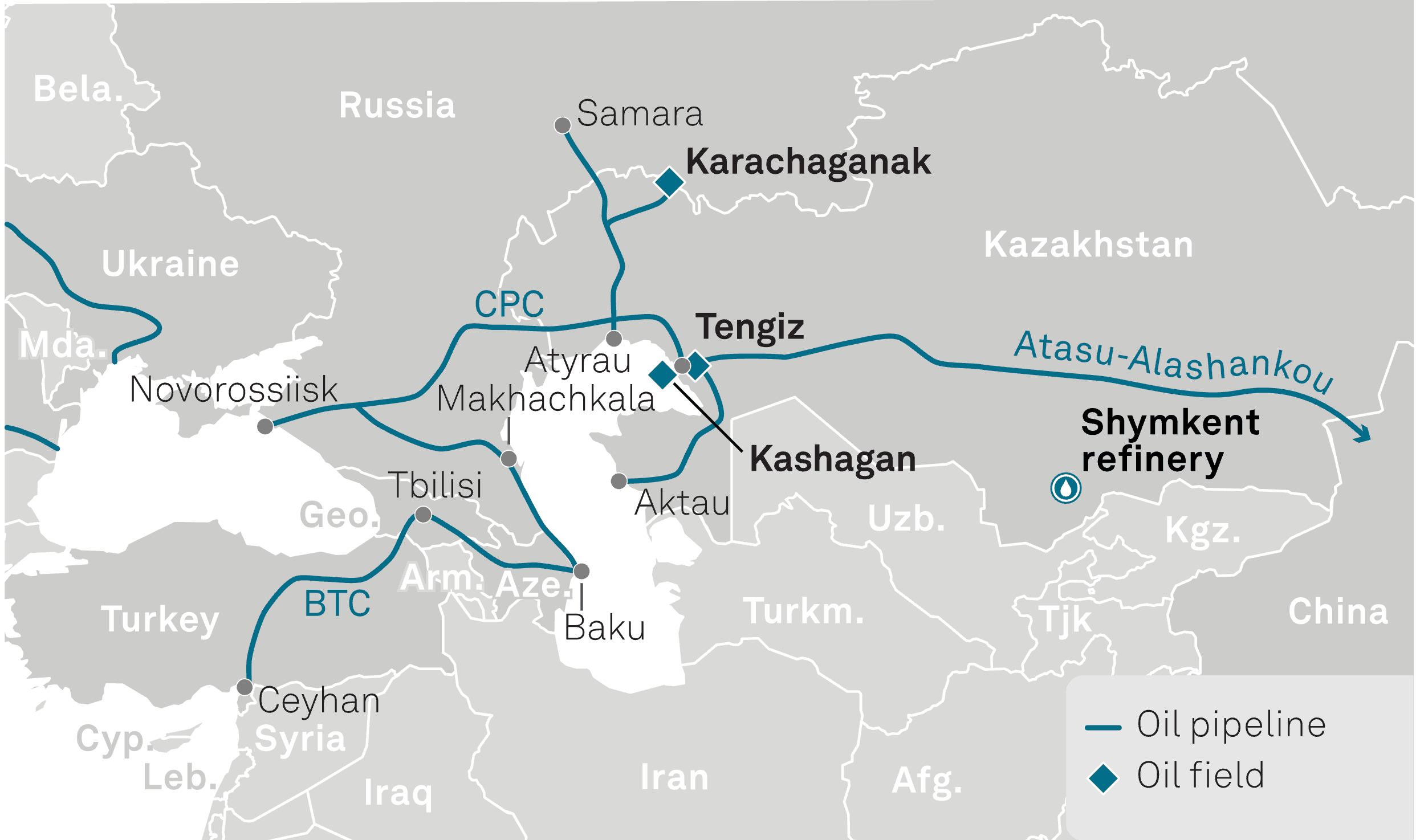
Economic ties have been fluctuating but generally steady. Bilateral trade reached $236.2 million in 2024 (exports: $167.6m; imports: $68.5m). The trade structure is complementary: Israel exports medical devices, pharmaceuticals, irrigation technologies, electronics, and manufactured goods, while Kazakhstan supplies metals, chemicals, agricultural products, and oil. Energy remains the foundation. Kazakhstan and Azerbaijan together provide roughly 70% of Israel’s crude imports, with Kazakhstan consistently supplying over a quarter of Israel’s imported oil—volumes that Israeli officials have stated could increase if requested. Most Kazakh crude destined for Israel is transported through the Caspian Pipeline Consortium (CPC) to the Russian Black Sea port of Novorossiysk, where it is loaded onto tankers and shipped through the Mediterranean to Israeli refineries—making Kazakhstan one of Israel’s most reliable and large-volume oil suppliers.
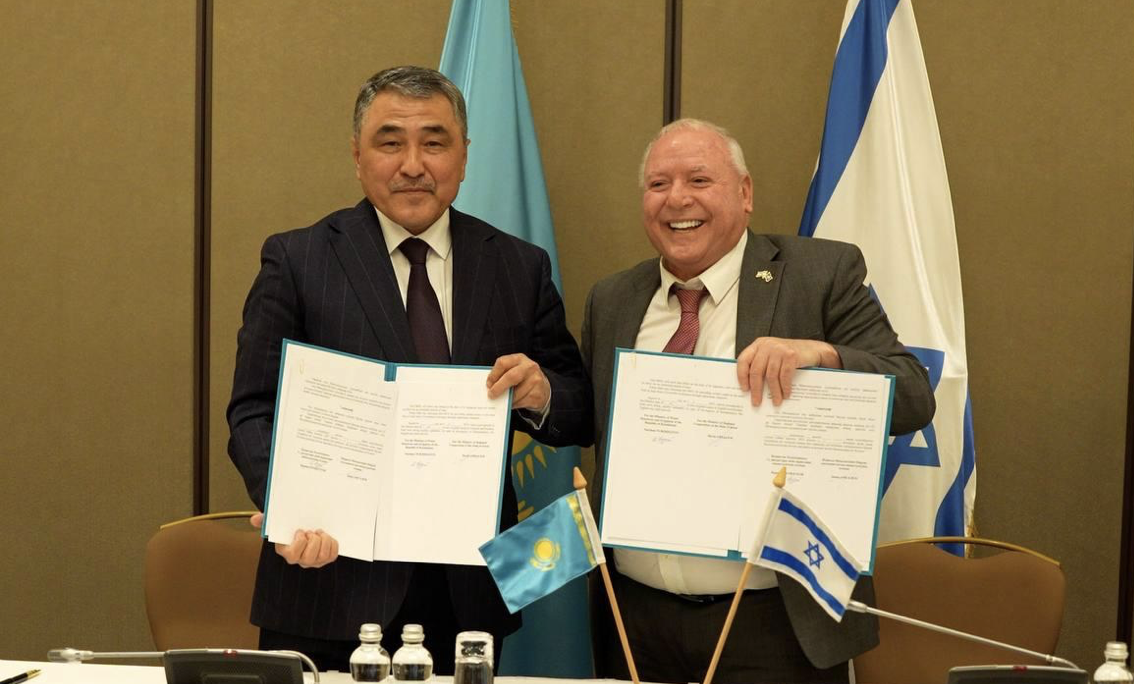 Kazakh Minister of Water Resources and Irrigation Nurzhan Nurzhigitov and Israeli Minister of Regional Cooperation David Amsalem signed a memorandum of understanding to enhance cooperation in water resource management, November 11, 2025. Source: Ministry of Water Resources and Irrigation of the Republic of Kazakhstan
This longstanding record means that many of the sectors prioritized under the Accords are already areas of active cooperation, positioning the Accords as a mechanism to scale up or rebrand existing activities rather than create new ones. Economic cooperation also builds on a record of concrete joint projects in Kazakhstan—from early industrial upgrades and desalination plants to greenhouse construction and livestock initiatives. Today, the relationship is increasingly technology-driven: Israeli firms such as Netafim and IDE Technologies are engaged in Kazakhstan’s efforts to modernize irrigation and water-management systems, introduce advanced greenhouse and horticulture techniques, and upgrade agricultural productivity in water-scarce regions. Israeli companies also supply medical equipment, industrial technologies, and digital solutions used by Kazakh hospitals, manufacturers, and telecommunications providers.
Investment Opportunities
The Accords’ financial architecture, while limited, still carries weight. The $3 billion Abraham Fund announced in 2020 never fully materialized. More recently, uncertainty surrounding the U.S. International Finance Corporation (DFC) statutory authority, which lapsed on October 1, 2025, temporarily constrained the agency’s ability to approve new investments across its portfolio. That constraint has now been resolved: DFC was reauthorized as part of the FY2026 National Defense Authorization Act (NDAA) enactment, restoring the agency’s capacity to approve new projects through 2031. Under the reauthorized framework, Kazakhstan qualifies as an “advancing income country,” making it eligible for DFC support, subject to certification that projects advance U.S. foreign policy or national economy interests. The statute explicitly prioritizes critical minerals and directs DFC toward projects that strengthen and diversify supply chains, enhance energy security, and reduce reliance on designated “countries of concern,” including China and Russia. For Kazakhstan, DFC-backed projects remain an attractive signal of U.S. government endorsement: even modest DFC involvement can unlock commercial lending and co-financing.
Beyond U.S. tools, Accords membership can draw Israeli and Gulf investment at a time when Kazakhstan is building out its tech, logistics, and mineral-processing sectors. Sovereign investors from the UAE and Bahrain have become increasingly active along Eurasian transport corridors, and Kazakhstan’s participation in the Accords provides political alignment and visibility that may further encourage their involvement. Israeli venture capital—which has expanded across Central and Eastern Europe—may also view Kazakhstan’s IT, cybersecurity, and digital-services ecosystem as a natural next frontier.
Multi-vector and Neutral Mediator Identity
These economic incentives reinforce Kazakhstan’s broader multi-vector foreign policy, which seeks to avoid overreliance on any single great power. Russia remains Kazakhstan’s primary security partner but has become more unpredictable since the invasion of Ukraine. China dominates trade and investment but carries long-term dependency risks. Deepening already-strong ties with Israel, the United States, and Gulf states tilts Astana towards an American-led initiative, potentially tapping new partners, technology channels, and financing sources, expanding Kazakhstan’s strategic room for maneuver without provoking Moscow or Beijing.
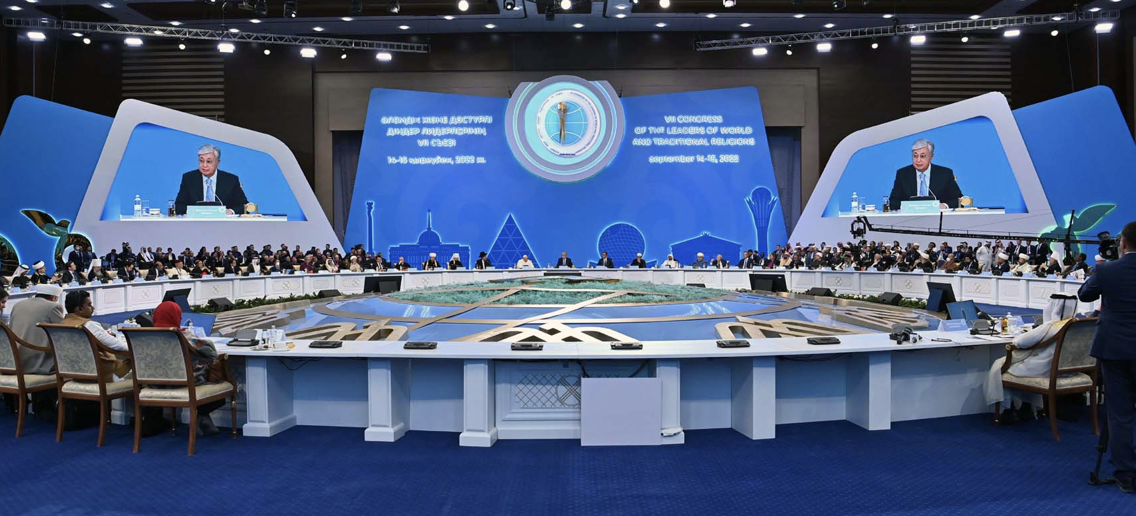 Seventh Congress of the Leaders of World and Traditional Religions held in Astana, September 14, 2022. Source: UNESCO
The Accords also align with Kazakhstan’s carefully cultivated identity as a moderate, tolerant, and bridge-building Muslim-majority state. Since independence, Astana has emphasized interfaith dialogue and religious pluralism as core elements of its diplomacy. The Congress of Leaders of World and Traditional Religions, held every three years in the capital since 2003, brings together representatives across Islam, Judaism, Christianity, Buddhism, Hinduism, and other traditions. Kazakhstan uses the Congress to project itself as a platform for cross-civilizational dialogue—an image that fits naturally with a framework premised on Muslim-Jewish normalization and pragmatic cooperation. Kazakhstan has also sought to provide a neutral platform for negotiations on pressing regional issues, including the civil war in Syria and the Iran nuclear program.
Accords membership complements this ecumenical posture: it allows Kazakhstan to participate in a high-profile cooperative initiative without compromising its multi-vector principles. The move reinforces Astana’s image as a state capable of engaging diverse partners and contributing to broader regional and interfaith dialogue—while simultaneously advancing its strategic, economic, and technological objectives.
As the first Central Asian, former Soviet republic to join, Kazakhstan’s membership in the Accords is precedent-setting. This plays to Astana’s willingness to assume the role of pioneer and to be seen as a regional leader. If other C5 countries follow suit, then Astana can enjoy the status as a first mover; if not, then Kazakhstan will benefit from the Accords as a vehicle for interaction with the U.S. and other countries that its neighbors do not enjoy.
Risks and Constraints
Kazakhstan’s accession to the Abraham Accords brings opportunities but also exposes Astana to several risks that could limit or complicate the benefits if not managed carefully. The first and foremost constraint comes from domestic opinion. Kazakhstan’s public is strongly and consistently pro-Palestinian, a sentiment that intensified sharply since the start of the war in Gaza and remains one of the most emotionally charged foreign-policy issues in the country. The government’s official position aligns with this mood: President Tokayev and the Ministry of Foreign Affairs have repeatedly reaffirmed support for a two-state solution on the basis of the 1967 borders, voted at the UN for an immediate ceasefire and expanded Palestinian rights, and called Palestine a “brotherly country.” Kazakhstan also formally recognized the State of Palestine in 1992 and maintains diplomatic relations with the Palestinian Authority.
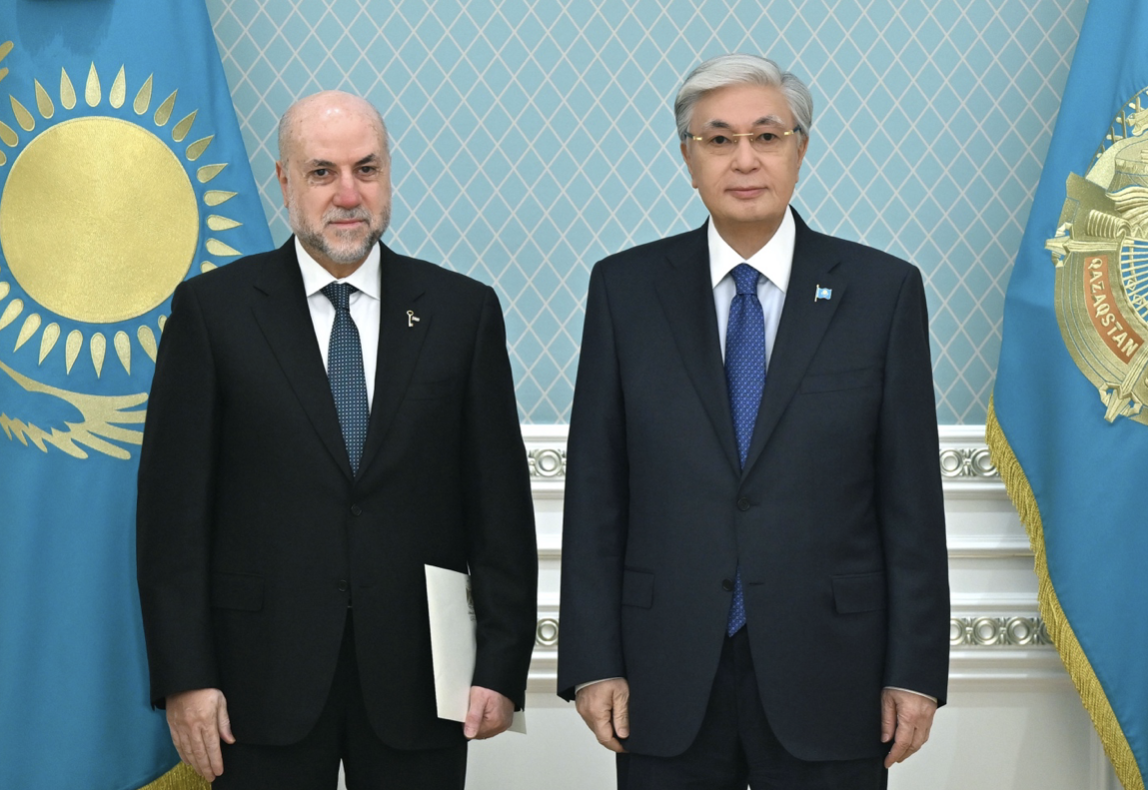 Kazakh President Kassym-Jomart Tokayev met with the Chief Justice of Palestine and Advisor to the President on Religious Affairs Mahmoud al-Habbash, December 2, 2025. Source: Akorda
Public sentiment runs even deeper and is shaped by several factors: Islamic and cultural solidarity; a broader identification with the Global South; rising sensitivity to colonialism and occupation narratives; and a generational shift in which younger, liberal urban Kazakhs increasingly see Palestinian struggles through the same anti-imperial lens they apply to Ukraine-Russia dynamics. This creates a domestic environment in which any perception that Astana is complicit in the Israel’s military actions and in keeping the Palestinian issue on the back burner could provoke online backlash, criticism from civil society, and pressure on the government to publicly distance itself from Jerusalem.
If the Gaza conflict drags on or worsens, the reputational risks for existing members of the Accords could grow, and new entrants—Kazakhstan included—may face heightened scrutiny at home. Accords participation therefore requires Astana to maintain a careful balancing act: advancing pragmatic ties with Israel and the U.S. while preserving its long-standing diplomatic posture toward Palestine and managing a domestic landscape that remains overwhelmingly sympathetic to the Palestinian cause.
If handled skillfully, however, this challenge offers Kazakhstan an opportunity to position itself as a moderating voice—supportive of de-escalation, humanitarian protections, and a credible political settlement. Astana has long used moral framing in its foreign policy, especially around interfaith dialogue and conflict mediation; Accords membership could be leveraged to reinforce, rather than undermine, this brand if Kazakhstan visibly supports Palestinian humanitarian needs while still engaging Israel diplomatically.
Geopolitically, Russia and China may view closer alignment with a U.S.-backed framework involving Israel and the Gulf with caution. Astana remains firmly embedded in Russia-led Collective Security Treaty Organization (CSTO) and the Eurasian Economic Union (EAEU), as well as the China-led Shanghai Cooperation Organization (SCO). In this context, participation in the Abraham Accords is unlikely to be perceived as a significant strategic shift – unless it generates tangible economic or political effects capable of altering long-standing regional power dynamics. Moscow could interpret deeper U.S. or Israeli engagement in Kazakhstan as a symbolic drift toward Washington at a time when Russia’s own regional influence is under pressure due to the war in Ukraine and its weakening economic capacity. Beijing, similarly, may worry about expanded U.S. and Israeli cooperation with Kazakhstan in areas sensitive to Chinese interests, including critical minerals and digital infrastructure.
Other Central Asian states will also be watching closely, particularly given their need to maintain constructive relations with Iran, a key regional partner for trade, energy, and southbound transit. If Kazakhstan’s inclusion in the Accords is perceived as aligning with an emerging U.S.-Israel-Gulf strategic bloc, it may generate quiet concerns in Tashkent, Bishkek, or Ashgabat about regional polarization or Iranian reactions. However, early signals suggest that Astana is managing this balance effectively: during Iranian President Masoud Pezeshkian’s visit to Kazakhstan in December 2025, both sides reaffirmed plans to deepen cooperation in transport, agriculture, and energy, and expressed strong support for expanding the International North-South Transport Corridor (INSTC) and the Kazakhstan-Turkmenistan-Iran railway route.
In this context, Astana is likely to emphasize that its Accords membership is nonexclusive, consistent with its multi-vector foreign-policy doctrine, and focused on economic modernization rather than geopolitical realignment.
What’s Next
Kazakhstan’s accession to the Abraham Accords opens several potential pathways, but much will depend on how the framework evolves under the Trump administration and how Astana chooses to operationalize its membership. The first unknown is the content of Kazakhstan’s actual agreement document, which may clarify whether Astana will receive provisions similar to those granted to other Accords members—such as sectoral working groups on technology, agriculture, and water; cooperation on civil aviation and tourism; or investment mechanisms designed to de-risk private capital. If Kazakhstan’s agreement mirrors Morocco’s or Bahrain’s, it could include a menu of economic and innovation partnerships that align closely with Astana’s modernization agenda.
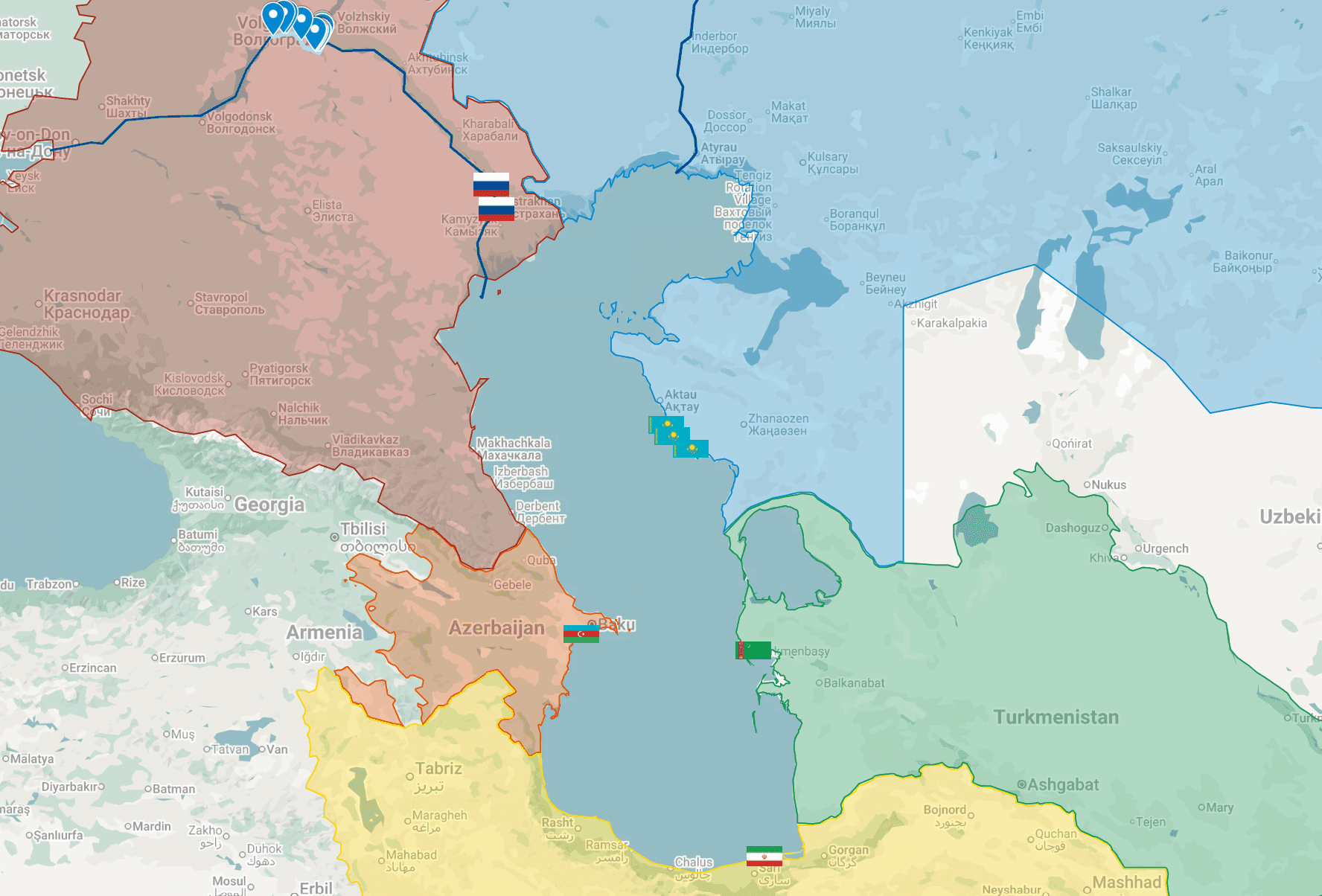
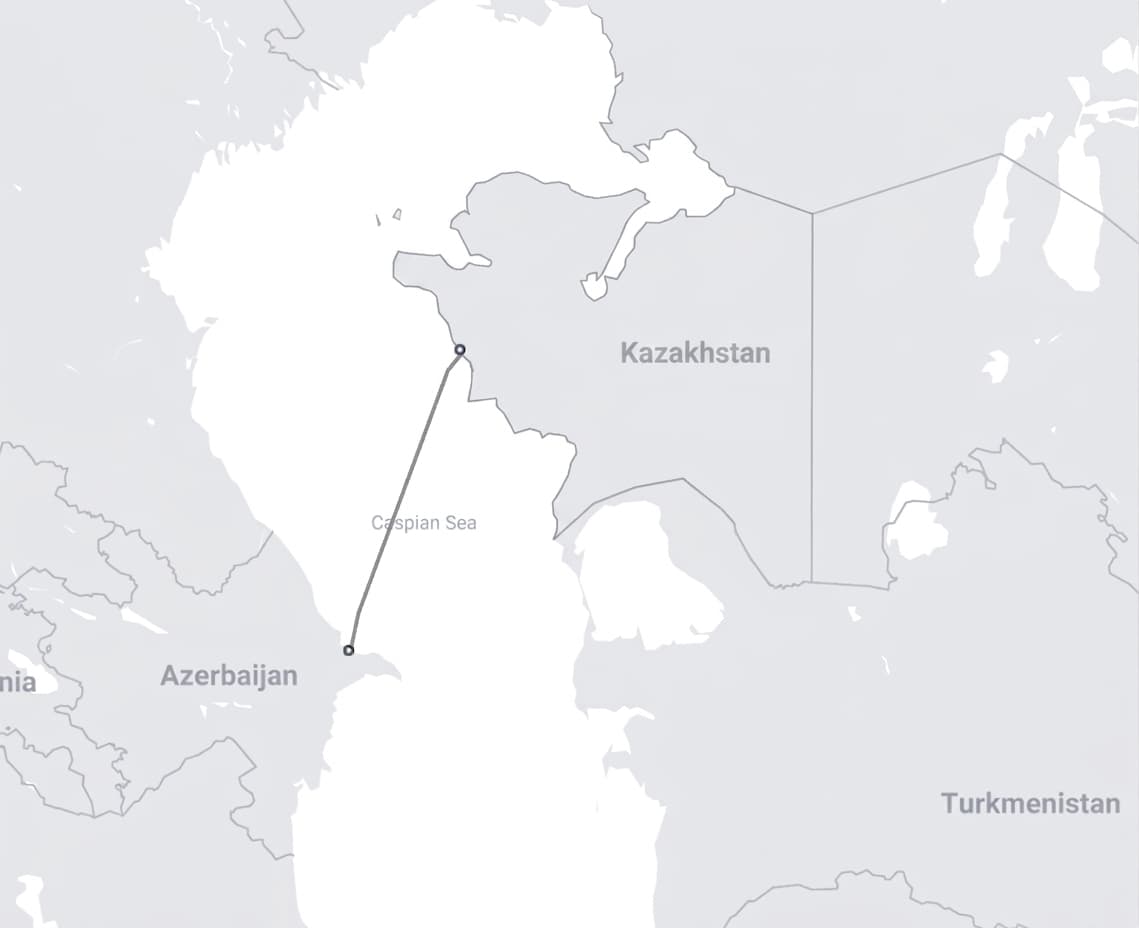
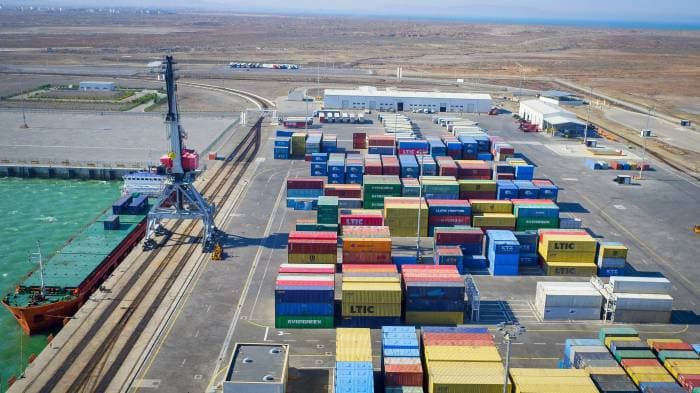
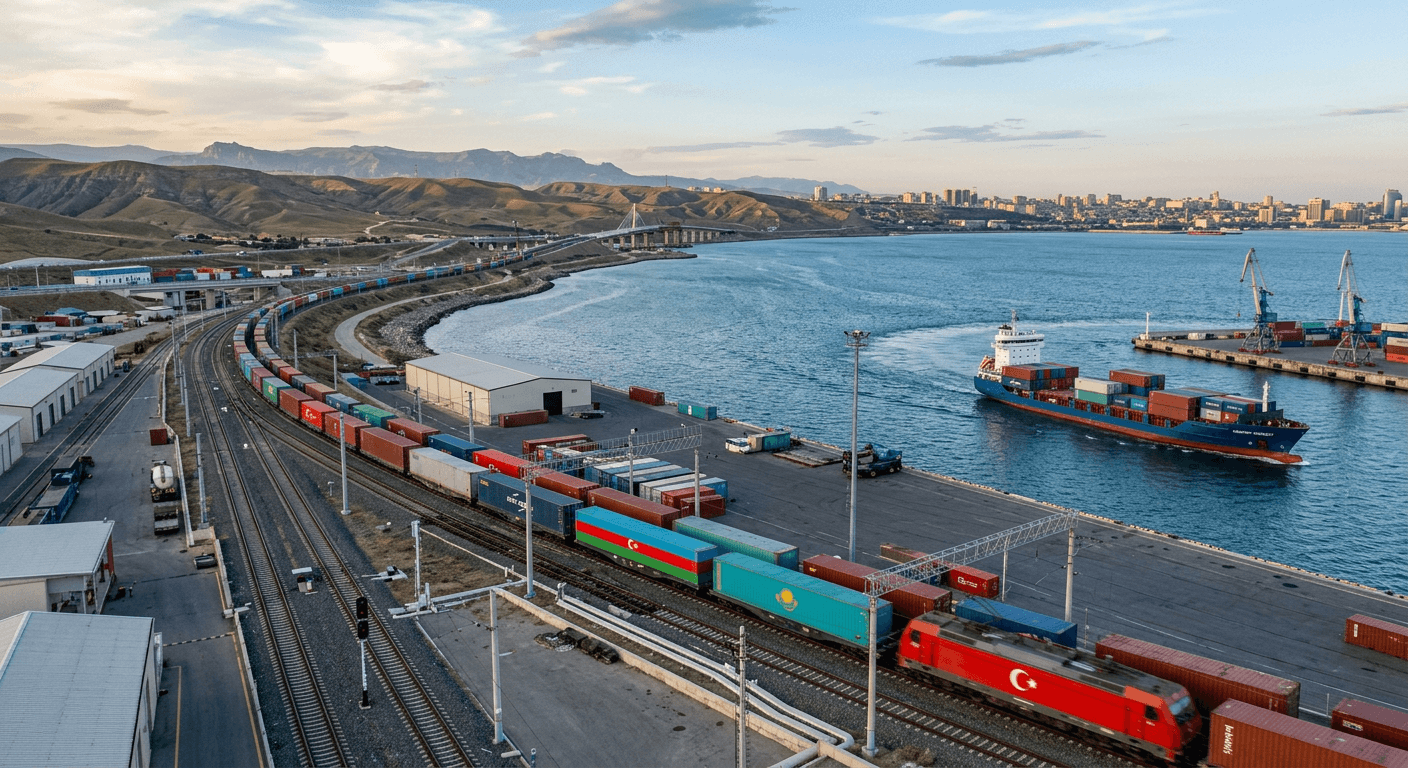
A second area to watch is the emergence of new bilateral and trilateral initiatives. Kazakhstan’s entry creates opportunities for joint projects with Israel, the UAE, and Bahrain, especially in logistics, agricultural technology, cybersecurity, and water management. Given the Middle Corridor’s growing strategic profile, there is potential for Accords members to explore co-financing or co-development of transit, port, or customs-modernization projects that integrate Central Asia more directly into Middle Eastern supply chains. Gulf companies, already very active in Kazakhstan’s energy and transport sectors, may use the Accords framework as a rationale to expand their footprint further.
Kazakhstan will also look to replicate the kinds of benefits experienced by earlier Accords members, though the trajectory is likely to differ in pace and scale. The UAE and Bahrain saw rapid post-normalization gains driven by Israeli private-sector activity and Gulf capital. Since joining the Abraham Accords, Israel-UAE goods trade rapidly increased from $174.4 million in 2020 to $1.2 billion in 2021 and $2.56 billion in 2022. More than 500 Israeli companies now operate in or trade through the Emirates, particularly in fintech, cybersecurity, agriculture, and med-tech, and Emirati sovereign funds have announced high-profile deals, including Mubadala’s roughly $1 billion purchase of a 22% stake in the Tamar gas field. Tourism also surged: by late 2021, more than 250,000 Israelis had visited the UAE, making it one of Israel’s top outbound destinations. Bahrain’s trajectory is more modest in scale but follows the same pattern. Bilateral goods trade rose exponentially from $1.39 million in 2020 to $16.23 million in 2022 and $21.78 million in 2023.
Kazakhstan’s case is structurally different. Unlike the signatories of the Abraham Accords, Astana has maintained diplomatic and economic relations with Israel since 1992, meaning that Accords participation does not remove preexisting barriers or unlock a sudden normalization dividend. As a result, Kazakhstan is unlikely to see a comparable short-term surge in trade or tourism. Instead, the gains will be more incremental—particularly in areas that align closely with Astana’s priorities—where the Accords framework can help scale cooperation that already exists rather than create it from scratch.
A third dynamic to watch is the potential ripple effect across the region. Kazakhstan’s participation is likely to encourage interest from other Muslim-majority states outside the Middle East. Uzbekistan and Azerbaijan already maintain longstanding relationships with Israel and have previously signaled openness to Abraham Accords-related engagement. In 2020, Uzbekistan and the United States announced an expansion of their partnership through Tashkent’s commitment of up to $50 million to the Abraham (Ibrahim) Fund—positioning Uzbekistan as the first Central Asian state to financially support an Accords-linked initiative and underscoring its interest in leveraging the Fund’s project-finance tools for regional development, connectivity, and private-sector investment. More recently, Azerbaijan’s senior presidential adviser Hikmet Hajiyev held extensive talks with Benjamin Netanyahu in Jerusalem in early 2025, which observers described as a potential “game-changing moment” that raised the prospect of future coordination with the Accords.
Kazakhstan’s inclusion, then, could add political momentum. If Astana’s entry is followed—or even loosely echoed—by Tashkent or Baku, the Accords could gradually evolve into a cross-regional framework linking the Middle East, the South Caucasus, and Central Asia. Such an expansion would align with Washington’s broader objectives for the Accords under President Trump’s second term, and with Israel’s efforts to diversify its strategic partnerships beyond its immediate neighborhood.
Finally, the value of Kazakhstan’s membership will hinge on the future of the Accords project itself. If Saudi-Israeli normalization remains stalled due to the Gaza conflict or escalating tensions among Gulf countries, the Accords will not serve as a focal point for regional integration and the outward-looking, multilateral gains Washington hopes for. Conversely, if the Trump administration succeeds in reactivating the economic side of the Accords, Kazakhstan could benefit disproportionately as an early, non-Middle Eastern adopter positioned at the intersection of Eurasian and Middle Eastern supply chains.