The Silk Seven Plus (S7+) Initiative: What to consider
Recent Articles
Author: Ambassador (Ret.) Richard E. Hoagland
04/29/2026
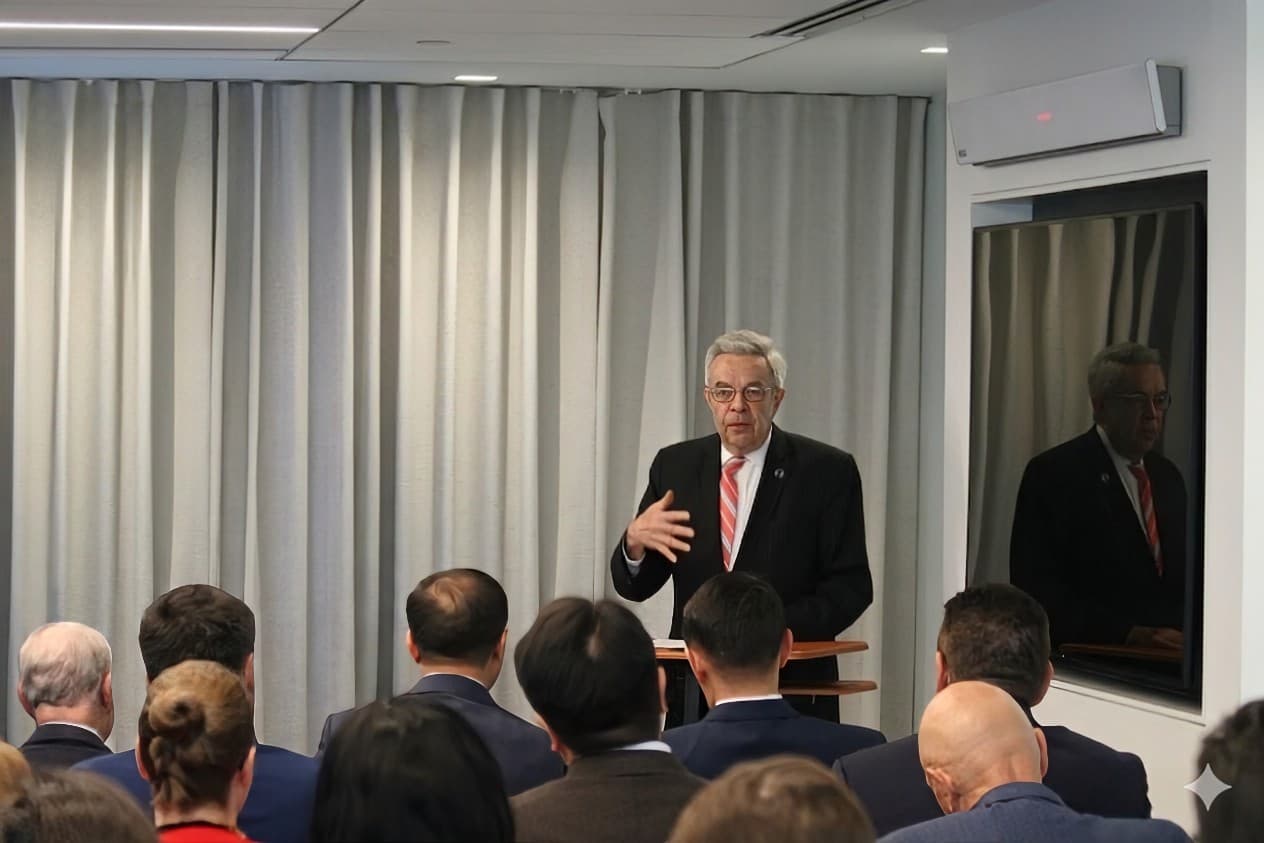
Amb. (ret.) Hoagland presented a version of this article as opening comments at the New Lines Institutes program on April 20, “Launch of the Silk Seven Plus (S7+),” at the Rayburn House Office Building of the U.S. Congress on Capitol Hill in Washington, DC.
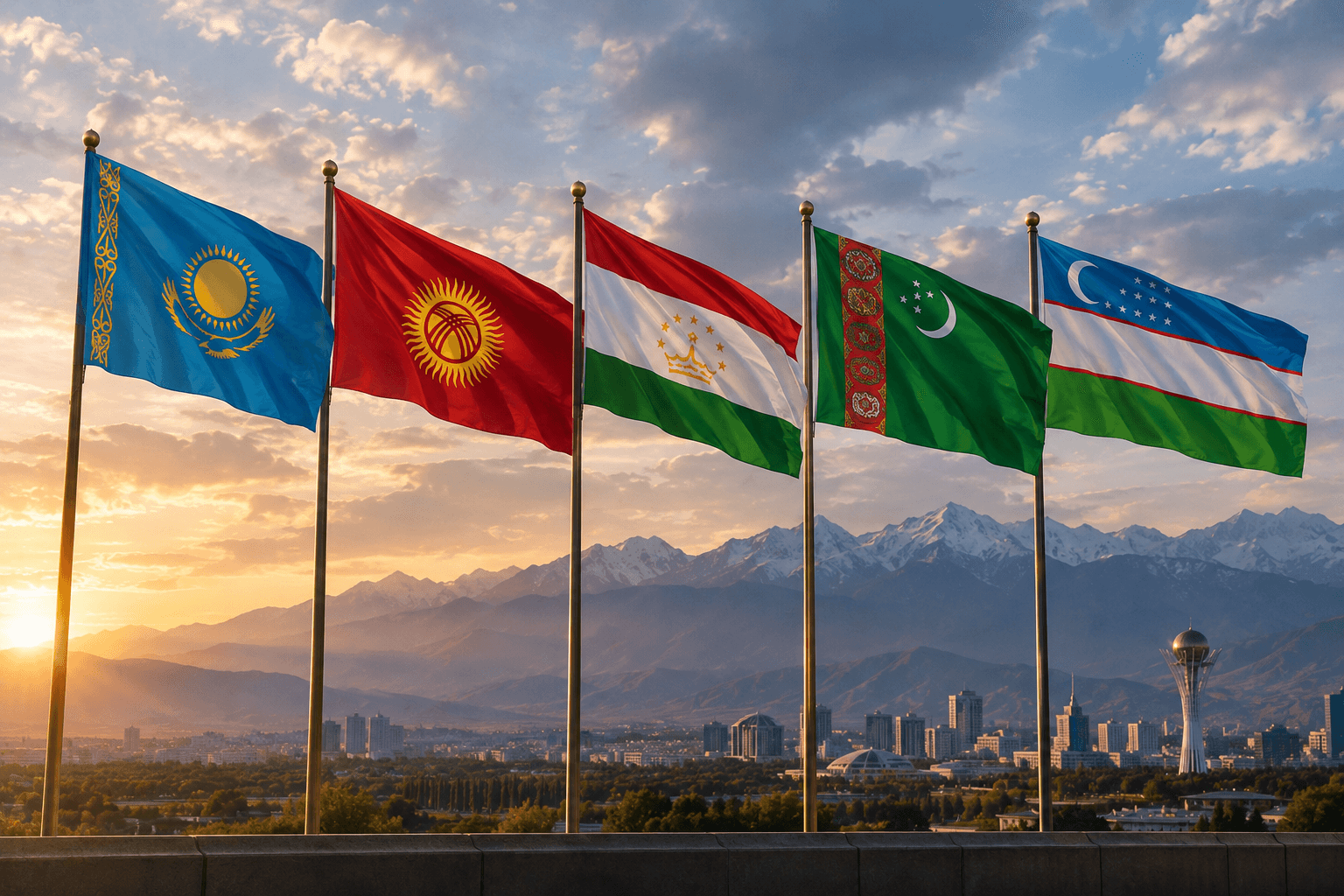
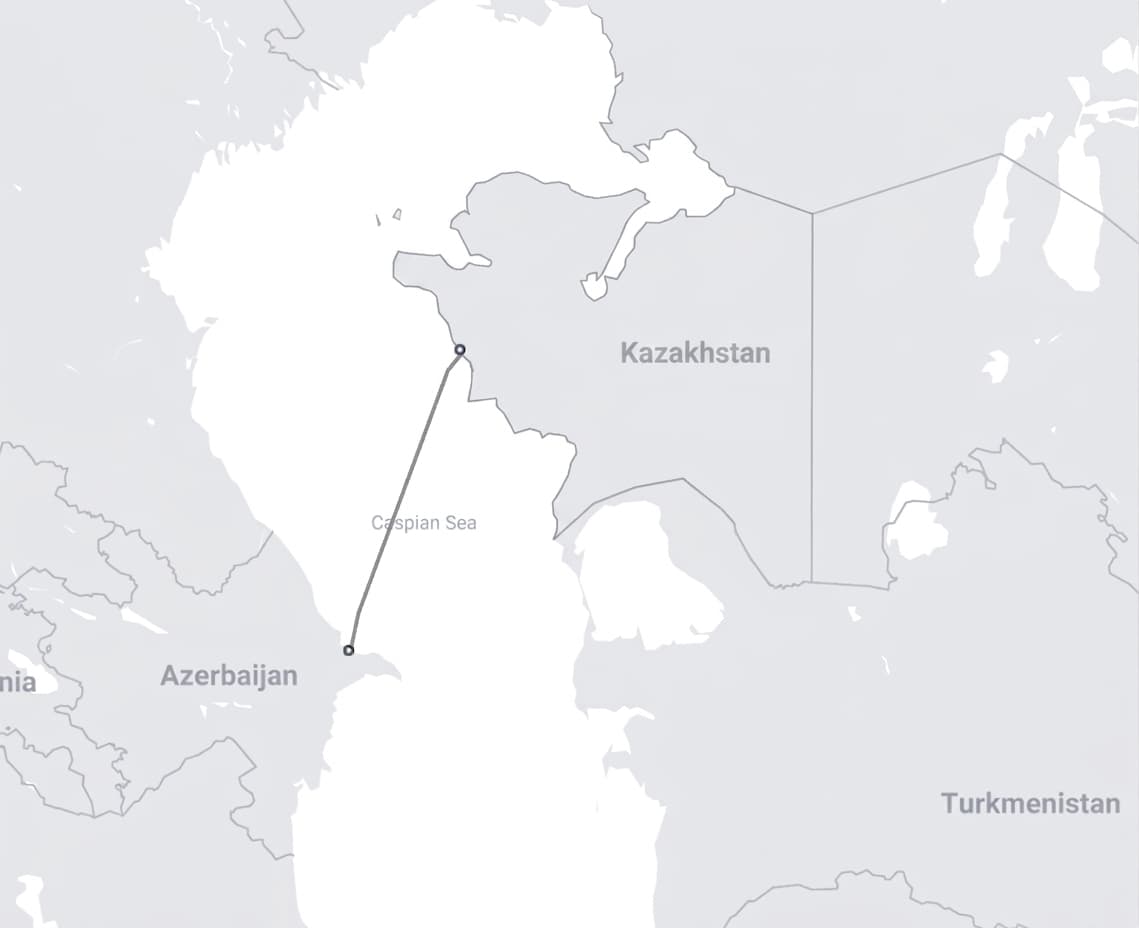
The concept of creating an S7+ group of countries that would cooperate among themselves and facilitate commerce and trade from East Asia to Europe is eminently sensible because it would provide a north-south link for the Central Asia nations to reach the Arabian Sea and onward into the Indian Ocean via the port of Gwadar in Pakistan. Just look at a map and you can see how this would make sense. In fact, it’s interesting to recall that this concept has been considered before.
In the first two decades of this century, U.S. policy makers, especially in the State Department and National Security Council, occasionally toyed with the idea of a North-South trade and transportation route to facilitate the growth of the Central Asian countries and, quietly, to give them an alternative to Russian domination. This became a stronger undercurrent of policy when China’s then President Xi Jinping announced in September 2013 at Nazarbayev University in Astana, Kazakhstan, what was called at that time the New Silk Road Initiative and that eventually became known as an integral part of China’s Belt and Road Initiative. And then in 2021, the Taliban gained full power when U.S. and NATO troops withdrew from Afghanistan. I cite these details because of a fundamental point I’d like to make about international policy: the difference between ideology and reality.
Fort more than three decades, I served as a U.S. diplomat in locations north and south across the Hindu Kush, from Moscow, throughout Central Asia, and three times, once each decade, in Pakistan, including working with the seven officially recognized resistance parties during the Soviet-Afghan War. What I tried to practice during those more than 30 years was a foreign policy grounded in reality. That meant building relationships, both in Washington, and in foreign capitals, where policy makers of influence would listen carefully to each other’s realities in order to propose, and eventually implement, realistic policies grounded in both historic and current reality.
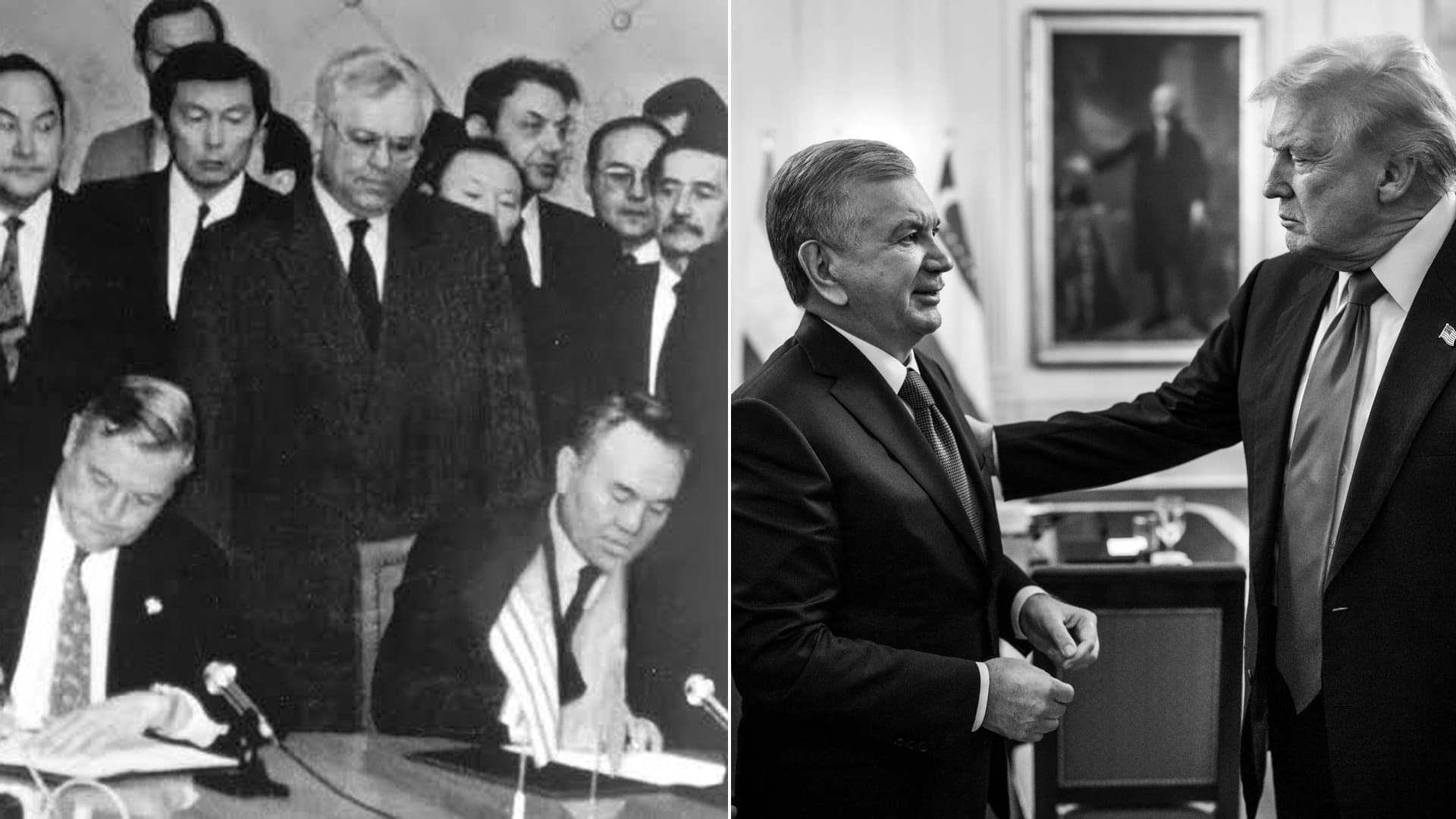
U.S. policy immediately after the fall of the Soviet Union at the end of 1991 and the emergence of the new independent states was colored at first, by a strong ideology that, as Henry Kissinger eventually came to call it, was actually an irrational exuberance. It assumed, through Washington’s rose-colored glasses, that of course the peoples of the former Soviet Union were naturally yearning to breathe free and, with the appropriate assistance, would quickly become free-market democracies. As we now know, it didn’t turn out to be as simple as transitioning from one ideology to another.
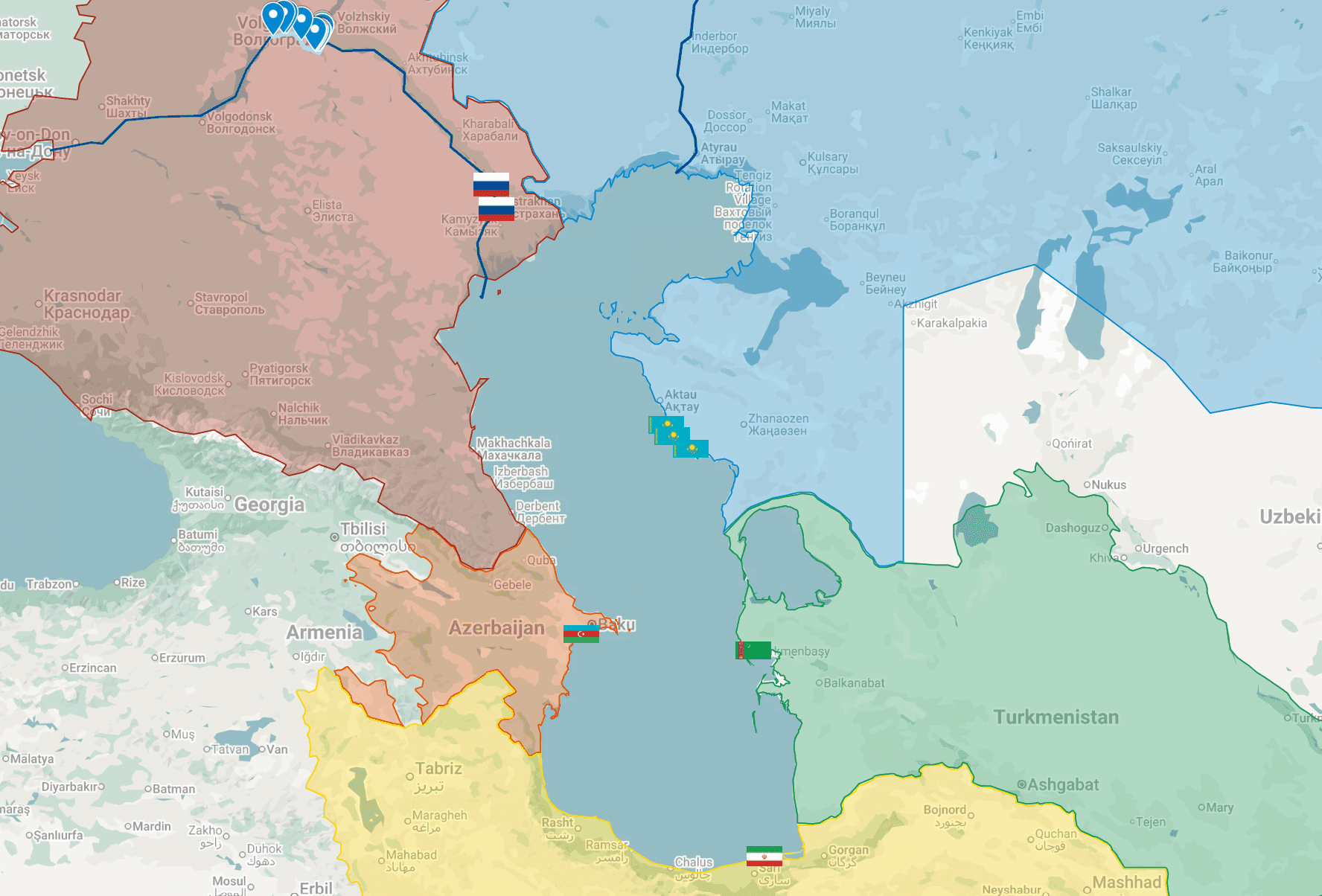
It’s important to remember why that transition to Western standards and values didn’t happen almost immediately. The way that societies in the West instinctively think and organize their governments and their economies developed organically over centuries based on the ideals of the Renaissance, the Reformation, and the 18th-century English Enlightenment. The suddenly independent nations that had once been Soviet Socialist Republics had none of that. They had about 70 years of Soviet rule; before that, depending on their geographic location, at least several hundred years of Tsarist rule that went directly back to Constantinople and Byzantium’s ancient Greek culture. And especially for the Caspian region countries of Azerbaijan and Central Asia, that historic influence also included ancient Turkic, Persian, and nomadic heritages. And so that means that the citizens and governments of the nations that would make up an essential part of the S7+ still, to this very day, intrinsically think and act in ways that are subtly but essentially different from the West. We also need to remember that Pakistan, before its independence, incorporated into its world view a significant degree of Western values because it was part of the British Empire. And that is the basis of why I believe that assuming that the creation of the S7+ will happen any time soon, or at least without a long period of talking it through with the countries involved, is more of an ideology than a reality.
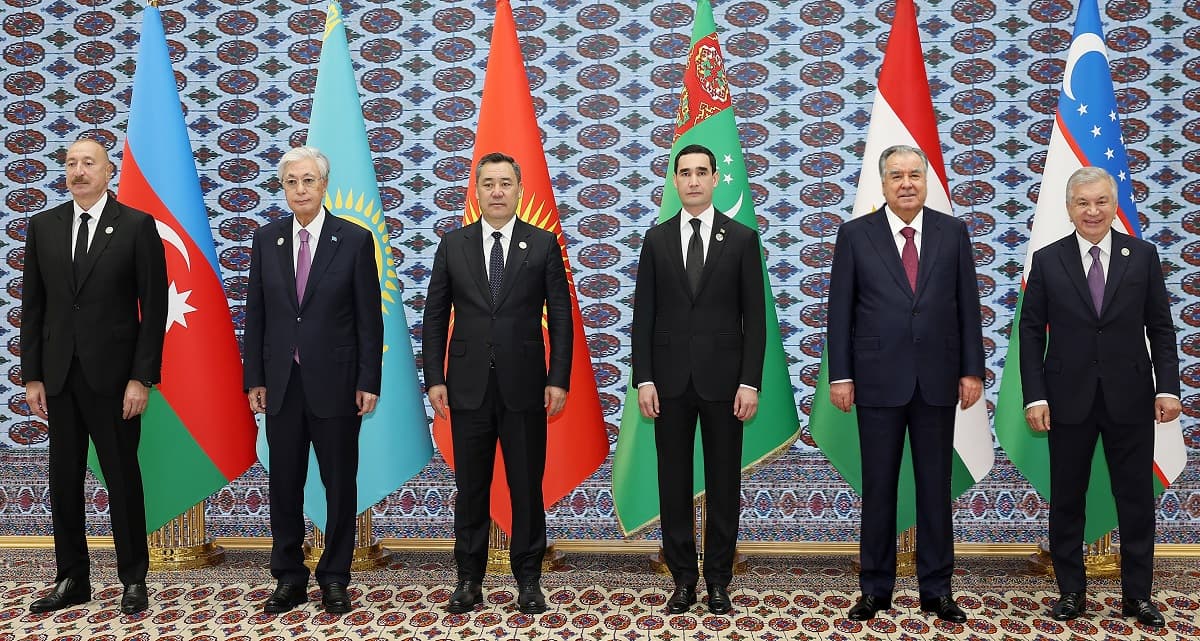
Let’s look briefly at some of the barriers other than simply historical or purely ideological. First, the five countries of Central Asia known as the C5, that have now included Azerbaijan to form the C6, have for at least a decade toyed with the idea of forming an international organization that would be somewhat akin to ASEAN in East Asia or the Baltic Council in Northeastern Europe. But that hasn’t yet happened yet, in part because the countries themselves, to varying degrees, aren’t yet fully ready to take this historic step. Second, China would certainly oppose such a development. Further, in Afghanistan, the Taliban themselves would most surely be uncomfortable to the point of resistance with such an international project that would bring much more foreign influence and on-the-ground foreign presence into Afghanistan. And without the full participation of Afghanistan, the S7+ will not exist.
And so, you might ask, do I oppose the concept of the S7+? Certainly not. It’s a worthy and highly logical concept. But let’s remember that essential change and important developments cannot occur without the implementation of policies firmly grounded in historic and current realities. Yes, indeed, push forward with the S7+. But when doing so, it’s essential to understand that currently there are strong barriers that must be overcome. In the end, history always, always develops at its own pace. And that pace can, sometimes, be agonizingly slow – or, sometimes, can be shockingly fast.
In the real world, reality inevitably influences ideology. But also, over time, ideology can shape reality.