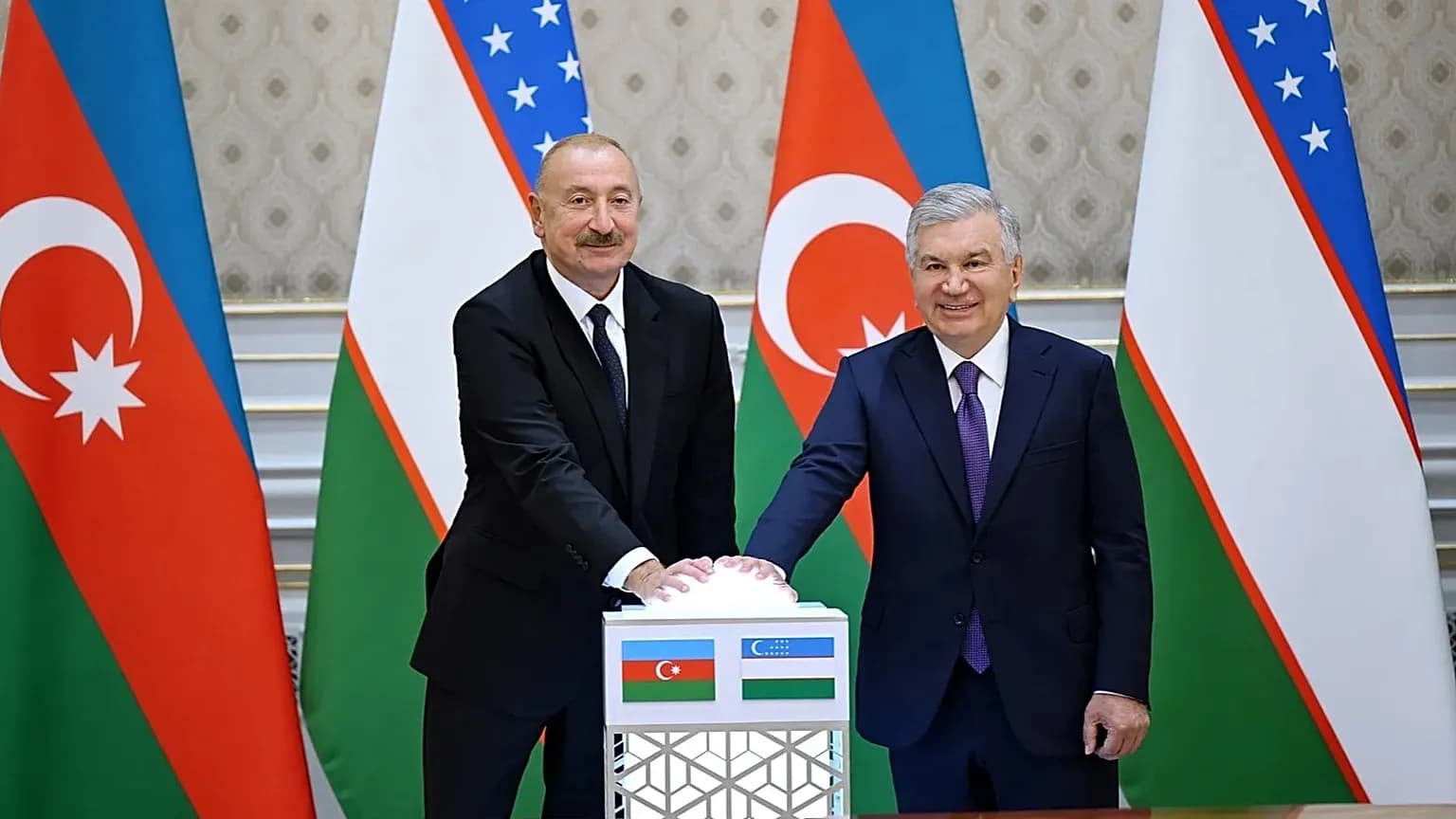
Headlines from the Caspian: April 6, 2026
Recent Articles
Author: Caspian Policy Center
04/06/2026
Energy and Economy
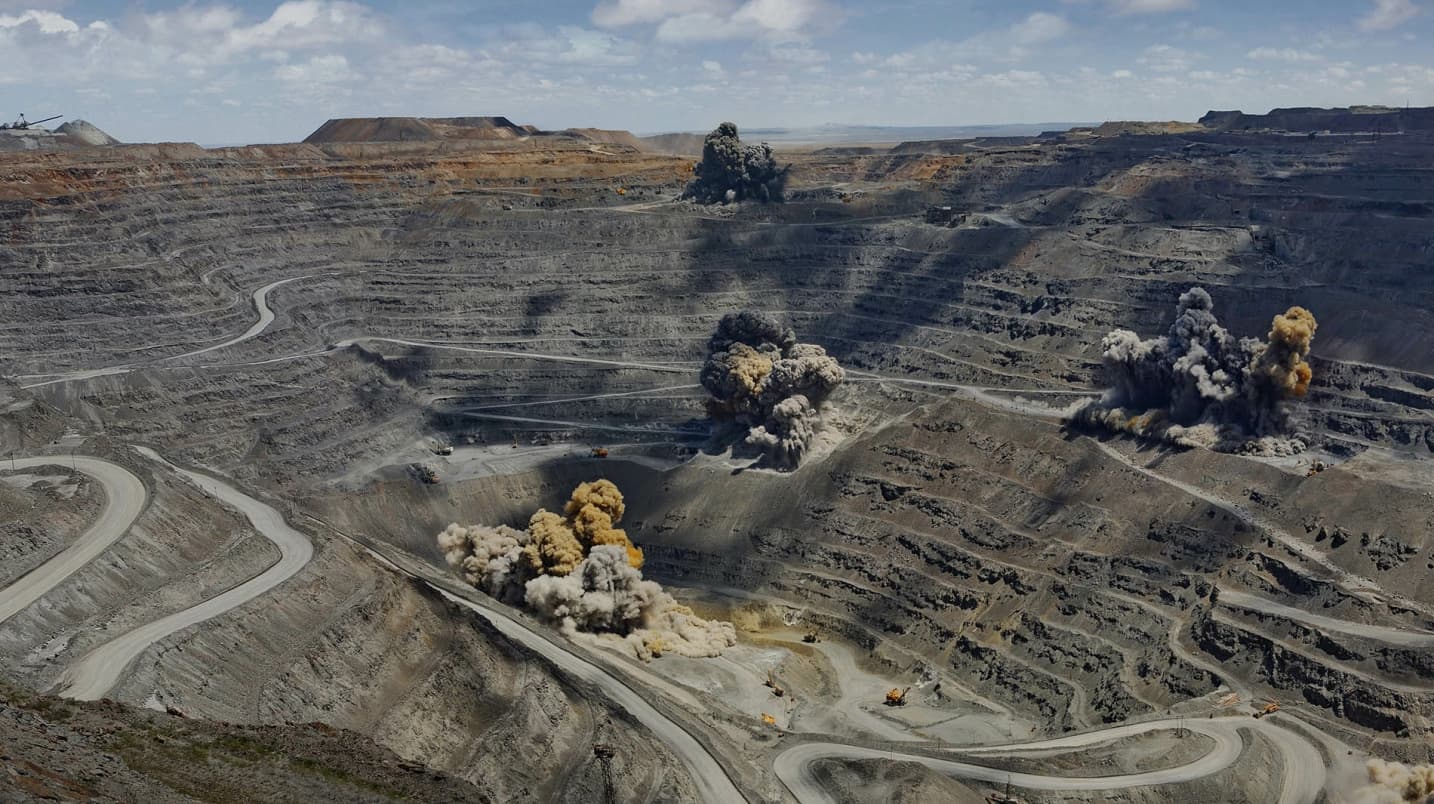
Uzbekistan Identifies Mineral Deposits Worth $3 trillion
Uzbekistan has announced that it has identified more than 2,500 mineral deposits with an estimated value nearing $3 trillion, marking a major expansion of its resource base under President Shavkat Mirziyoyev. Backed by reforms, foreign investment, and technological upgrades, the sector is rapidly scaling up, with dozens of large projects underway and plans to significantly boost output of gold, copper, and uranium by 2030. The announcement underscores Uzbekistan’s ambition to transform its vast mineral wealth into a key driver of industrial growth, exports, and job creation. Currently, 90 projects worth $30.7billion are under implementation.
Source: Daryo
Kazakhstan Announces the Discovery of a Major Hydrocarbon Field
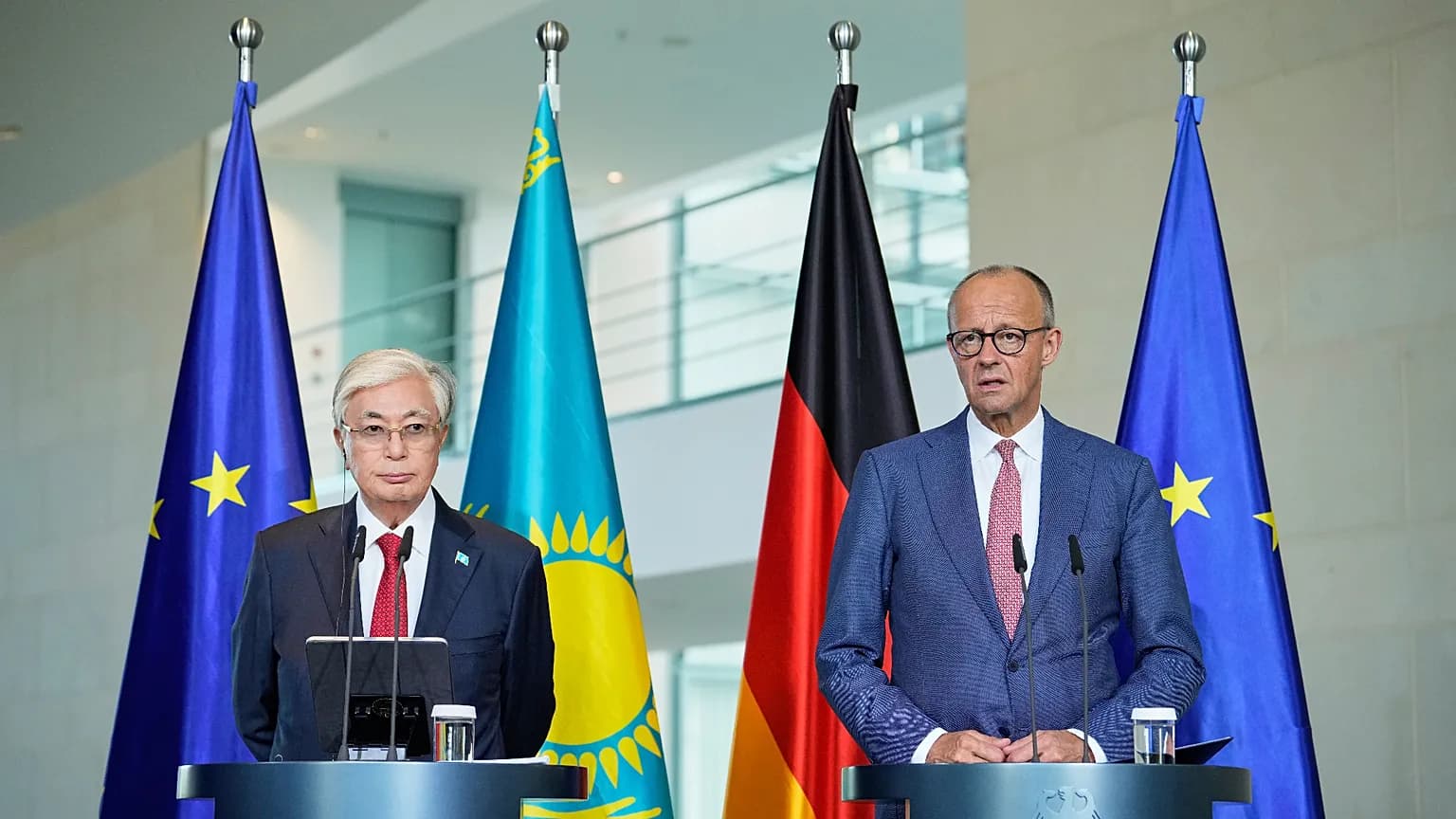
Kazakhstan has announced the discovery of a major hydrocarbon field in the Atyrau Region, with estimated resources that could rival those of the Kashagan oil field - one of the largest oil finds in recent decades. Located on the onshore Zhylyoi Platform near the Caspian coast, the site offers the advantage of potentially lower development costs, though extraction may be complicated by extreme depths of up to 9 kilometers and the presence of hydrogen sulfide. Early estimates point to significant geological potential up to 20 billion tons and recourse potential comprising 4.7 billion tons. But commercial viability remains uncertain as exploration continues under KazMunayGas in partnership with firms such as Tatneft. The discovery comes at a critical moment, as Kazakhstan seeks to sustain oil output and attract investment amid maturing fields, while mindful of the technical challenges and delays that have historically accompanied large-scale projects like Kashagan.
Source: The Times of Central Asia
Kyrgyzstan Starts Printing its National Currency Domestically
Kyrgyzstan has, for the first time in its history, begun printing its national currency domestically, President Sadyr Japarov announced, marking a significant step toward economic self-sufficiency. Previously reliant on foreign production, the country now meets international standards and has the capacity not only to supply its own banknotes but also to accept orders from other states. Alongside currency printing, Kyrgyzstan has developed advanced capabilities in producing secure national documents, positioning itself as a competitive provider of high-security printing services in the region.
Source: 24.kg
Croatia Signs First Ever Contract to Explore Oil Field in Kazakhstan
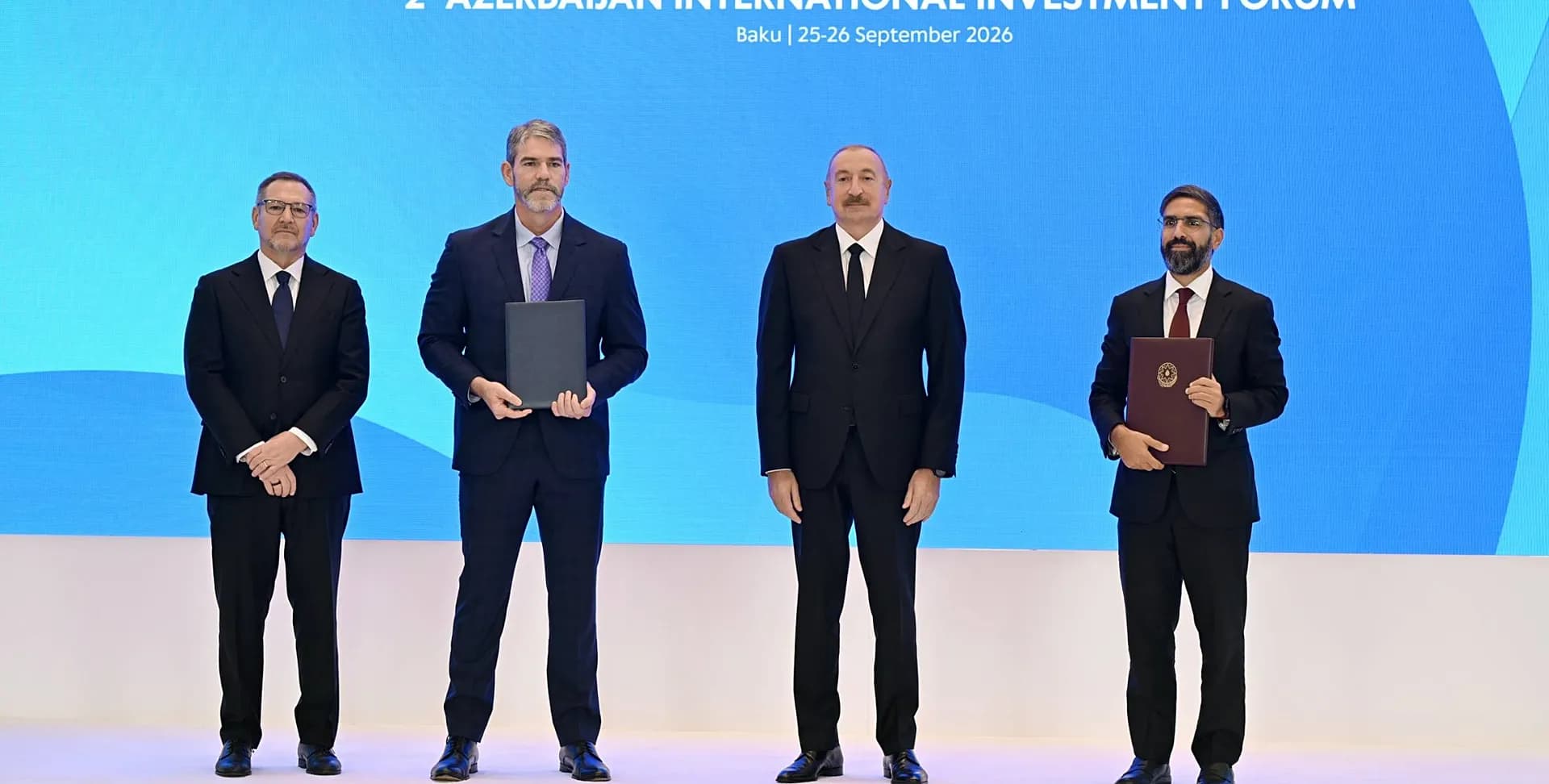
Croatia’s Geoenergija Razvoj, a subsidiary of the Croatian Hydrocarbon Agency, signed a deal with KazMunayGas and Kazakhstan’s energy ministry to explore and develop production of the Shygys fields in Aktobe. After feasibility tests proved promising, the parties concluded the agreement at the Geoscience & Exploration Central Asia International Forum, marking the first time a Croatian enterprise has financed an oil or gas project in Kazakhstan. Geoenergija Razvoj will cover the full cost of the exploration phase.
Source: Qazinform
bp Returns to Kazakhstan with New Exploration Deal
On April 9, bp and Kazakhstan’s state energy company KazMunayGaz agreed on joint exploration of the block in the Ustyurt Plateau in Kazakhstan's Mangistau region. bp’s return, through its subsidiary bp Exploration Operating Company, will involve initially appraising and exploring the acreage together with KazMunayGaz, before proceeding into development in the event of commercial discovery. “This renewed partnership opens new opportunities for jointly implementing promising exploration initiatives aimed at strengthening Kazakhstan's resource base,” KazMunayGaz said in a statement. The Ustyurt Plateau is a desert area spanning southwest Kazakhstan and northwest Uzbekistan that is widely believed to contain commercial oil and gas resources.
Source: Upstream Online
U.S. Has Prolonged Authorization for Russian Oil Shipments to Pass Through Kazakhstan Until 2027.
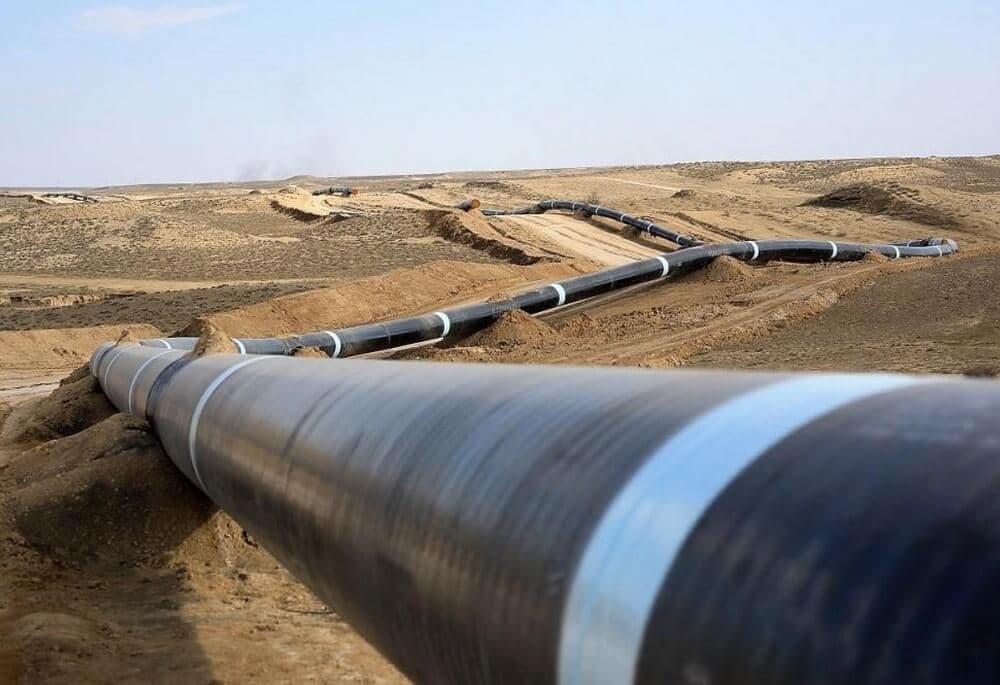
The United States has extended a sanctions exemption allowing Russian oil to transit to China through Kazakhstan until March 2027, providing crucial regulatory certainty for ongoing energy flows. The decision that was made in coordination with the Office of Foreign Assets Control ensures that shipments can continue under existing agreements, with transit managed by KazTransOil in partnership with Rosneft. The extension helps ease earlier concerns over potential secondary sanctions that could have disrupted supplies or forced costly rerouting, while also supporting ongoing discussions to expand volumes. Strategically, the move reinforces Kazakhstan’s role as a key transit corridor between Russia and China, even as it navigates the complexities of sanctions compliance and regional energy cooperation.
Source: Daryo
Eight OPEC+ Countries Agree to Increase Oil Production
On April 5, eight countries in the Organization of the Petroleum Exporting Countries Plus (OPEC+) bloc, including Saudi Arabia, Russia, Iraq, UAE, Kuwait, Kazakhstan, Algeria, and Oman, agreed to increase their oil production by 206,000 barrels per day (bpd) in May, compared to April levels. This decision comes at a time when oil prices remain elevated due to the conflict in the Middle East. During the meeting, the OPEC+ countries stressed the importance of safeguarding international maritime routes to ensure the free flow of energy supplies and expressed concern over attacks on energy infrastructure, which harmed the overall oil supply availability.
Sources: Reuters, Vestnik Kavkaza
Politics and Security
China-mediated Peace Talks Progress Between Pakistan and Afghanistan
China’s Foreign Ministry confirmed that consultations and negotiations have advanced between Islamabad and Kabul to reach and end to their conflict. Beijing has led talks between the two parties, with the latest round occurring in Urumqi, China, on April 1. Since late February, conflict between Pakistan and Afghanistan has escalated with persistent cross-border attacks and bombings of population centers.
Source: Associated Press
President Aliyev Hosts Turkic State Leaders in Baku
President of Azerbaijan Ilham Aliyev met with leaders of the Organization of Turkic States in Baku on April 2 to discuss cooperation and unity among member states. He emphasized the importance of dialogue and strengthening economic ties within the group, noting that Azerbaijan has invested more than $20 billion in the economies of OTS member states. Aliyev also highlighted ongoing efforts to expand regional connectivity as progress on the TRIPP corridor continues.
Source: The Times of Central Asia
Turkmenistan and Philippines Discuss Possibility of C5-ASEAN Platform
Recent talks in Tokyo between Turkmenistan’s Ambassador to the Philippines Atadurdy Bayramov and Philippine Ambassador to Japan Mylene J. Garcia-Albano covered the possibility of developing a new dialogue between the C5 and the Association of Southeast Asian Nations (ASEAN). The two parties discussed how to improve multilateral cooperation between Central Asia and Southeast Asia, in order to improve connectivity, expand energy sources, and diversify trade. The Philippines is set to receive chairmanship of ASEAN in October of this year.
Source: Trend, Turkmenistan News Portal
Aliyev Visits Georgia to Discuss Regional Security and Peace
On April 6, President of Azerbaijan conducted a state visit to Georgia, where he met with President Mikheil Kavelashvili and Prime Minister Irakli Kobakhidze. The talks were held in both narrow and extended formats, focused on deepening the strategic partnership between the two countries and expanding cooperation across various fields. emphasizing their longstanding friendship, mutual support for sovereignty, and expanding economic cooperation. He highlighted growing trade and investment ties, as well as the two countries’ critical role in regional energy and transport connectivity. Aliyev underscored the emergence of a more stable and cooperative South Caucasus, noting Georgia’s important role in fostering peace and facilitating regional trade, including between Azerbaijan and Armenia. Kobakhidze highlighted the strong mutual support for sovereignty and steadily expanding economic and political cooperation. Key projects such as the Baku-Tbilisi-Ceyhan pipeline, the Southern Gas Corridor and the Baku-Tbilisi-Kars railway were highlighted as essential components of regional connectivity. Both sides also pointed to the growing importance of the so-called Middle Corridor, linking Asia and Europe through the South Caucasus. According to statements made during the visit, Azerbaijani investments in Georgia have reached approximately $3.6 billion.
Sources: President of the Republic of Azerbaijan, Prime Minister of Georgia, ANewZ
President Pashinyan Meets with Vladimir Putin in Moscow
Armenia’s President Nikol Pashinyan met with Russian President Vladimir Putin in Moscow to discuss relations and cooperation, as well as Armenia’s ties with the European Union and the United States. Pashinyan described the talks as “very successful,” but tensions remained over Armenia’s shifting alliances and economic ties. Putin warned that Armenia cannot fully align with both the European Union and the Russia-led Eurasian Economic Union at the same time.
Source: OC Media, Eurasianet