US confirms Iran sanctions waiver for Azerbaijan natural gas pipeline to Turkey, Europe
Recent Articles


Author: Caspian Policy Center
08/08/2018 · 3 min read
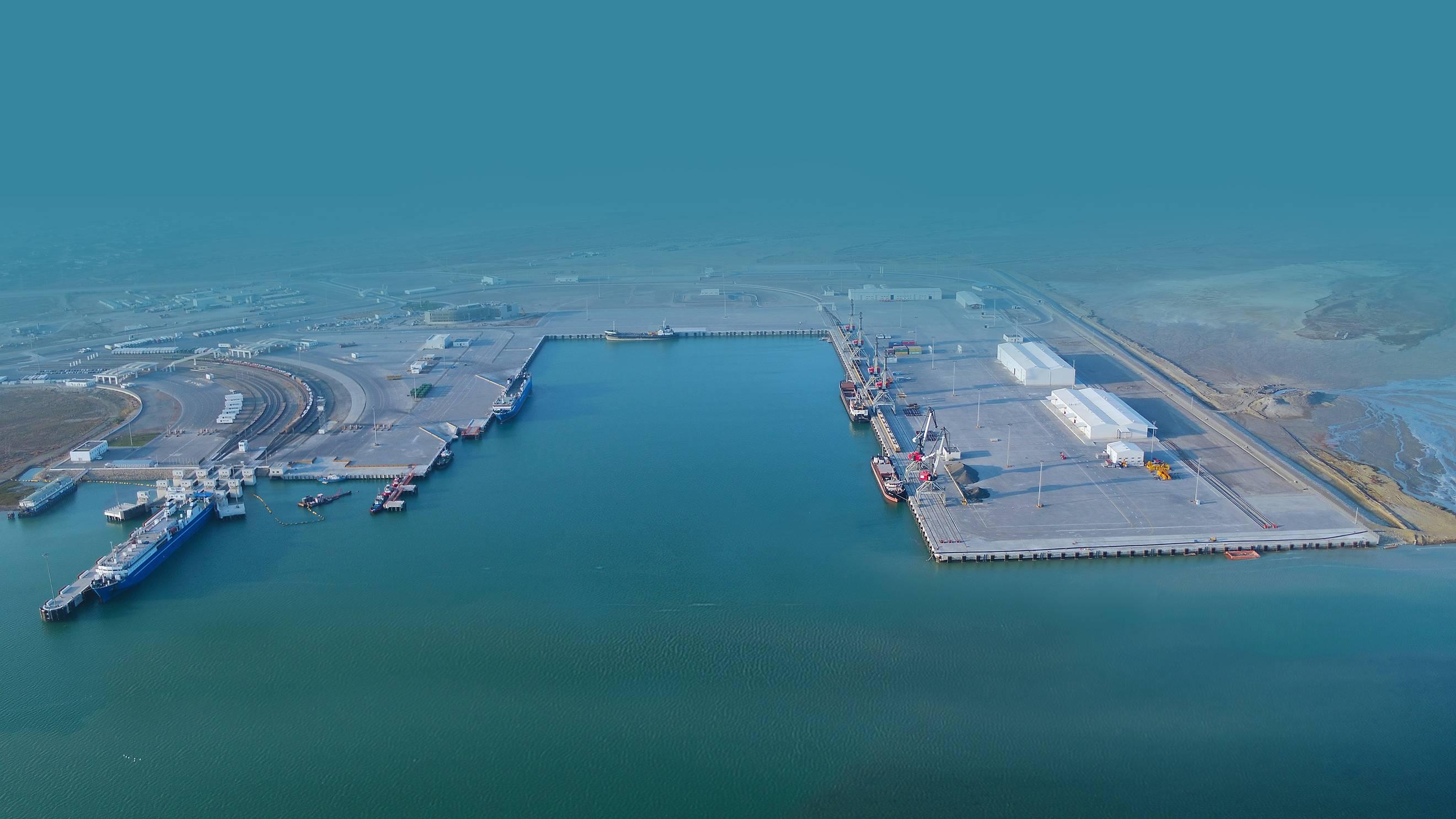
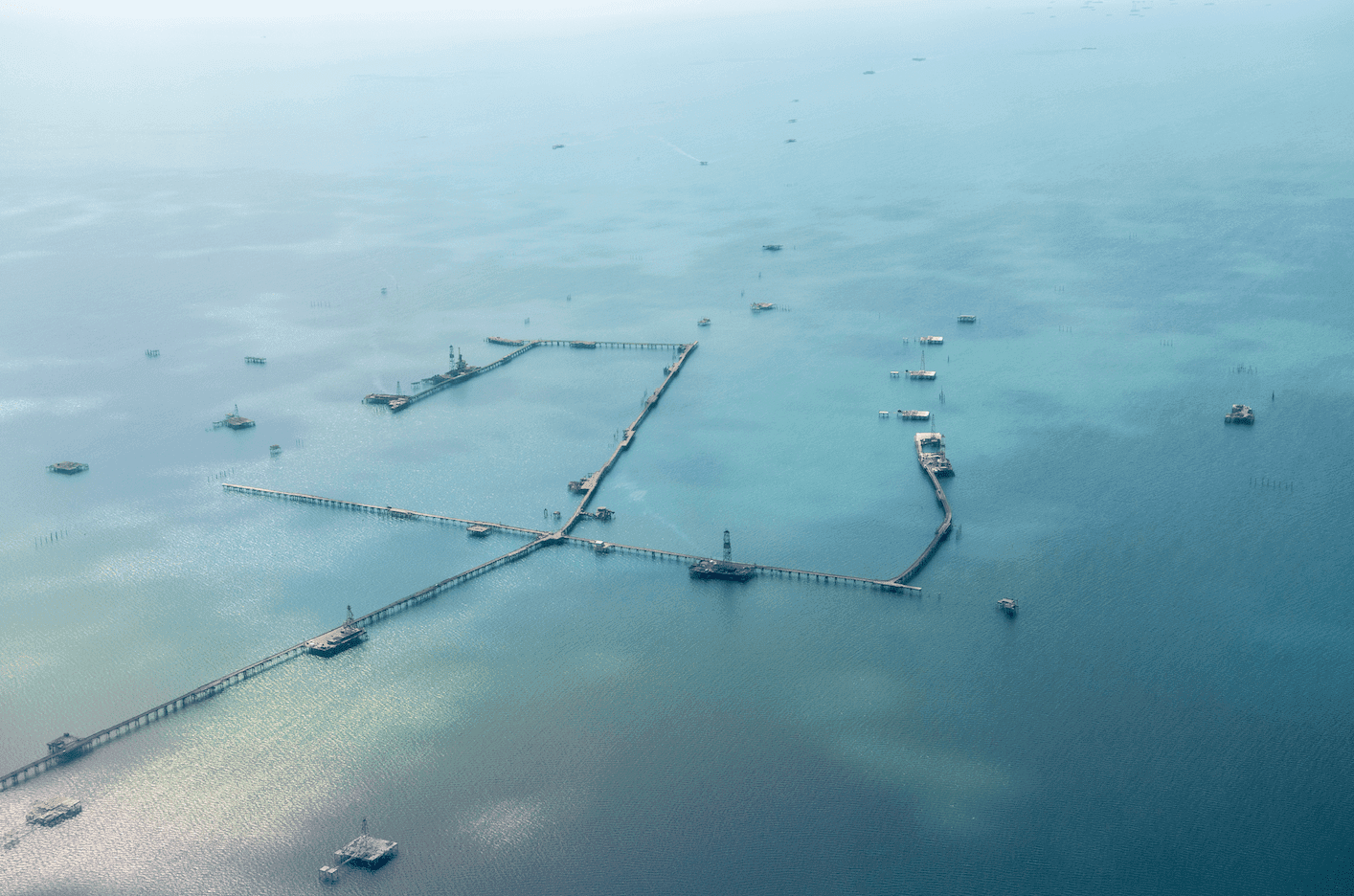
The Southern Gas Corridor has received a waiver from US sanctions against Iran's energy customers, an expected win for the project, designed to transport 16 Bcm/year of Caspian natural gas to Turkey and southern Europe while bypassing Russia. The language appeared in an executive order that President Donald Trump signed Monday. BP had been seeking a sanctions waiver for its development of Azerbaijan's offshore Shah Deniz fields, the source of the Southern Gas Corridor's natural gas. Iran's NICO holds a 10% share in the second phase of Shah Deniz, potentially triggering US sanctions against Iran petroleum sector investment. US energy sector sanctions being re-imposed November 4 will ban companies from the US financial system if they continue to do business with Iran. Countries that depend on Iranian oil imports are continuing to press the US government for waivers. Trump's Monday order did not bring the same clarity for BP's request for a sanctions waiver for its Rhum natural gas field in the North Sea, which shares ownership with the National Iranian Oil Company. BP's agreement last year to sell the field to Serica Energy was contingent on receiving a US exemption from Iran sanctions. A White House spokesman did not respond to a request for comment on the Rhum field. The order did not appear to settle a big question the oil market watchers have had since Trump announced in May that he would reimpose Iran sanctions: whether the ban on crude oil deals with Iran includes condensates. The White House order said in a list of definitions that "petroleum products" included "miscellaneous products obtained from the processing of: crude oil (including lease condensate), natural gas, and other hydrocarbon compounds." A former State Department sanctions adviser said the administration was likely looking to maintain flexibility on the status of condensates under the sanctions. Trump's order contained a "natural gas project exception" that describes the Southern Gas Corridor without naming it. The order referenced the Iran Threat Reduction and Syria Human Rights Act of 2012, a US law that describes an exemption for "the development of natural gas and the construction and operation of a pipeline to transport natural gas from Azerbaijan to Turkey and Europe." The law says the corridor "provides to Turkey and countries in Europe energy security and energy independence" from Russia. US sanctions against Iran's oil buyers are expected to remove up to 1 million b/d from global oil supply. The US government is pushing countries to cut Iranian oil imports to zero, but officials have conceded that some limited waivers may be granted. Additionally, major customers, such as China and India, are expected to find ways to continue deals despite the sanctions. "Our goal is to get the import of Iranian oil to zero," a senior US administration official said Monday. "We are not looking to grant exemptions or waivers, but are glad to discuss requests and look at requests on a case-by-case basis." Source: spglobal.com