Headlines from the Caspian: February 17, 2026
Author: Caspian Policy Center
02/17/2026
Energy and Economy
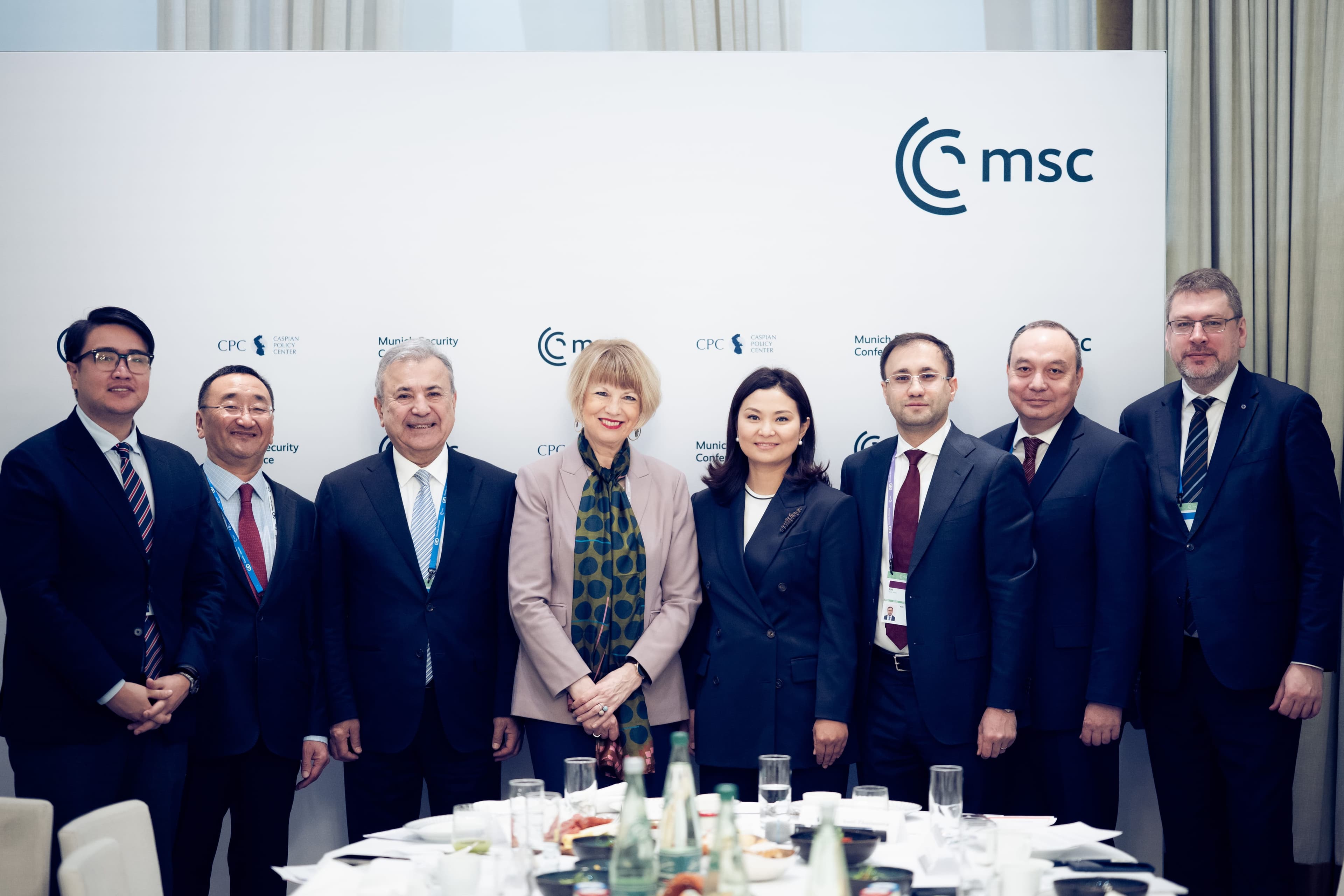
CPC Hosts an Event on Caspian Middle Corridor at the Munich Security Conference
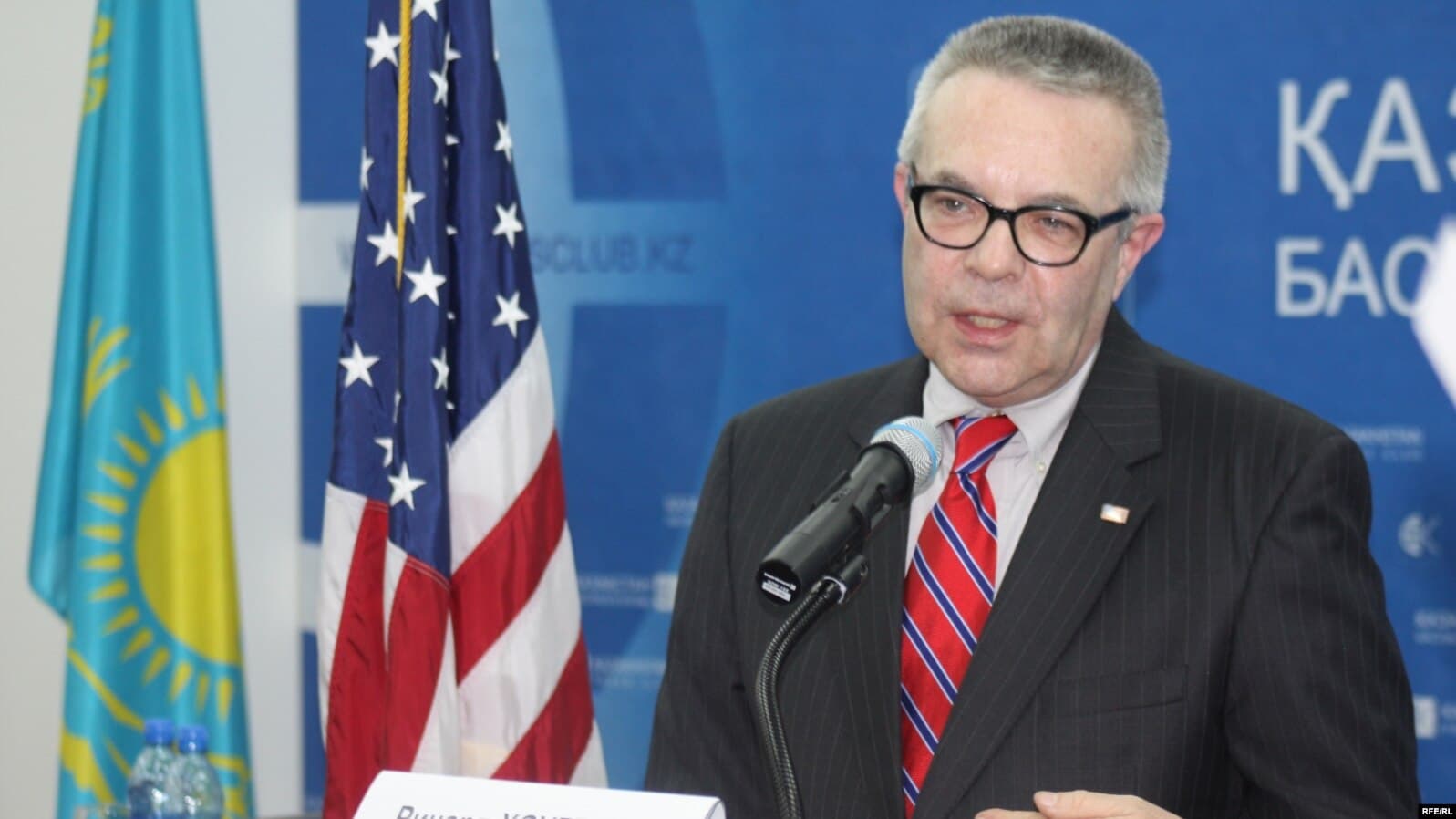
On February 15, Caspian Policy Center (CPC) co-hosted an event titled “The Golden Mean? Connectivity, Security, and the Caspian Middle Corridor” on the sidelines of the Munich Security Conference. The discussion, moderated by CPC CEO Efgan Nifti and CFive Chairman Iskander Akylbayev, focused on the Middle Corridor’s evolution from a regional initiative to a strategic artery of Eurasian connectivity. Featured speakers included Assel Zhanassova, Deputy Head of Kazakhstan’s Presidential Administration, and Sodiq Safoyev, First Deputy Chairman of the Senate of Uzbekistan's Parliament.
Source: Caspian Policy Center
Astana Hosts ALEM Tech Fest
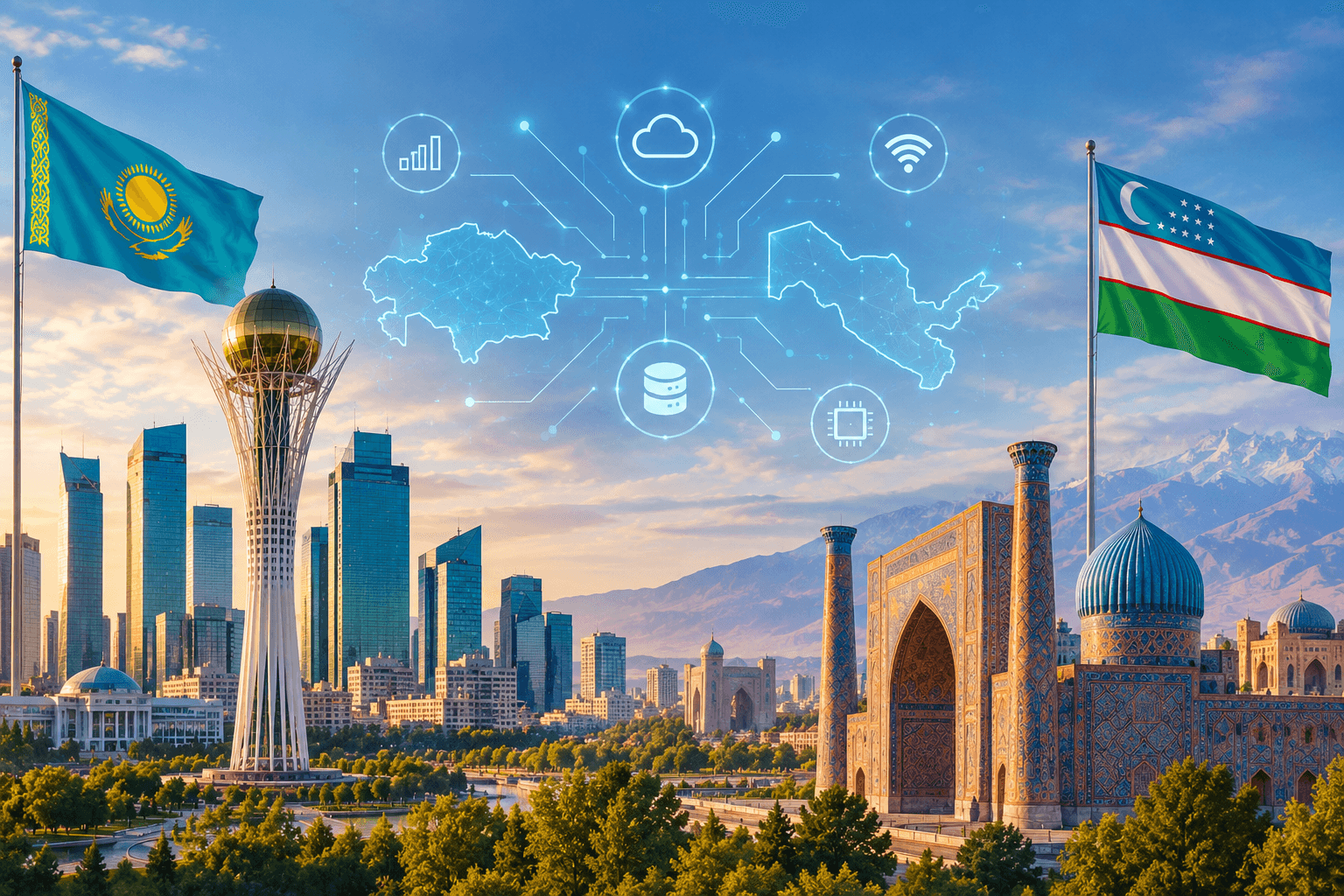
As part of Kazakhstan’s Year of Digitalization and Artificial Intelligence, Astana hosted the ALEM Tech Fest February 11–13. The festival focused on the development of artificial intelligence (AI), robotics, and engineering, attracting teams from Kyrgyzstan, Turkmenistan, Uzbekistan, and Estonia to compete in robotics, drone, and AI competitions. The event also featured educational programs and technology showcases, supporting the country’s goal of developing digital skills among youth.
Sources: Astana Times, EL.KZ
Chevron Fund to Invest $23.5 Million in Kazakhstan’s Ferroalloy Project
The Chevron Direct Investment Fund has signed a $23.5 million investment agreement with Mineral Product International LLP. This agreement will finance the construction of a ferroalloy plant in the Pavlodar region in Kazakhstan. Once constructed, the plant will produce 80,000 tonnes of FeSi-75 ferrosilicon each year. The construction is estimated to create more than 500 jobs.
Source: Interfax
Air Astana Completes Largest Order in Airline’s History with Airbus
Air Astana JSC, which also owns subsidiary FlyArystan, approved a major acquisition of 25 Airbus A320neo family aircraft—five A320neo aircraft and twenty A321neo models. The deal with Airbus was signed on February 9, with deliveries scheduled for 2031–2034. The deal also includes options for 25 additional aircraft, marking a major fleet expansion.
Source: Air Astana, Interfax
Politics and Security
Vance Inks Nuclear Deal with Pashinyan in Yerevan
For the first leg of his visit to the South Caucasus, U.S. Vice President JD Vance arrived in Yerevan on February 9. There, Vance and Armenia’s Prime Minister Nikol Pashinyan signed a 123 Nuclear Agreement that would allow the United States to export up to $5 billion in initial nuclear exports, followed by $4 billion in maintenance and fuel. Vance also announced the sale of $11 million worth of surveillance drones, along with export licenses to sell high-powered Nvidia chips to Armenia. Towards the end of his speech, Vance proclaimed his support for Pashinyan as Armenia’s parliamentary elections are set for June 2026.
Source: DW
Vance Signs Strategic Partnership with Aliyev in Baku
After his visit to Yerevan, U.S. Vice President JD Vance met with Azerbaijan’s President Ilham Aliyev in Baku on February 10, where the two signed a strategic partnership. This partnership aims to elevate U.S.-Azerbaijan relations with an emphasis on energy, connectivity, security, and technology. Specifically, the agreement included a commitment to civil nuclear cooperation, new digital and AI projects, and continued cooperation on counterterrorism. Both Aliyev and Vance also stressed the importance of the Trump Route for International Peace and Prosperity (TRIPP) in supporting cooperation between Armenia and Azerbaijan and promoting regional connectivity.
Source: Euronews, U.S. Embassy in Azerbaijan
European Union Sanctions Package Includes Kyrgyz Banks
The draft of the EU’s latest sanctions package reportedly will target two Kyrgyz banks, Keremet and OJSC Capital Bank of Central Asia, for facilitating sanctions evasion by providing “crypto-asset services” to Russia. The draft was presented to EU countries on February 9, and Brussels seeks to approve and enact the sanctions by February 24, which marks the fourth anniversary of the Russia-Ukraine War. The sanctions package draft also confirms reports from late January that cited the EU would potentially ban sales of radio equipment and machine tools from Kyrgyzstan, due to concerns over dual-use technology.
Sources: Reuters, Anewz, Yahoo, The Moscow Times
Tashiev Dismissed as Kyrgyzstan National Security Chief
Kyrgyzstan President Sadyr Japarov dismissed national security chief and close confidant, Kamchybek Tashiev. Presidential Press Secretary Askat Alagozov stated that the decision was taken “in the interests of the state” to prevent fragmentation within society. A possible contributing factor to Tashiev’s dismissal was an open letter signed by 75 politicians, lawyers, and activists calling for an early presidential election.
Source: Reuters, Eurasianet
Humanitarian Aid to Tajikistan Declined in 2025
Tajikistan’s State Statistical Committee stated that total international humanitarian aid to the country declined from over $109 million to just over $62 million in 2025. China’s aid to the country took a drastic decline from about $43 million to just under $22 million, although its share in total aid was still larger than any other country’s.
Source: Asia Plus, Eurasianet
Kazakhstan Referendum Date Set
Kazakhstan has set March 15 as the date for its constitutional referendum. In favor of the new constitution, President Jomart Tokayev said that “the proposed amendments will allow for the redistribution of powers, strengthen the system of checks and balances, and, most importantly, increase the effectiveness and sustainability of all political institutions.” If the referendum is adopted, the new version of the constitution will take effect on July 1, with a parliamentary election taking place at some point in August.
Source: Euronews